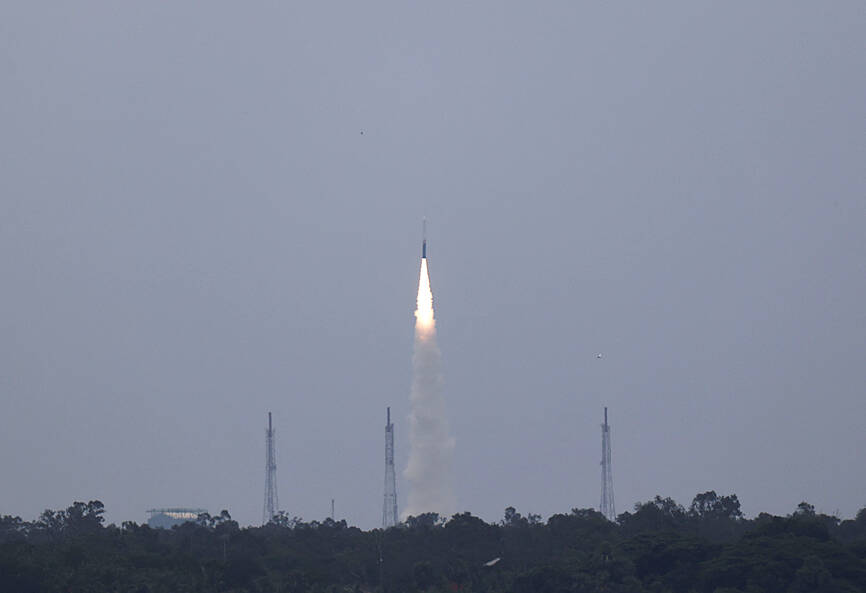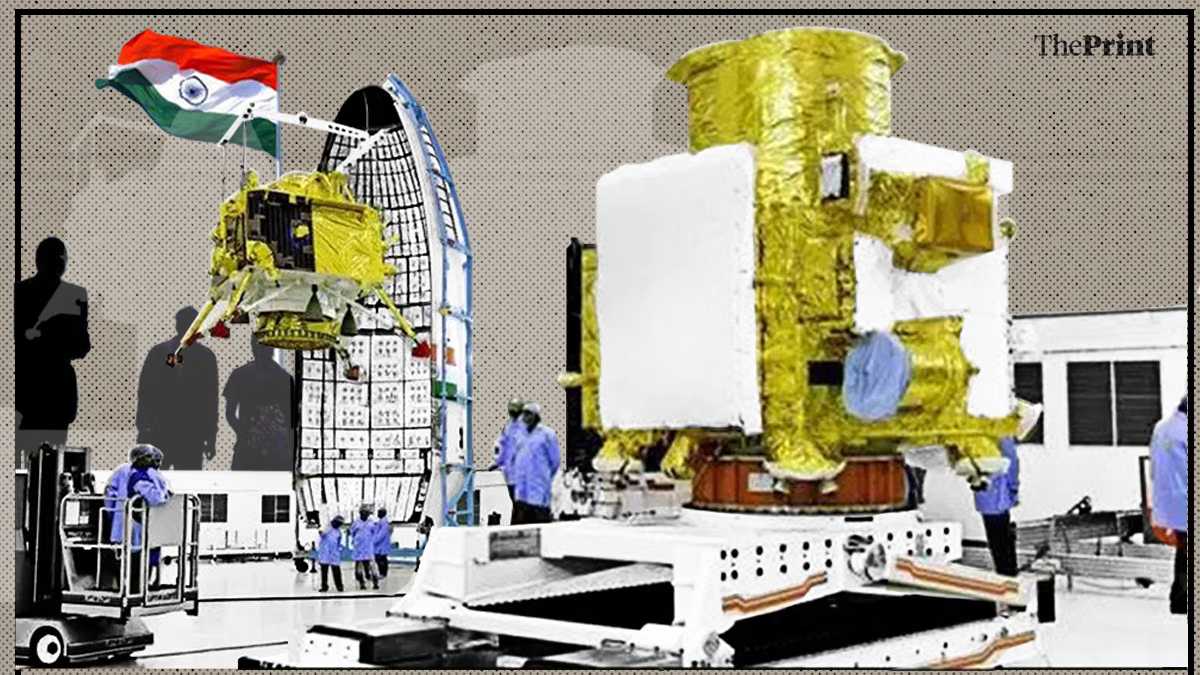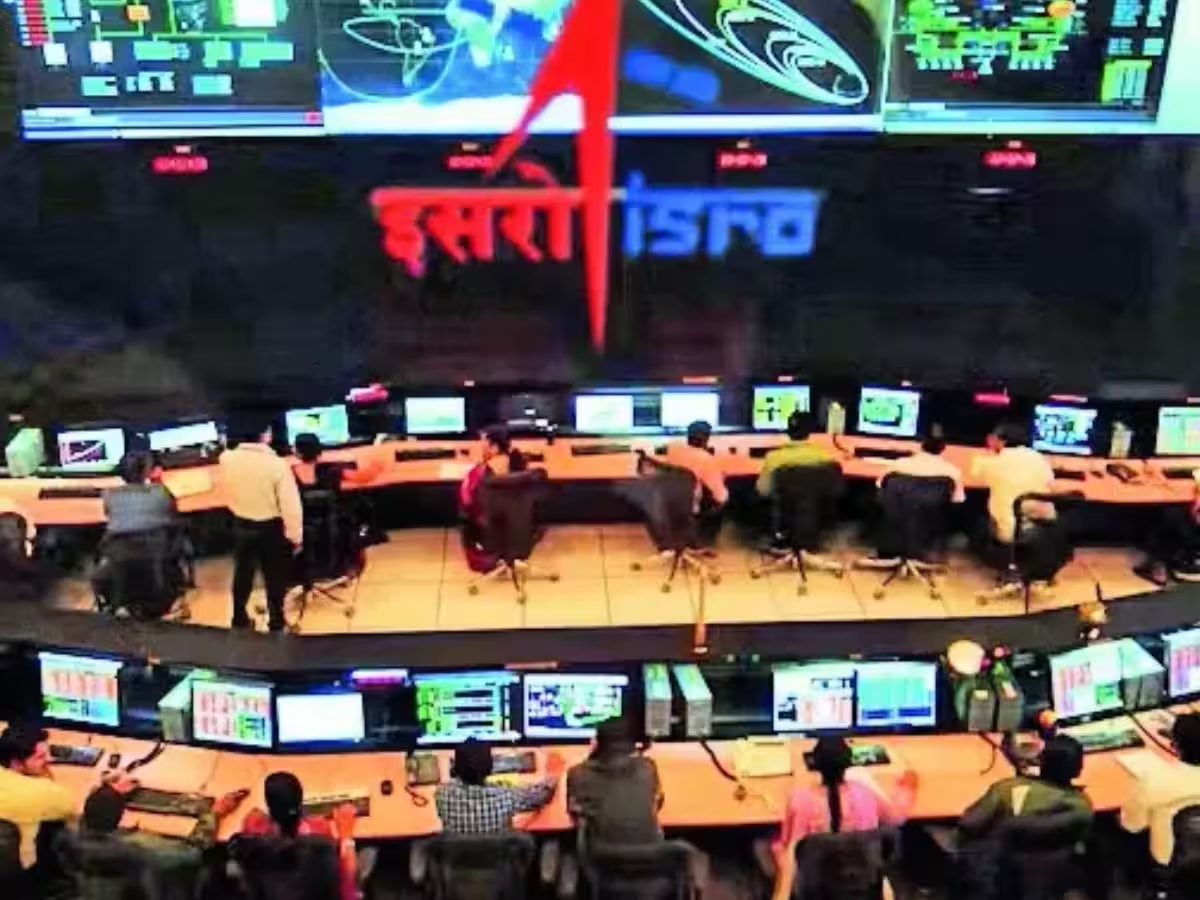
India's space sector saw two seemingly unrelated but equally significant developments last week. Hyderabad-based Skyroot Aerospace launched Vikram-1, the country's first privately developed rocket, while around 100 scientists resigned from Isro, GoI's space agency.The first is a big positive. India is only the third country with a private sector capable of making a rocket that can transport satellites into orbit. The second is also a positive, notwithstanding the short-term blow to Isro. That the two events overlapped may be a coincidence. But they are not unrelated.Until recently, India's space sector was a monopoly of Isro. GoI took the bold step of opening the sector to private participation. That 100 scientists have resigned from the space agency is a sign of success of GoI's decision to liberalise the sector. A thriving private sector is creating demand for jobs. Given that Isro is home to India's best space specialists, it isn't surprising that its personnel are being recruited.In fact, Skyroot's two founders, Pawan Kumar Chandana and Naga Bharath Daka, were engineers at Isro before they left to start a private venture. Some of the 100 who have resigned in the past week may go on to found ventures as successful as Skyroot. Others will work for entrepreneurs to build new companies. Like angel investors, many of these individuals will be angel employees, specialists building special companies.It's also remarkable that two young engineers from Isro quit government jobs to turn entrepreneurs in a sector where no private sector existed. Space is high cost and high risk. In India, it is rare for people to leave government service to join the private sector. It is rarer for people to go from government employment to entrepreneurship.But, for India's future prosperity, society must begin to give greater weight to private-sector employment and entrepreneurship than to government jobs. GoI can only be a facilitator of economic growth. It cannot be a net job creator. The private sector will drive economic growth and lead job creation.GoI realises that. That is why it has liberalised sectors like defence and space. It's good for society to have role models like Chandana and Daka, and the 100-odd other Isro scientists who are going against the grain.But what does this mean for Isro and GoI agencies and PSUs? It means they must compete for talent. That is a good thing. Of course, there is a difference between working for public and private sector. The former is public service and so cannot be remunerated like the for- profit private sector. At the same time, the government offers lifetime job security and handsome perks of office.The comparison is valid if government is defined as members of civil service and politicians. There is no competition with the private sector in their roles. However, in the case of some government agencies and PSUs, the lines begin to get blurred when these entities compete with the private sector.There is a strong case for GoI to give greater autonomy in matters related to compensation for PSUs and agencies like Isro. It makes little sense to peg compensation in these organisations to civil service hierarchies. They must compete on an equal footing with the private sector. Simultaneously, they should also not receive any special government treatment in policy terms. They should be independent, even as GoI owns them.If required, government should get creative about salary structures, especially in agencies like Isro. Even if fixed salaries are pegged to those of bureaucrats in the hierarchy, there should be additional allowances and bonuses, which would lift salaries well above what civil servants draw. Even in the private sector globally, some specialists, especially in tech and R&D, are paid more than the company CEO or COO.Developments in the space sector are a moment of reflection for Indian society and GoI. How they react may define the nation's trajectory.(Disclaimer: The opinions expressed in this column are that of the writer. The facts and opinions expressed here do not reflect the views of www.economictimes.com.)
Why ISRO's loss is India's gain - The Economic Times
India's space sector witnessed significant private and public sector developments recently. Skyroot Aerospace launched the nation's first privately built rocket, Vikram-1. Concurrently, about one hundred scientists resigned from ISRO, India's space agency. This talent shift signifies the success of the government's liberalization policy for the sector. Such movements highlight the growing demand for skilled professionals in private ventures.
660 words~3 min read