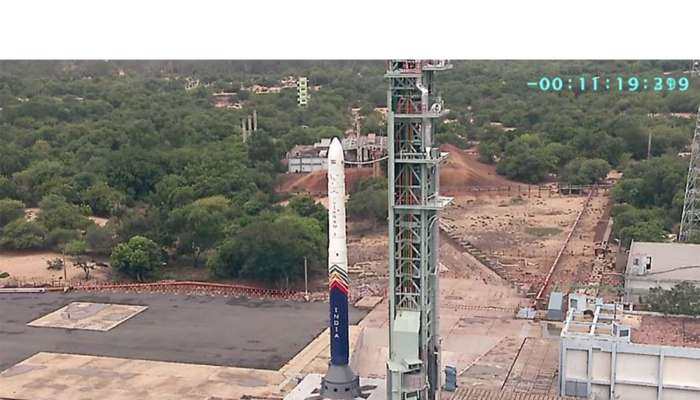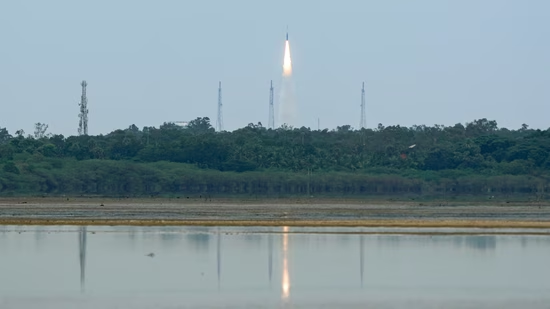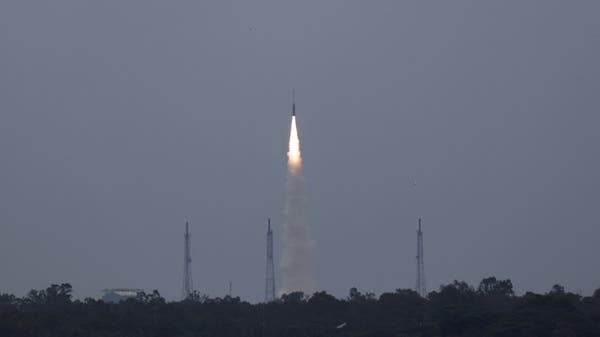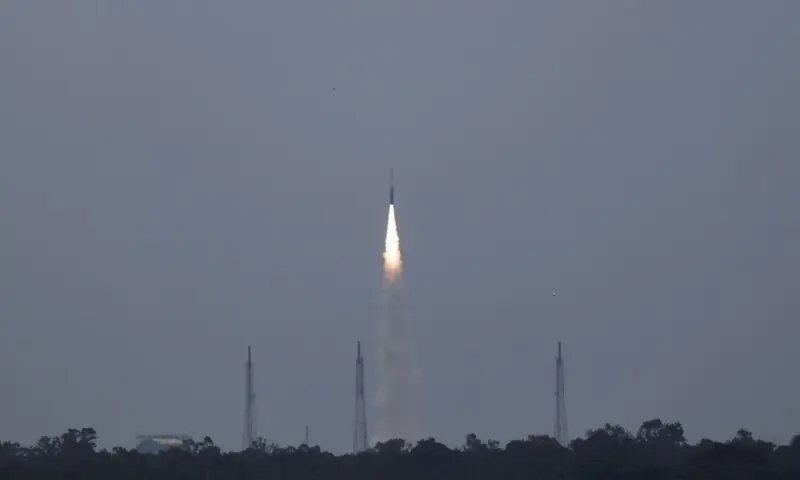
The successful launch of India’s first privately developed rocket, Vikram-1, marks a major milestone for the country’s expanding private space sector. Ironically, this success comes when the government-led space programme is grappling with a severe talent shortage.
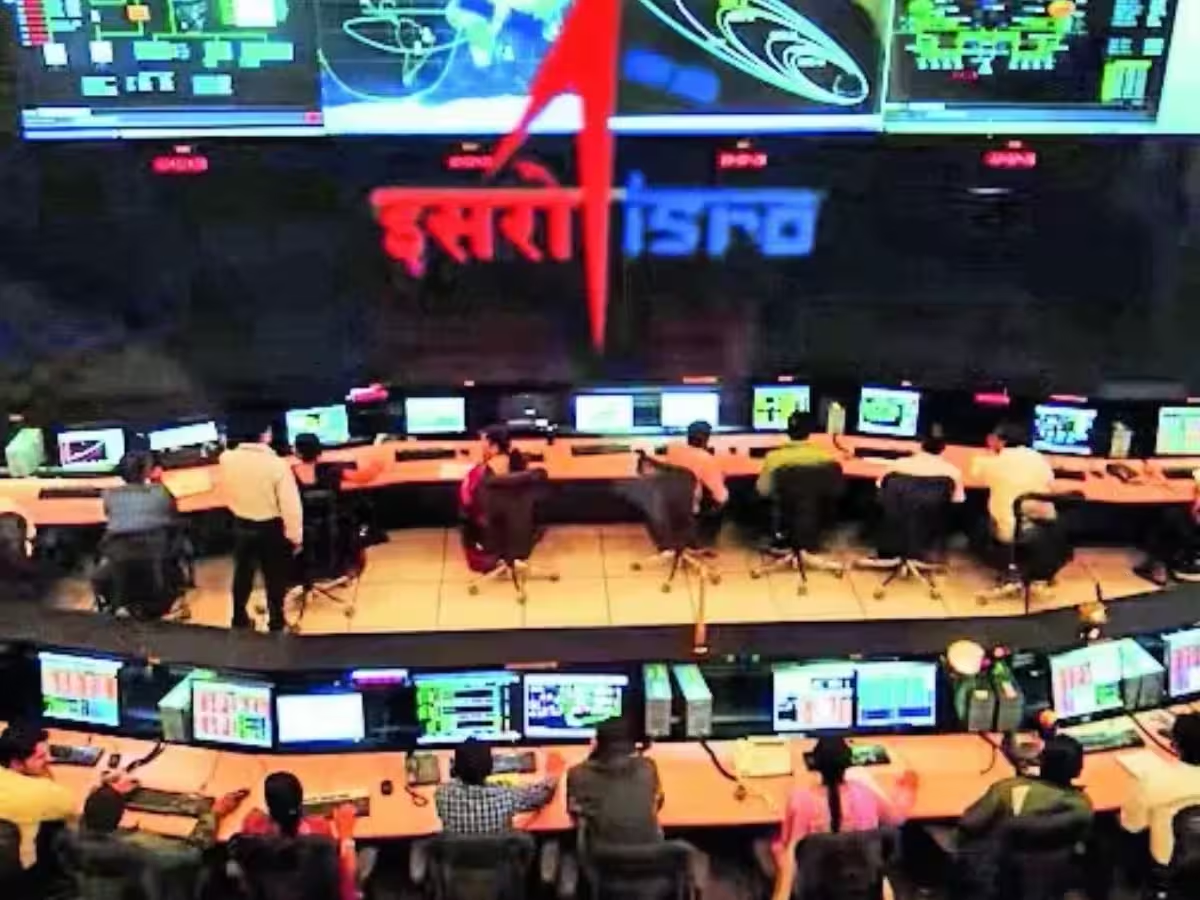
The Department of Space, which manages the Indian Space Research Organisation (ISRO), is besieged with its highest vacancy rate in 25 years — of the 20,269 sanctioned posts, 5,632 — nearly 28 per cent — are lying vacant. At the same time, more than 120 senior ISRO scientists and technical personnel have resigned or taken voluntary retirement.Growing opportunities in the private space sector offer better financial incentives, greater autonomy and faster career progression. Today, India even has several institutions offering degrees in aerospace engineering; however, startups require a skilled and experienced workforce. They are, therefore, undoubtedly attracting some experienced ISRO scientists. Meanwhile, delays in recruitment and the persistence of vacant positions risk increasing the workload for the existing staff.
But ISRO continues to pursue a wide range of ambitious missions simultaneously. The public and policy debates on the relevance of these missions, however, are severely inadequate. Greater transparency regarding expert consultations in shaping ISRO’s long-term roadmap is needed. While India should certainly draw lessons from successful international space programmes, ISRO’s future must ultimately be guided by a careful assessment of India’s socioeconomic and strategic requirements.ISRO’s hand behind Skyroot success