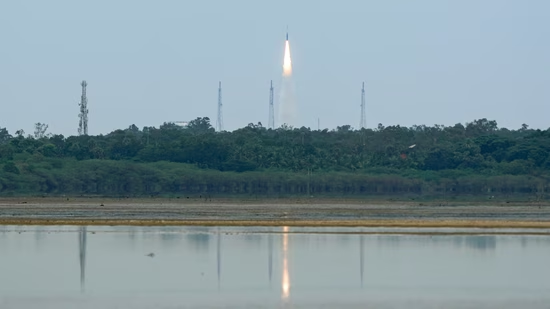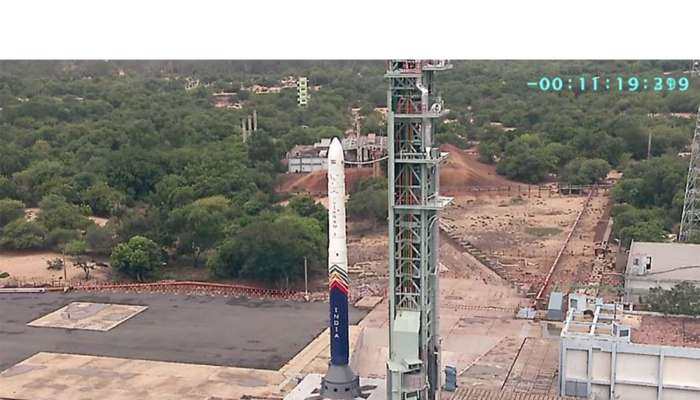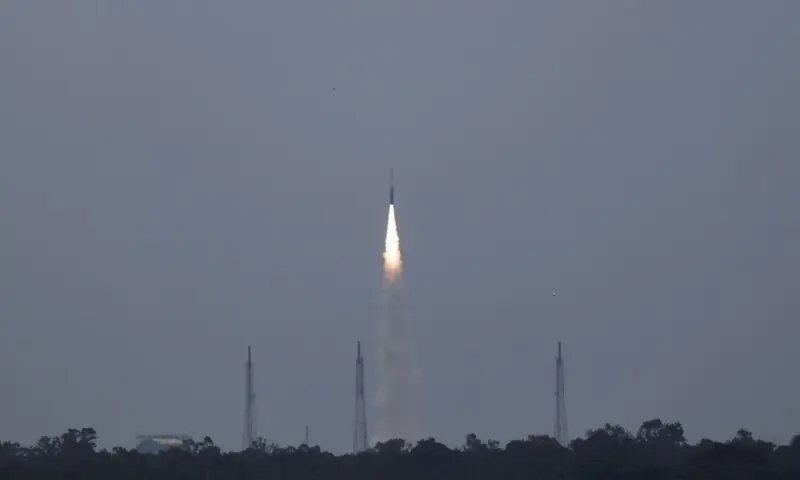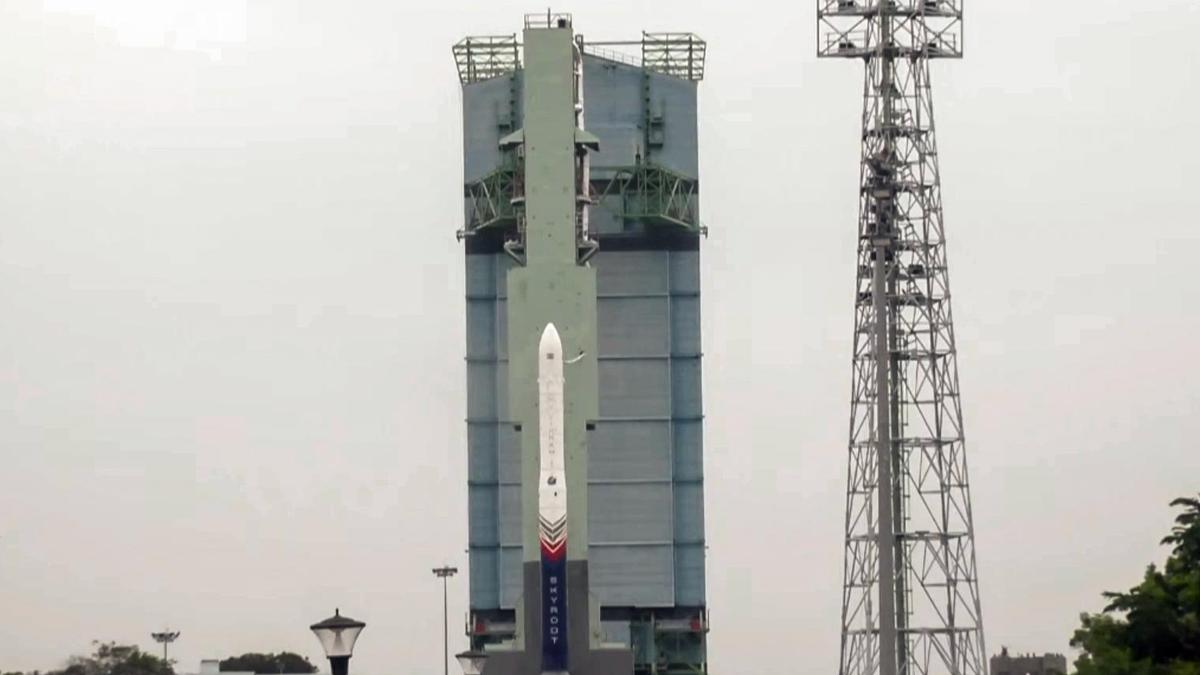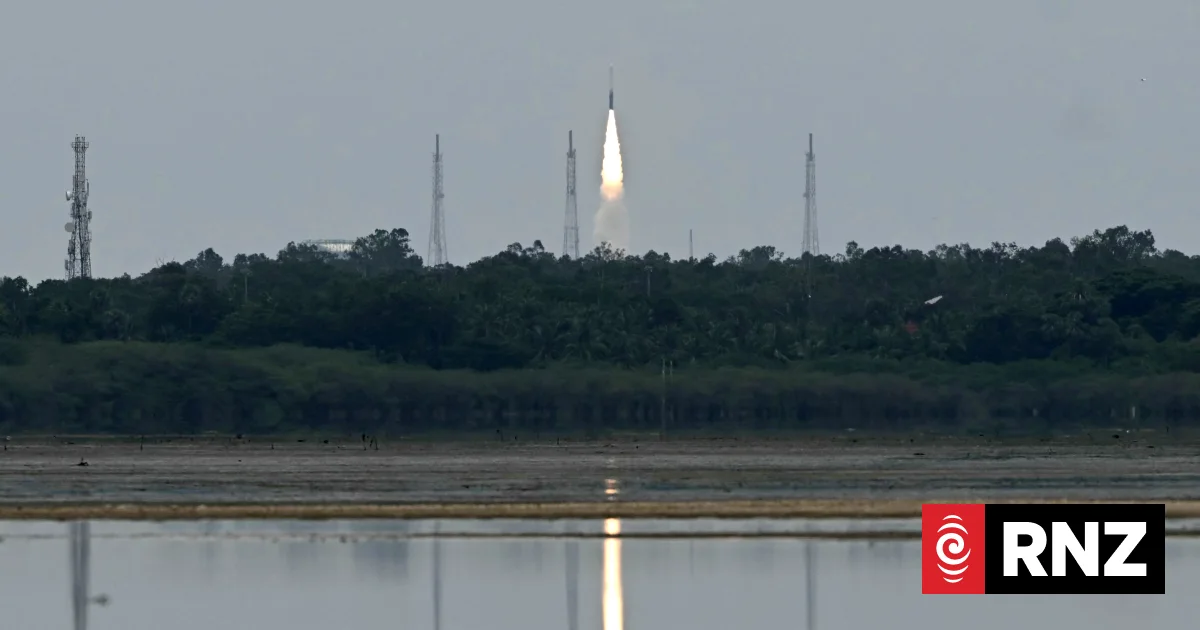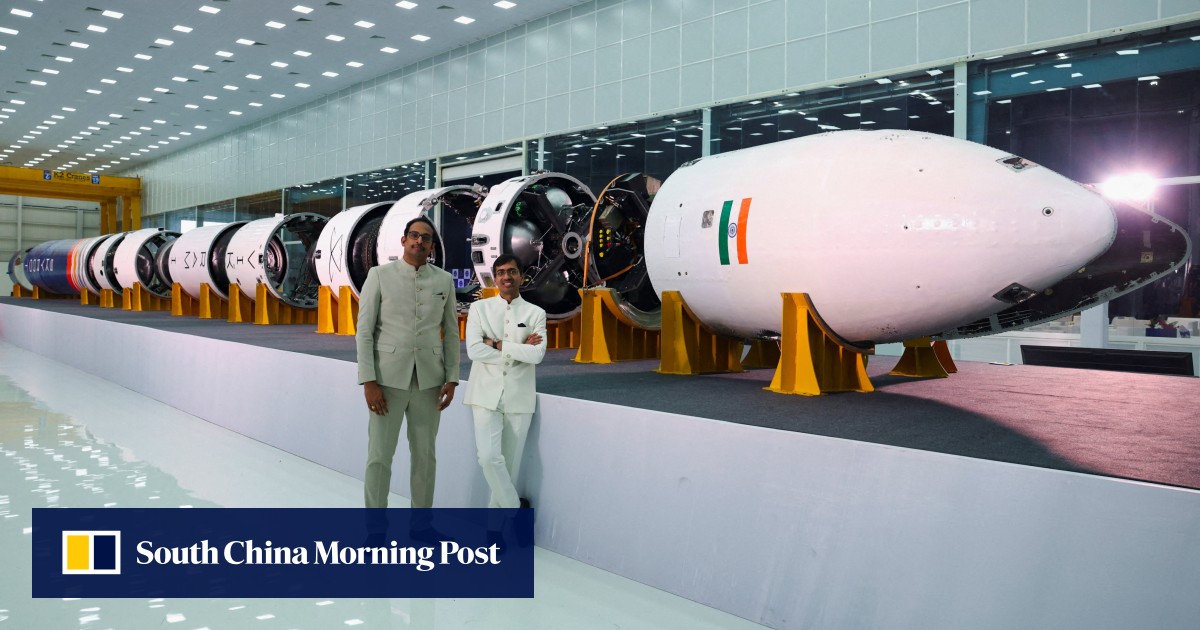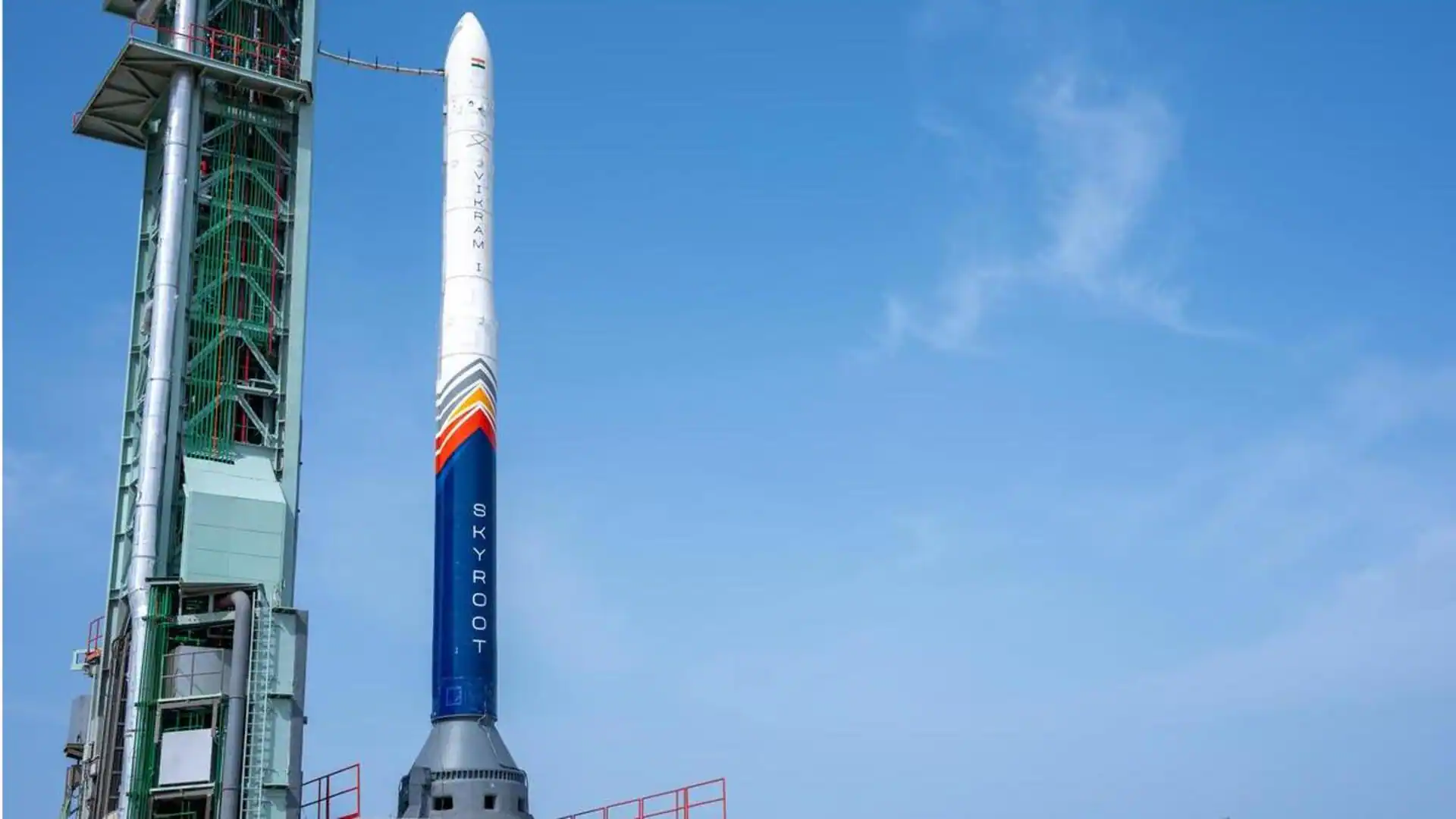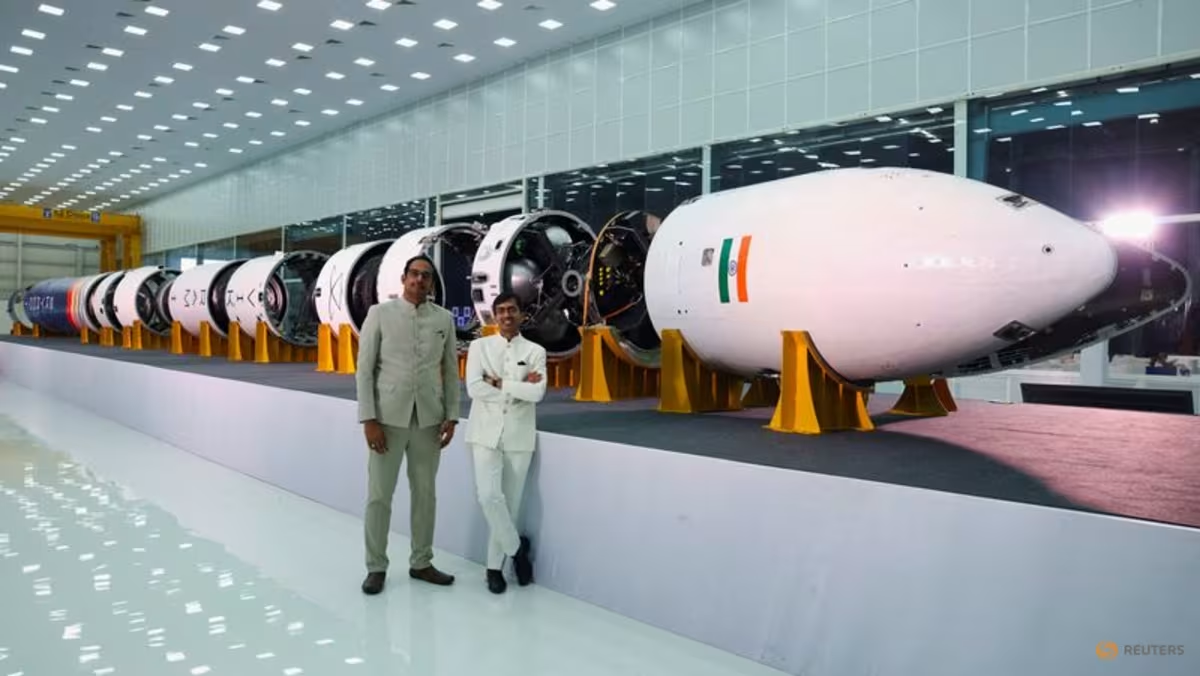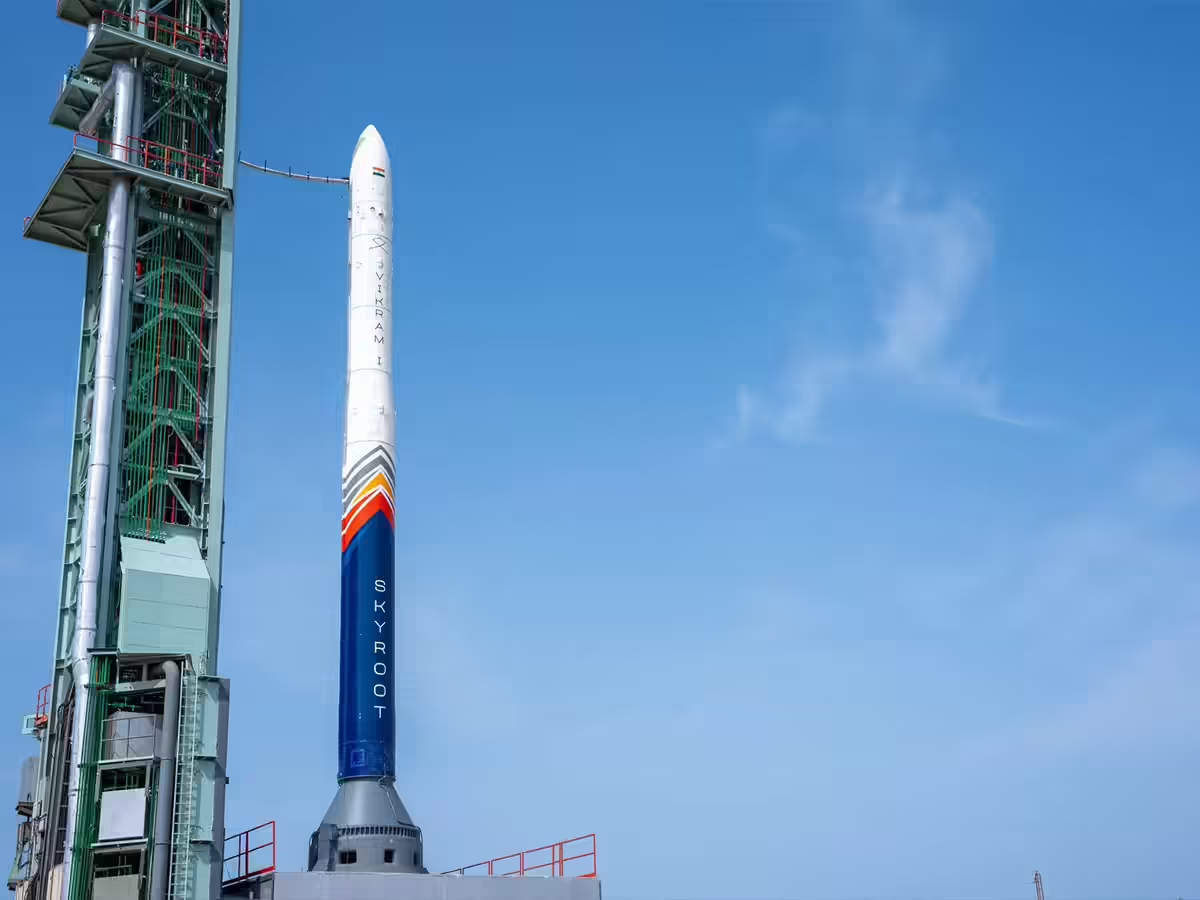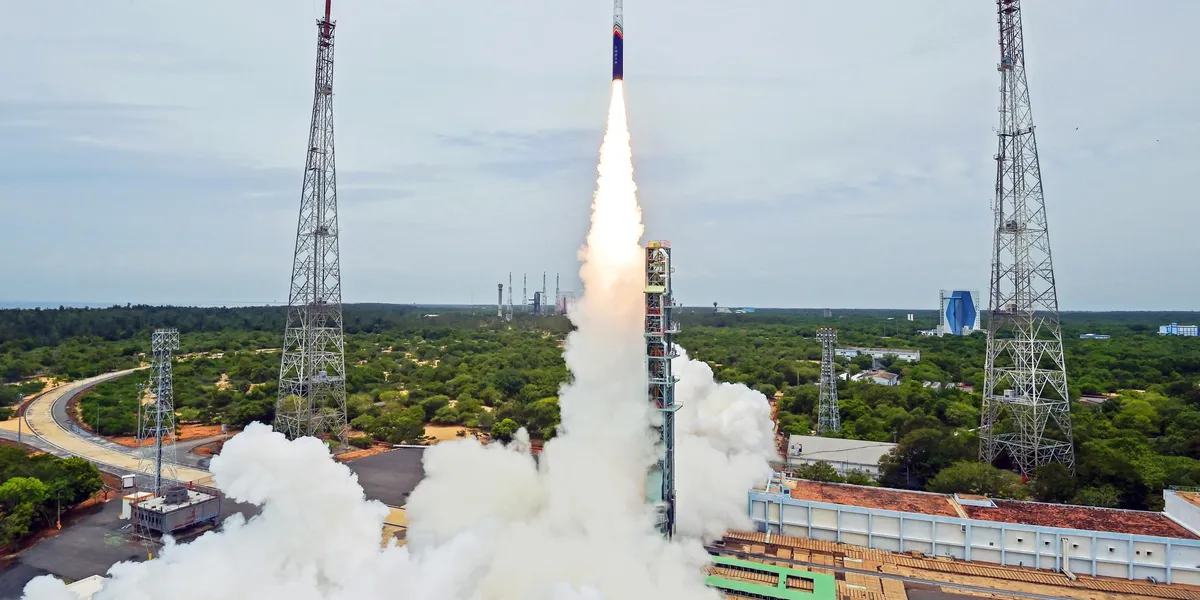
India's private space ecosystem is preparing for a major expansion after Hyderabad-based Skyroot Aerospace became the first private launch company globally to reach orbit on its maiden mission with Vikram-1, according to a report by The Times of India (TOI).The successful Mission Aagaman has boosted confidence across India's spacetech sector, with startups developing rockets, satellites, propulsion systems and space-data technologies now accelerating plans for commercial launches.According to TOI, Skyroot is targeting at least one more Vikram-1 test mission by the end of this year and aims to launch Vikram-2, capable of carrying a 1,000-kg payload, by the end of next year. The company ultimately plans to scale production to one rocket per month, co-founder Pawan Kumar Chandana told the newspaper.Chennai-based Agnikul Cosmos is also preparing Mission 02 within the next year. The launch will carry satellites for paying customers while attempting to recover the rocket's lower stage on a sea barge. Co-founder Srinath Ravichandran told TOI the company also intends to keep the upper stage in orbit as a satellite platform, with three commercial missions planned in quick succession.Bengaluru-based EtherealX expects to complete qualification tests for its Pegasus upper-stage engine and Stallion booster engine by the end of the year. Co-founder Manu Nair said the company's launch vehicle has been designed for full reusability from the outset, adding that while SpaceX's model cannot simply be replicated, reusable rockets offer the best long-term economics.The report said satellite manufacturers are also stepping up launch plans.GalaxEye is developing next-generation Opto-SAR satellites that combine optical imaging with synthetic aperture radar. Co-founder Pranit Mehta said the company plans to launch two improved satellites over the next two years after its first mission in May was disrupted by a solar storm.Meanwhile, Dhruva Space expects to begin launching nano-, micro- and CubeSat missions from the last quarter of this year. Co-founder Sanjay Nekkanti told TOI the company aims to manufacture one satellite every month from next year and currently has 22 satellites in its two-year launch pipeline.According to the report, startups are also betting that more domestic launch options will reduce reliance on foreign providers.TakeMe2Space, which is building orbital data centres, plans to prioritise Skyroot for future launches. Founder Ronak Kumar Samantray said India's first private orbital rocket would unlock opportunities for both the defence sector and commercial space businesses.Satellite imaging startup Pixxel expects to have more than 50 satellites under development or deployment over the next year as it works towards a constellation of 100 satellites.Space situational awareness firm Digantara Industries plans to deploy 17 satellites by the end of 2027. Founder and CEO Anirudh Sharma said the company expects to begin delivering real-time space-surveillance data by the end of this year and missile-warning services within the next 12 to 16 months.The report quoted Shastra VC Managing Partner Avijeet Alagathi as saying that while launch capability is important, the real long-term value will come from payloads and platforms operating in orbit, which are expected to drive revenue and strategic growth for India's private space sector.
India's private space startups gear up for commercial push after Skyroot's historic Vikram-1 success
Skyroot Aerospace's orbital success fuels India's private space sector expansion. Startups are accelerating plans for commercial rocket and satellite launches. Agnikul Cosmos and EtherealX are preparing for upcoming missions and engine tests. Satellite manufacturers like GalaxEye and Dhruva Space are increasing launch capabilities.
499 words~2 min read