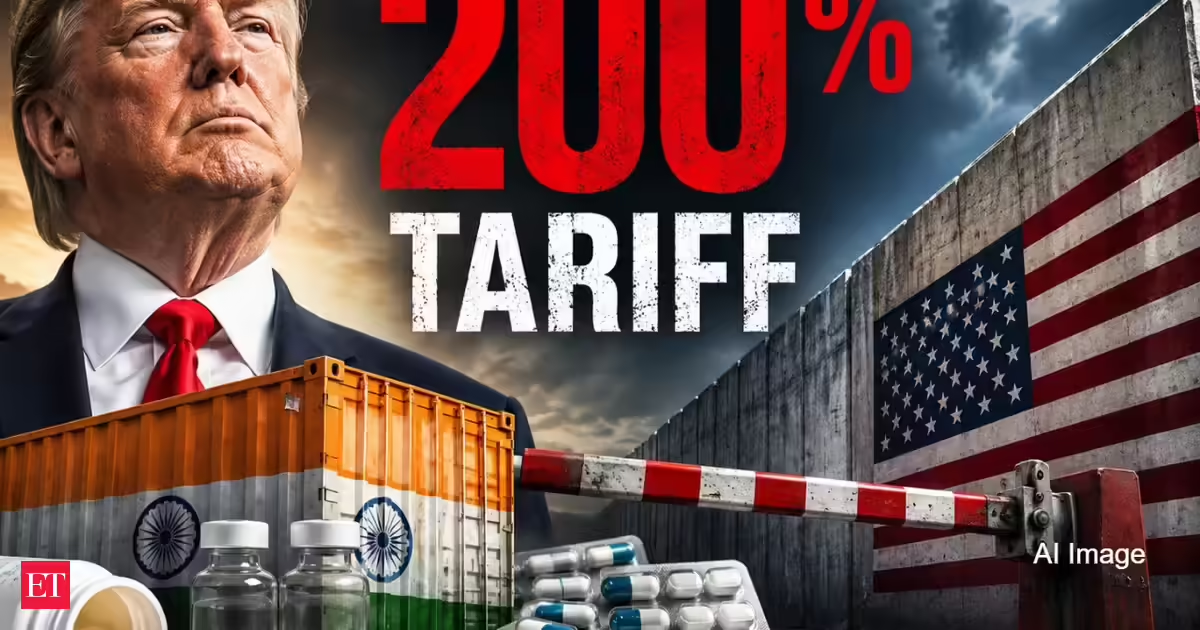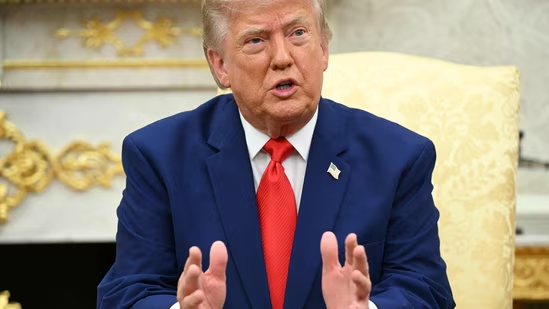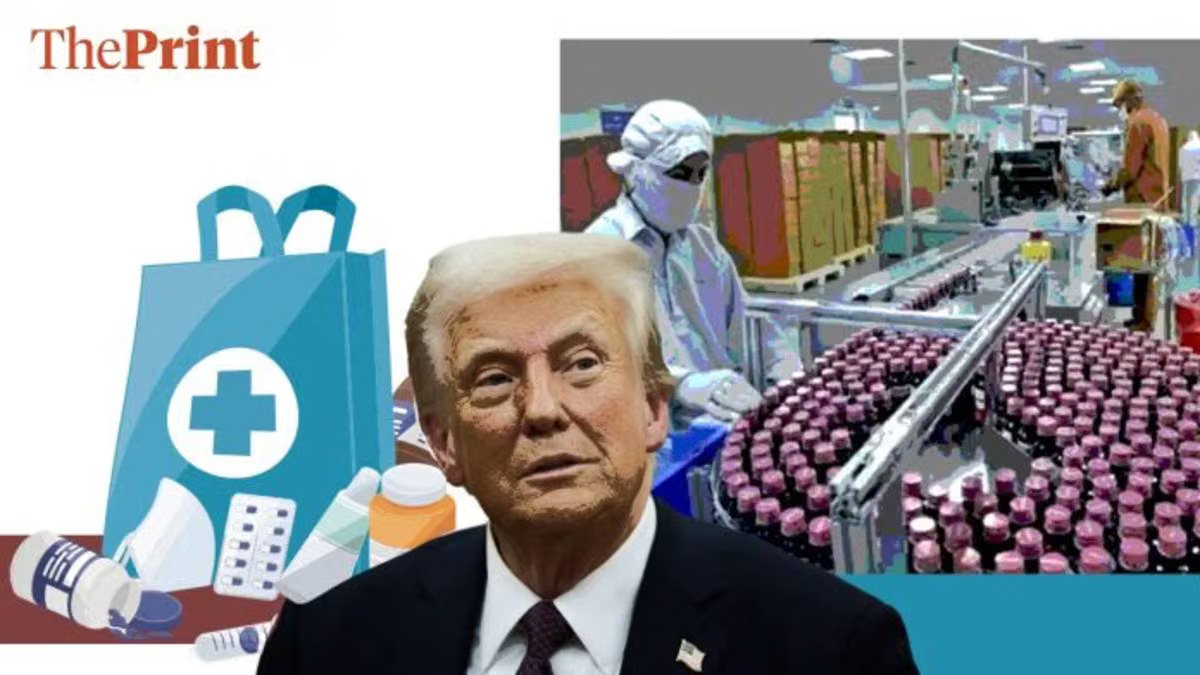
SynopsisThe Indian Pharmaceutical Alliance believes tariffs alone will not build US generic drug manufacturing. Broader reforms are needed for fair pricing and supply chain stability. India supplies nearly fifty percent of generic medicines to the United States. Tariffs alone will not produce sustainable generic medicine onshoring. Reforms should address upstream buying groups and delayed generic competition.IANSNew Delhi, The Indian Pharmaceutical Alliance (IPA) on Wednesday said tariffs alone will not help build a sustainable generic drug manufacturing base in the US, asserting that broader reforms are needed to ensure fair pricing, supply chain stability and long-term investments in the sector.The IPA, comprising 23 leading Indian research-based generic pharmaceutical companies, issued this statement following US President Donald Trump's announcement that imported generic drugs will remain tariff-free for two years before tariffs rise to 100 per cent and 200 per cent later.Trump has said that this is done to reshore generic pharmaceutical production into America, with a penalty to those companies that decide not to build plants and equipment within the stated time frame given to them.Kathleen Jaeger, US Spokesperson for the IPA, said that India is a trusted and indispensable affordable medicine partner to the US, supplying nearly 50 per cent of the generic medicines used by America's health care system.She said that the two-year tariff-free transition period provides an important opportunity for the US and companies to develop a practical pathway that protects American patients, restores a sustainable US generic medicines sector and advances supply-chain resilience."Tariffs alone, however, will not produce sustainable generic medicine onshoring. A resilient supply chain cannot be built on untoward market dynamics that systematically drive generic prices below sustainable levels, contribute to shortages and discourage investment in US manufacturing," she said.Major new domestic investments are predicated on US reforms that restore fairness, transparency and long-term stability to the US generic medicines market, she added.Those reforms, she said, should include greater transparency and accountability for the upstream buying groups that control the acquisition of about 90 per cent of generic medicines in the US retail market; and action against practices that needlessly delay generic competition beyond legitimate patent and statutory exclusivity periods, at the expense of American families and taxpayers."For the past two years, we have worked constructively with the Trump Administration and other US officials to advance a US-India Affordable Medicines Partnership that strengthens medicine security, expands resilient manufacturing and reduces dependence on countries of concern," Jaeger added.She said that IPA welcomes the opportunity to engage with the US administration during this transition period to create a durable US-India Affordable Medicines Partnership that expands access to affordable medicines and protects the health, economic security and national security of American families.Separately, Sudarshan Jain, Secretary General, IPA, said India has been a trusted partner in ensuring the supply of affordable and quality-assured medicines for American patients.Leading Indian pharmaceutical companies have a major US presence (with over 40 facilities), supporting American jobs, investing in manufacturing, research and resilient supply chains, she said.Collectively, IPA companies account for over 85 percent of the private sector investment in pharmaceutical research and development. They contribute more than 80 per cent of the country's exports of drugs and pharmaceuticals and service over 64 percent of the domestic market.Read More News on...moreless
Tariffs alone will not produce sustainable generic medicine in US: IPA
The Indian Pharmaceutical Alliance believes tariffs alone will not build US generic drug manufacturing. Broader reforms are needed for fair pricing and supply chain stability. India supplies nearly fifty percent of generic medicines to the United States. Tariffs alone will not produce sustainable generic medicine onshoring. Reforms should address upstream buying groups and delayed generic competition.
536 words~2 min read