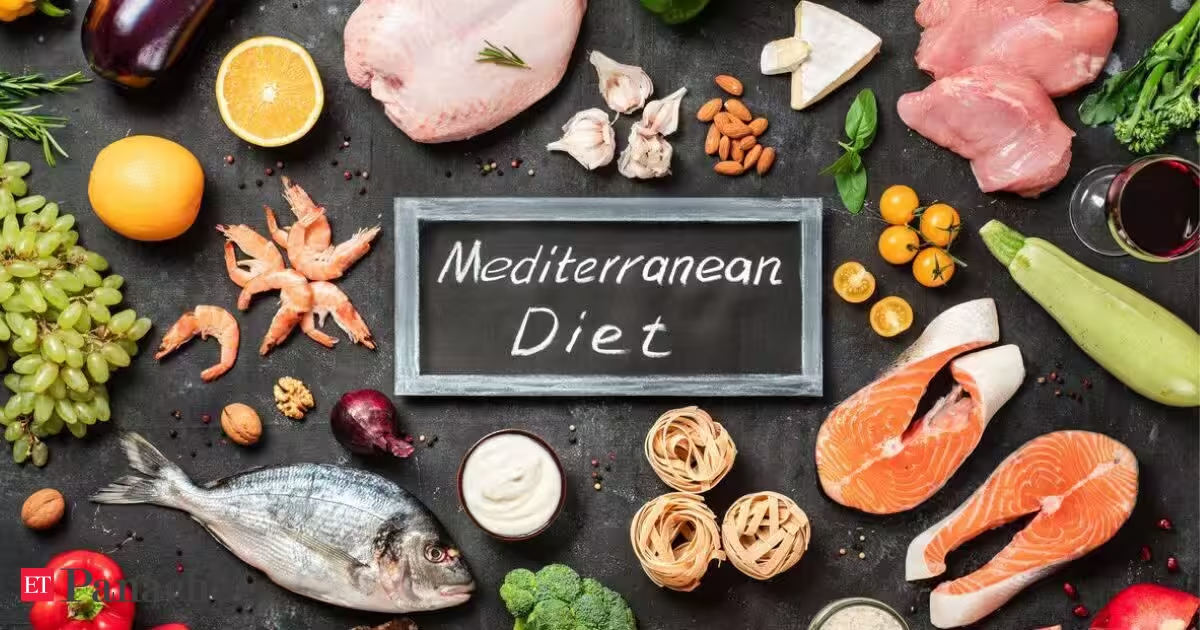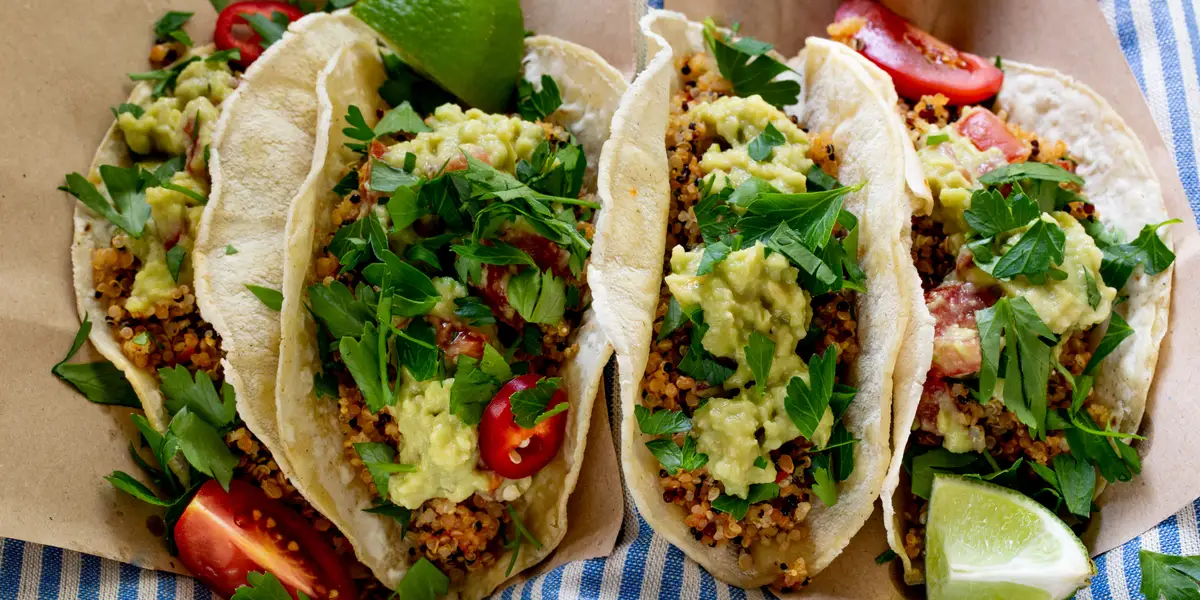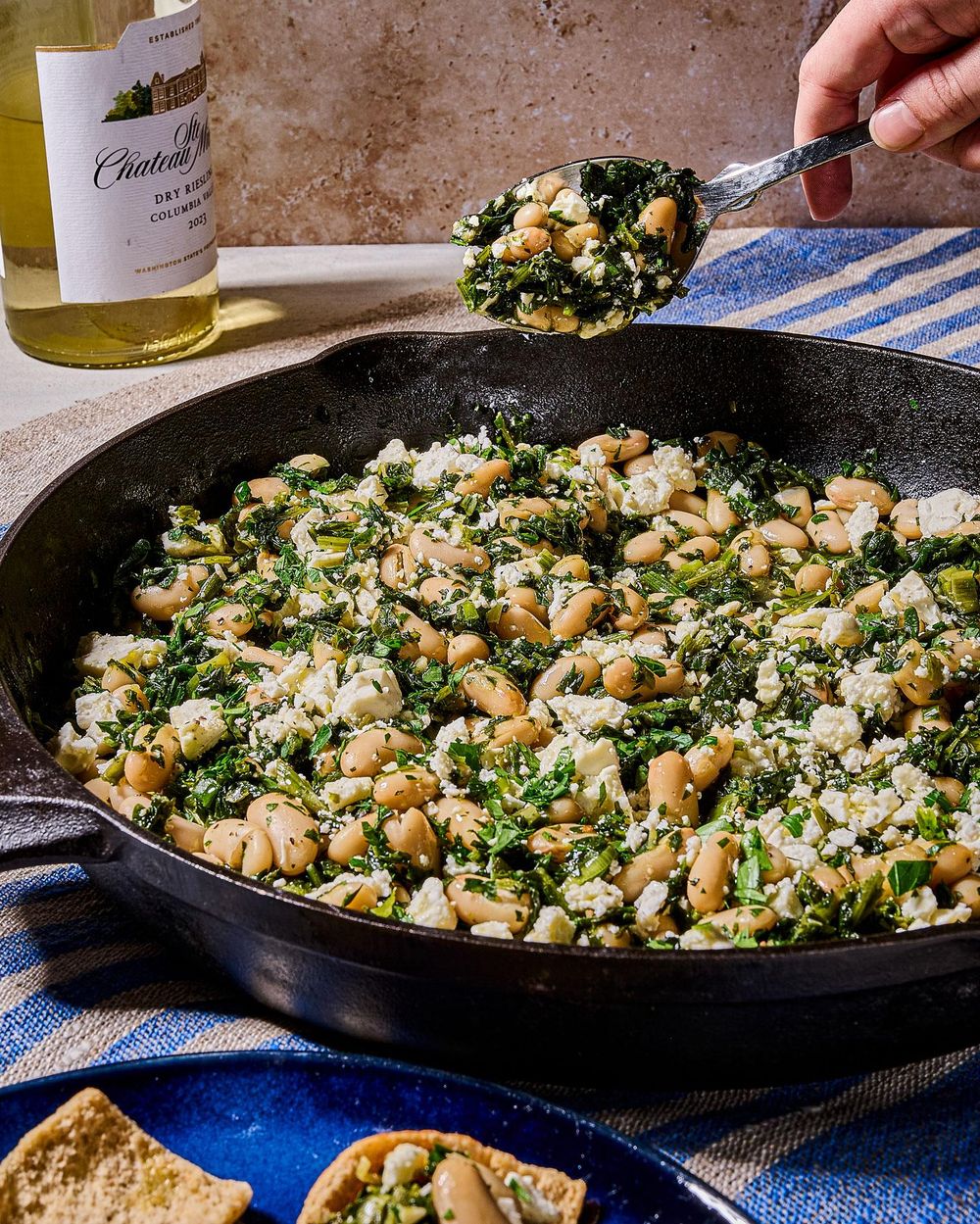
The Washington Post|Published 40 minutes agoAnahad O’Connor The Mediterranean diet is among the most extensively studied eating patterns in the world.Decades of research, including rigorous clinical trials and large population studies, have shown that the diet offers a wide variety of health benefits. Scientists have found that people who follow the principles of the Mediterranean diet have better cardiovascular health, lower rates of cancer and Type 2 diabetes, and a lower risk of dying early.There are many reasons for this. The Mediterranean diet is full of fiber-rich plants that lower inflammation, improve the health of your arteries, and reduce blood pressure and blood sugar levels. It contains lean proteins such as fish and poultry, which promote satiety and help with weight loss. And it includes critical nutrients that our bodies need but can’t produce, such as omega-3 fatty acids, which are good for your brain, eyes and heart.In one of the largest clinical trials on nutrition ever conducted, scientists in Spain recruited about 7,400 adults at high risk of cardiovascular disease and assigned them one of three diets: a standard low-fat diet; a Mediterranean diet supplemented with large amounts of olive oil; or a Mediterranean diet supplemented with large amounts of mixed nuts. After almost five years, they found that people in the Mediterranean diet groups had about 30 percent fewer heart attacks and strokes.Other studies have found that following the Mediterranean diet can be a boon to your brain health: It’s associated with a lower likelihood of developing cognitive impairment, dementia and Alzheimer’s disease.An eating patternPerhaps the most impressive thing about the Mediterranean diet is that there are countless ways to follow it. The diet is an eating pattern inspired by the traditional cuisines of countries around the Mediterranean Sea - and hundreds of ingredients fit within its principles.“It’s really not a diet. It’s a style of eating that emphasizes minimally processed foods that are plant-forward or plant-based,” said Katherine D. McManus, director of the Department of Nutrition and director of the dietetic internship at the Brigham and Women’s Hospital, a teaching affiliate of Harvard Medical School. “It can be easily translated into many other cuisines - including what we eat here in the United States - because many cuisines throughout the world are rich in plant-based foods.”In other words, you can apply the diet’s principles to dishes from around the world, whether it’s curries, tacos or stir-fries.The diet’s core principlesThe World Health Organization, the Harvard School of Public Health and Oldways, a nonprofit that promotes traditional diets, collaborated to create a pyramid that illustrates the diet’s principles. Here are the basics:Eat these foods daily: legumes, fruits and vegetables, whole grains, herbs, spices, nuts and seeds. These foods should be at the core of your meals. Cook primarily with extra virgin olive oil. “Try to make half of your plate veggies at lunch and dinner,” McManus said. Experiment with different whole grains, such as bulgur, amaranth and farro, and whole-grain and legume pastas. Try snacking on nuts and including them in your meals. “Nuts and seeds are a big part of traditional Mediterranean meals,” McManus said.Eat these foods twice a week: fish and other seafood, such as salmon and shrimp. Canned or frozen salmon can be a convenient, affordable option.Eat these foods in moderate portions, about once a day to once a week: eggs, poultry, and dairy, especially fermented dairy foods such as yogurt and kefir. Eat these foods sparingly: red meats and sweets. “Use meat more as a garnish than the main course,” McManus said. If you have a sweet tooth, try eating fruit instead of candy and other sweets.Drink mostly water. Cut out sugary beverages and focus on water, coffee and tea. But wine can be consumed in moderation and typically only with meals. 5 easy meals to add to your dietConsider adding a few of the following recipes to your weekly rotation. Each features ingredients that are at the heart of the Mediterranean diet.Avocado Tacos With Black Bean Pico de Gallo: Made with corn tortillas, which are a whole grain, these avocado and black bean tacos are a simple way to eat more fiber-rich plant foods. Don’t skip the chile pepper if you can handle a bit of heat. Research suggests spicy food could lead to greater longevity.Greek-Style Shrimp Skillet with Tomatoes, Spinach and Feta: You’ll get plenty of flavor and nourishing ingredients in this recipe. It features nutritious and delicious ingredients like diced tomatoes, feta cheese, garlic, parsley, dill and spinach.Spanakopita Beans: This recipe is one of my favorite Mediterranean-inspired meals. It’s quick, tasty and features a lot of inexpensive, nutrient-dense ingredients. It’s also high in protein and fiber because it contains beans. You can use any type of bean you like. I prefer using a combination of white beans and navy beans.Simplest Lentil Curry: Red lentils cook quickly and are high in iron. This meal also gets a nutrient boost from frozen peas, brown rice and spices, which provide polyphenols - beneficial plant compounds that support gut health.Salmon Shawarma Salad: This simple recipe pairs roasted salmon, which is rich in heart-healthy omega-3s, with fresh vegetables and a creamy Greek yogurt sauce.
Why the Mediterranean diet is so good for you
Decades of research, including rigorous clinical trials and large population studies, have shown that the diet offers a wide variety of health benefits.
857 words~4 min read