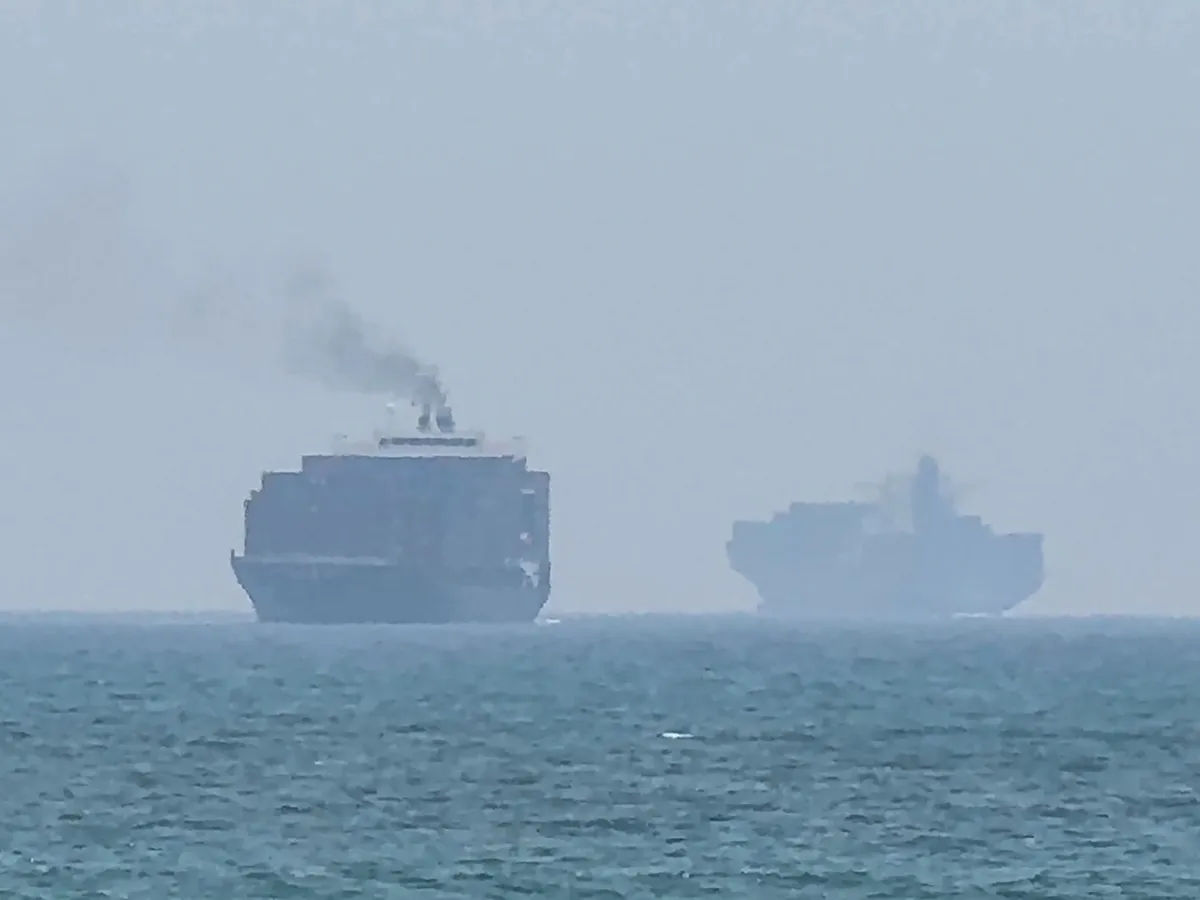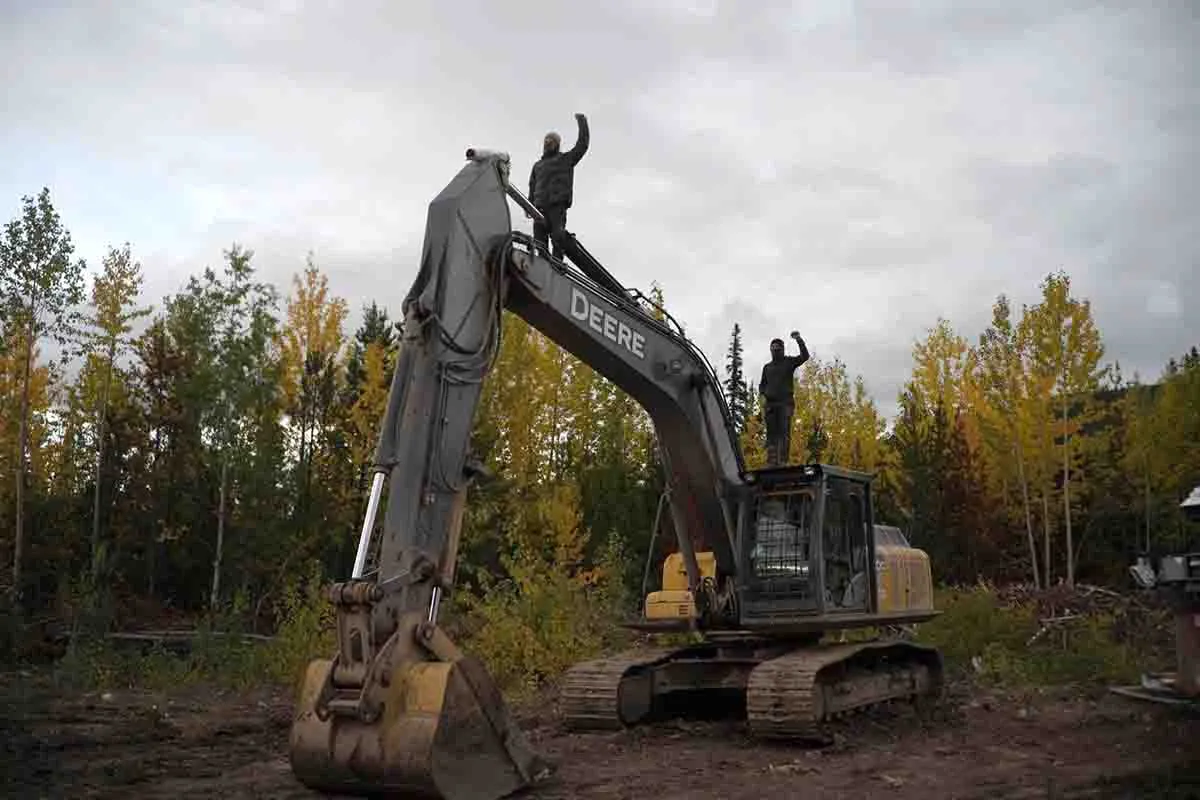
Skip to Content News Archives Economy Energy Oil & Gas Renewables Electric Vehicles Mining Commodities Agriculture Real Estate Mortgages Mortgage Rates Finance Banking Insurance Fintech Cryptocurrency Work Wealth Smart Money Wealth Management Investor Personal Finance Family Finance Retirement Taxes High Net Worth FP Comment Executive Women Puzzmo Newsletters Financial Times Business Essentials More Innovation Information Technology FP500 Podcasts Small Business Lives Told Tails Told Shopping Financial Post Store Obituaries Place a Notice Advertising Advertising With Us Advertising Solutions Postmedia Ad Manager Sponsorship Requests Classifieds Place a Classifieds ad Working Profile Settings My Subscriptions Saved Articles My Offers Newsletters Customer Service FAQ News Economy Energy Mining Real Estate Finance Work Wealth Investor FP Comment Executive Women Puzzmo Newsletters Financial Times Business Essentials HomeFP CommentOpinion: Canada has its own Strait of HormuzAnti-oil activists have periodically tried to block access to B.C ports and pipelines. Governments need to be ready for a new blockadeLast updated 1 hour ago You can save this article by registering for free here. Or sign-in if you have an account.Protesters commandeered equipment to stop drilling under a waterway at the Coastal GasLink site in B.C. Sustained activism that has opposed B.C.'s development of ports, pipeline corridors, railways and export terminals create their own choke point. Photo by Michael ToledanoFor decades, the Strait of Hormuz has been a strategic choke point through which a significant share of the world’s energy passes. Countries that depend on that energy are hostage to whoever controls the strait.Subscribe now to read the latest news in your city and across Canada.Exclusive articles from Barbara Shecter, Joe O'Connor, Gabriel Friedman, and others.Daily content from Financial Times, the world's leading global business publication.Unlimited online access to read articles from Financial Post, National Post and 15 news sites across Canada with one account.National Post ePaper, an electronic replica of the print edition to view on any device, share and comment on.Daily puzzles, including the New York Times Crossword.Subscribe now to read the latest news in your city and across Canada.Exclusive articles from Barbara Shecter, Joe O'Connor, Gabriel Friedman and others.Daily content from Financial Times, the world's leading global business publication.Unlimited online access to read articles from Financial Post, National Post and 15 news sites across Canada with one account.National Post ePaper, an electronic replica of the print edition to view on any device, share and comment on.Daily puzzles, including the New York Times Crossword.Create an account or sign in to continue with your reading experience.Access articles from across Canada with one account.Share your thoughts and join the conversation in the comments.Enjoy additional articles per month.Get email updates from your favourite authors.Create an account or sign in to continue with your reading experience.Access articles from across Canada with one accountShare your thoughts and join the conversation in the commentsEnjoy additional articles per monthGet email updates from your favourite authorsSign In or Create an AccountorCanada has suffered its own version of a strategic choke point. Not from hostile naval forces, but through a sustained campaign of activism — supported in part by international funding networks — that has focused on British Columbia’s ports, pipeline corridors, railways and export terminals. In the past, these efforts have involved intimidation and violence and have successfully blocked projects.The latest of these campaigns seeks to frighten residents of Northern B.C. about what activists claim are the health dangers of liquefied natural gas. Its real aim is to prevent Canadians from exporting, and energy-insecure nations from accessing, Canada’s over 400 trillion cubic feet of natural gas reserves.Get the latest headlines, breaking news and columns.By signing up you consent to receive the above newsletter from Postmedia Network Inc.A welcome email is on its way. If you don't see it, please check your junk folder.The next issue of Top Stories will soon be in your inbox.We encountered an issue signing you up. Please try againTo be sure, activist harassment is not the same thing as the outright war we see unfolding in the Middle East. But its impact can be equally serious and strategic. In their recent statement, the G7 nations encouraged “the diversification of energy supply routes in order to reduce global vulnerability to the Strait of Hormuz,” and welcomed “the potential for Canada to deliver significant additional capacity to global markets in the coming years.” But that won’t be possible if activist groups succeed in creating choke points within British Columbia.Activists often claim to be promoting the interests of local communities. But communities pay the price when activist campaigns destroy some of the best opportunities available to them to end poverty and create a new future. A recent study commissioned by Energy for a Secure Future, the organization I chair, includes analysis of the economic and social trajectory of the 20 municipalities and 20 First Nations communities along the 670-kilometre corridor from the Montney basin to the coast in Kitimat B.C. The analysis shows that from 2016 through 2021 — in other words, before the construction of LNG Canada Phase I and the Coastal Gaslink Pipeline — corridor communities trailed the B.C. average on important social and economic metrics, including household income, housing quality and post-secondary attainment (including trades).The economic stimulus provided by those two projects brought improvement in all these areas, as would Cedar LNG and, from the federal major projects list, LNG Canada Phase II and Ksi Lisims LNG. Construction of LNG Canada and Coastal Gaslink drove overall regional benefits including: 75,700 jobs and over $11.7 million invested by companies in skills training, workforce development and pre-employment programs; over $2 million in contributions for local hospitals and medical equipment; roughly $3.6 million to support home renovation and purchasing; and an increase in average household income in the corridor communities from $78,000 a year in 2015 to $105,000 a year in 2024.Anti-development activists often claim to be defending the interests of First Nations but between 2019 and 2023, the various agreements and partnerships related to these projects led to an increase of 159 per cent in own-source revenues for the 20 First Nations in the project corridor. In 2023, these new revenues made up 36 per cent on average of the operating budgets of First Nations and were directed to greater investments in education, economic development and community services.Now that the pipeline is operating, 16 of the First Nations on the pipeline route are able to exercise their option for a 10 per cent equity stake in the Coastal Gaslink pipeline, bringing additional revenues. The Haisla Nation’s majority-owned Cedar LNG project, whose gas will be delivered through the Coastal Gaslink Pipeline, will complete construction and begin operations soon. Five First Nations, including Haisla, recently signed on to an LNG Canada Phase II asset ownership opportunity.In a “no-project” scenario, these benefits are lost. So is the possibility that Canada can help free our allies from the weaponization of energy by Russia and Iran. For many communities, the opportunities that major resource projects provide come along perhaps once in a generation, if that. When campaigns choke off these opportunities, there is rarely a substitute.As governments identify new nation-building infrastructure, the familiar patterns are already re-emerging. Coalitions that successfully opposed previous developments are mobilizingonceagain.British Columbia remains the country’s indispensable Pacific gateway with half the transit time to Asian markets compared to our competitors. If that gateway instead becomes a strategic bottleneck, Canada won’t just lose individual projects; it risks surrendering decades of life-changing economic opportunity to competing jurisdictions.We need to organize now to preserve opportunity and defeat the coming blockade.Shannon Joseph, an Energy Forum Fellow with the Canadian Global Affairs Institute, is chair of Energy for a Secure Future. Join the Conversation This website uses cookies to personalize your content (including ads), and allows us to analyze our traffic. Read more about cookies here. By continuing to use our site, you agree to our Terms of Use and Privacy Policy.
Opinion: Canada has its own Strait of Hormuz
Anti-oil activists have periodically tried to block access to B.C ports and pipelines. Governments must prepare for a new blockade. Read on.
1,303 words~6 min read