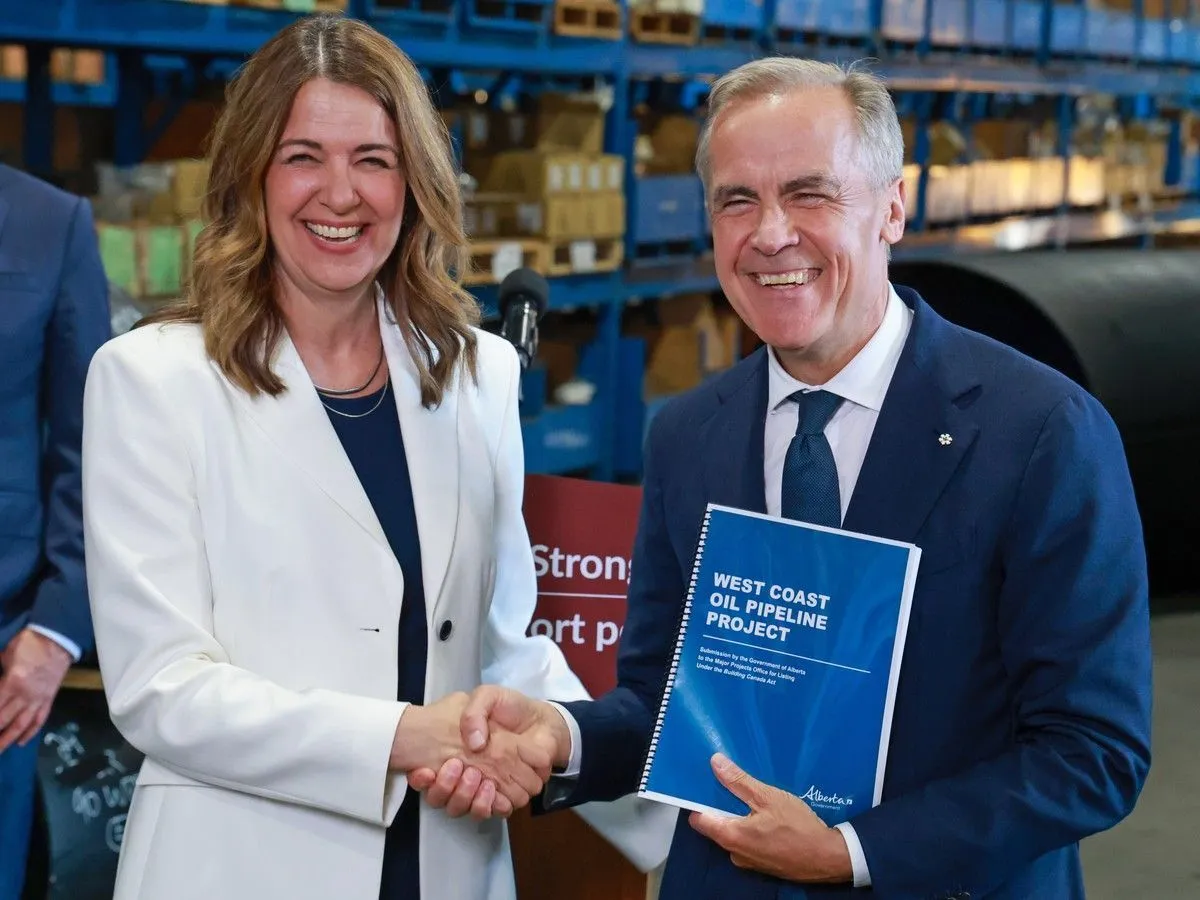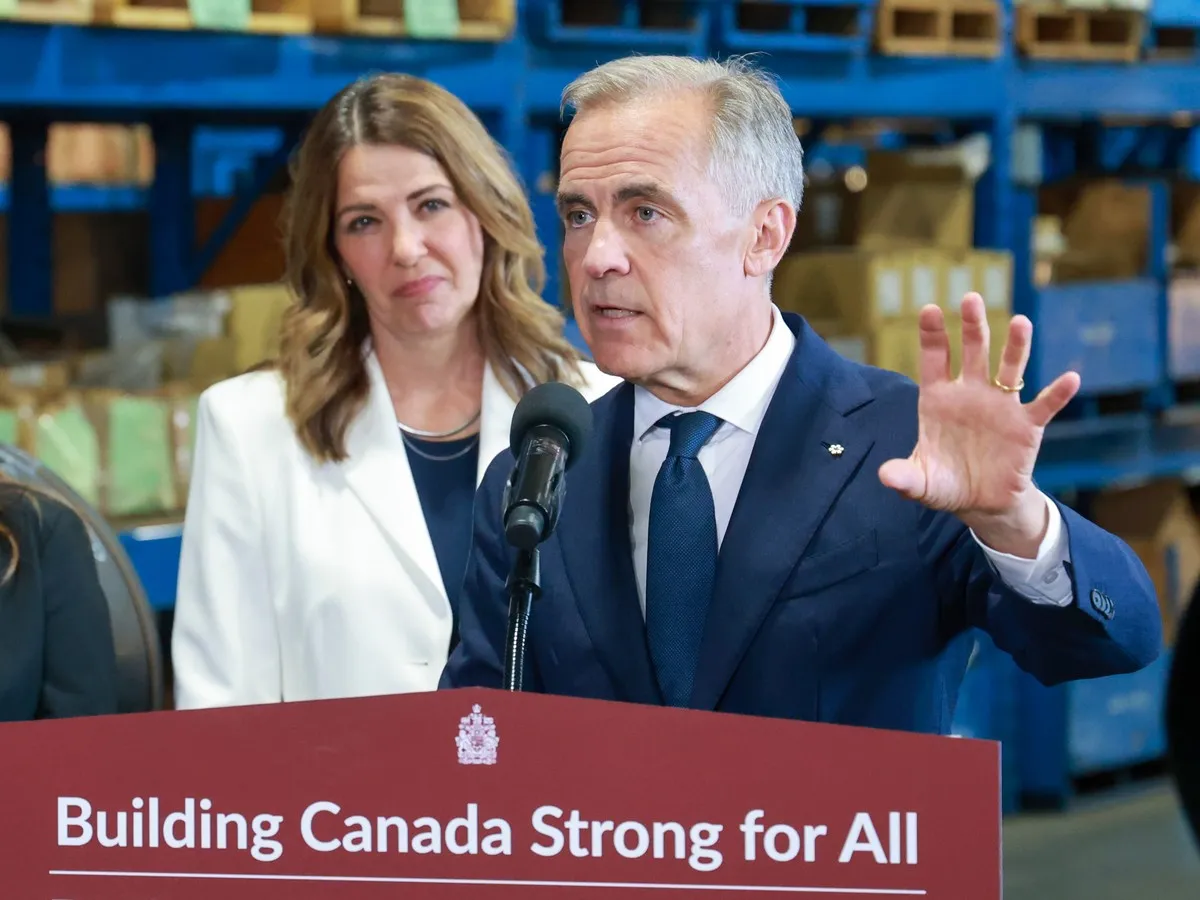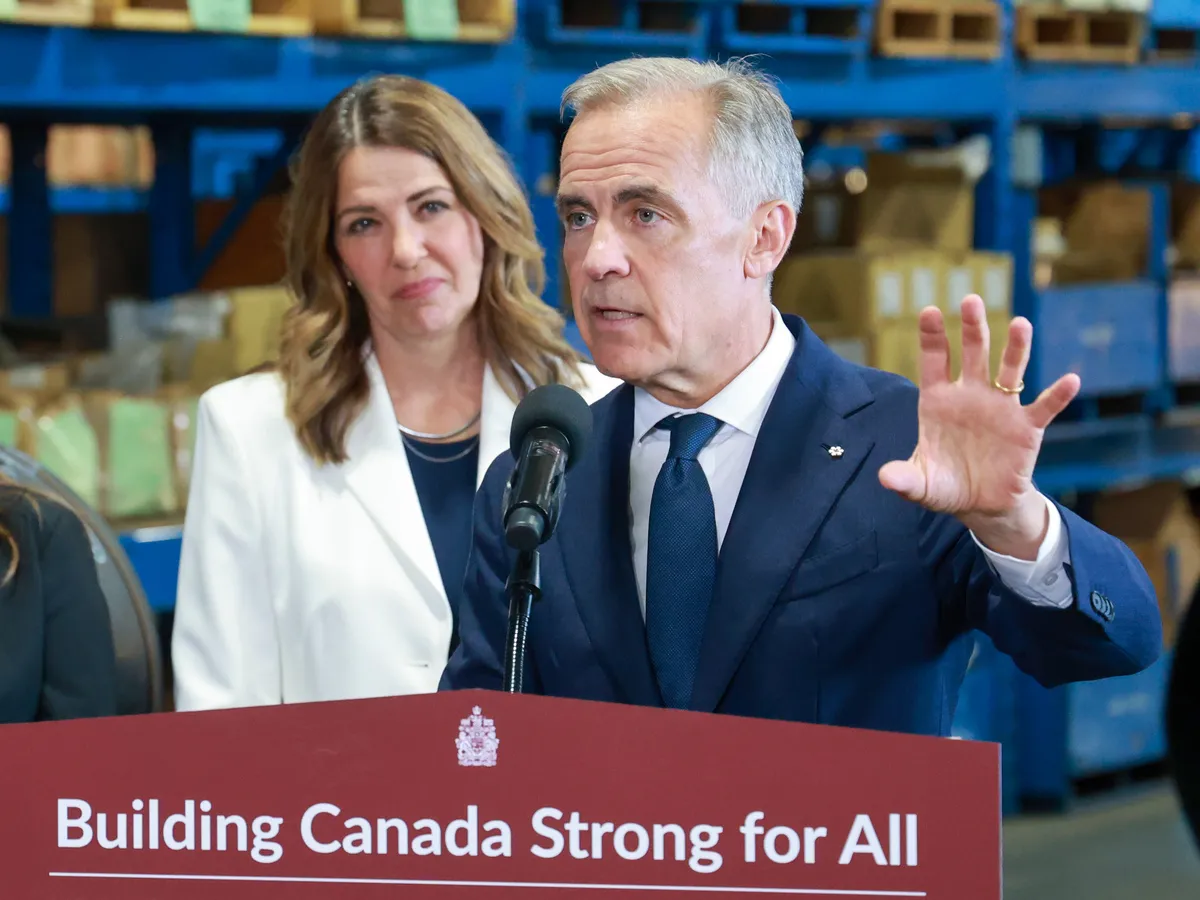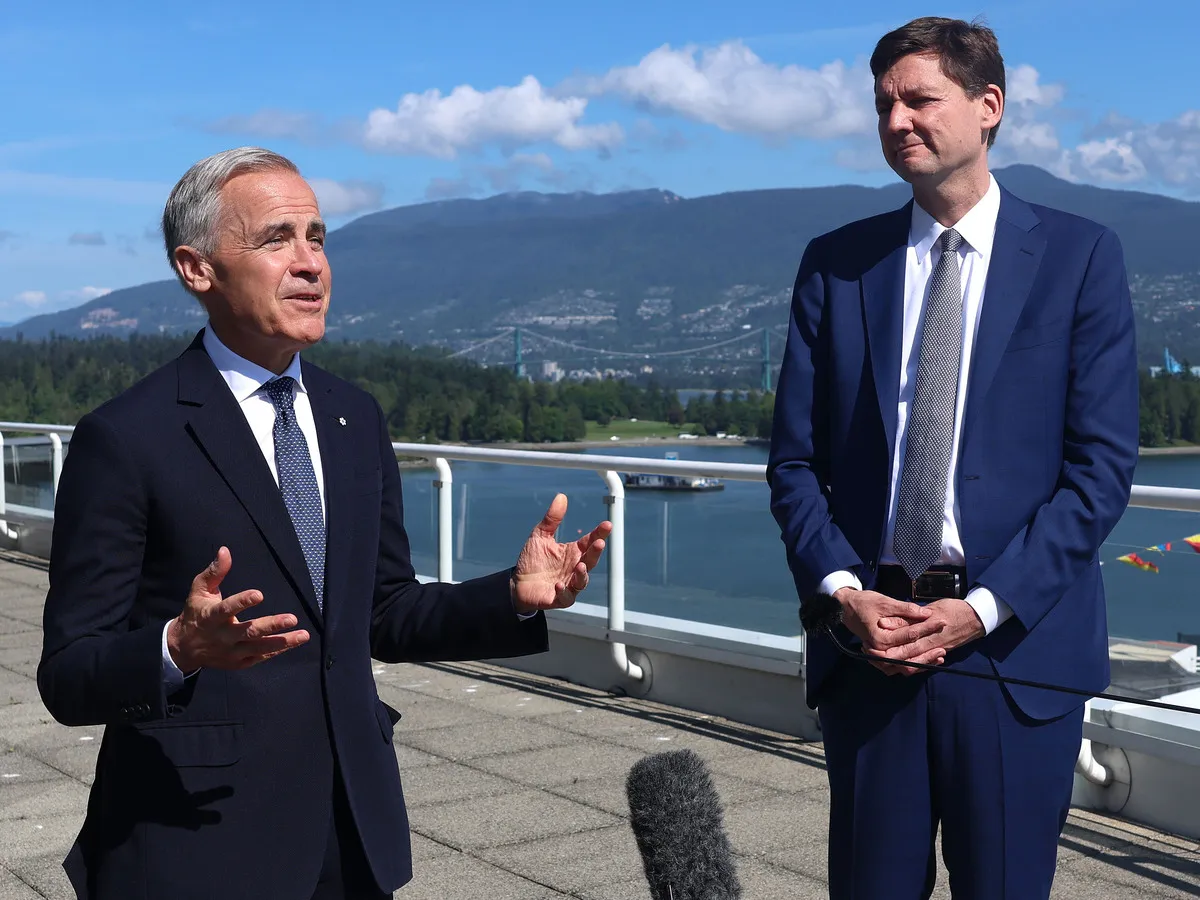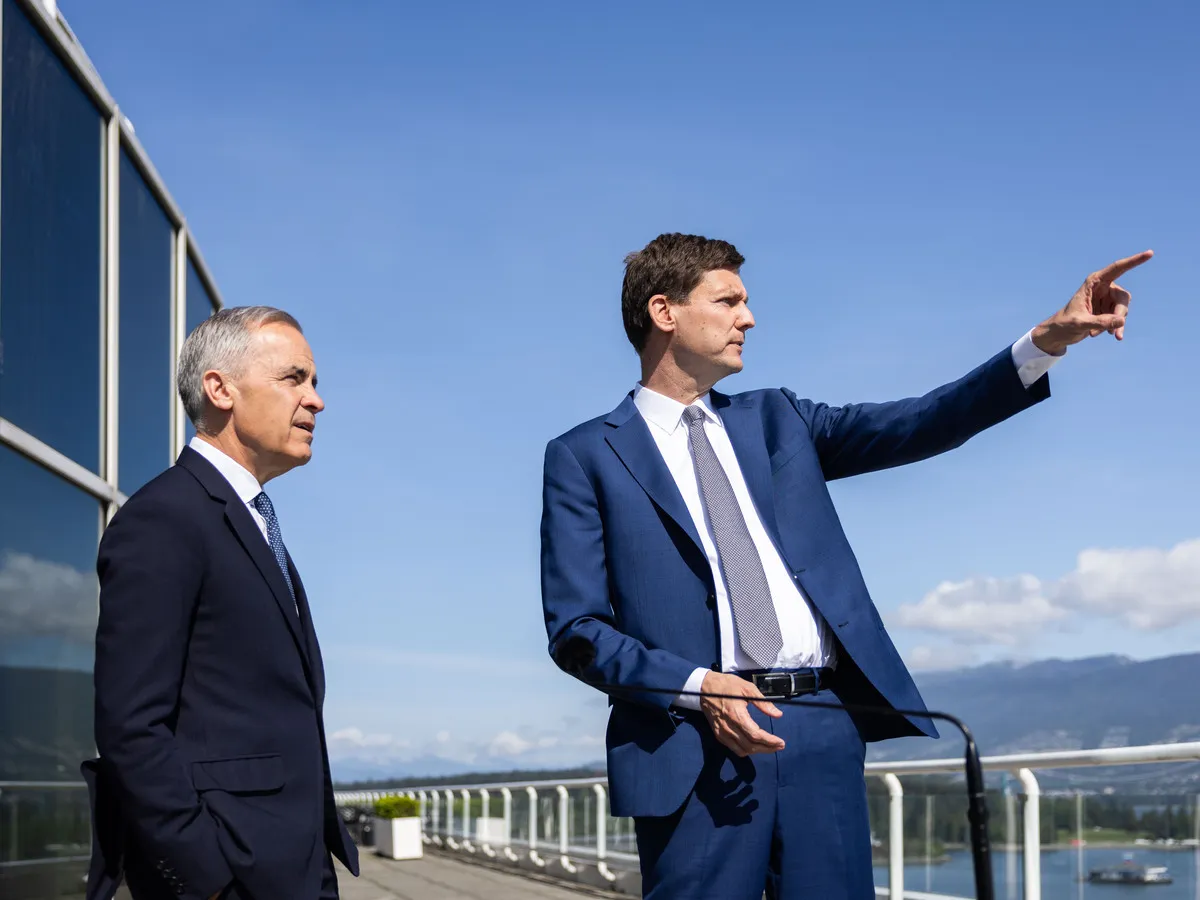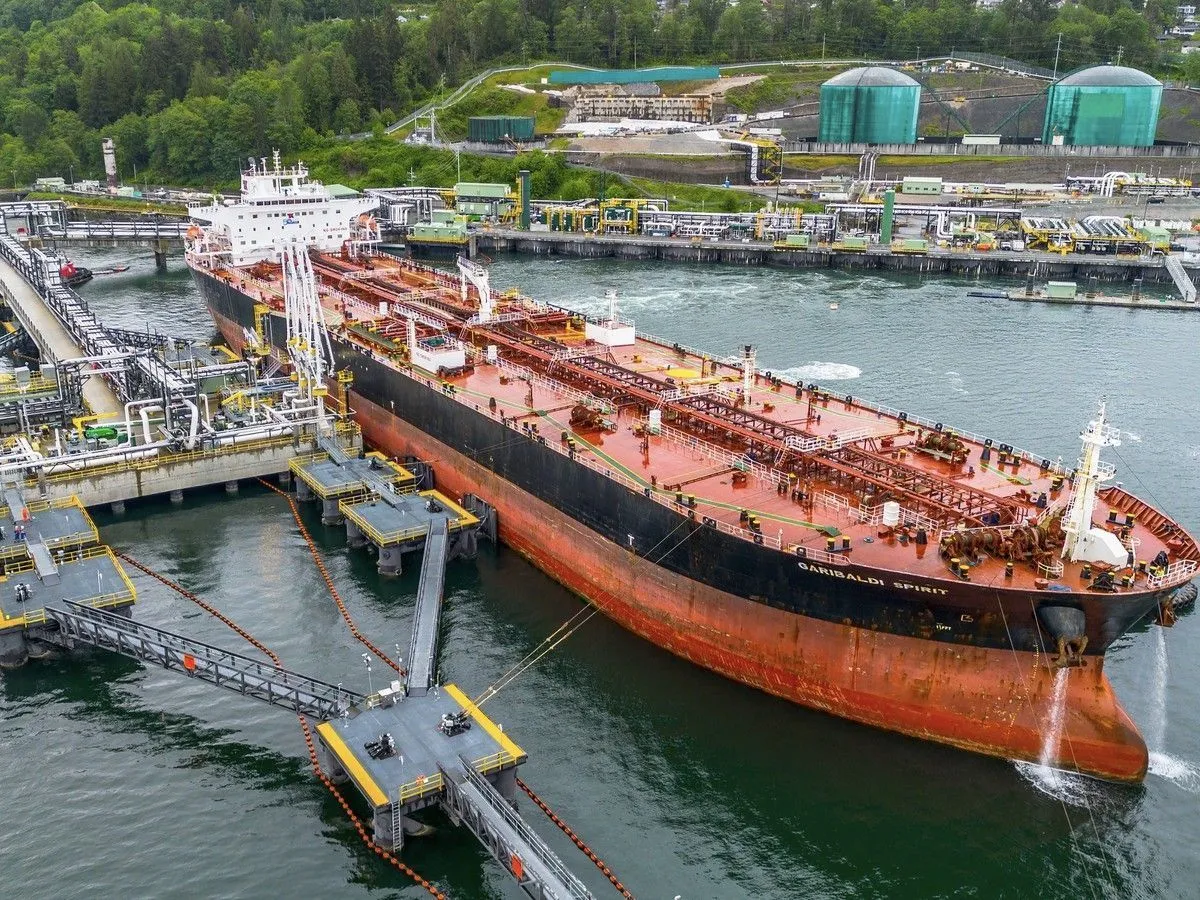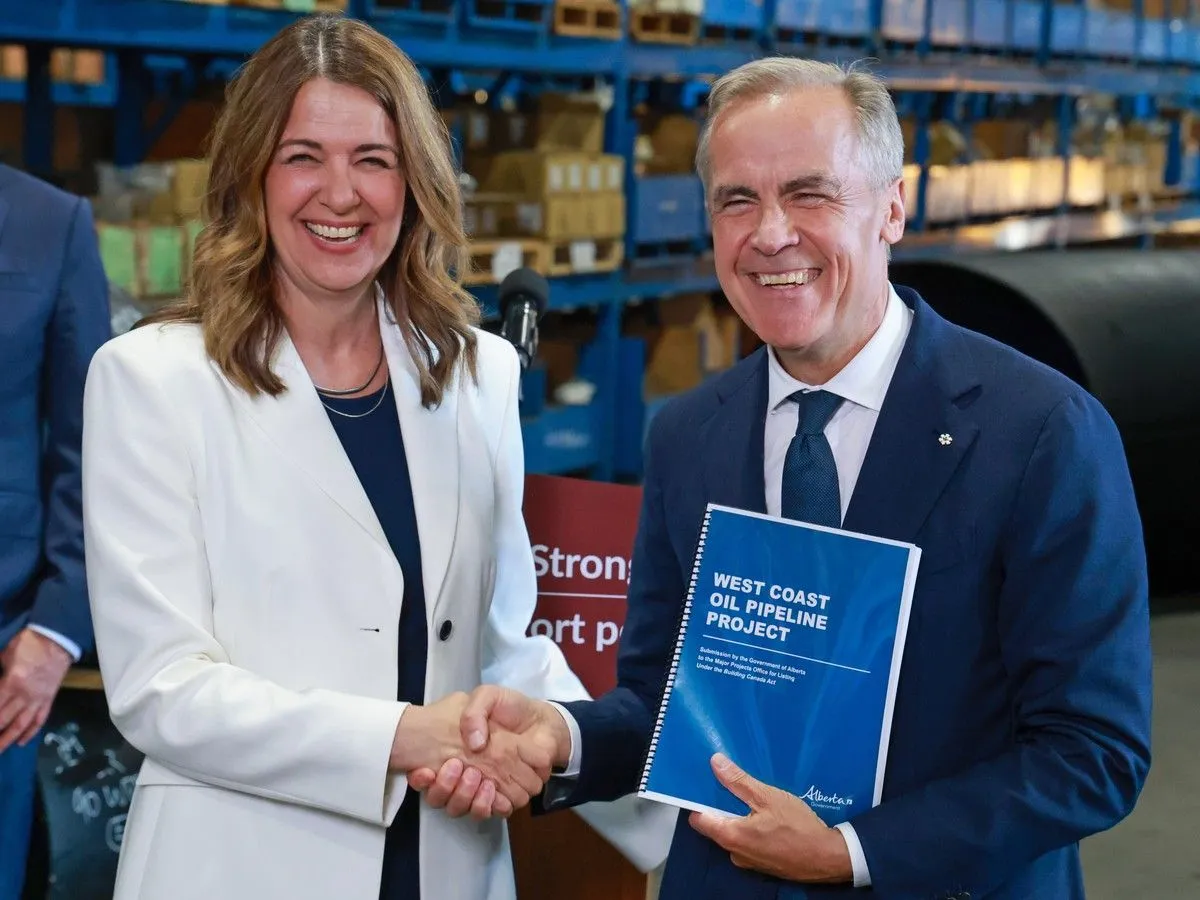
Skip to Content News Archives Economy Energy Oil & Gas Renewables Electric Vehicles Mining Commodities Agriculture Real Estate Mortgages Mortgage Rates Finance Banking Insurance Fintech Cryptocurrency Work Wealth Smart Money Wealth Management Investor Personal Finance Family Finance Retirement Taxes High Net Worth FP Comment Executive Women Puzzmo Newsletters Financial Times Business Essentials More Innovation Information Technology FP500 Podcasts Small Business Lives Told Tails Told Shopping Financial Post Store Obituaries Place a Notice Advertising Advertising With Us Advertising Solutions Postmedia Ad Manager Sponsorship Requests Classifieds Place a Classifieds ad Working Profile Settings My Subscriptions Saved Articles My Offers Newsletters Customer Service FAQ News Economy Energy Mining Real Estate Finance Work Wealth Investor FP Comment Executive Women Puzzmo Newsletters Financial Times Business Essentials HomeFP CommentOpinion: The West Coast tanker ban still defies logicSending a new oil pipeline to B.C.'s south coast saves Mark Carney a political fight but makes little sense economically or scientificallyLast updated 13 minutes ago You can save this article by registering for free here. Or sign-in if you have an account.Today all oil tankers operating in Canada are double-hulled, and are subject to regulatory and industry standards that have drastically reduced the number and volume of oil spills, as well as the harm they do. Photo by Darryl Dyck/BloombergThe governments of Canada and Alberta recently announced they will work together to advance consideration of Alberta’s proposal for a new oil pipeline from Bruderheim, just northeast of Edmonton, to the southwest coast of British Columbia. Intended to be a joint venture among government, industry and Indigenous sponsors, the southern-route pipeline is an alternative to using British Columbia’s northern coast and its much shorter route to Asian markets.Subscribe now to read the latest news in your city and across Canada.Exclusive articles from Barbara Shecter, Joe O'Connor, Gabriel Friedman, and others.Daily content from Financial Times, the world's leading global business publication.Unlimited online access to read articles from Financial Post, National Post and 15 news sites across Canada with one account.National Post ePaper, an electronic replica of the print edition to view on any device, share and comment on.Daily puzzles, including the New York Times Crossword.Subscribe now to read the latest news in your city and across Canada.Exclusive articles from Barbara Shecter, Joe O'Connor, Gabriel Friedman and others.Daily content from Financial Times, the world's leading global business publication.Unlimited online access to read articles from Financial Post, National Post and 15 news sites across Canada with one account.National Post ePaper, an electronic replica of the print edition to view on any device, share and comment on.Daily puzzles, including the New York Times Crossword.Create an account or sign in to continue with your reading experience.Access articles from across Canada with one account.Share your thoughts and join the conversation in the comments.Enjoy additional articles per month.Get email updates from your favourite authors.Create an account or sign in to continue with your reading experience.Access articles from across Canada with one accountShare your thoughts and join the conversation in the commentsEnjoy additional articles per monthGet email updates from your favourite authorsSign In or Create an AccountorThe choice of a southern route was influenced, if not dictated, by federal government actions. Under the authority of the Oil Tanker Moratorium Act passed in 2019, Ottawa legally entrenched a permanent prohibition on oil tankers carrying more than 12,500 metric tons of crude oil from loading, unloading or even stopping at ports along British Columbia’s northern coast. B.C. Premier David Eby insists the ban continue and the Carney government doesn’t want a political battle with him or with members of its own parliamentary caucus.Get the latest headlines, breaking news and columns.By signing up you consent to receive the above newsletter from Postmedia Network Inc.A welcome email is on its way. If you don't see it, please check your junk folder.The next issue of Top Stories will soon be in your inbox.We encountered an issue signing you up. Please try againSo the ban will stay — even though there has never been a scientific rationale for it. Environmentalists and some Indigenous groups claim that moving ships into and out of northern B.C. ports poses an unacceptably high risk of spills that would have lasting environmental and social consequences. But such claims ignore: oil tankers’ essentially stellar safety record worldwide over the past five decades; the actual data on oil spills; comprehensive regulation to prevent and respond to any spills that might occur; and the outsized capacity of the Canadian Coast Guard and industry to deal with them.Arguments for banning tankers rest on fears conditions have not changed since 1989, when there was a large spill from the supertanker Exxon Valdez after it ran aground off the coast of Alaska. More than three decades later, however, conditions are entirely different. Though the global volume of oil moved by tanker has increased 10-fold since the 1970s, the volume of oil spills is down by 95 per cent.The largest spill ever recorded on Canada’s West Coast was caused, not by an oil tanker, but by the sinking of the ferry M/V Queen of the North in 2006. The spill, 240 tonnes, was roughly equal to the volume of two backyard swimming pools, or one ten-thousandth of the oil carried by a supertanker. According to Clear Seas, a Canadian not-for-profit, the current average of vessel traffic offshore of B.C. is 3,186 per year, a total that could rise to about 5,300 vessels per year, even without a new oil pipeline.Canada has one of the world’s most demanding systems for regulating the safety of marine shipping, and especially oil tankers. It governs every aspect of oil spill prevention, preparedness, response and remediation, and is fully aligned with the most demanding international standards, as established by the International Maritime Organization. Today all oil tankers operating in Canada are double-hulled — the Exxon Valdez was not — and are subject to regulatory requirements and industry standards that have drastically reduced the number and volume of oil spills, as well as the harm they do.The regulatory regime requires that Canadian industry and government bodies have the capacity to monitor, detect and quickly clean up oil spills of up to 10,000 tonnes, even though spills of that size have occurred only once in our history (in 1971) and never on the West Coast. In fact, the Western Canada Marine Response Corporation, an industry-funded organization, has a clean-up capacity of about 20,000 tonnes, double that in other coastal areas of Canada. And that doesn’t count the resources of the Canadian Coast Guard, the main federal government response organization.The only comprehensive analysis of the risks of a northern B.C. oil pipeline and port was done for the never-completed Enbridge Northern Gateway project by Det Norske Veritas, an international certification body. It examined the potential for any marine incident that might involve a spill. Much of the analysis was cast in terms of the expected frequency of future spills. With Enbridge’s proposed mitigation measures, the frequency of a small spill at the Kitimat terminal was once every 77 years, of a medium spill once every 290 years, and of a spill exceeding 20,000 cubic metres (17,000 tonnes) once every 2,800 years.Alberta’s pipeline proposal involves expanding the Roberts Bank Terminal 2 project near Vancouver and anticipates measures that would allow for frequent and larger tankers. More ships would pass by the San Juan Islands and Olympic peninsula as they head out to sea from Vancouver. Although the numbers would increase, they would remain far below the number of vessels seen by ports in the U.S. Gulf Coast, Singapore or the Middle East. Even so, environmental groups have warned that any increase poses risks to the ecosystem. Prime Minister Mark Carney may have thought a southern route for the pipeline would let him finesse the debate about the tanker ban. But instead of ending the debate, the new proposal may simply have moved it south.Robert Lyman, former director general for environmental affairs at Transport Canada, is a retired energy economist. Join the Conversation This website uses cookies to personalize your content (including ads), and allows us to analyze our traffic. Read more about cookies here. By continuing to use our site, you agree to our Terms of Use and Privacy Policy.
Opinion: The West Coast tanker ban still defies logic
Sending a new oil pipeline to B.C.'s south coast saves Carney a political fight but makes no sense economically or scientifically. Read on
1,365 words~6 min read