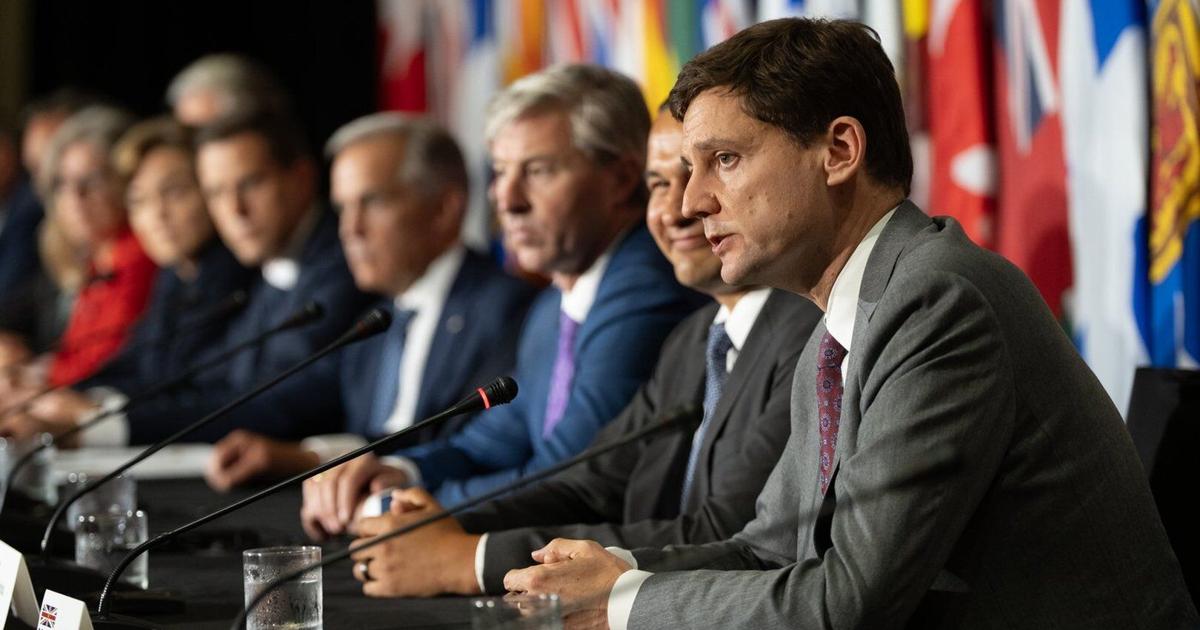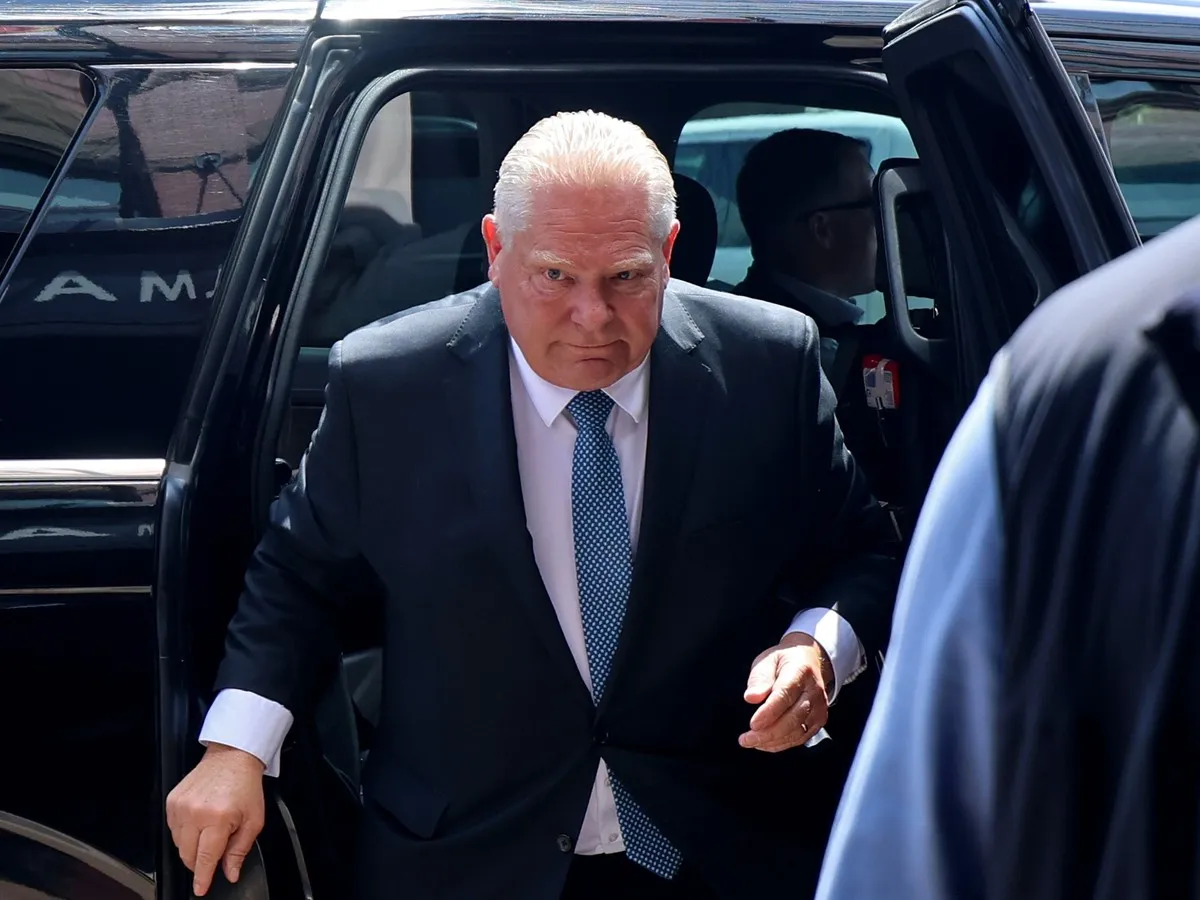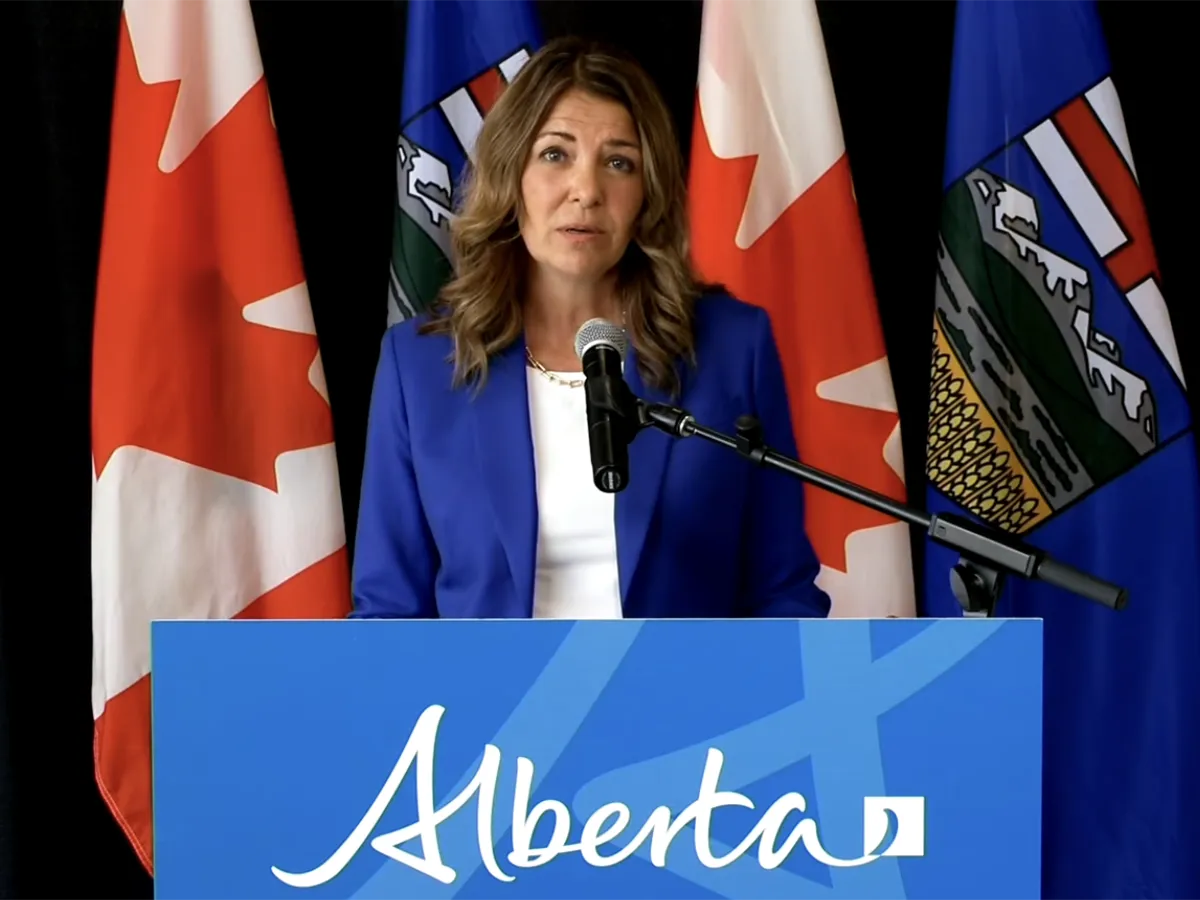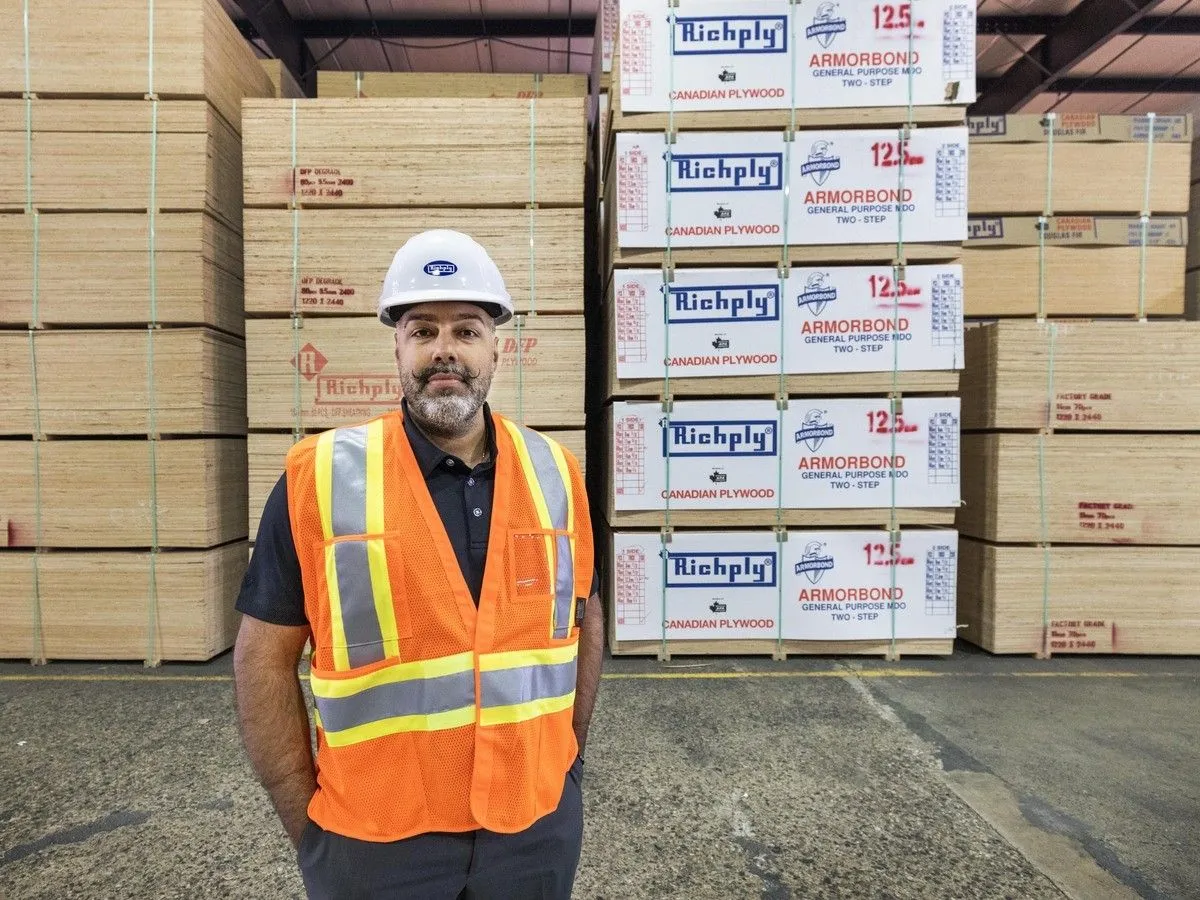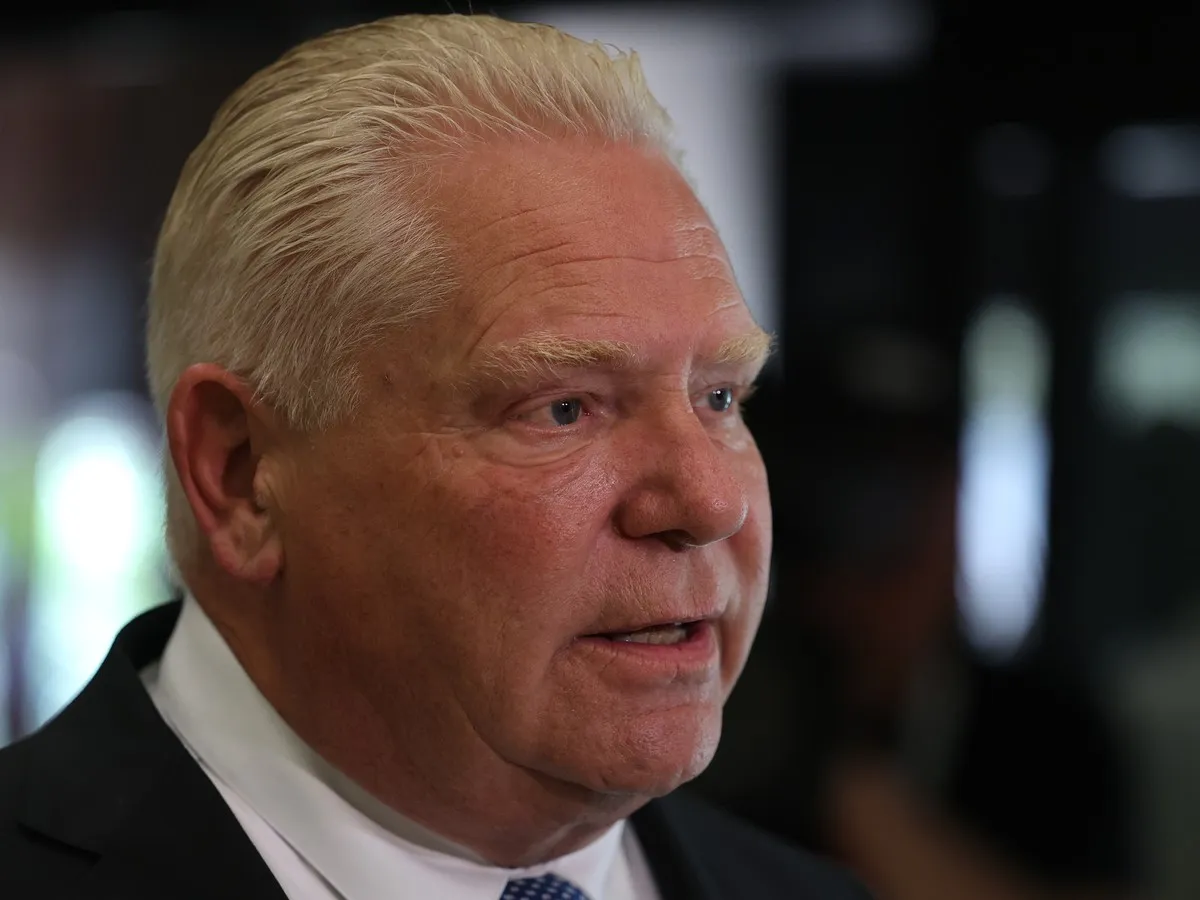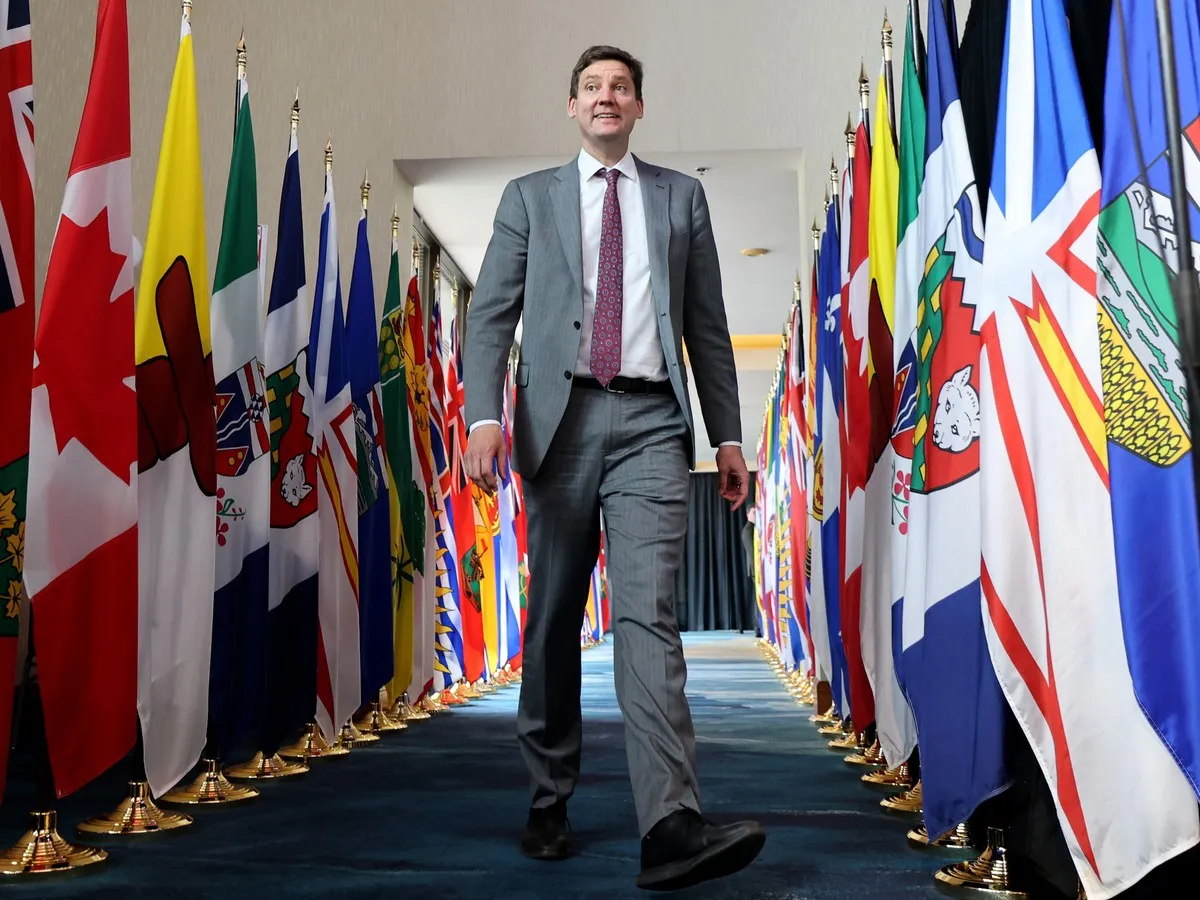
Skip to Content Subscribe Our Offers My Account Manage My Subscriptions FAQ Newsletters Canada Canadian True Crime Canadian Politics Health World Israel & Middle East Financial Post NP Comment Longreads Puzzmo Diversions Comics NP News Quiz New York Times Crossword Horoscopes Life Eating & Drinking Style Sponsored Play for Ontario Travel Travel Canada Travel USA Travel International Cruises Travel Essentials Culture Books Celebrity Movies Music Theatre Television Business Essentials Advice Lives Told Tails Told Shopping Buy Canadian Home Living Outdoor Living Kitchen & Dining Tech Style & Beauty Personal Care Entertainment & Hobbies Gift Guide Travel Guide Amazon Prime Day Deals Savings National Post Store More Sports Hockey Baseball Basketball Football Soccer Golf Tennis Driving Vehicle Research Reviews News Gear Guide Obituaries Place an Obituary Place an In Memoriam Classifieds Place an Ad Celebrations Working Business Ads Archives Healthing Epaper Manage Print Subscription Profile Settings My Subscriptions Saved Articles My Offers Newsletters Customer Service FAQ Newsletters Canada World Financial Post NP Comment Longreads Puzzmo Diversions Life Shopping Epaper Manage Print Subscription HomeNewsCanadaCanadian PoliticsB.C. premier calls for blocking critical mineral exports to U.S. over lumber tariffsDavid Eby said at the first ministers meeting in Charlottetown that it was 'inexplicable' for the U.S. to destabilize Canadian export industriesLast updated 16 minutes ago You can save this article by registering for free here. Or sign-in if you have an account.British Columbia Premier David Eby arrives for a First Ministers meeting in Charlottetown, PEI Thursday July 23, 2026. Photo by TIM KROCHAKOTTAWA — B.C.’s premier argued Wednesday for blocking the U.S. from accessing Canada’s critical mineral supply in response to tariffs on his province’s lumber exports and other sectors.Enjoy the latest local, national and international news.Exclusive articles by Conrad Black, Barbara Kay and others. Plus, special edition NP Platformed and First Reading newsletters and virtual events.Unlimited online access to National Post.National Post ePaper, an electronic replica of the print edition to view on any device, share and comment on.Daily puzzles including the New York Times Crossword.Support local journalism.Enjoy the latest local, national and international news.Exclusive articles by Conrad Black, Barbara Kay and others. Plus, special edition NP Platformed and First Reading newsletters and virtual events.Unlimited online access to National Post.National Post ePaper, an electronic replica of the print edition to view on any device, share and comment on.Daily puzzles including the New York Times Crossword.Support local journalism.Create an account or sign in to continue with your reading experience.Access articles from across Canada with one account.Share your thoughts and join the conversation in the comments.Enjoy additional articles per month.Get email updates from your favourite authors.Create an account or sign in to continue with your reading experience.Access articles from across Canada with one accountShare your thoughts and join the conversation in the commentsEnjoy additional articles per monthGet email updates from your favourite authorsSign In or Create an AccountorB.C. Premier David Eby said at the first ministers meeting in Charlottetown that it was “inexplicable” for the U.S. to destabilize Canadian export industries, including forestry, while trying to gain greater access to Canada’s mineral wealth.“We can’t have a country, on one hand, attacking one group of families and workers, while hoping to have access to the resources in Canada that the rest of the world wants,” said Eby.He pointed to the U.S. ambassador to Canada, Pete Hoekstra, regularly meeting with top Canadian mining executives and calling for co-operation while the White House continued to crank up economic pressure on other industries.Eby’s comments come after the Trump administration announced a new wave of 50 per cent tariffs on a range of targeted Canadian goods, starting Aug. 19. The White House said the tariffs were in response to Canadian trade actions, including provinces boycotting U.S. alcohol, Canadian tariffs on U.S. autos, and restrictions on dairy imports. Nova Scotia Premier Tim Houston, Yukon Premier Currie Dixon, Alberta Premier Danielle Smith and BC Premier David Eby, share al ight moment before a First Ministers meeting in Charlottetown, PEI Thursday July 23, 2026.TIM KROCHAK PHOTOThe list of newly targeted goods includes several forestry products made in B.C., including wooden furniture and tableware.Analysts say the new tariffs are expected to hit Ontario, Quebec and B.C. the hardest, while leaving Alberta and Saskatchewan relatively unscathed. The latter two provinces have not been boycotting American alcohol. But Eby has said there’s “not a chance in hell” his province will put U.S. booze back on the shelf.According to one estimate, 13.7 per cent of B.C. exports will be affected by the tariff, the highest proportion of any province in Canada.Eby strongly suggested he was willing to leverage B.C.’s critical minerals as part of a national response to the newly announced tariffs. Several provinces have mines or projects for critical minerals, including B.C., Alberta, Saskatchewan, Manitoba, Ontario and Quebec.“If the prime minister calls British Columbia and says he needs support with some big sticks to have conversations at the table, then we’ll be there,” said Eby.Ontario Premier Doug Ford suggested Tuesday that Canada block exports to the U.S. of oil and potash, a vital agricultural mineral used in fertilizer, in response to the new tariff threat. The idea was quickly shut down by Saskatchewan Premier Scott Moe, whose province is the country’s sole producer of potash. Ontario Premier Doug Ford arrives for a meeting at a Charlottetown Hotel during Canada’s Premiers 2026 in Charlottetown, PEI Tuesday July 21, 2026. Photo by TIM KROCHAKHeather Exner-Pirot, director of energy research at the Macdonald-Laurier Institute, said that threatening U.S. access to Canadian minerals would be a dangerous escalation of trade conflict, given the importance of minerals in high-tech applications, including defence. China is currently dominant in global critical mineral supplies.“Cutting off minerals is in a totally different universe of implications than taking booze off the shelves. One is a protest, the other is an act of war,” she said.Exner-Pirot said that, given the prevailing geopolitical instability, Canada should be leaning into its hard-won reputation as a reliable and trustworthy trade partner. She added that Canada plays an especially vital role in critical mineral supply chains.Prime Minister Mark Carney traveled to Charlottetown on Wednesday for the conclusion of the first ministers’ meeting.Carney said in his opening remarks that he’d do “whatever it takes” to defend the Canadian economy from U.S. aggression.The prime minister is expected to speak with reporters in Charlottetown at 2:30 p.m. ET. Canadian Prime Minister Mark Carney, shakes hands with Saskatchewan Premier Scott Moe as he arrived for a First Ministers meeting in Charlottetown, PEI Thursday July 23, 2026. Looking on is RJ Simpson, Premier of the Northwest Territories.TIM KROCHAK PHOTONational Post rmohamed@postmedia.comOur website is the place for the latest breaking news, exclusive scoops, longreads and provocative commentary. Please bookmark nationalpost.com and sign up for our daily newsletter, Posted, here. Join the Conversation This website uses cookies to personalize your content (including ads), and allows us to analyze our traffic. Read more about cookies here. By continuing to use our site, you agree to our Terms of Use and Privacy Policy.
B.C. premier calls for blocking critical mineral exports to U.S. over lumber tariffs
David Eby said at the first ministers meeting in Charlottetown that it was “inexplicable” for US to destabilize Canadian export industries.
1,162 words~5 min read