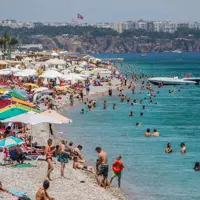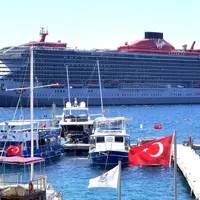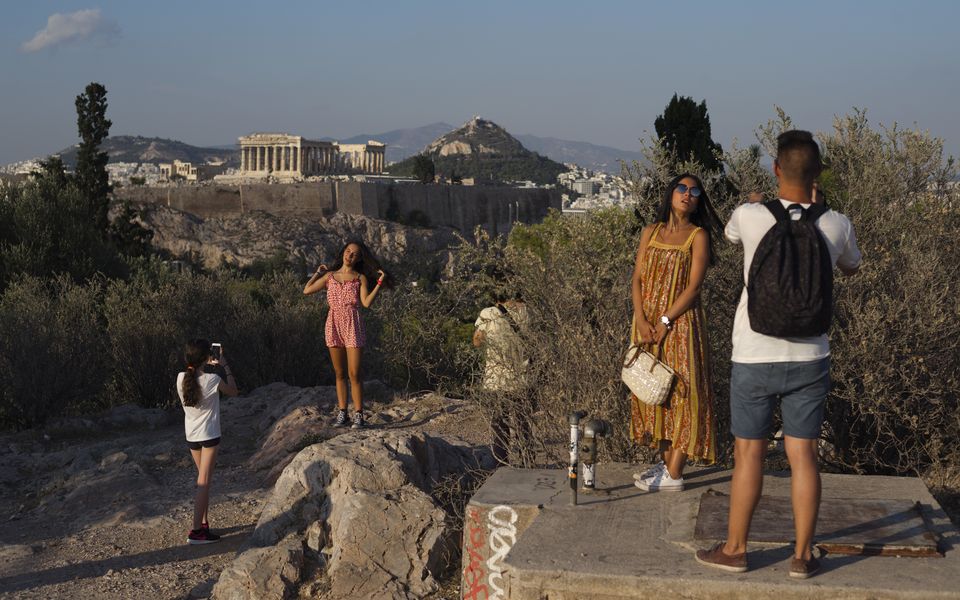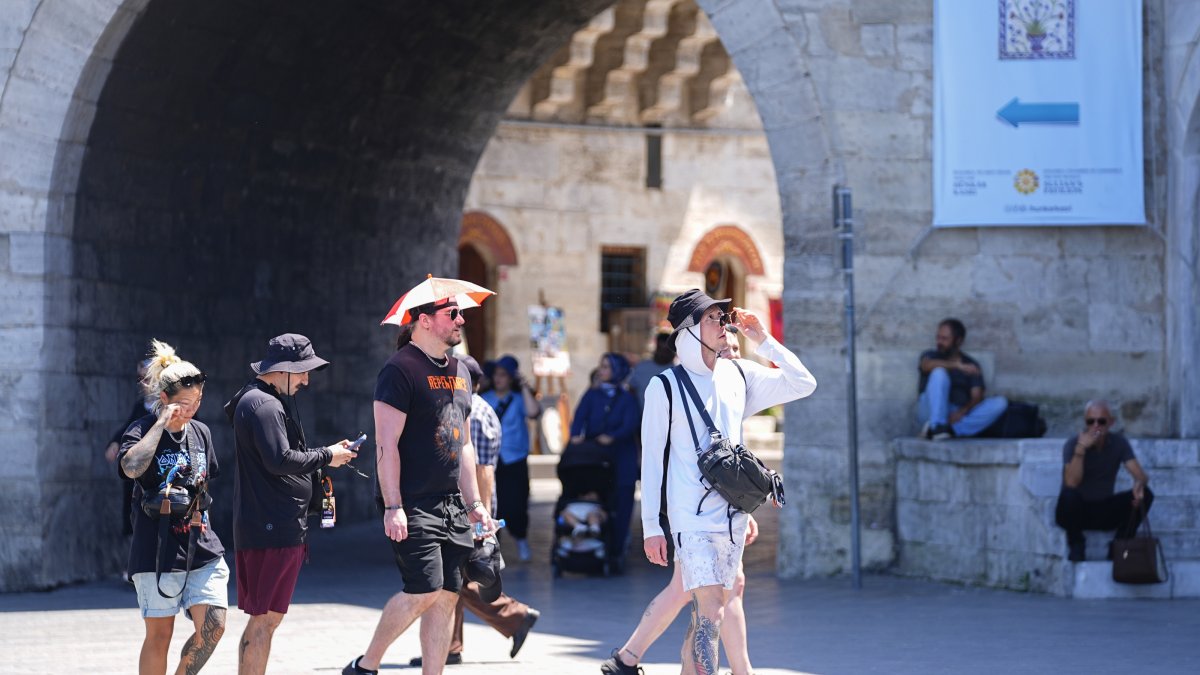
Tourism figures in Türkiye last year were strong enough to start an argument. More than 62 million visitors arrived, bringing in almost $61 billion in tourism revenue. A journalist friend of mine immediately credited advertising. Some of my friends from the business world preferred to talk about prices, capacity and demand. Another, who had spent years around foreign policy, looked at the same numbers, shrugged and simply said, "Diplomacy."
What stayed with me afterwards was not the disagreement itself. It was how little diplomacy featured in the discussion after that.
Tourism and foreign policy usually live in different parts of the newspaper. One belongs in the business section, the other somewhere near international affairs. In practice, they meet far more often than we admit. Governments announce new partnerships or speak about improving relations.
Most people do not read diplomatic communiques before booking a holiday. They react to things much simpler, like headlines, delays and television footage. A destination starts to feel calm or unsettled, fairly or unfairly, and bookings begin moving before foreign ministries have finished explaining what has happened.
For example, after Türkiye shot down a Russian military aircraft near the Syrian border in November 2015, Russian arrivals did not taper off over time. They collapsed, from roughly 3.65 million in 2015 to fewer than 900,000 the following year. In Antalya, hotel managers or restaurant owners were not interested in military procedure. They were staring at cancellations and wondering what July might look like if the dispute dragged on.