July 22nd, 2026
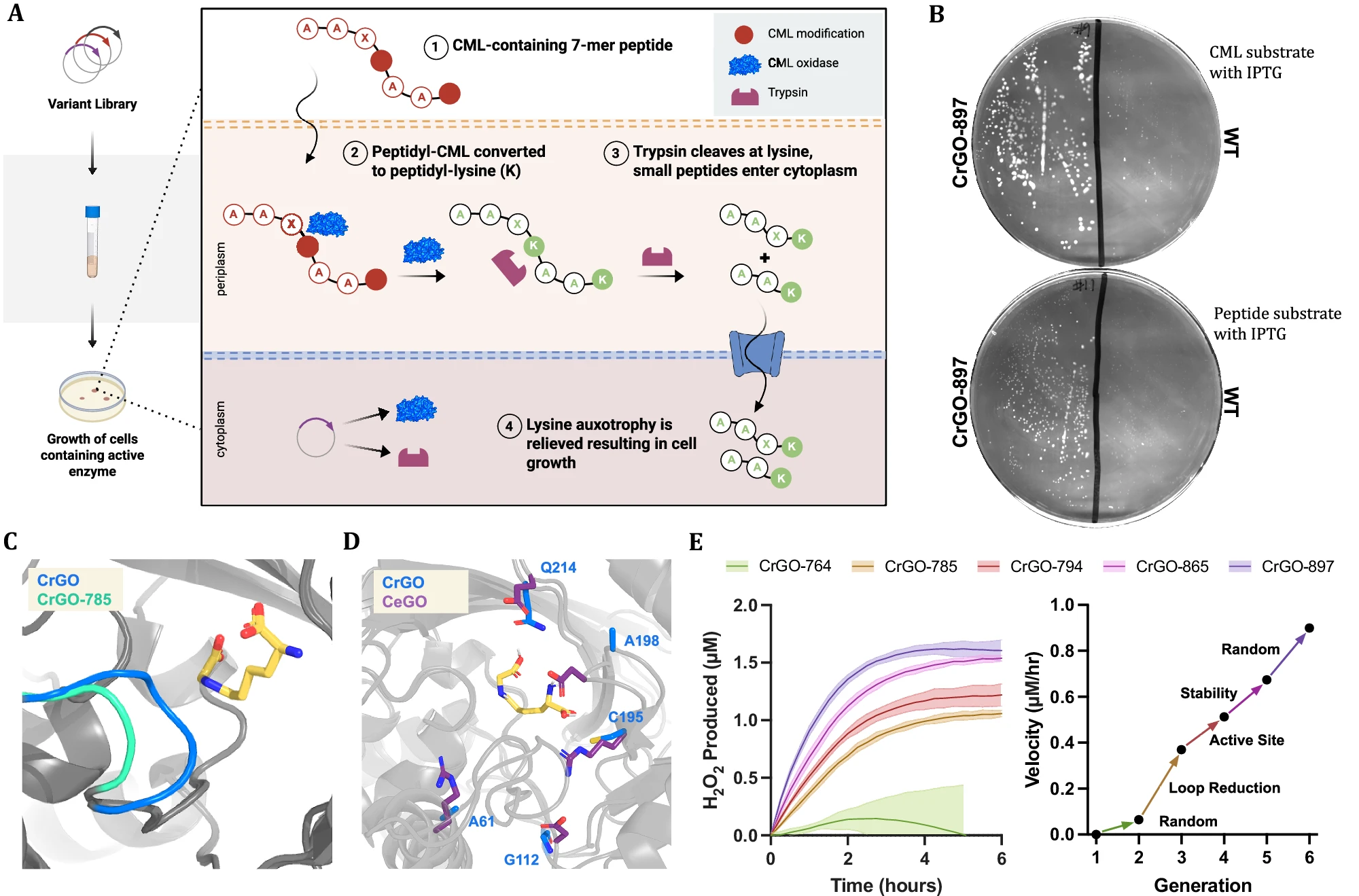
Advanced glycation endproducts (AGEs) are a broad class of sugar-modified molecules that have harmful effects in the body. They are involved in generating the chronic inflammation characteristic of the abnormal metabolism of obesity and diabetes, but more persistent AGEs generate cross-links between molecules in the extracellular matrix, impairing tissue properties such as elasticity. Revel Pharmaceuticals was founded to develop early candidate enzymes to break down glucosepane cross-links in the extracellular matrix, but has since focused instead on CML, a different AGE. There remains some debate over which of the better studied forms of AGE are in fact important in aging versus important in diabetes, and that seems unlikely to be settled absent means of breaking down and clearing these unwanted metabolic byproducts. To that end, the Revel researchers here report on their development of an enzyme to break down CML AGEs.
The accumulation of advanced glycation end products (AGEs) in long-lived proteins is a hallmark of mammalian aging and implicated as a driver of metabolic dysfunction. Among these adducts, Nε-carboxymethyl-lysine (CML) is particularly abundant in aging tissues, where it modifies proteins and acts as a ligand for the receptor for advanced glycation end products (RAGE), thereby perpetuating chronic inflammation and oxidative stress. While endogenous detoxification systems exist for reactive precursors, the stable CML adduct has historically been considered irreversible.