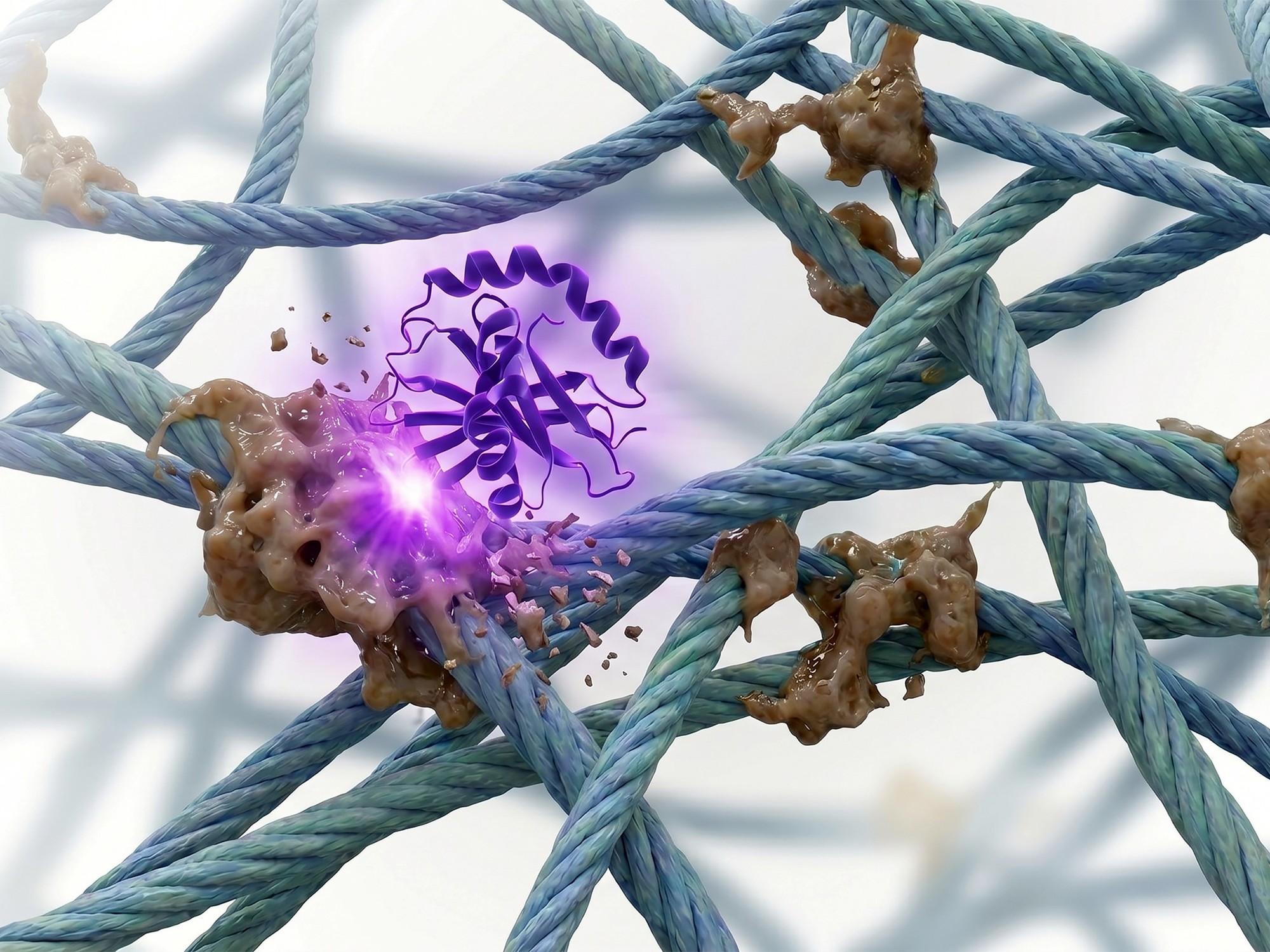
With human bodies being bags of mostly salty water and countless messy biochemical processes, it’s little wonder that over time some residues tend to collect in these systems. Although evolution has seen fit to also evolve a range of mechanisms to clean up many of those messes, some of these waste products are left to gather, such as advanced glycation end-products (AGEs). Implicated in everything from diabetes to chronic kidney disease and general aging-related conditions, recently researchers have developed a way to break down one type of these AGEs.
Called N(6)-Carboxymethyllysine (CML), there is evidence to suggest that the presence of AGEs like it in the extracellular matrix (ECM) has damaging effects on the ECM’s functioning, as observed in e.g. the inhibiting of collagen crosslinking and the resulting ‘aging’ of skin among other tissues. Essentially these waste product jam up the normal biochemical machinery, while also triggering pro-inflammatory factors.
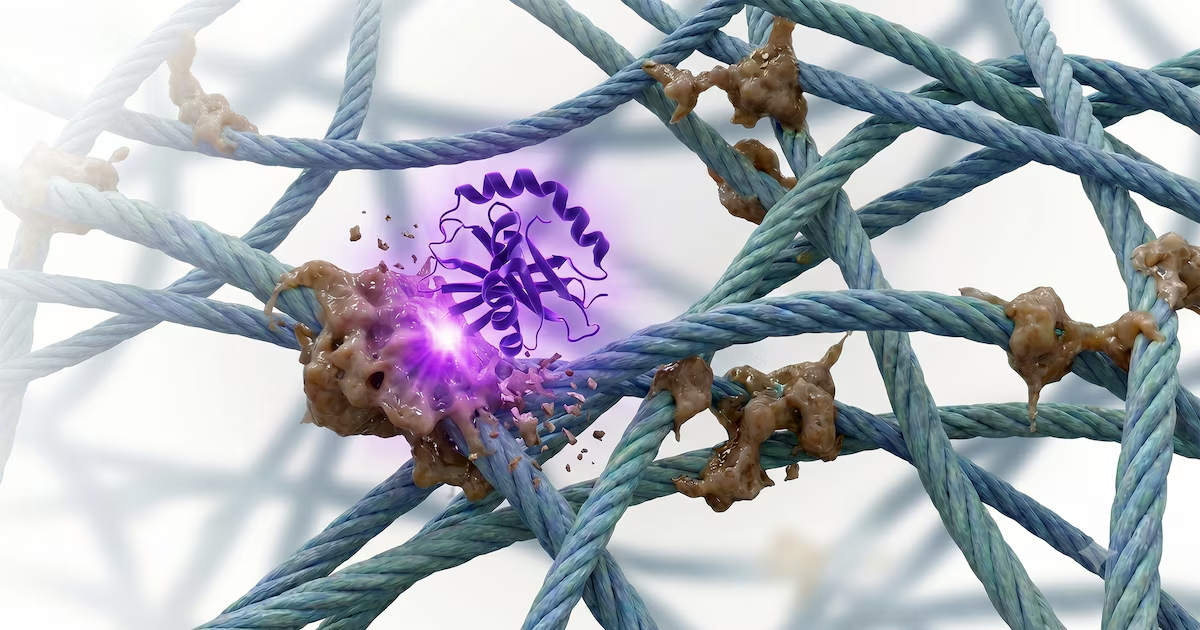
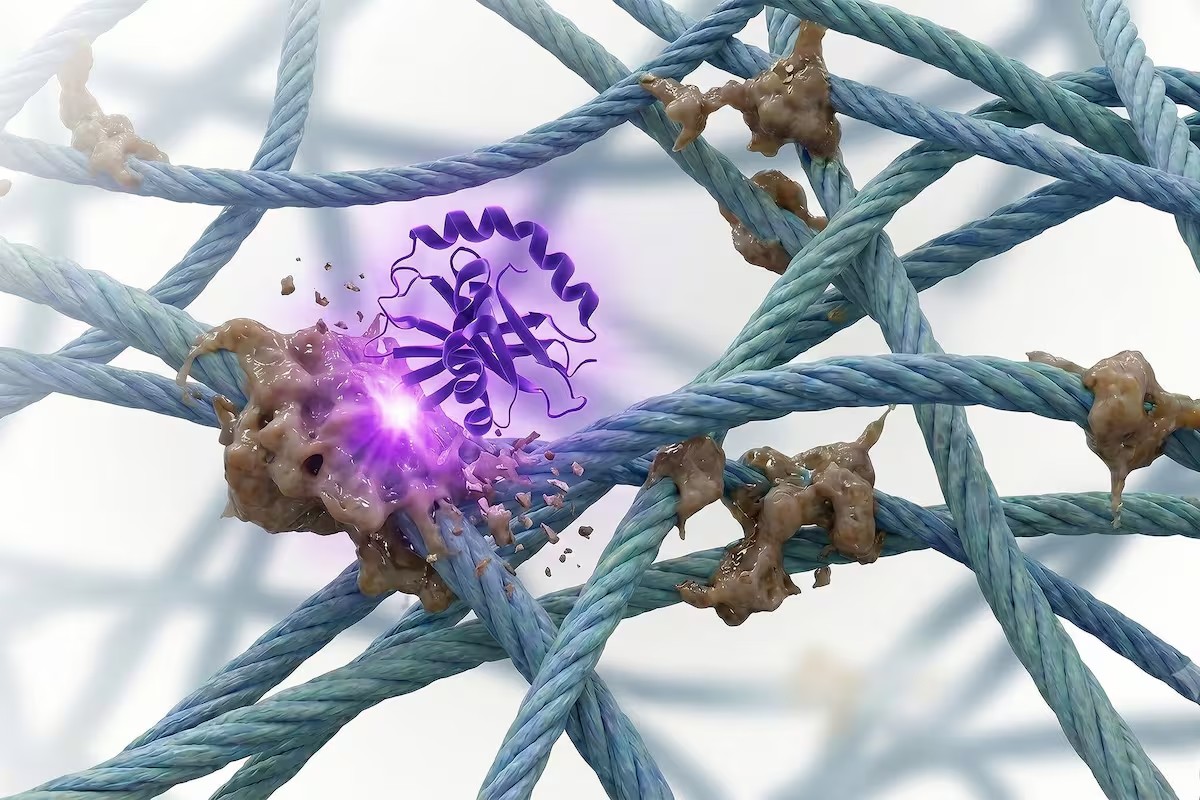
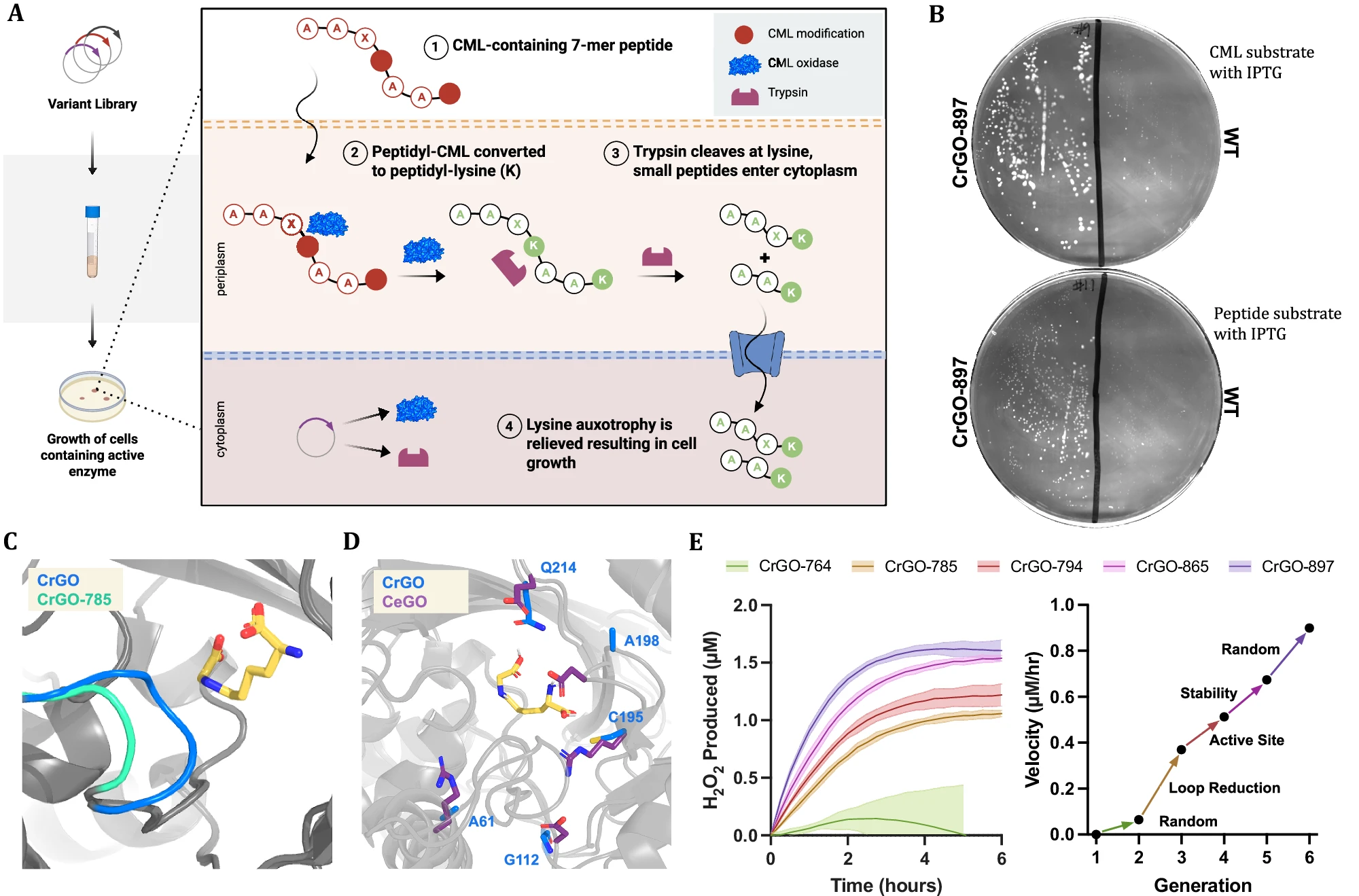
Beyond aging-related conditions, this can result in a whole range of other diseases that may be resolved if these waste products could be cleaned out. To this end [Narisa Trabosh] et al. of the San Francisco-based Revel Pharmaceuticals laboratory created CMLase, an enzyme that breaks down CML.