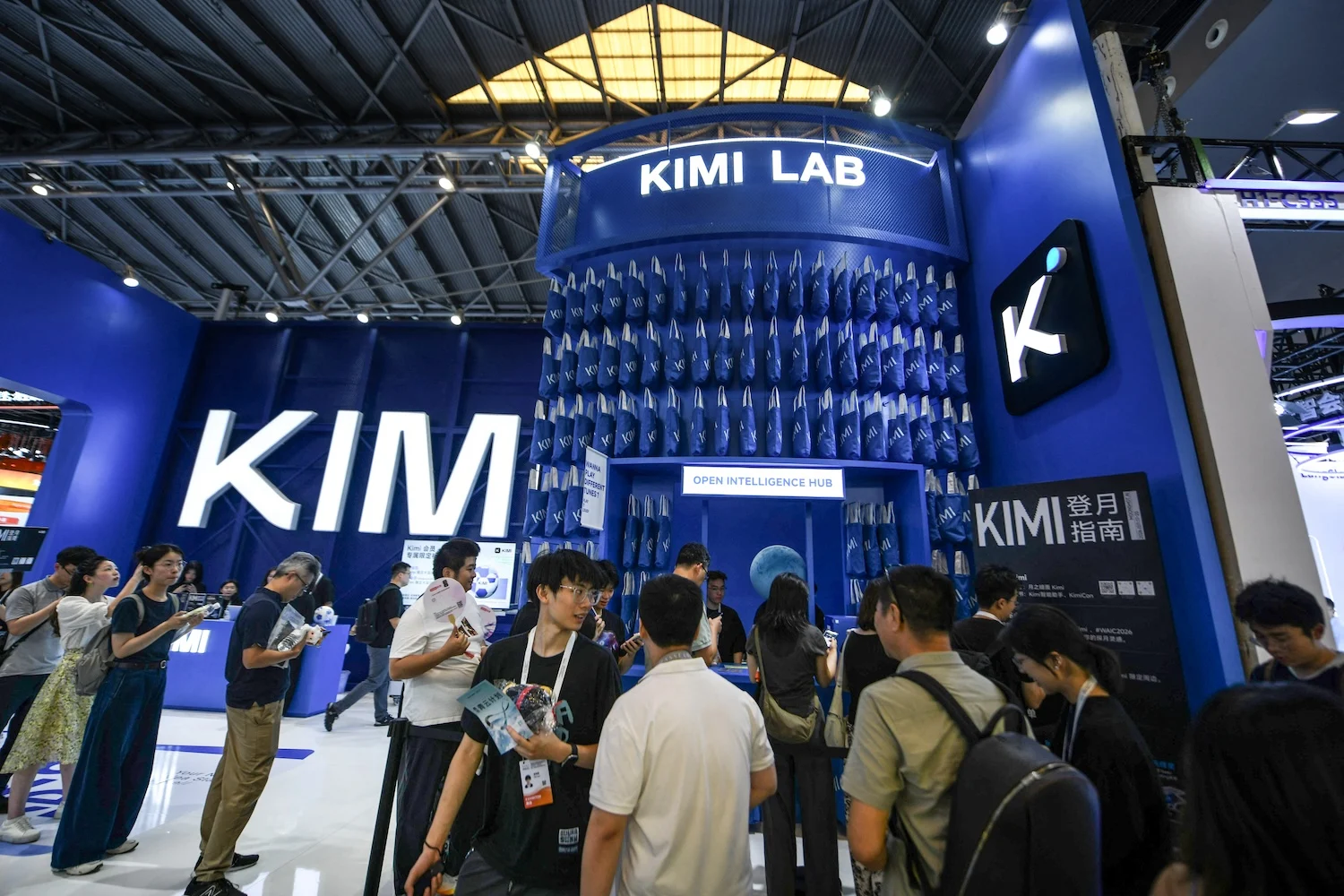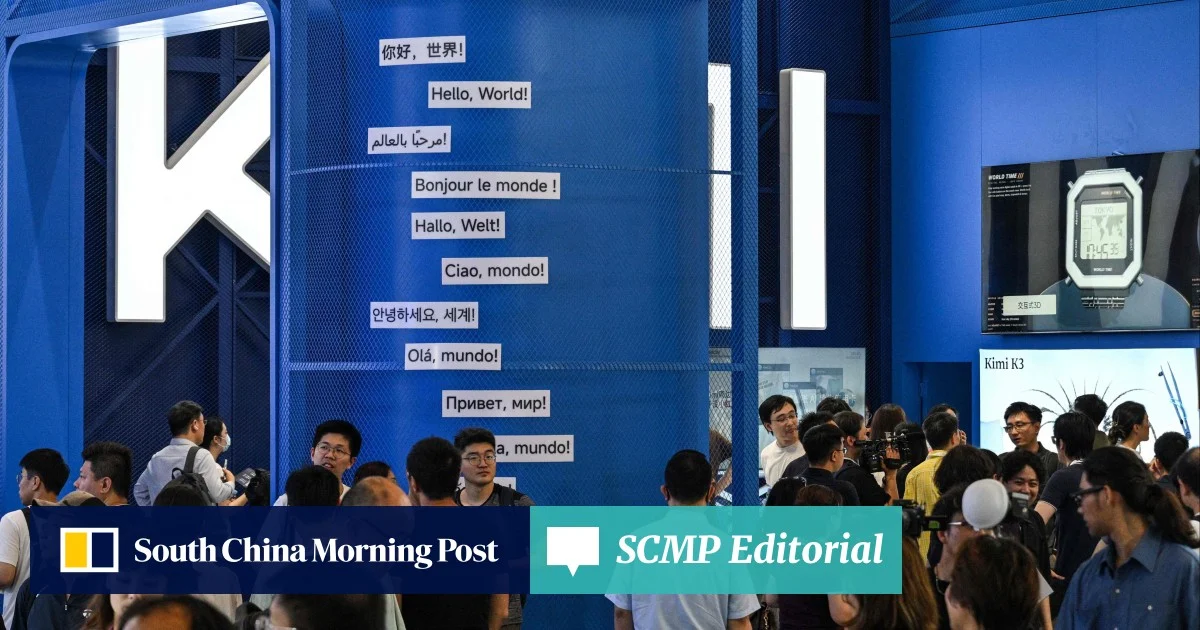
The United States and China are engaged in a technological and economic arms race for leadership in the development of artificial intelligence. It is a contest the U.S. must win to preserve its economic leadership over China and ensure national security.Last week, the Chinese AI company Moonshot introduced Kimi K3, a frontier AI model. The announcement was another wake-up call for American AI companies, especially Anthropic, OpenAI, and the hyperscalers. China is a formidable competitor in artificial intelligence and technology more broadly. But China is just getting started. This week, for example, Chinese media reported that Moonshot plans to launch an initial public offering in Hong Kong. The company intends to raise about $3 billion, a modest amount compared with SpaceX’s June IPO, in which America’s deep and highly liquid capital markets enabled Elon Musk’s company to raise $86 billion. Importantly, more than half of the proceeds are expected to be used to expand SpaceX’s artificial intelligence capabilities. Media reports indicate that SpaceX will spend up to $50 billion on Nvidia’s newest accelerated computing platform, Vera Rubin.In addition, both Anthropic and OpenAI are expected to enter the public equity markets before the end of the year through their own initial public offerings. Each company is expected to raise between $30 billion and $80 billion. Maintaining leadership in artificial intelligence is expensive. Chinese AI companies often develop their models by “distilling” knowledge from American models. In effect, China copies, adapts, and builds upon U.S. AI technology. America leads, and China follows.
America's capital markets offer the key AI advantage over China
The U.S. capital investment market pool gives American innovators a major advantage over their Chinese counterparts when it comes to AI.
726 words~3 min read