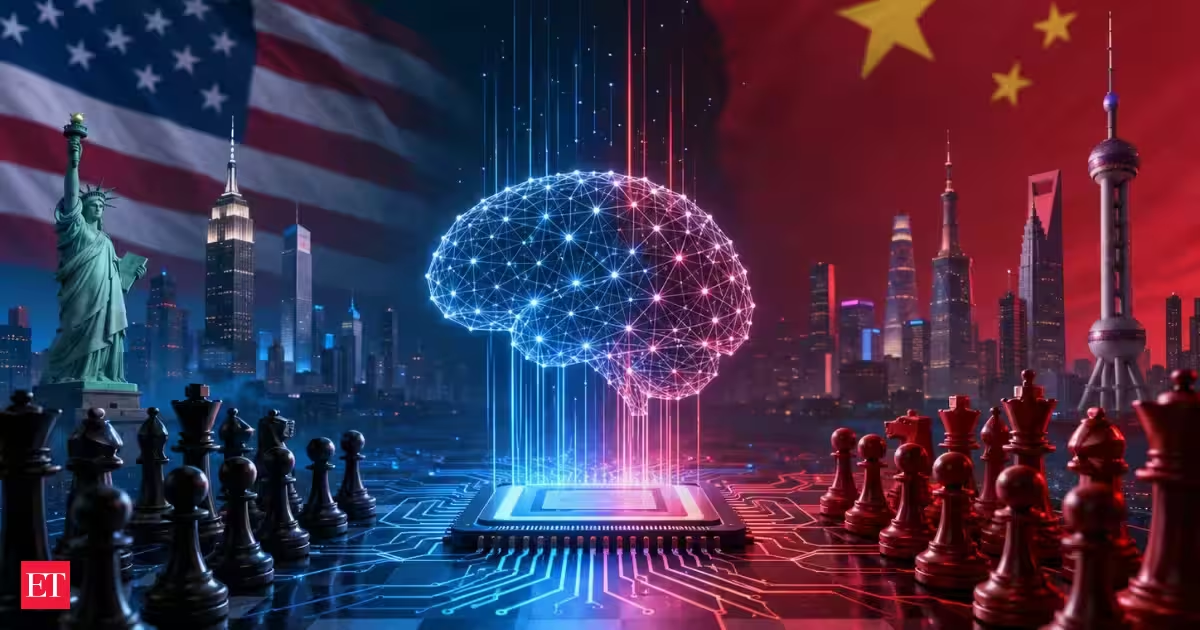
China just fired another shot in the most important technological competition of the 21st century – and Washington should pay attention.
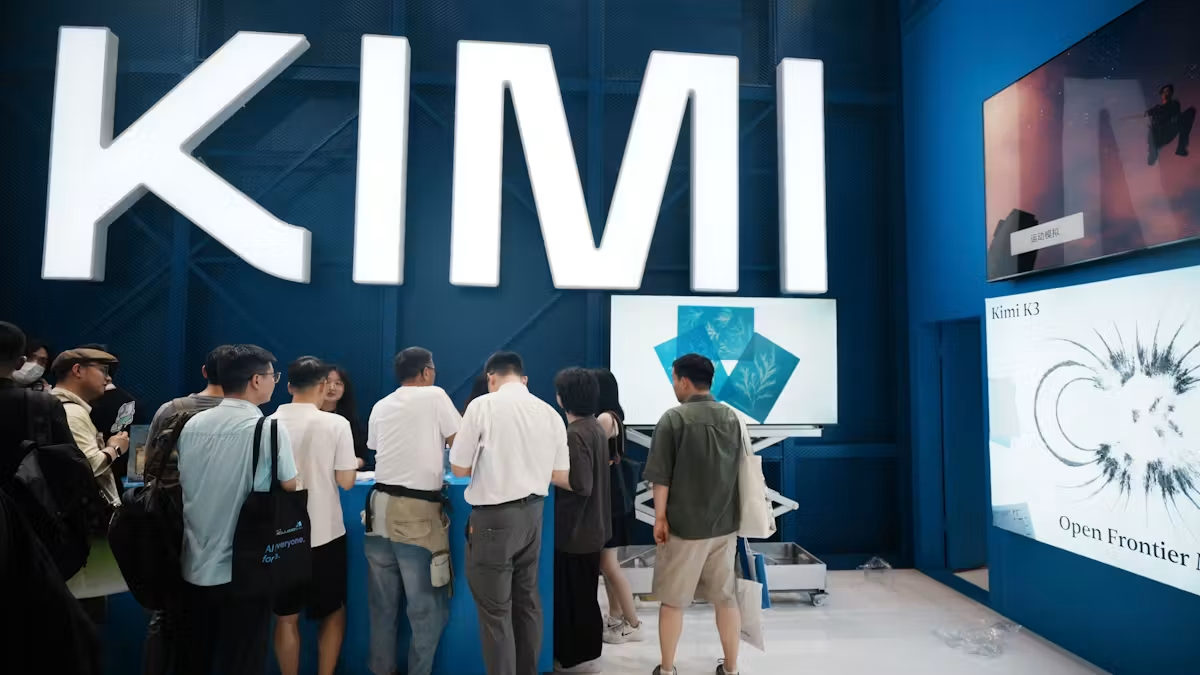
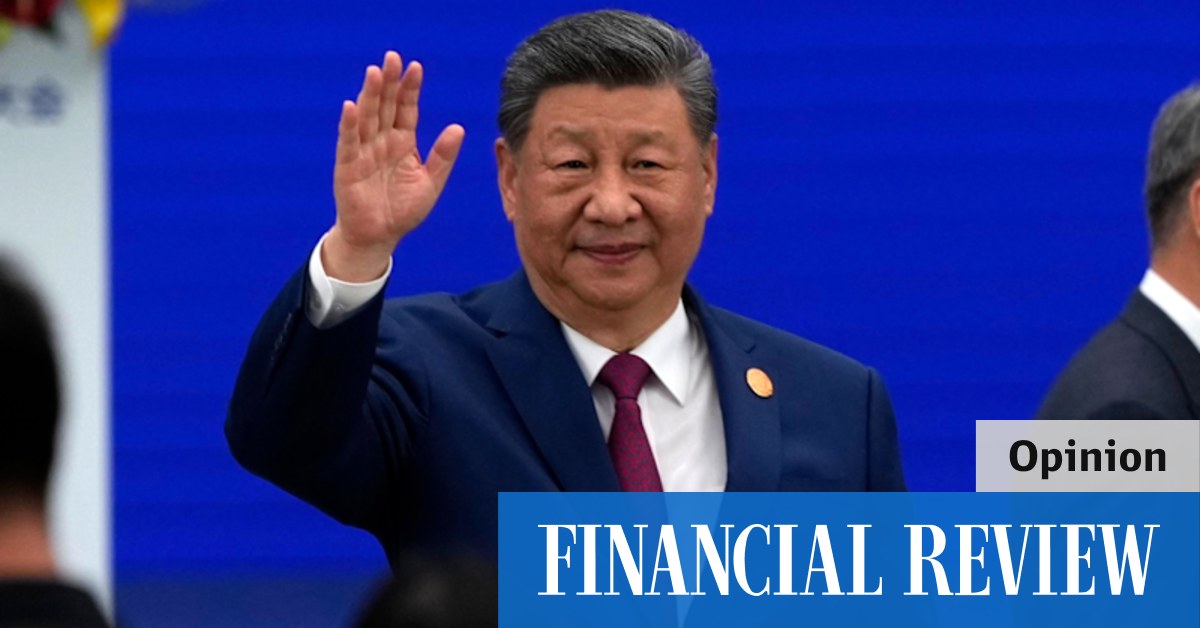
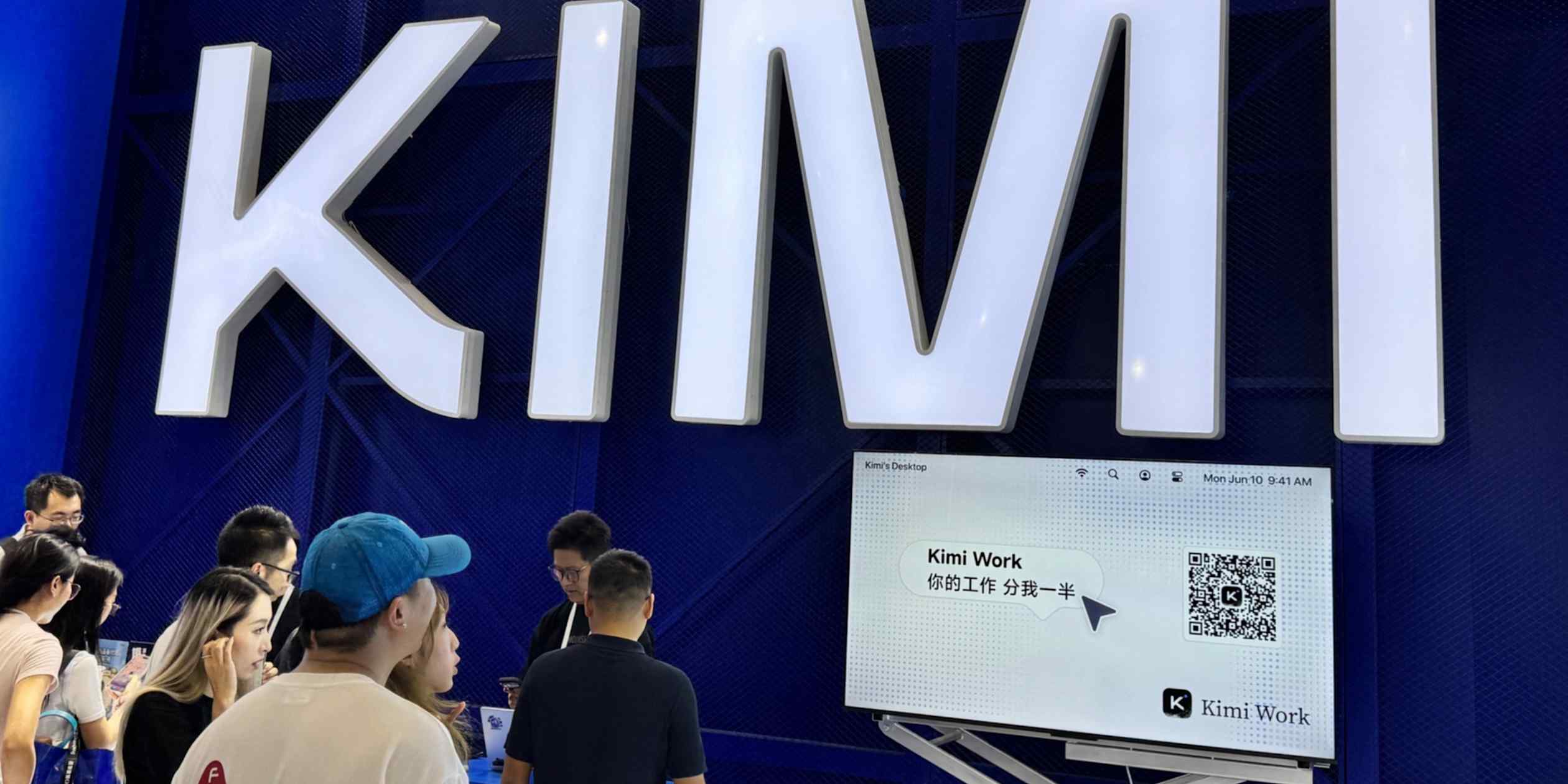
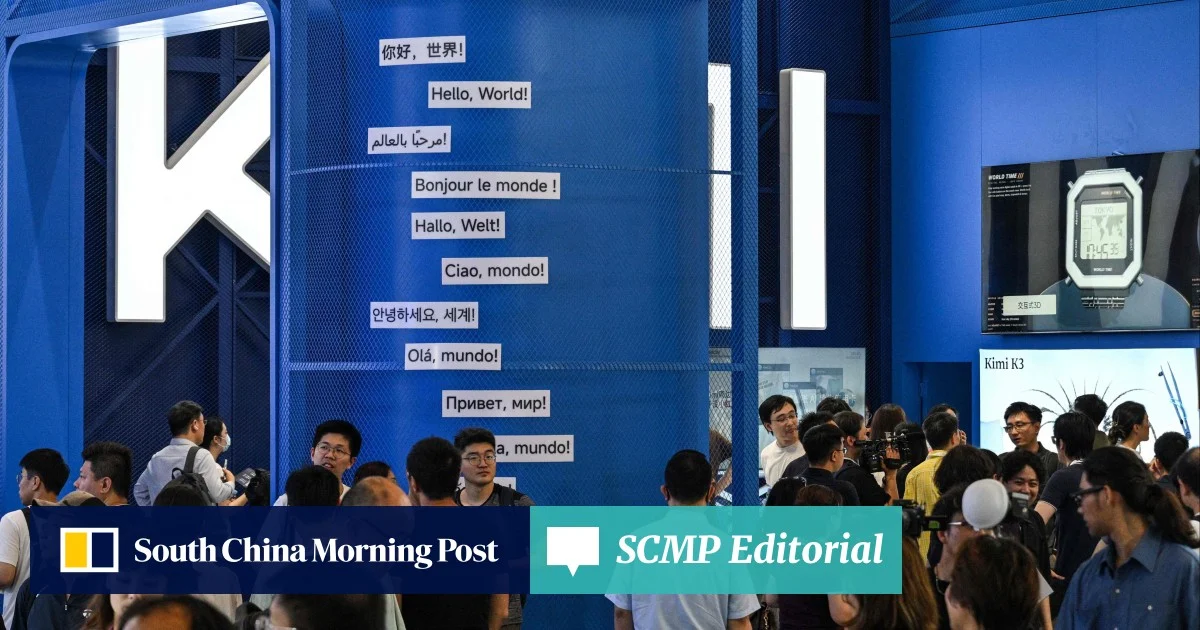
Last week, Chinese startup Moonshot AI unveiled Kimi K3, a powerful open-source AI model that independent evaluators say rivals or even exceeds some of the latest systems from OpenAI and Anthropic. At nearly the same moment, Chinese President Xi Jinping stood before an international audience in Shanghai and proclaimed that artificial intelligence should not be “a solo performance by a single country but a symphony of global collaboration.”
This was no coincidence. China is making a strategic bet that open-source AI – not closed-source – will determine who wins the global technology race.
The United States should be making the same bet.
The geopolitical stakes could hardly be higher. Artificial intelligence is rapidly becoming the defining technology of our era, with implications for economic growth, military power, scientific discovery, and national security. To keep its edge, Washington has focused on restricting China’s access to advanced semiconductors. Yet while the United States fights to maintain its lead in computing power, China is competing on something equally important: adoption.