Not for the first time, a Chinese chatbot has set off a firestorm in Washington.
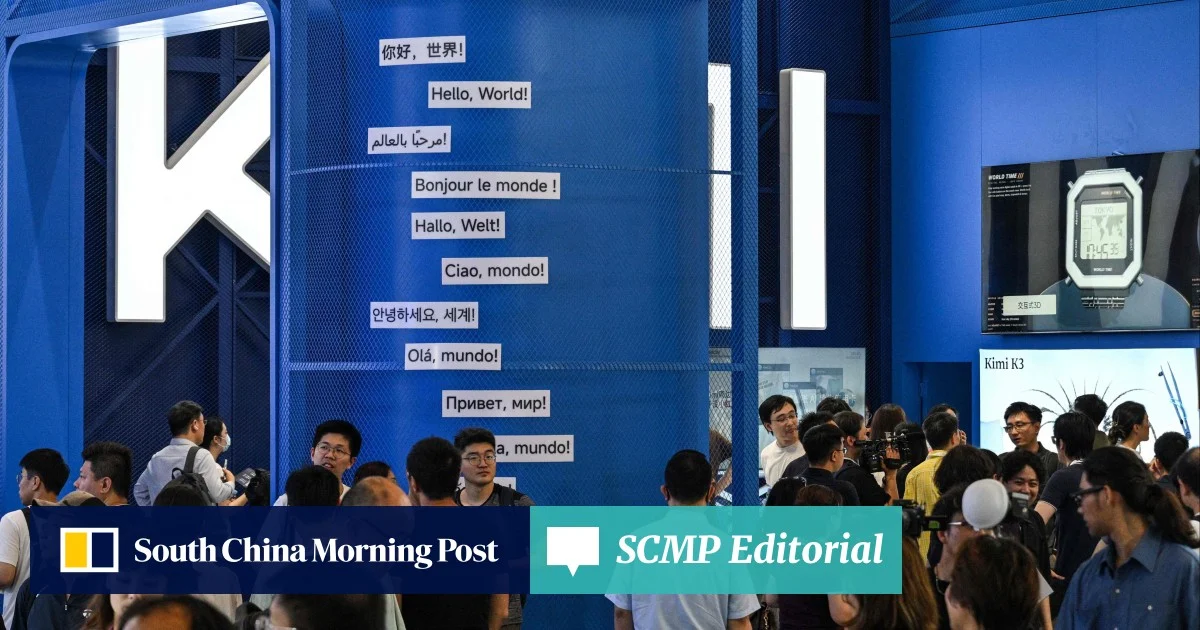
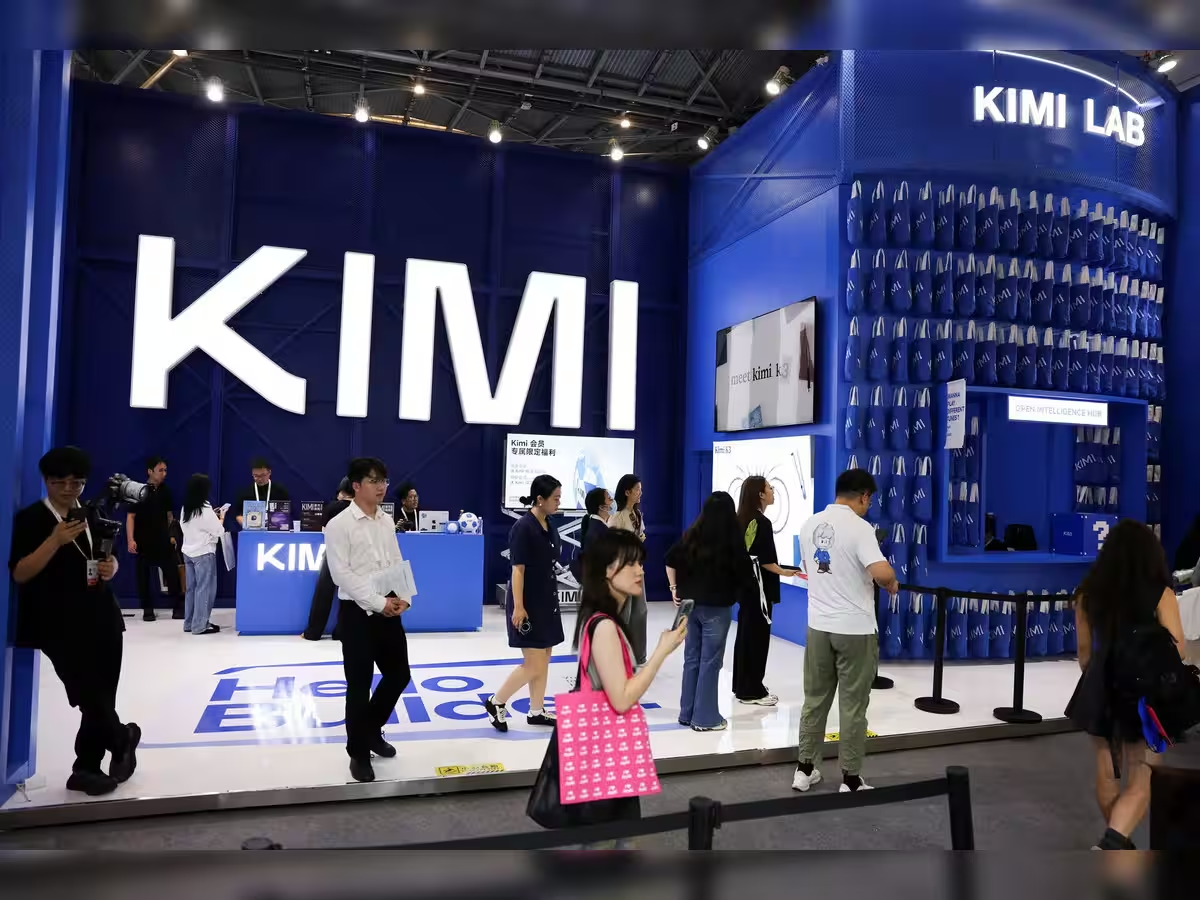
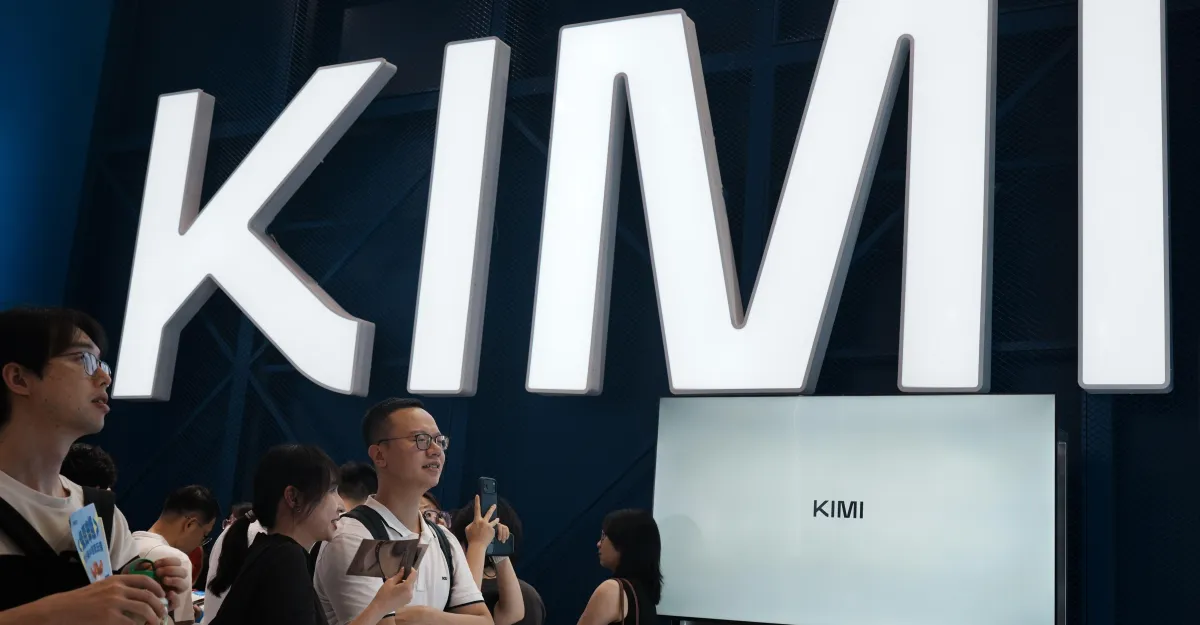
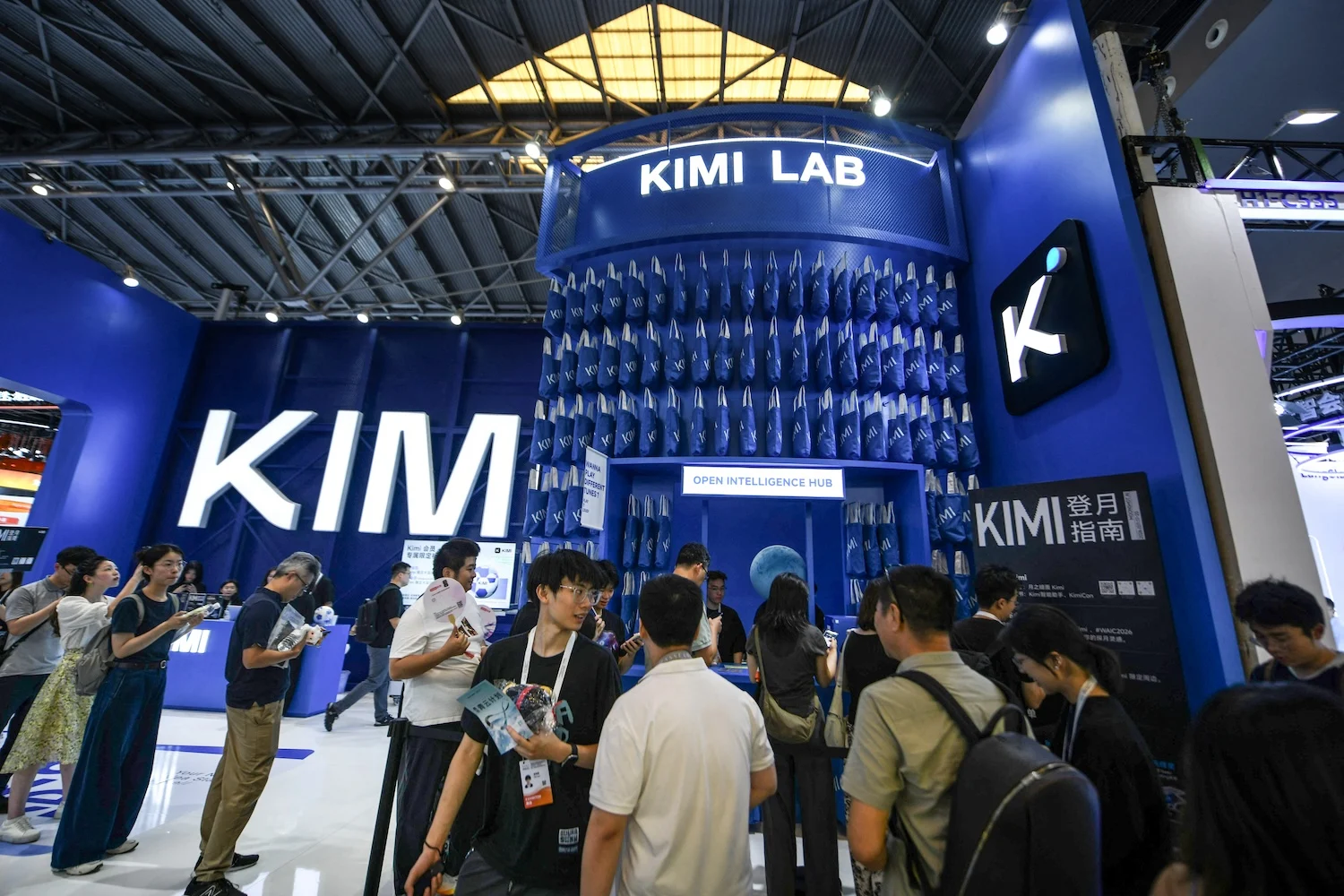
Moonshot AI, a Beijing-based artificial intelligence firm, released its latest model, called Kimi K3, on Friday, claiming that it had “consistently outperform[ed]” every other model on the market except the latest ones from U.S. rivals OpenAI and Anthropic. Chinese tech giant Alibaba followed two days later with similar claims about the prowess of its soon-to-be-released model, Qwen 3.8.
Much like Chinese company DeepSeek did last year, the new models have reignited questions about whether the United States still leads China in the AI race, how close Beijing is to closing the gap, and what Washington can do to maintain the U.S. lead.
The two new models have made a big splash—particularly Kimi, which got so popular that Moonshot had to suspend new subscriptions within 48 hours of launching, citing an overload of the hardware used to power its models (referred to in industry parlance as “compute”). But while having to stop sign-ups because demand is so high may be a great marketing win, analysts say it also betrays the very real compute constraints that Chinese AI developers face.
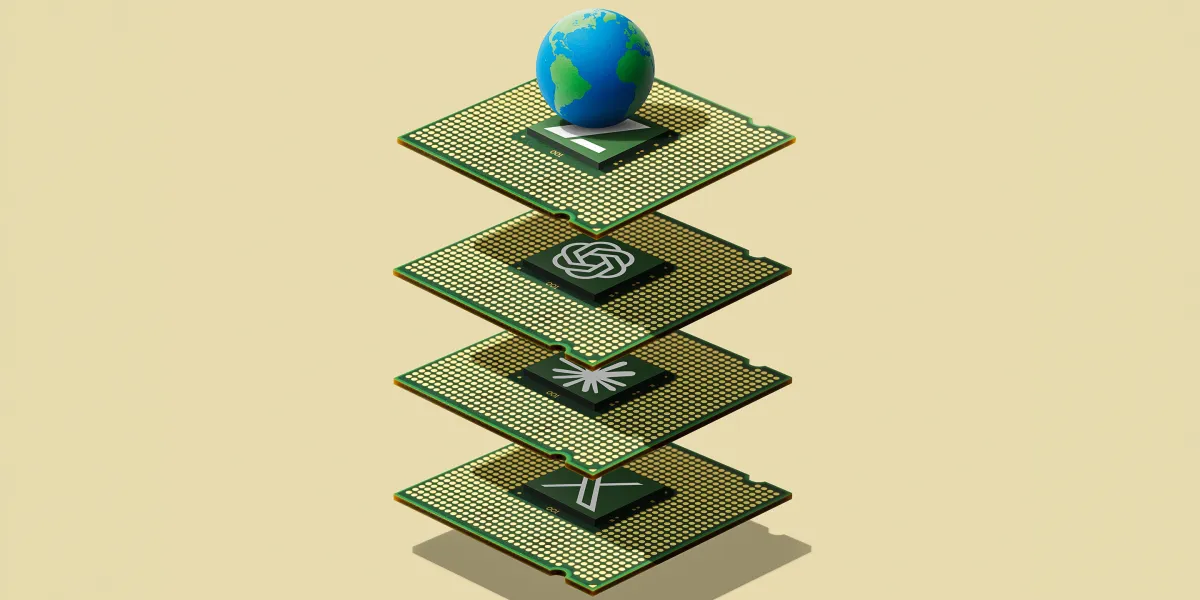
U.S. companies such as Nvidia dominate the production of the advanced semiconductor chips used to train and power AI models, and the likes of OpenAI, Anthropic, Google, and Microsoft have spent tens of billions of dollars on compute—all while the U.S. government has cut off China’s access to those chips through export controls.