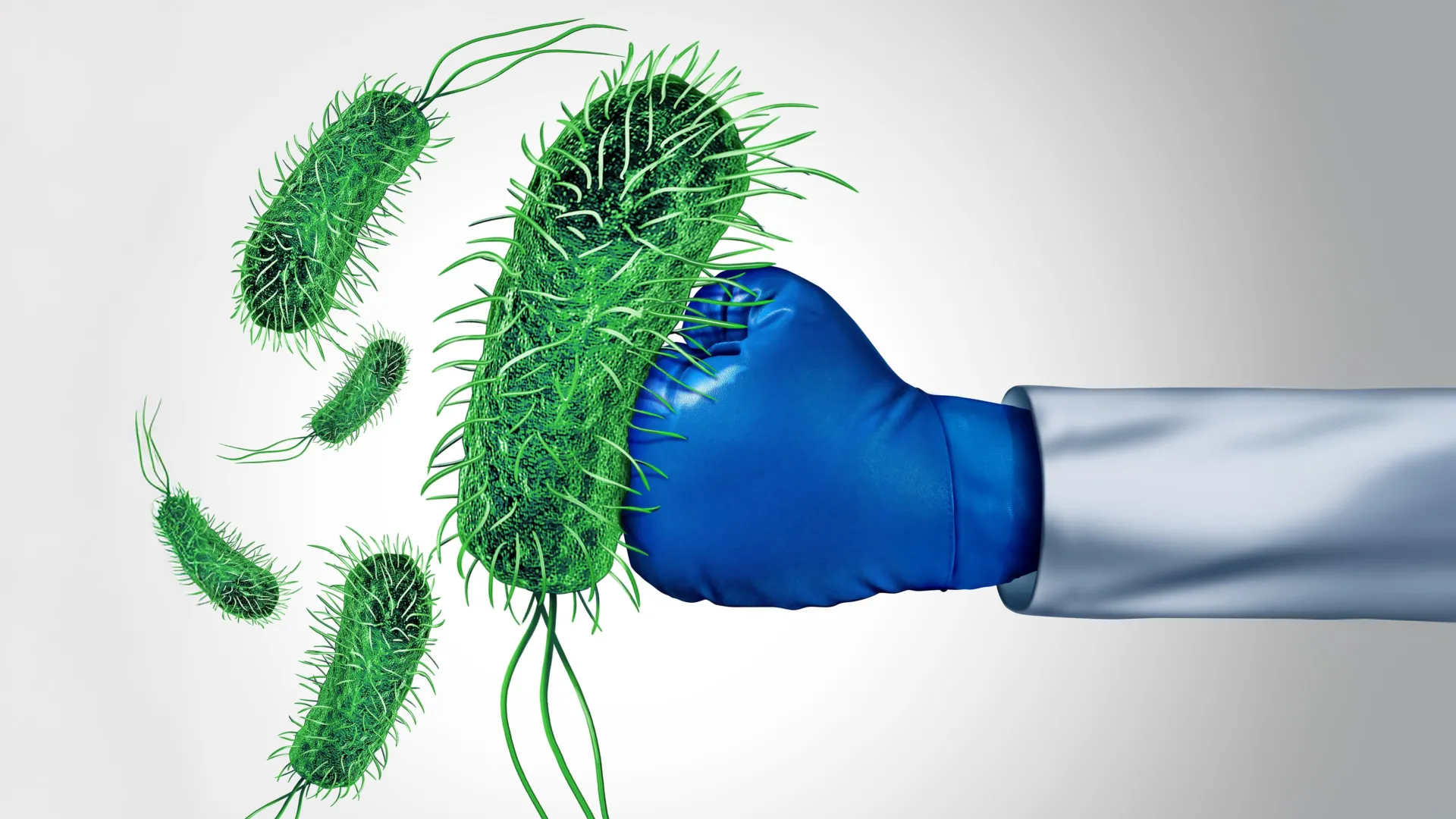
Antibiotic resistance is becoming one of the most serious dangers facing modern medicine. As bacteria evolve, drugs that once worked reliably can lose their effectiveness. This makes common infections harder to treat and can increase the risks associated with routine surgery, cancer care, and other medical procedures.
Researchers worldwide are searching for ways to stay ahead of these rapidly changing microbes. One promising strategy is not to invent a completely new antibiotic, but to help existing drugs work again. This is the idea behind antibiotic adjuvants, which are companion molecules that do not kill bacteria directly but instead restore the power of antibiotics.
Building New Molecules to Speed Drug Discovery
Professor John Moses and his team at Cold Spring Harbor Laboratory (CSHL) have spent years developing chemical reactions that can make the drug discovery process faster and more efficient.
The researchers use a technique called diversity oriented clicking (DOC), which was created in the Moses laboratory. With this method, they have built a library containing more than 150 different compounds. Molecules from this collection have already contributed to research on both antibiotic resistance and cancer.