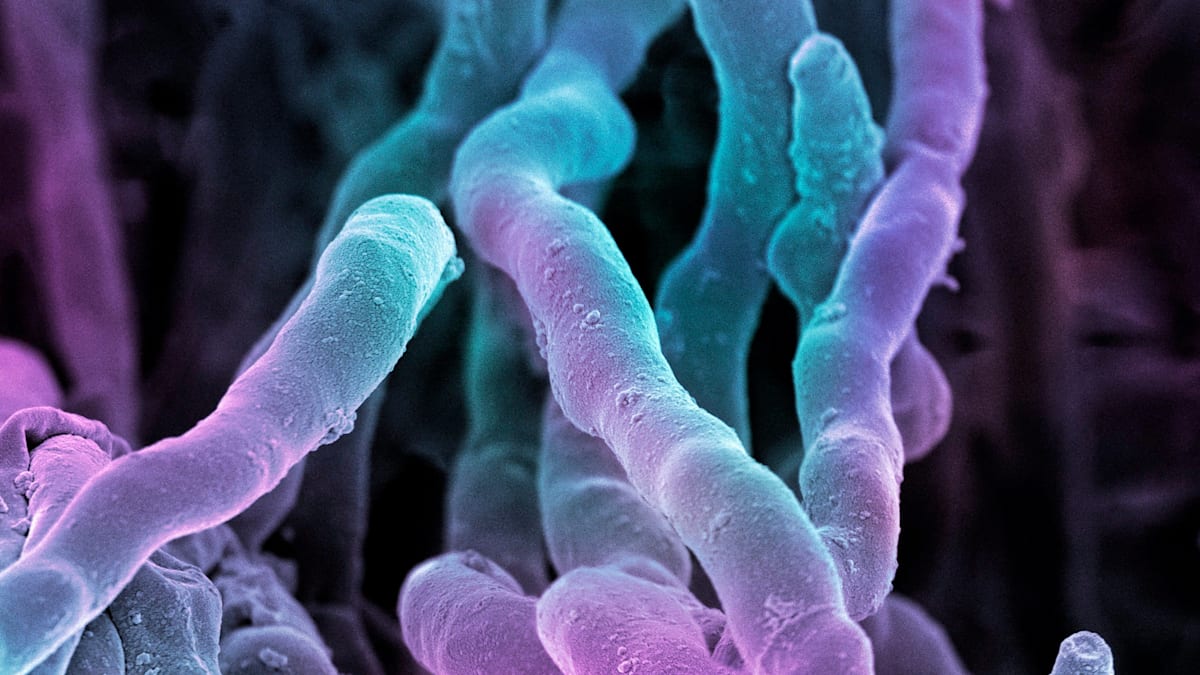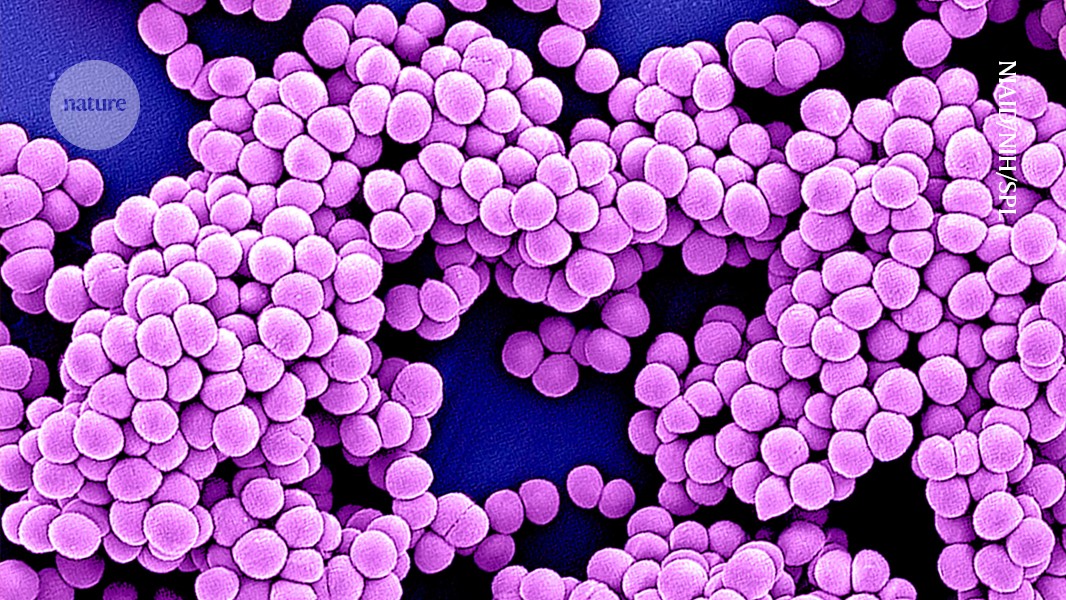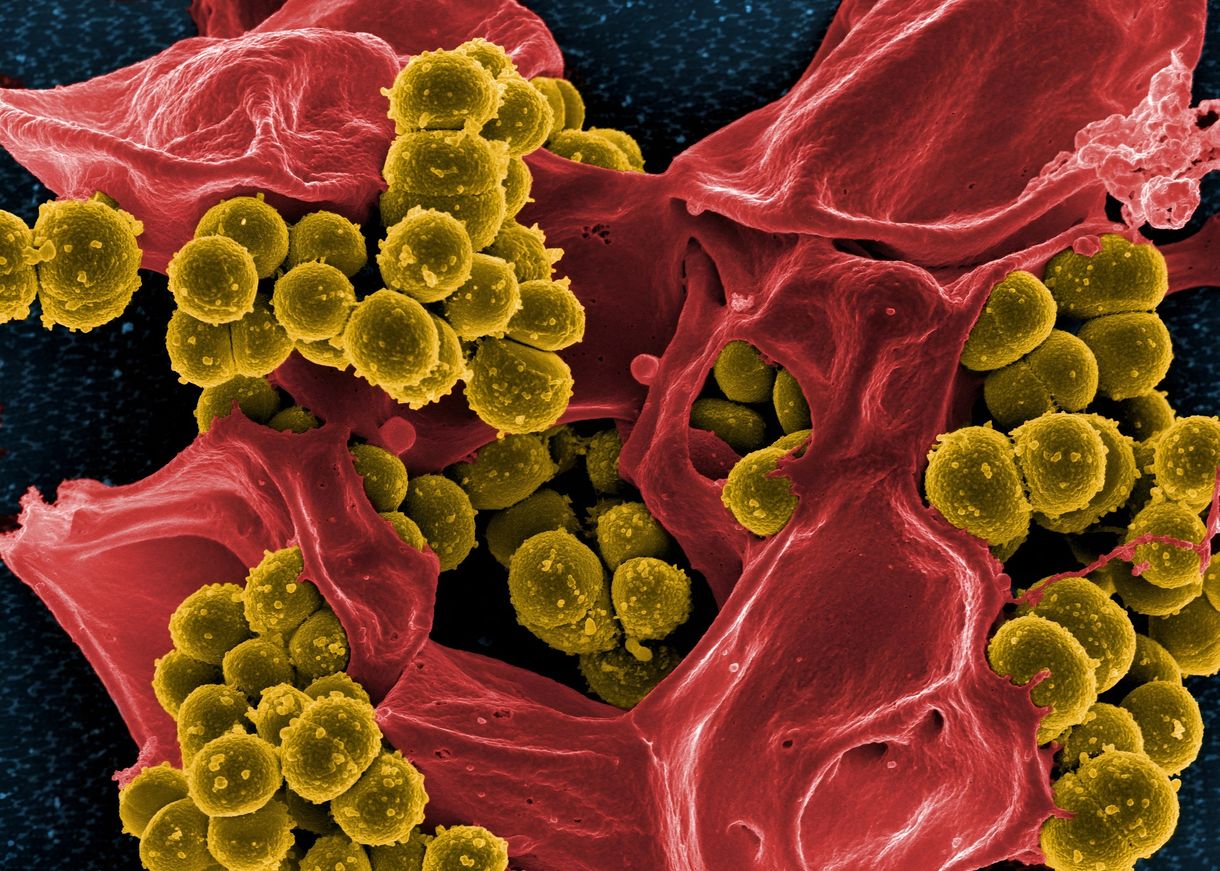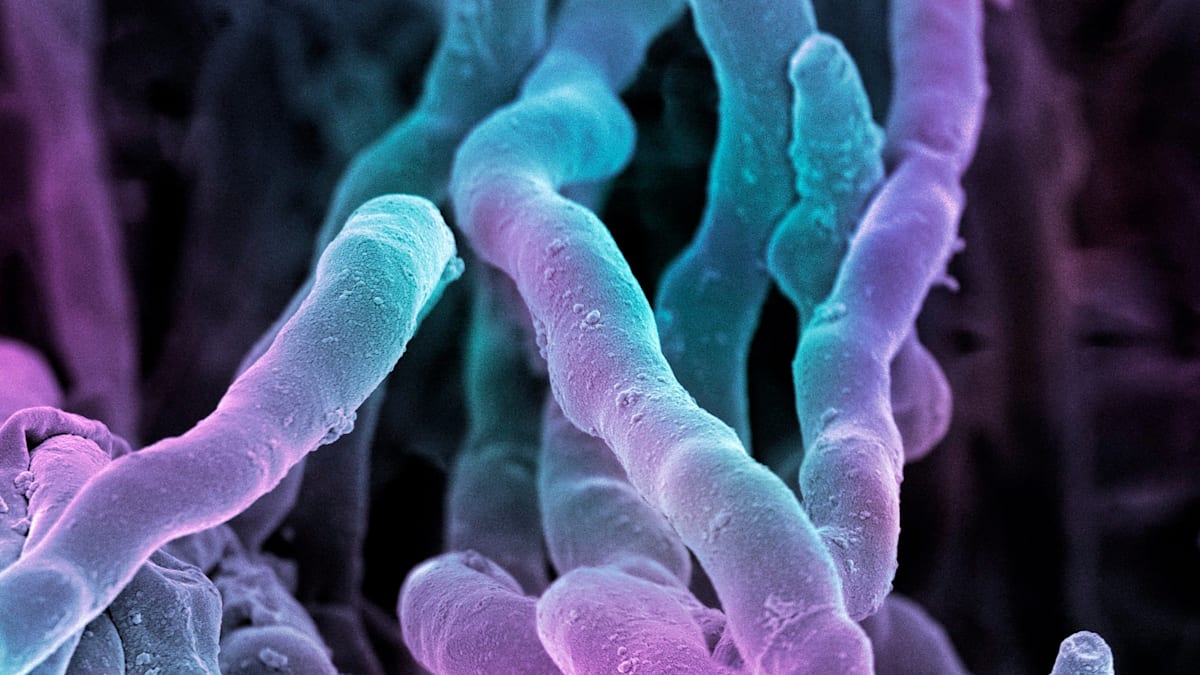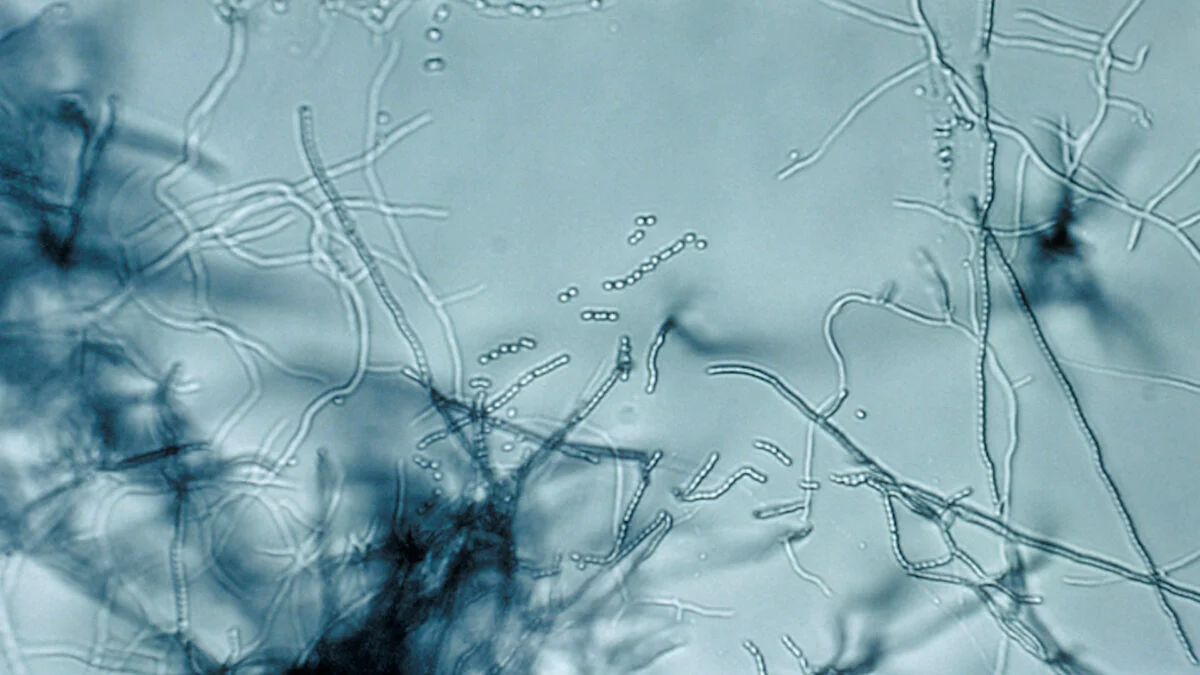
Researchers have worried for decades that all the “low-hanging fruit” for new antibiotics have already been taken, leaving drug developers with the unenviable task of clawing and scraping for any incremental wins against a host of increasingly antibiotic-resistant bacteria. But they just found something new and promising that’s always been here, just squirming in the dirt. Biochemists and pharmaceutical scientists collaborating from the U.S., Canada, and Germany have discovered a new and naturally made antibiotic, manikomycin, produced by the same strangely aromatic soil bacteria that gave modern medicine the antibiotic oxytetracycline in the 1950s. Thus far, it’s proven effective at killing at least one notably antibiotic-resistant form of pneumonia (Klebsiella pneumoniae)—and it opens up an entirely new mechanism by which these drugs can fight bacterial infections. What really caught the researchers’ attention, however, was how manikomycin works: The antibiotic binds to ribosomes inside the infecting bacteria, interfering with their ability to make proteins and blocking important molecules from leaving these vital cellular organelles.
“The ribosome is the target of about one third of all antibiotics prescribed currently,” study author Dmitrii Travin said in a statement put out by the University of Illinois Chicago (UIC), where he teaches on the pharmaceutical applications of genomics.