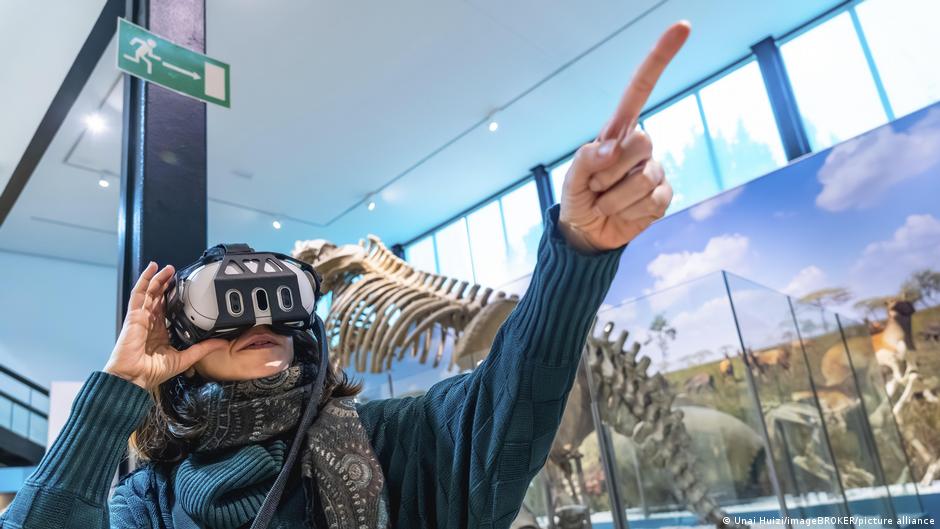
Imagine sitting in a virtual room and coming face to face with yourself — ten years older, slightly grayer, but unmistakably you. Not a fantasy. Not a filter. Just you, aged by a decade, staring back.
That's the core of an experiment developed by Jean-Louis van Gelder, a criminologist and psychologist at the Max Planck Institute for the Study of Crime, Security and Law in Freiburg, Germany. His team has just published findings showing that confronting people with a digitally aged version of themselves —their "future self" — can sharpen long-term thinking and help them act on their own goals.
The science of the future self
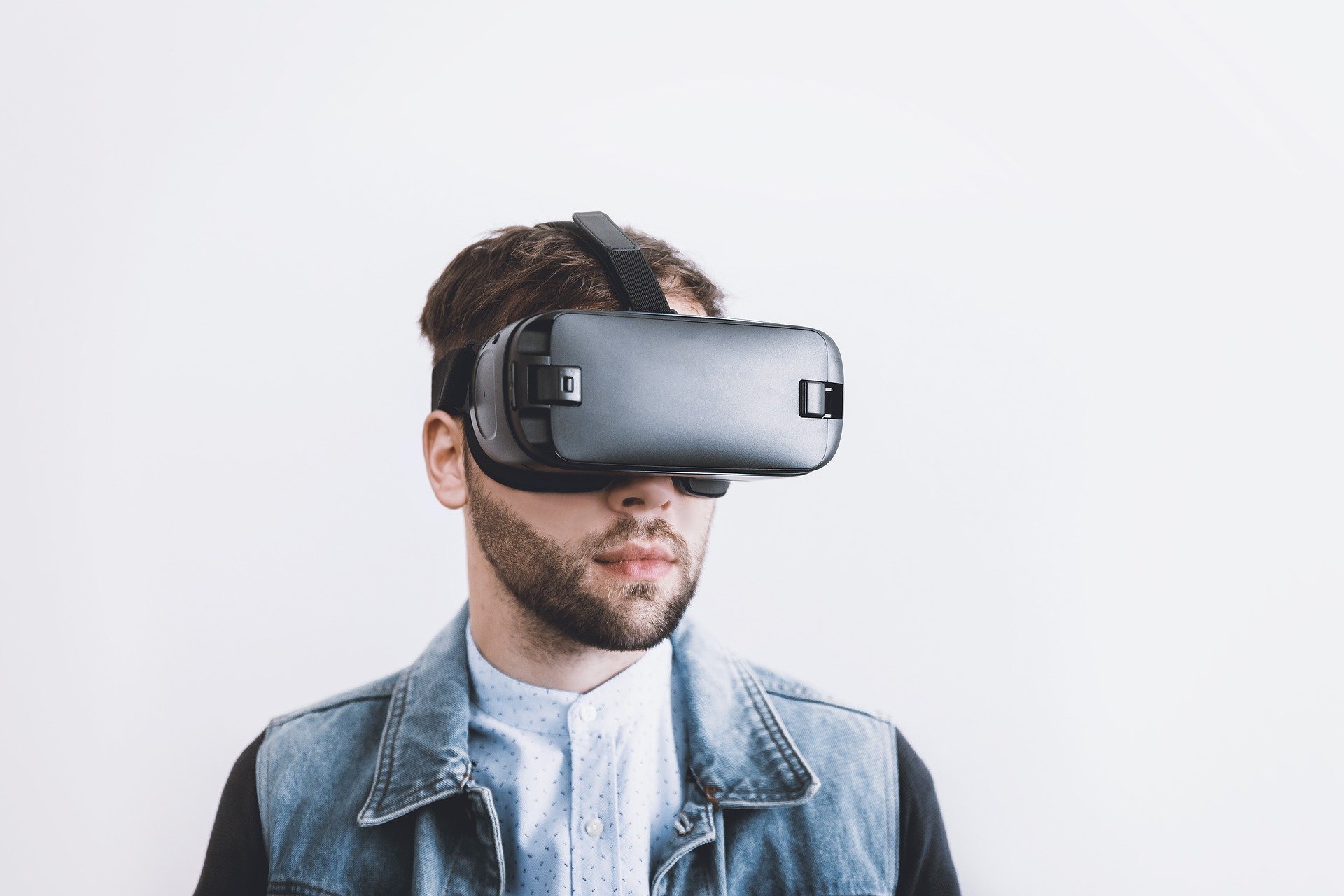
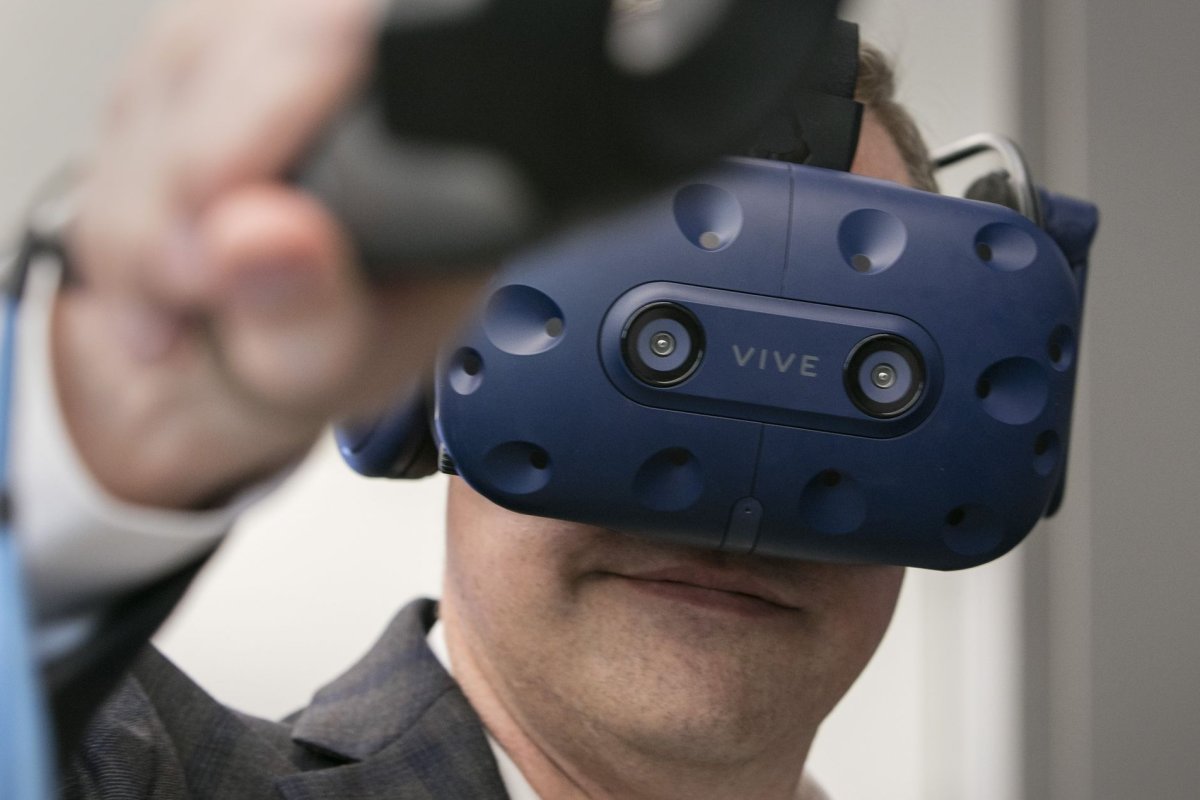
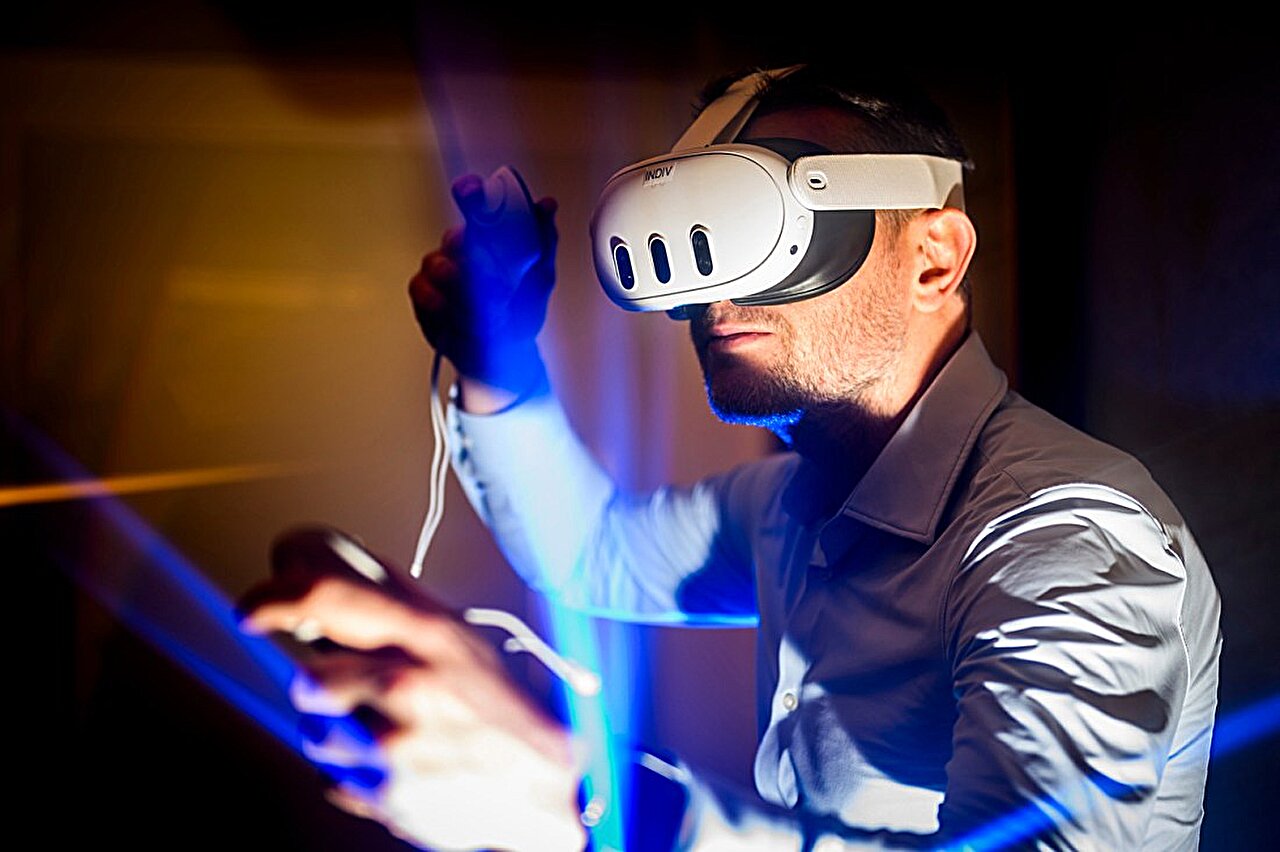
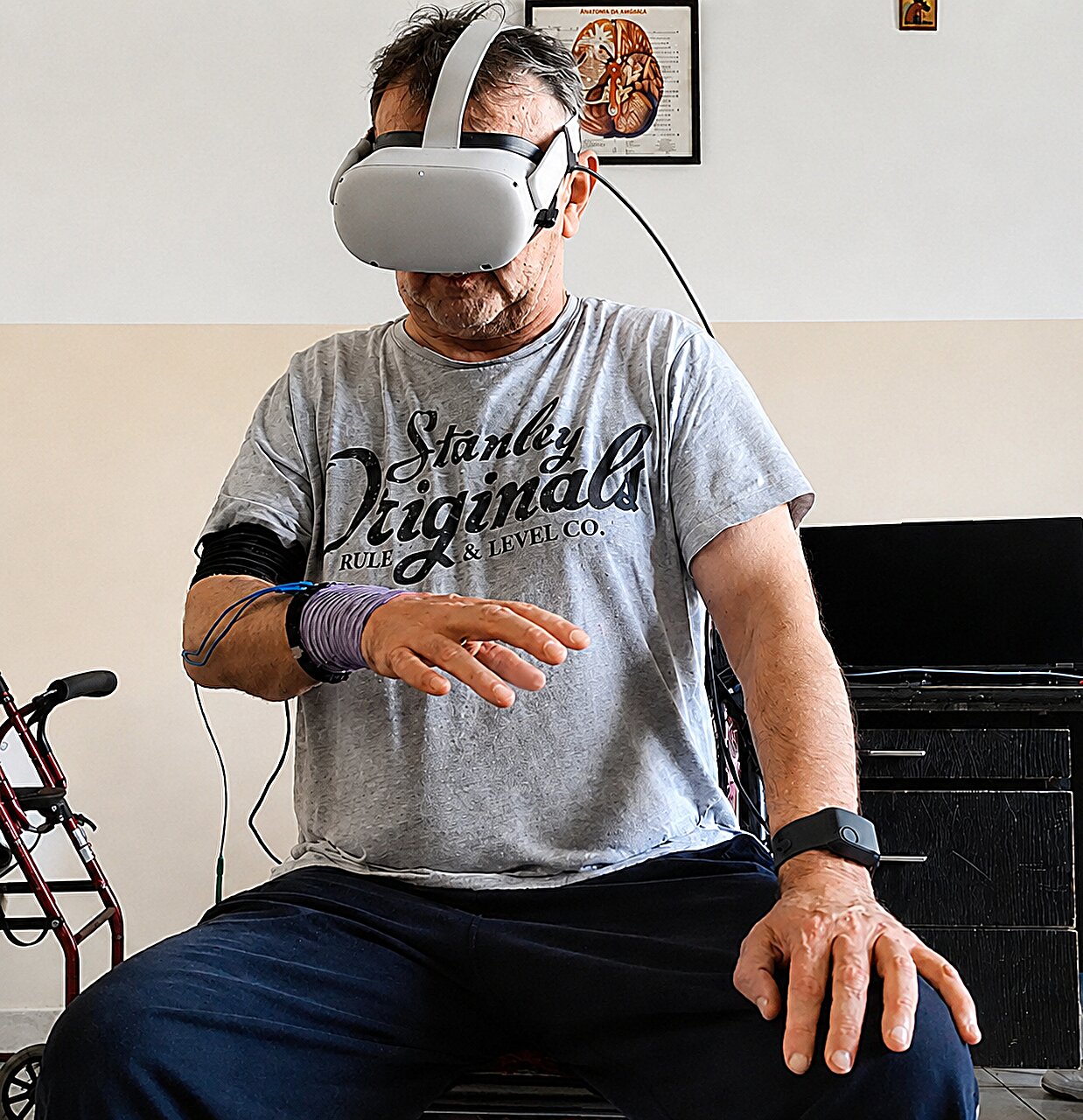
The setup is deceptively simple. Participants come into a lab, where they have their photo taken. After software has aged the respective face by ten years, they enter a VR environment, look into a virtual mirror and see their present self — while the older version sits across the room. They interact with their future self and ask it questions. They hear their own voice played back, slightly lowered to match the aging effect.
The result, van Gelder says, is that the future becomes more concrete rather than abstract. "When future states or future events become more vivid in our minds, we're also more likely to actively work towards them," he tells DW. A clear mental image of who you're going to be makes it easier to divide a goal into actionable steps — and gives you stronger motivation to take them.