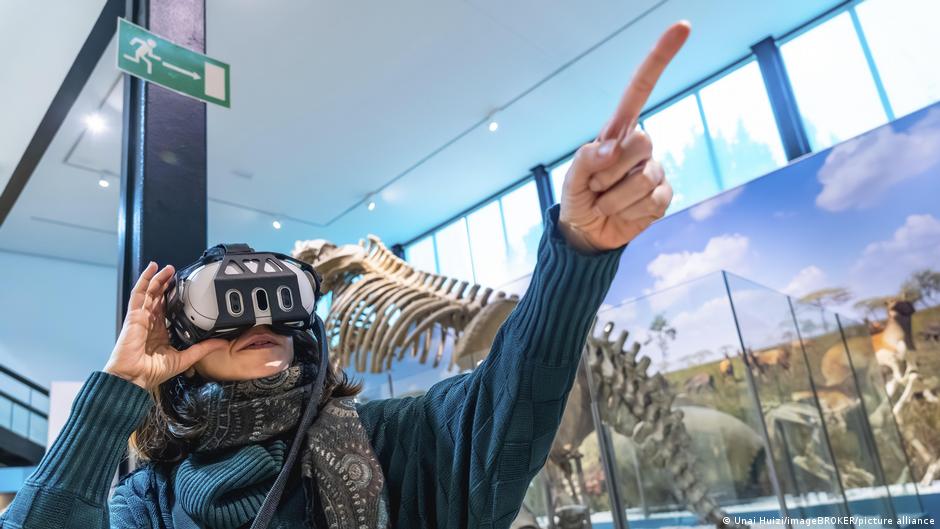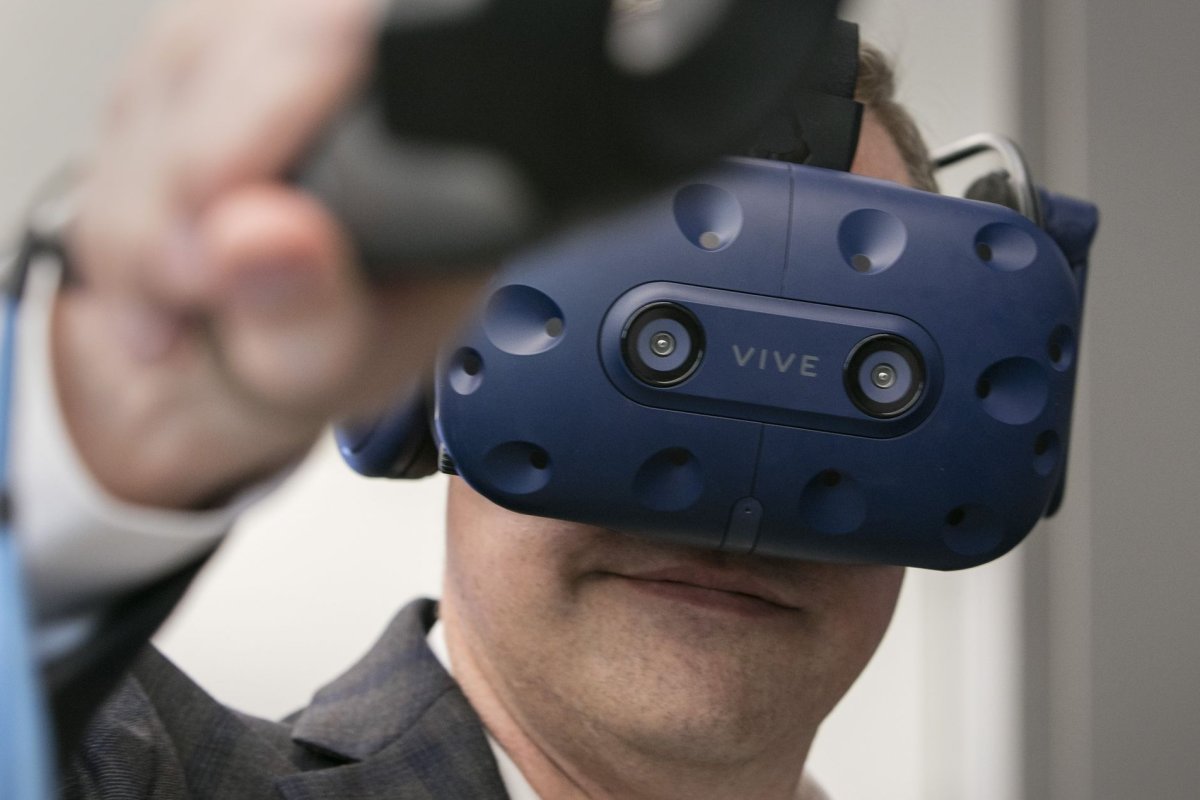
In a new paper published in the Proceedings of the National Academy of Sciences, a team of 41 authors from around the globe argue that virtual reality has the potential to do the same for behavioral science and help solve the reproducibility crisis.
Virtual reality is a holy grail for researchers, allowing them to immerse participants in hyperrealistic environments and control those environments down to the minutest detail. However, as with many new technologies, excitement is outpacing rigor. With constant advances in VR technology and falling prices, the field risks becoming a "Wild West," with methodological protocols varying widely across disciplines.
The members of the Openverse—a team of VR researchers dispersed across the globe and representing a wide range of disciplines—see this as an opportunity. In this landmark paper, they outline a future vision for VR research that puts open science practices and technological accessibility at its core. Through an interactive checklist (available at www.vrprotocols.org), researchers in any field of the behavioral sciences can ensure that the conduct and reporting of their VR studies align with the most recent version of the protocols.
"VR research hasn't been held back by the technology. It's been held back by the absence of shared standards. These protocols give the field a common language for researchers, reviewers, and journal editors alike," said Anand P. A. van Zelderen, founder of the Openverse and assistant professor at SKEMA Business School.