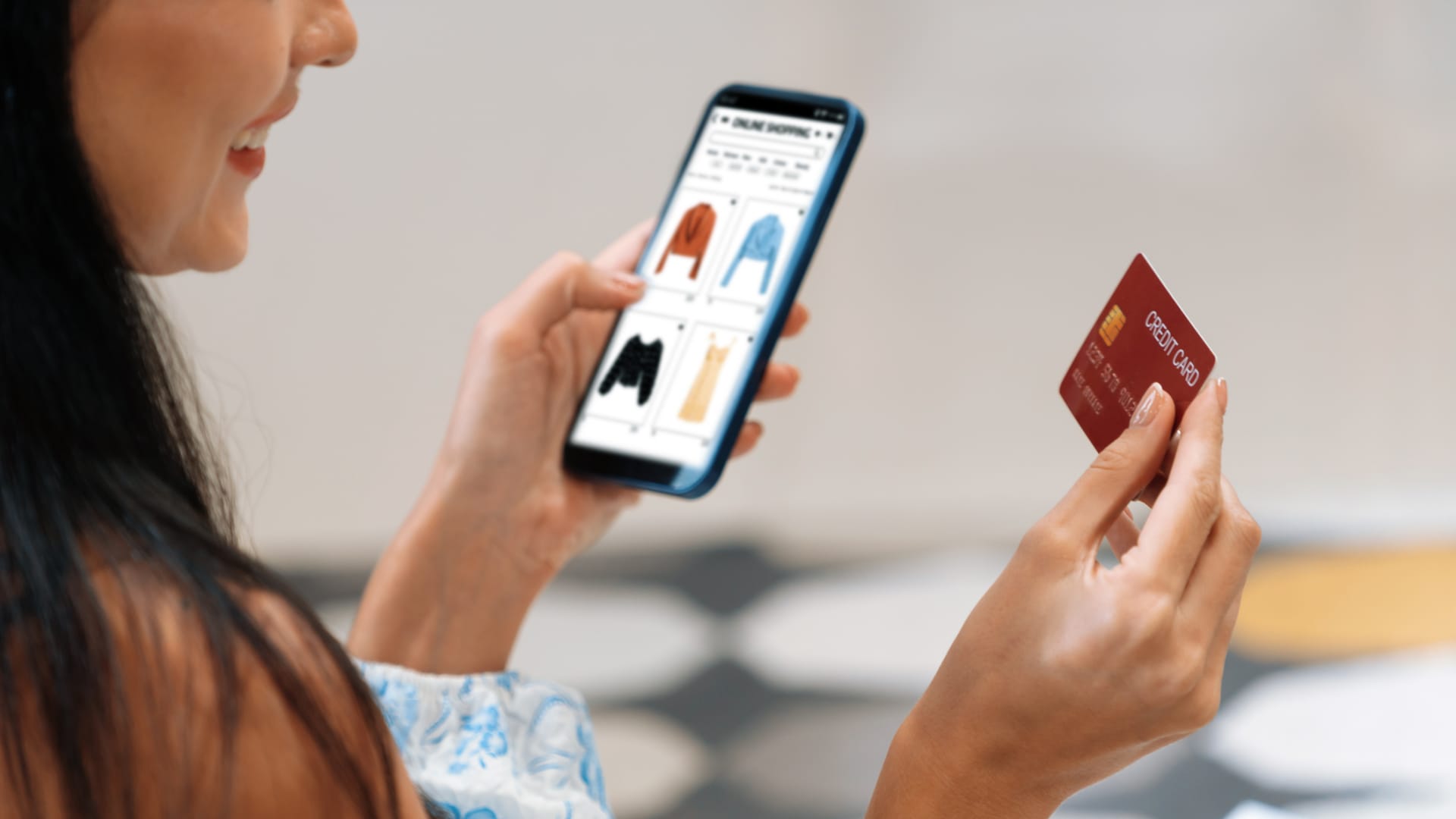
For a decade, virtual try-on technology has been the industry's perennial "almost." The idea—letting shoppers see how a jacket or a shade of lipstick would actually look on them—was always compelling. The execution was not. Brands had to feed in expensive 3D product data, tools choked on badly lit selfies, and the results looked more uncanny than useful.
That changed fast. Generative AI can now turn a standard product photo into a 3D model that simulates cut, drape and fabric in real time, without the manual 3D pipeline that made earlier versions unworkable. ASOS now lets shoppers upload a photo or build a digital twin from their proportions and preferences. Breuninger became the first German fashion retailer to integrate Google's virtual try-on technology into its app. Maybelline lets users try shades via upload, digital model, or live camera. None of this is a lab demo. It is live, in production, driving measurable results.
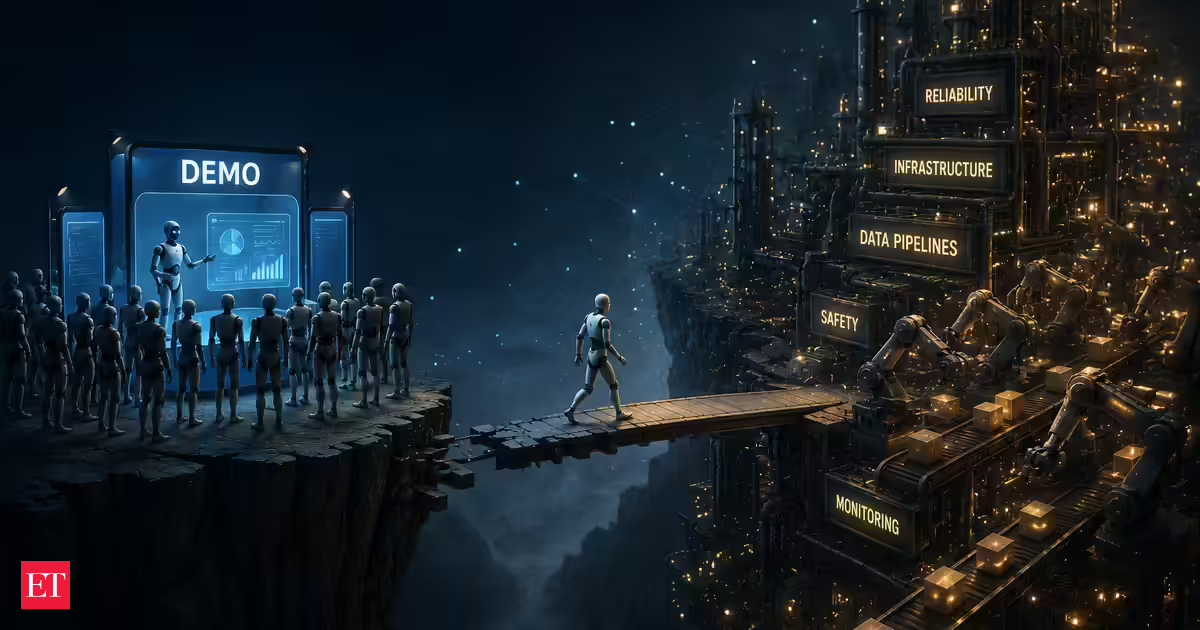
That distinction—between AI as a pilot and AI as infrastructure—is exactly why virtual try-on has become a reference case for an entire industry. Fashion e-commerce has quietly carried two expensive, unsolved problems for years: purchase hesitation from not knowing how a product will look, and return rates driven by size uncertainty. In the US, the National Retail Federation estimated that 19.3% of online fashion purchases were returned in 2025, with Gen Z shoppers returning close to eight garments on average. Arnold Pötsch, lead author of the BVDW working group paper on 3D in e-commerce, put it plainly: advances in computer vision, AI and real-time rendering have turned virtual try-on into "a clear competitive advantage for forward-looking retailers," blurring the line between physical product and digital twin, and giving retail the key to a personalized shopping experience, fewer returns, and greater sustainability.