Story audio is generated using AI
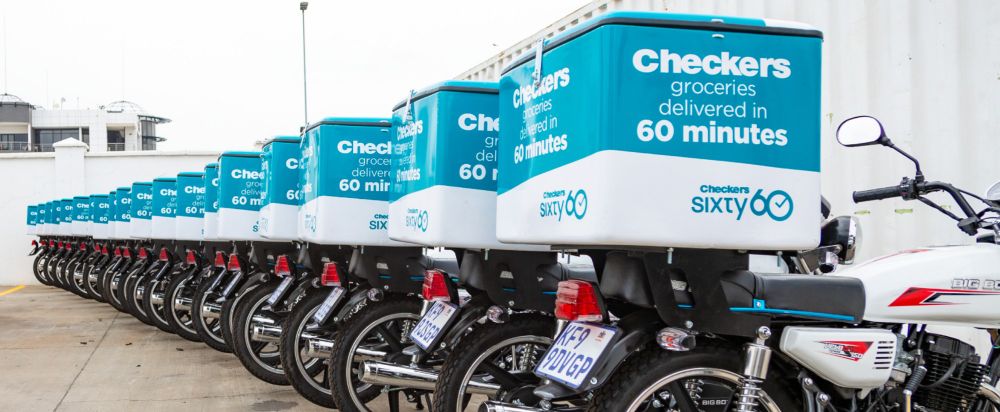
A rapid rise in quick commerce has emerged as one of the biggest disruptions facing the liquor market, transforming consumer purchasing habits as on-demand alcohol delivery increasingly replaces a trip to the shops. According to the latest Trade Intelligence Liquor Retailing Report 2026/27, consumers are increasingly using delivery apps to buy alcohol, rather than planning stock-up purchases at liquor stores. The shift is changing shopping habits, creating opportunities for retailers and forcing liquor suppliers to rethink how they reach customers.The report says convenience is driving the trend. Instead of visiting a liquor store, consumers are increasingly adding alcohol to grocery orders placed through their smartphones. Purchases are also becoming more spontaneous, often linked to social gatherings or immediate occasions rather than planned shopping trips.As more consumers shop this way, digital grocery platforms have become increasingly important in the liquor market.Trade Intelligence found that Checkers Sixty60 is the leading platform for online liquor purchases, including beer, spirits and ready-to-drink products. The report says success in online liquor sales is increasingly tied to grocery delivery platforms rather than standalone liquor websites or apps.The growth of quick-commerce is also changing what happens in stores.As more purchases move online, fewer shoppers are walking through liquor stores, reducing opportunities for brands to attract customers through shelf displays, promotions and other in-store marketing.“Buying online also leads to a decline in in-store foot traffic, reducing opportunities for in-store brand visibility and shopper engagement. Both these behaviours create challenges and opportunities for manufacturers and retailers alike,” Trade Intelligence said. That means suppliers can no longer rely only on traditional retail execution. Instead, they increasingly need to ensure their products are visible on digital platforms where consumers are making purchasing decisions.The shift towards online shopping comes as South Africa’s off-trade liquor market, which includes physical stores and online retailers selling alcohol for consumption elsewhere, grew 4.2% to R109bn in 2025, according to the market researcher.That growth was led by corporate grocery retailers, which outperformed traditional liquor wholesalers.Supermarket groups have also expanded their liquor networks rapidly, with corporate liquor outlets growing at more than twice the rate of grocery stores. As a result, about 75% of supermarket outlets now have an adjacent liquor store.That has made it easier for consumers to buy alcohol during their regular grocery trips, reducing the need for separate visits to liquor stores.The report suggests these two trends are mutually reinforcing. While supermarket liquor stores make alcohol more accessible during weekly shopping trips, quick-commerce platforms are extending that convenience into homes through on-demand delivery.Both trends are changing how consumers shop and increasing the role of grocery retailers in the liquor market.The report also highlights a different picture in the on-trade market, where alcohol is bought and consumed at a venue. Despite ongoing pressure on much of the hospitality sector, taverns remained the strongest-performing on-trade channel in 2025. Sales grew 8% during the year, and taverns accounted for half of all on-trade liquor sales.Trade Intelligence says the changes in the off-trade and on-trade markets reflect broader changes in consumer behaviour as households battle continuing pressure on discretionary spending.Business Day