Commentary
Dopamine apps” that allow users to “buy” food, clothes or other products with no real-world cost have gone viral. This consumer behaviour professor explains why.
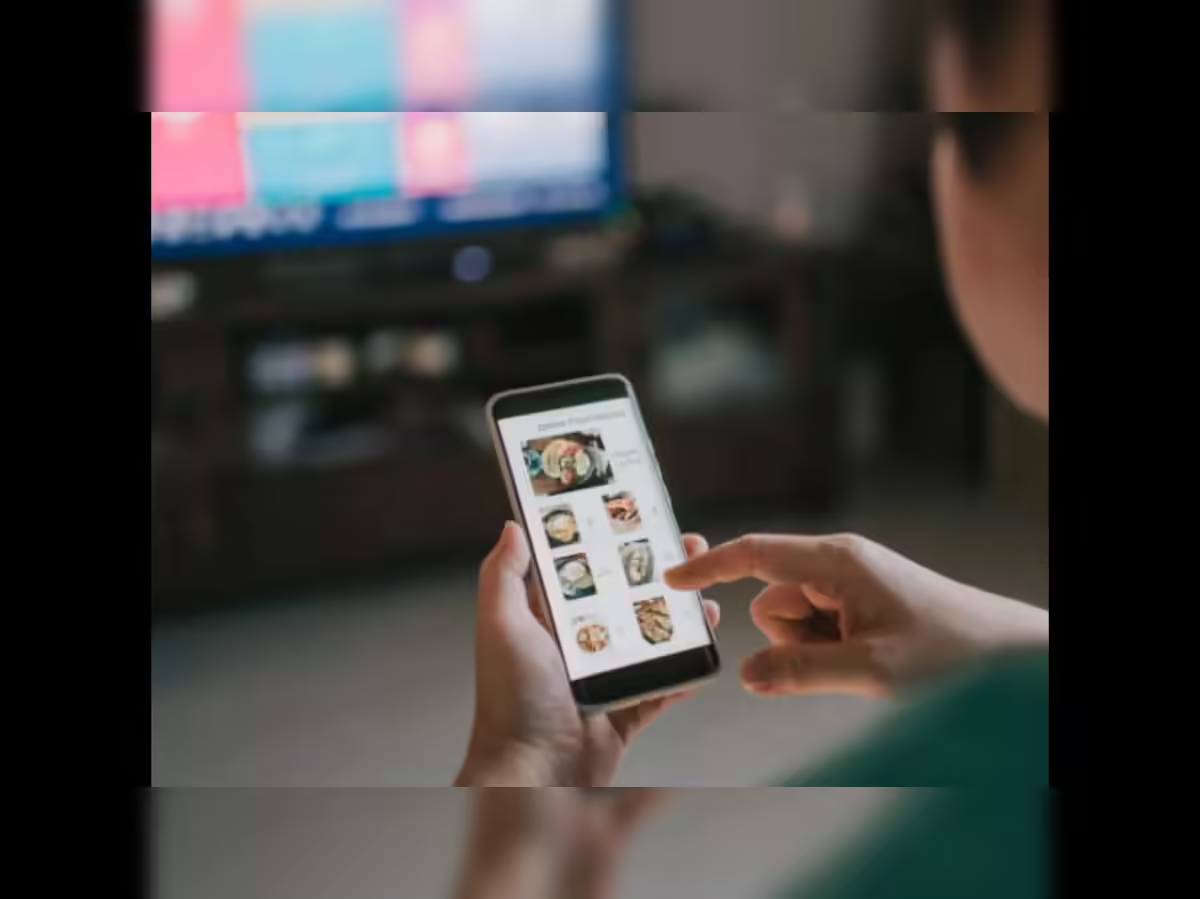
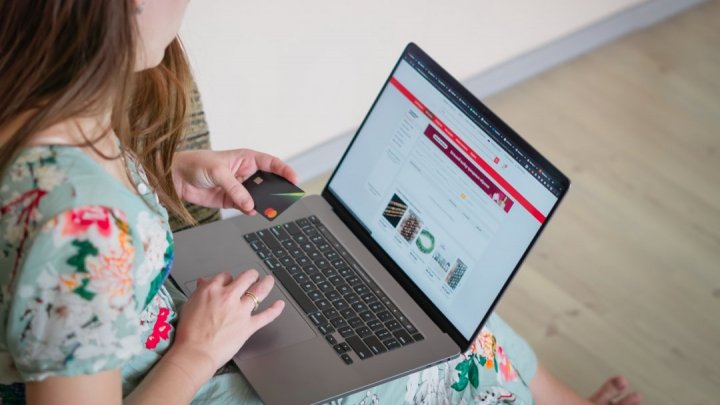
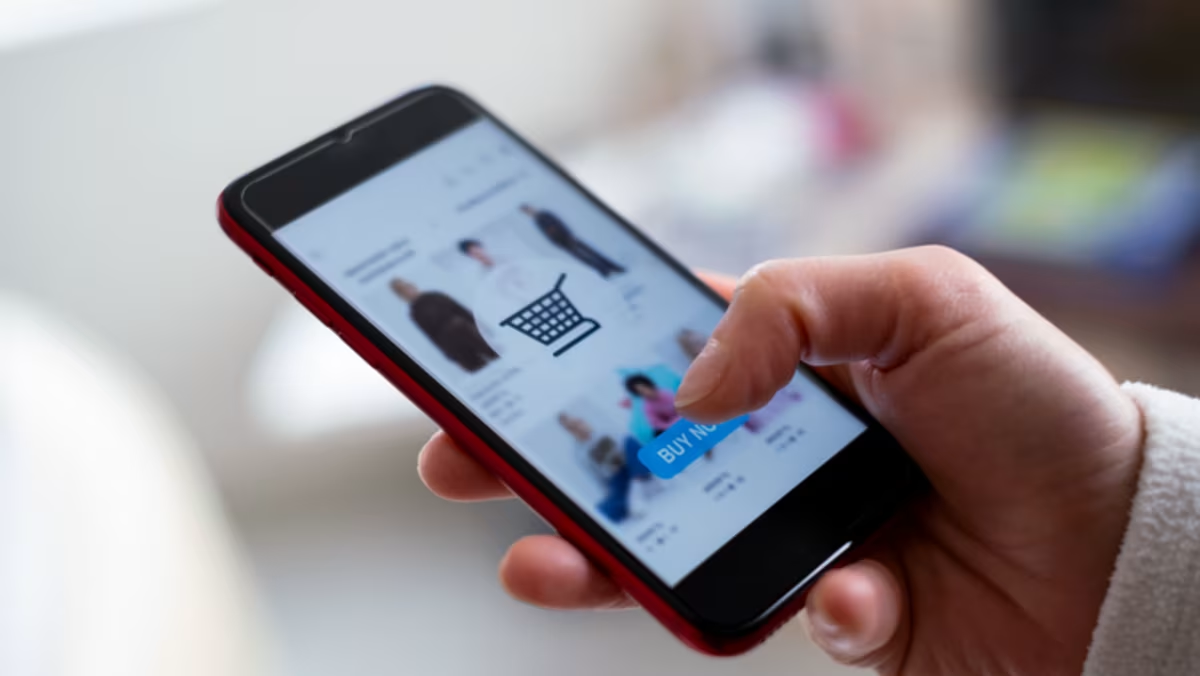
“Dopamine apps” or “dopamine sites” allow users to “buy” food, clothes or other products with no real-world cost. (Photo: iStock/mahiruysal)
22 Jul 2026 05:58AM
BRISBANE: It’s Saturday night and you’ve downloaded a new food delivery app. You’ve scanned the menus, picked some Mexican dishes, placed your order and are now tracking the delivery. But your food never comes - and you never expected it to.It sounds ridiculous if you’ve never tried it, but this viral trend is more popular than you might think. Just one app alone, FoodNeverComes, claims nearly 1 million “cravings satisfied” to date.Why would people bother spending time on apps or websites that are built to never deliver? Ultimately, it’s all about getting a dopamine hit.It sounds like harmless fun, letting users “buy” food, clothes or other products with no real-world cost, since most of these apps are free to use.