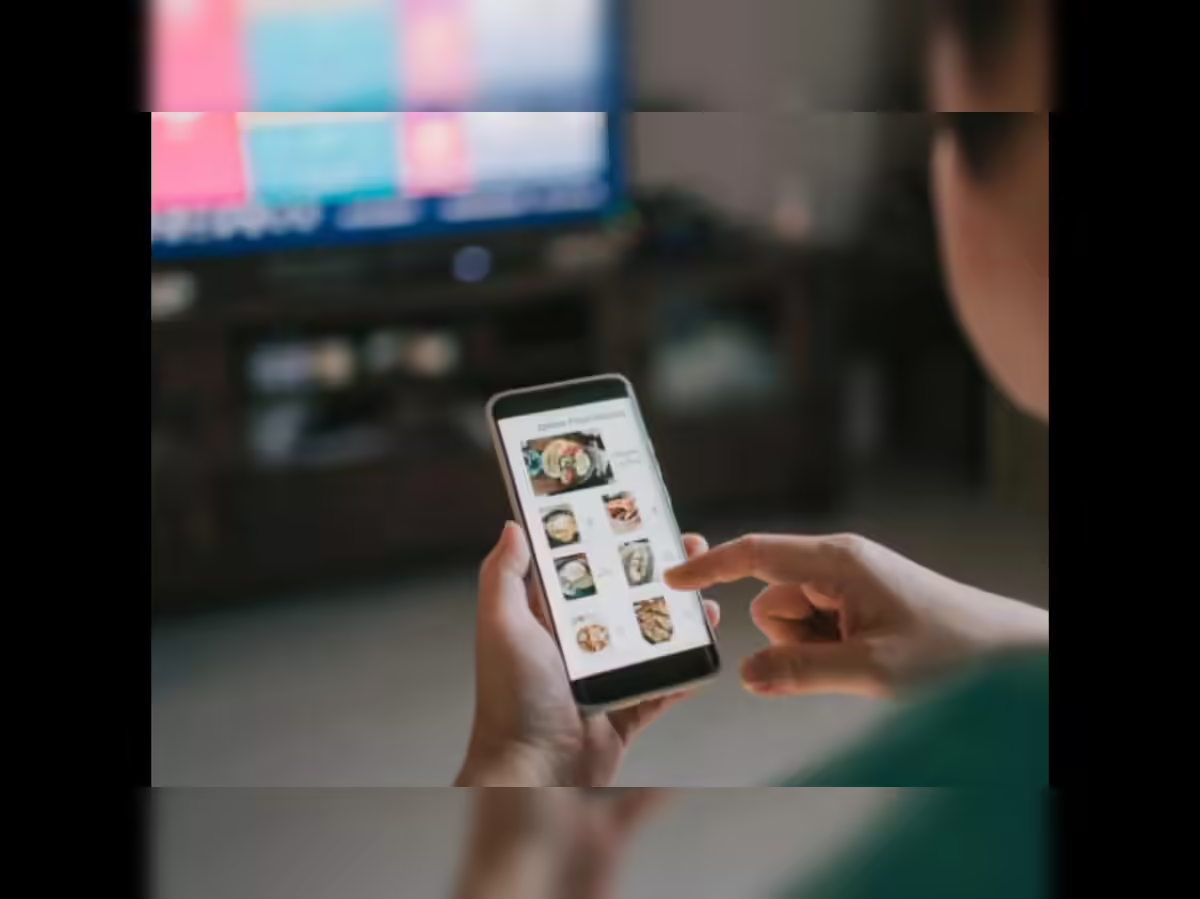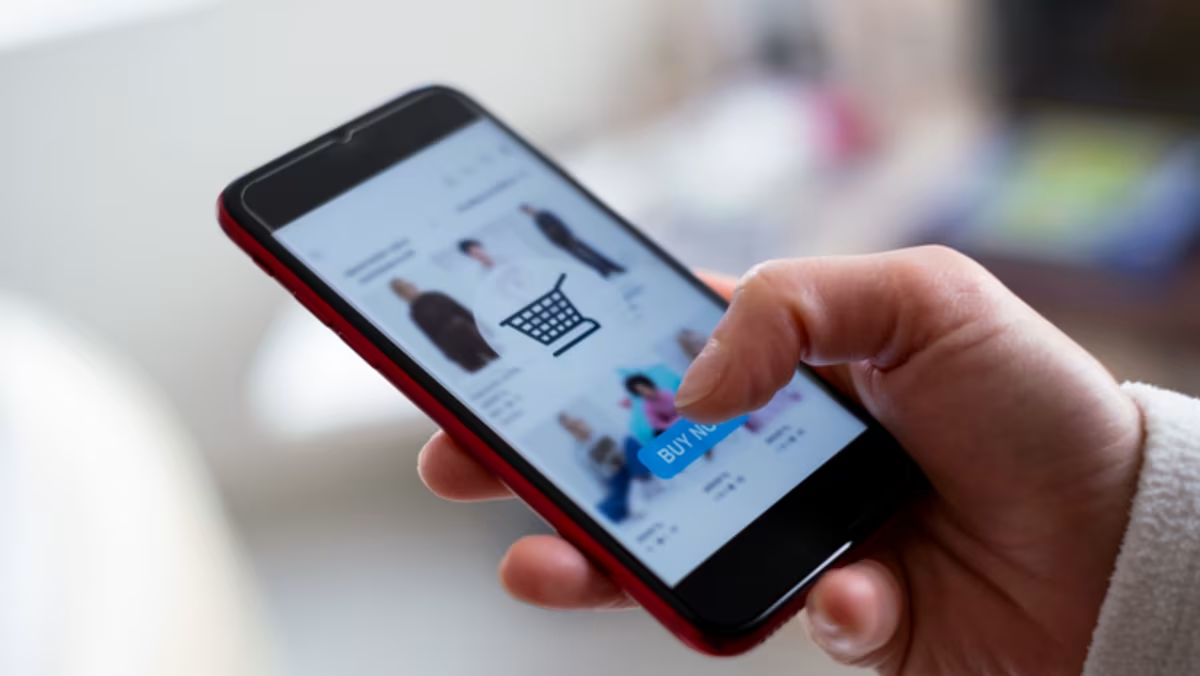
Food Never Comes lets users choose meals, add extras and track a fictional courier without paying or receiving anything; Its 23-year-old creator built it as a joke, but experts say its popularity reflects loneliness, stress and the desire to escape daily lifeRoni Dori|“I’m addicted to food delivery,” says Ho-yoon Pa, a 23-year-old mechanical engineering student from South Korea. “Food delivery is extremely accessible here, so I ordered a lot, ate too much, gained weight and harmed my health.”One night, while once again scrolling through delivery apps, she found herself wishing she could place an order that would never arrive. “That way, I would be healthier, and so would my wallet,” she says. That strange wish gave rise to an equally strange viral phenomenon: a food delivery service for meals that never come.Food never comes(Illustration: Ovadia Benishu)Food Never Comes is an app and website developed by Pa that allows users to order dishes from dozens of fictional restaurants across 11 countries. No one cooks the food, no courier delivers it and no customer receives anything.So what does it provide? I ordered chow mein, a stir-fried noodle dish with chicken, for a fictional 8,000 won, or about 20 shekels ($6), after a discount, plus another 9 shekels ($3) in simulated tax and delivery fees.Once the order was approved, I watched my courier make his way toward me, much like on a real delivery app. He appeared on the map as Gary the Snail, and for four minutes I followed him as he stopped at a red light, paused to admire another snail on the pavement and silently judged my life choices. Then, instead of sitting down on the couch with my food, I received a celebratory message: “Crisis averted. Wallet safe.”It sounds ridiculous. Yet since the platform launched in May, users around the world have placed about 700,000 fake orders. Each week, some 35,000 people use it to "indulge the craving", as the site puts it. The figures suggest that sometimes the anticipation of a purchase and the ritual of ordering matter more than the product itself. As Food Never Comes’ slogan says: The food never comes, but the dopamine does.“People like my app because something is missing in their lives,” says Pa, who also goes by Malhee, in her first English-language interview with a Western media outlet. “Maybe it's money. Maybe they are lonely.”Was that your goal when you developed it?
Why 700,000 people ordered food they knew would never arrive
Food Never Comes lets users choose meals, add extras and track a fictional courier without paying or receiving anything; Its 23-year-old creator built it as a joke, but experts say its popularity reflects loneliness, stress and the desire to escape daily life
1,794 words~8 min read