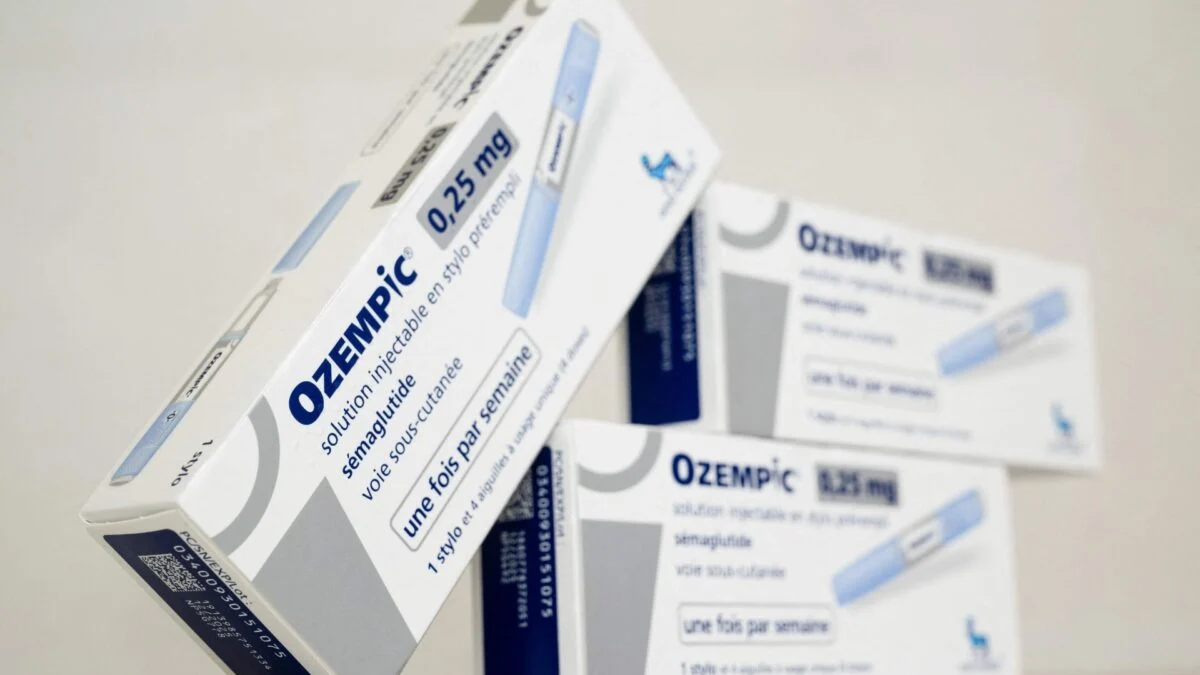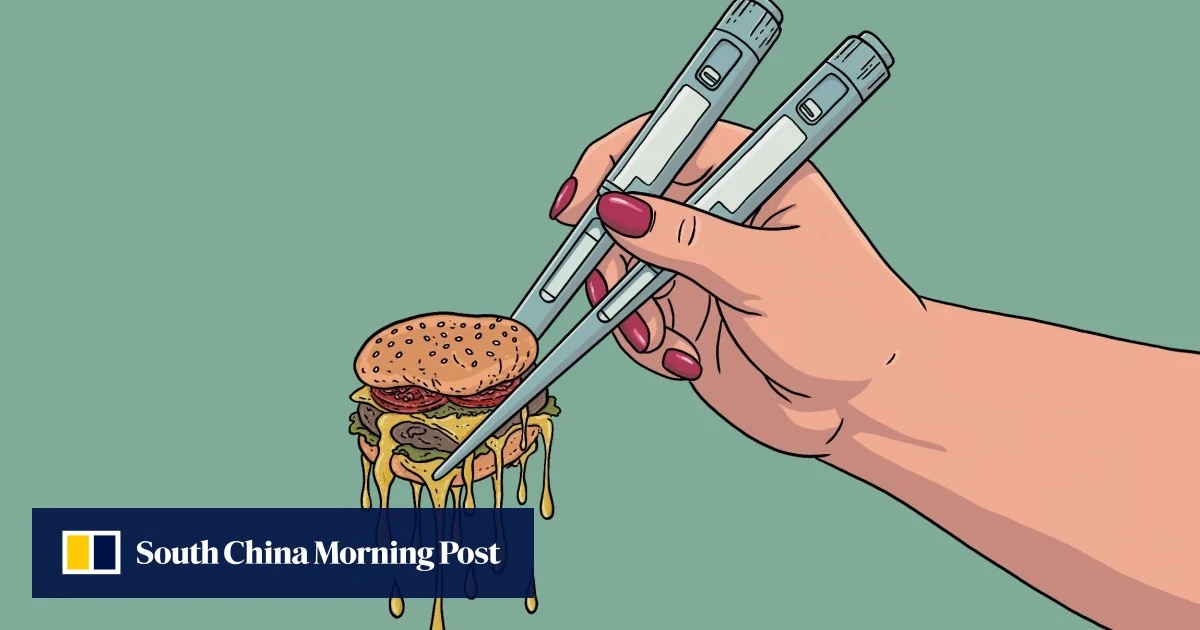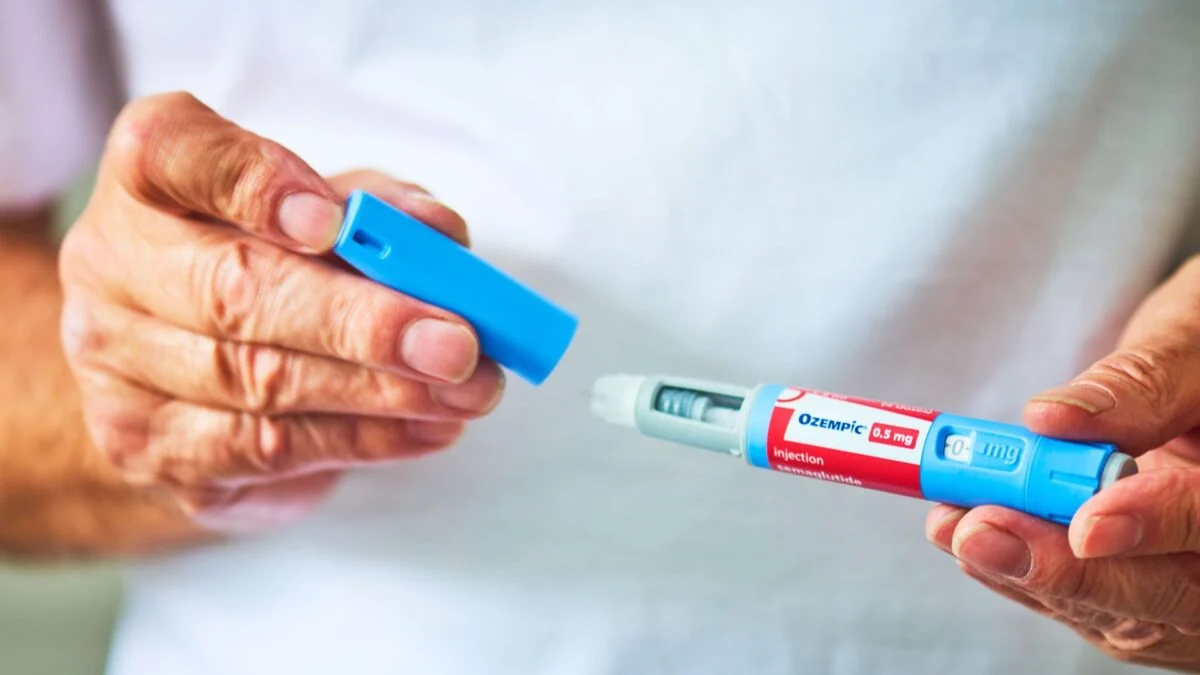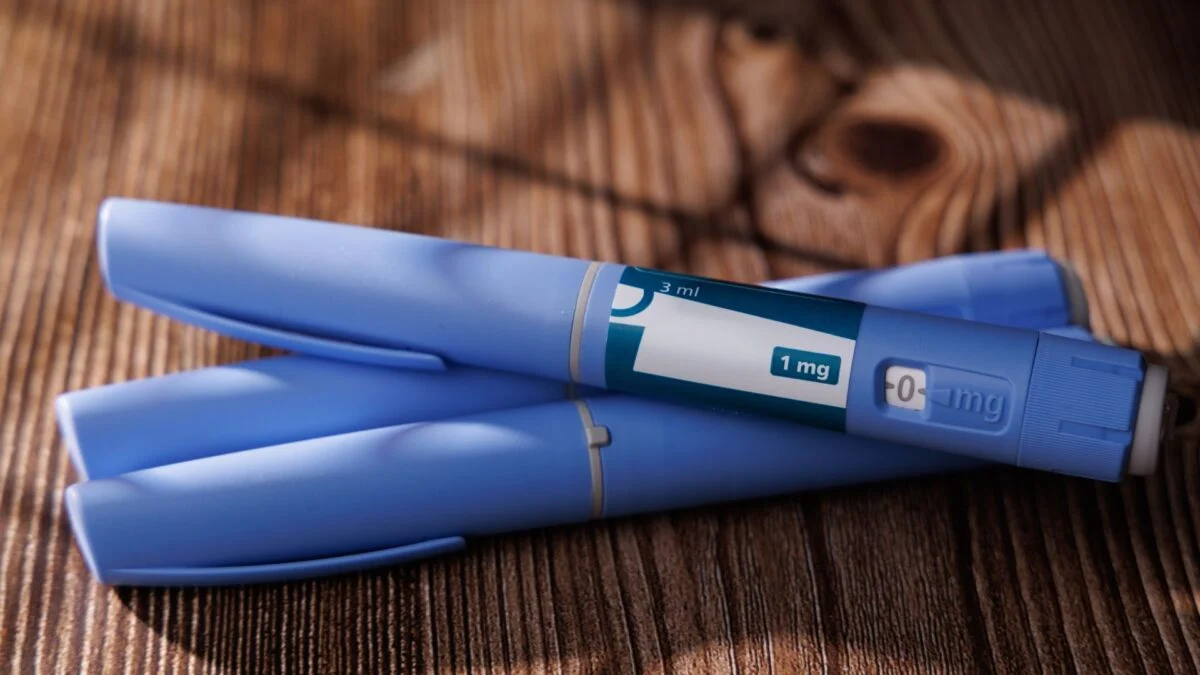
GLP-1 medications like semaglutide, the active ingredient in Ozempic and Wegovy, have become some of the most popular drugs in the world. Its popularity is extending to teenagers and young adults, too, research out this week shows. Researchers at the University of Texas Southwestern Medical Center examined medical records from teens and young adults across the country receiving treatment for obesity. The number of young people on GLP-1s has steadily risen since 2022, they found, while the rate of bariatric surgery has declined. Though only a small percentage of people in these age groups are using GLP-1s in combination with surgery, there should be more done to ensure the best results for them down the road, the researchers say. “These findings underscore the rapid transformation of obesity care for [teens and young adults] and highlight the need for evidence-based guidance on treatment sequencing and long-term outcomes,” they wrote in the paper, published Monday in JAMA Pediatrics. The rise in early-life GLP-1 therapy Though the prevalence of obesity in U.S. children and teens is lower than it is in the general public (roughly 20% vs. 40%), the rate has similarly risen in recent decades. Right now, however, there is still some debate about the value of GLP-1 therapy for these youngest populations. In 2023, the American Academy of Pediatrics endorsed the use of these medications for children with obesity over the age of 12, following the regulatory approval of Novo Nordisk’s Wegovy for that age group. Other organizations, such as the U.S. Preventive Services Task Force, have declined to do so, citing a lack of strong enough data at this time.
Ozempic Is Quietly Becoming the Go-to Weight Loss Treatment for Teens
GLP-1 use is rising fast among teens and young adults and it's displacing bariatric surgery, a new study suggests.
767 words~3 min read