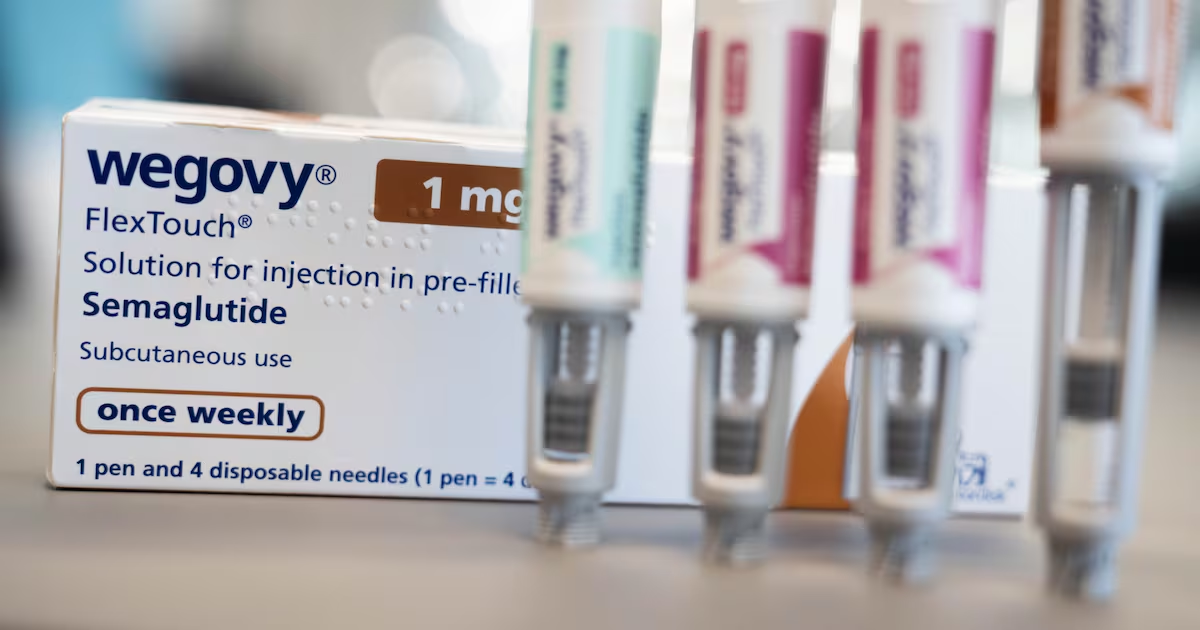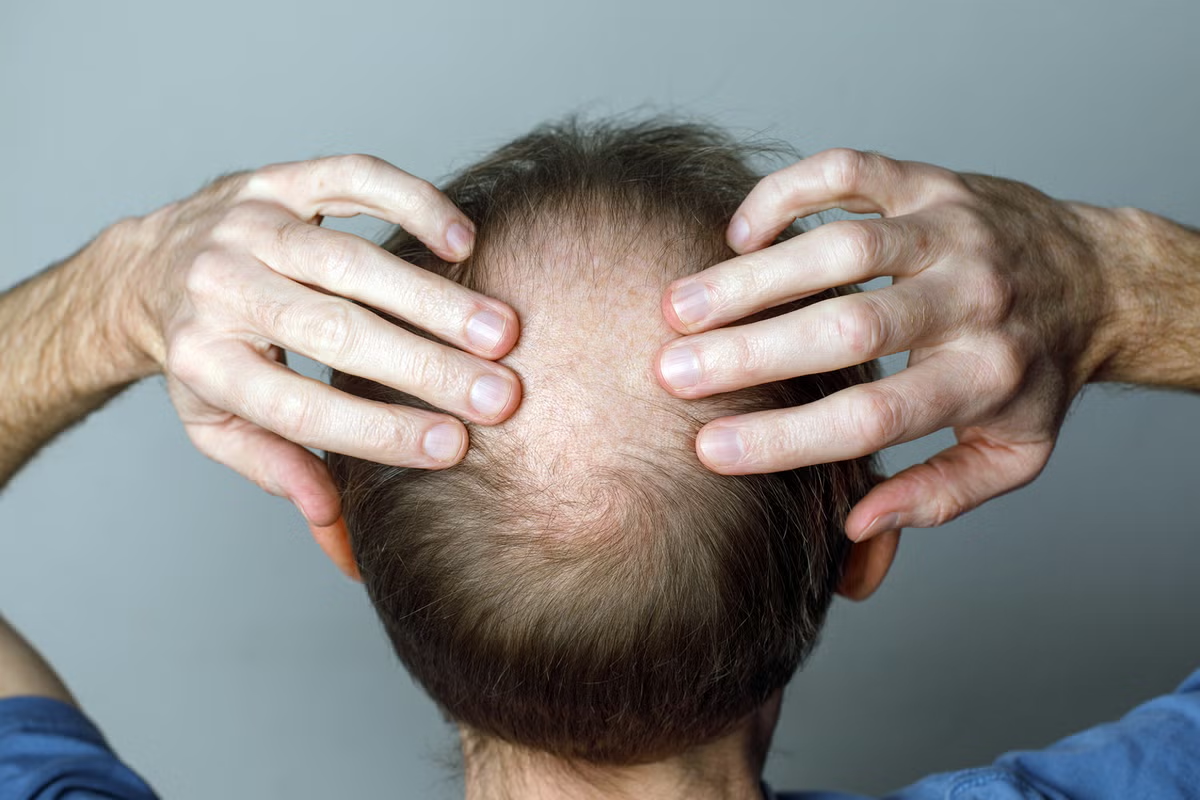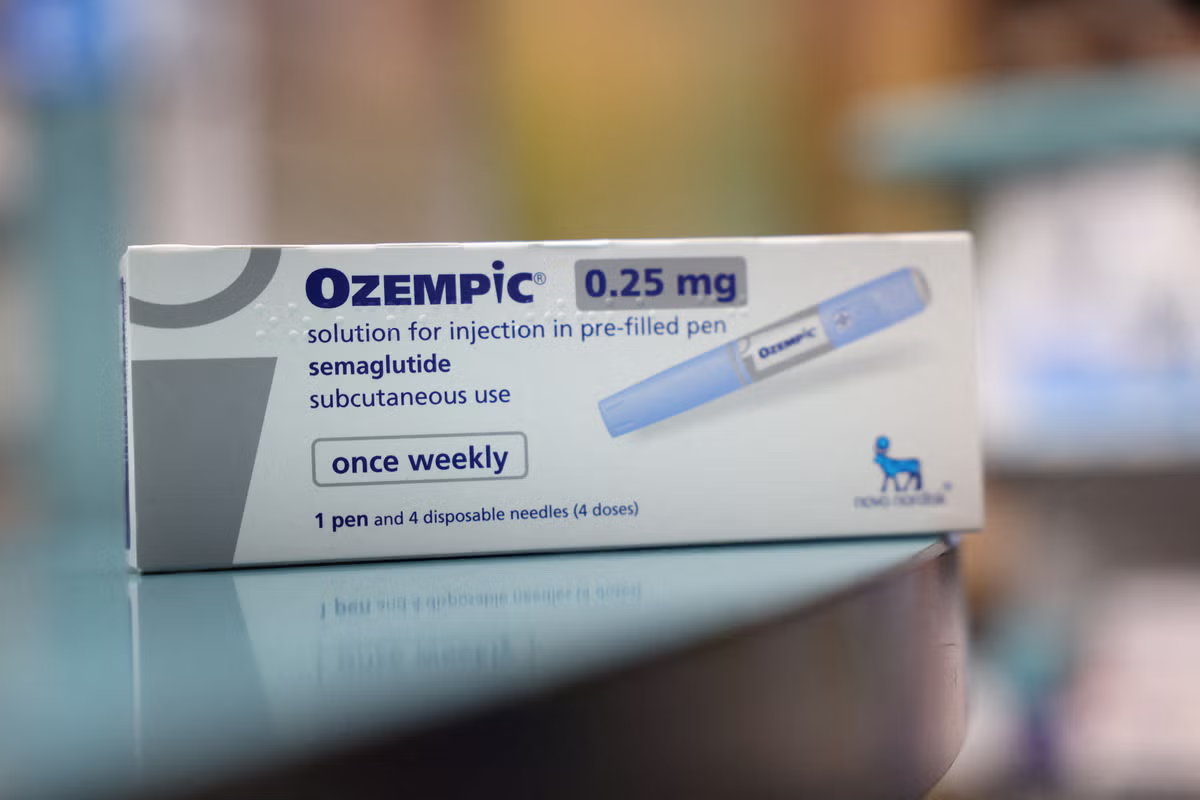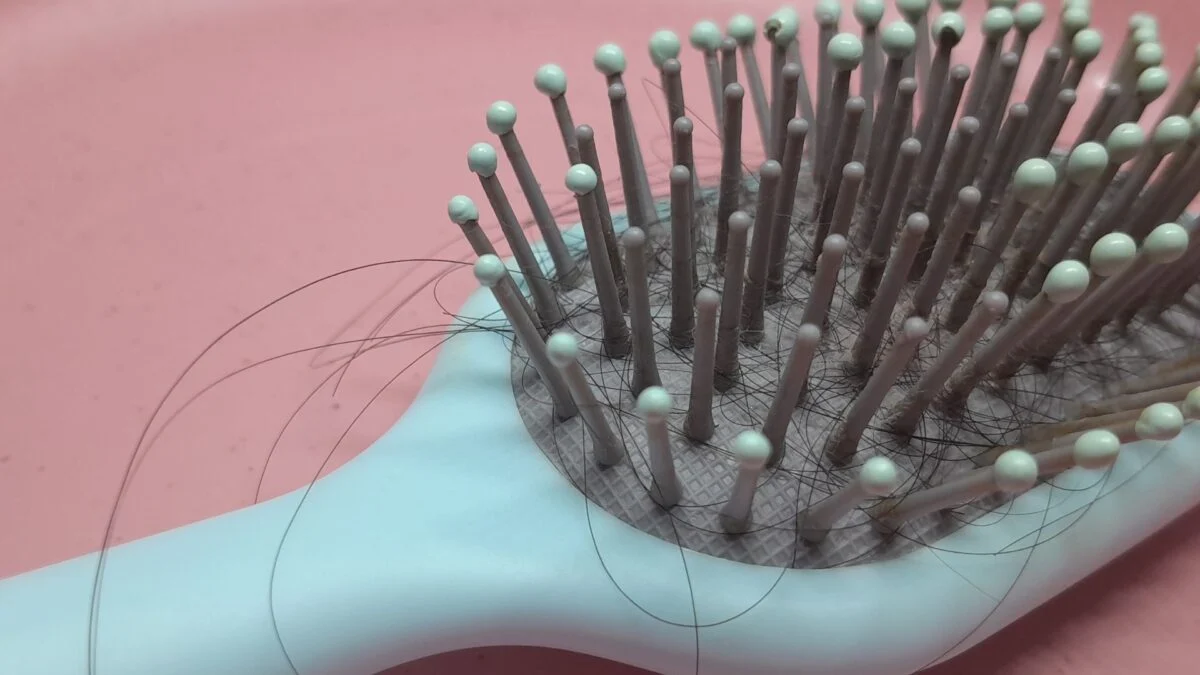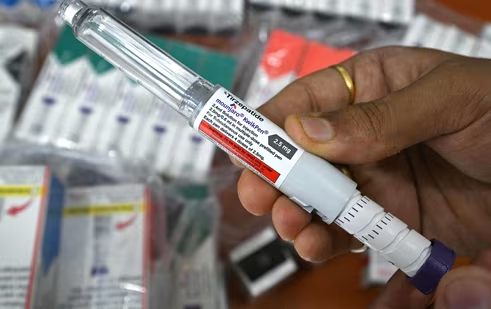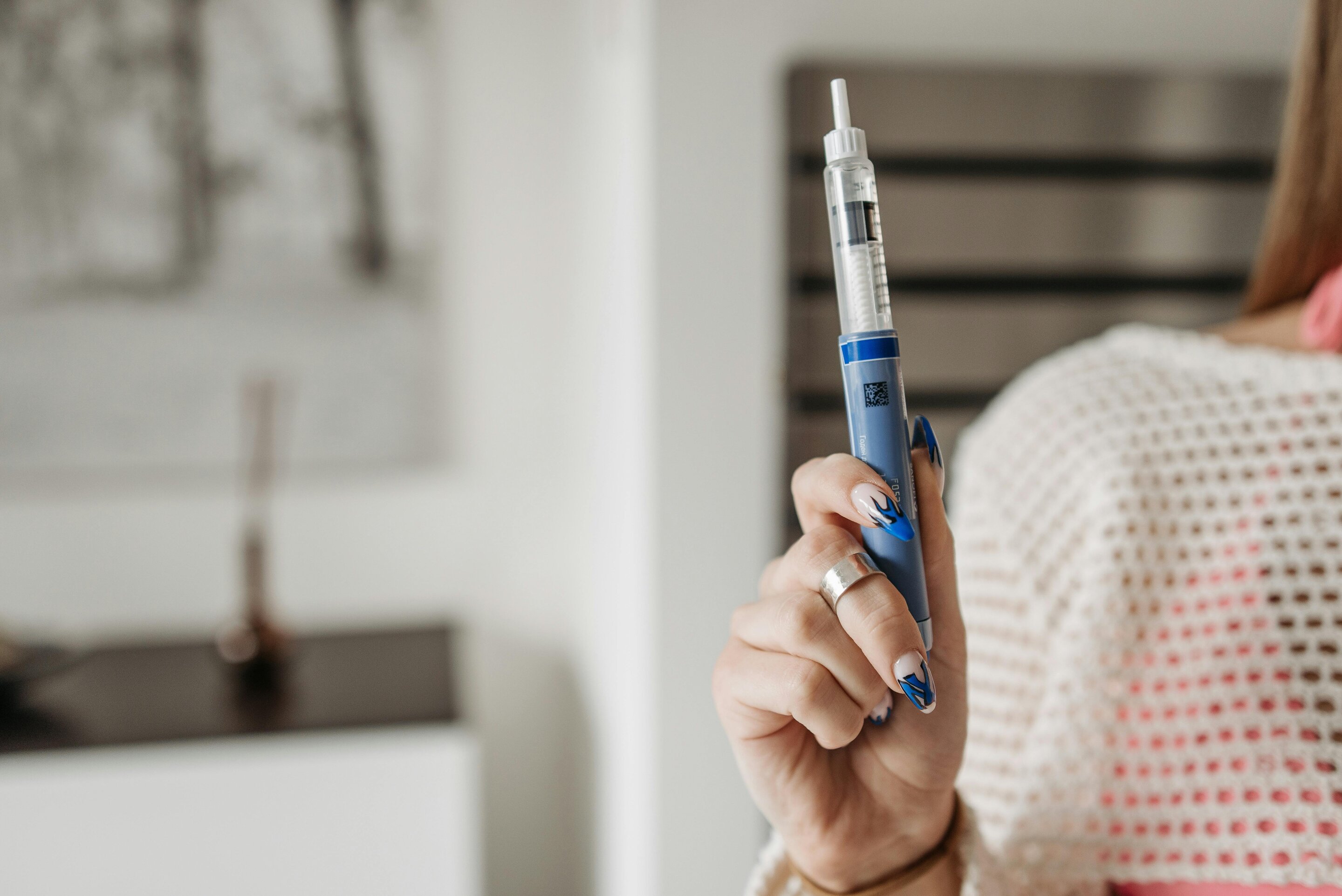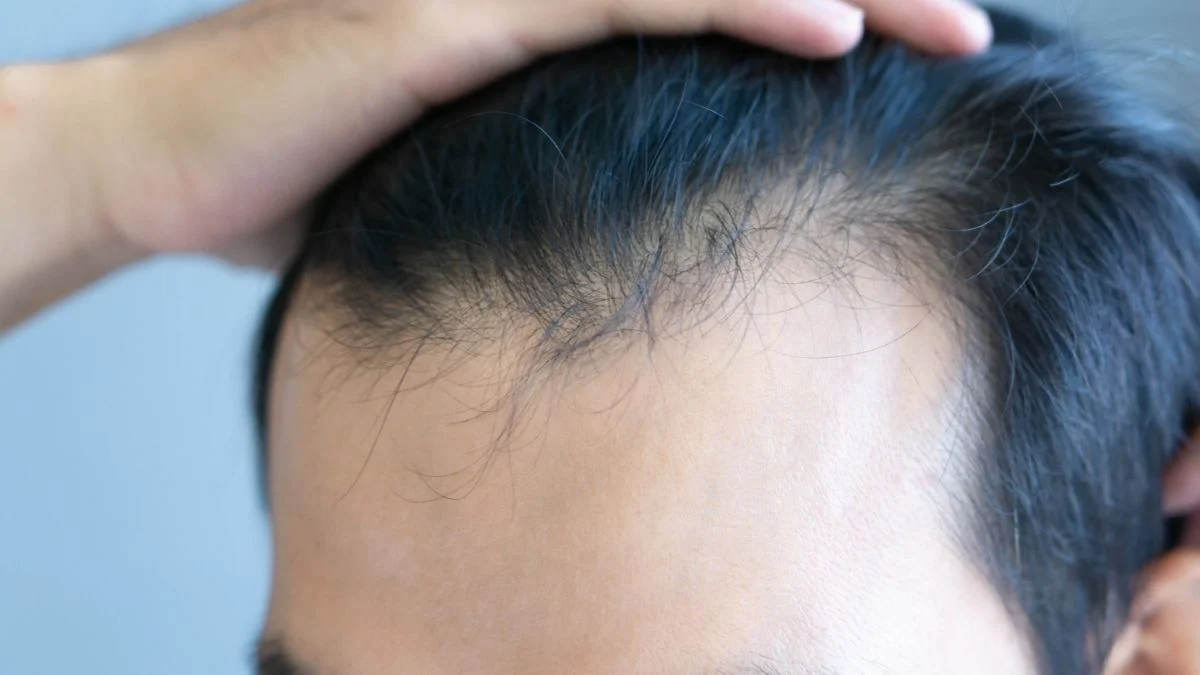
GLP-1 drugs such as Wegovy and Ozempic have been revolutionary for obesity and type 2 diabetes treatments, but questions remain about some of the side effects and potential negative impacts of these medications.One of those negative impacts could be alopecia, or hair loss. It's something doctors and researchers have started noticing, but as yet we don't have much in the way of solid evidence about a connection.A new study published in The BMJ, led by a team from the University of Pennsylvania, looks specifically at how GLP-1 drugs compared to two other common diabetes treatments – SGLT-2 inhibitors and DPP-4 inhibitors – for people with type 2 diabetes.There was a notable link between GLP-1 treatments and hair thinning: a 37 percent higher risk compared to SGLT-2 inhibitors, and a 68 percent higher risk compared to DPP-4 inhibitors. The link was specific to non-scarring alopecia (meaning the hair could potentially grow back)."GLP-1 receptor agonist use was associated with a higher risk of clinically recorded alopecia, particularly non-scarring alopecia, in patients with type 2 diabetes, compared with SGLT-2 and DPP-4 inhibitors," write the researchers in their published paper."These findings may inform shared decision making when considering GLP- 1 receptor agonist therapy and highlight the need for further evaluation of dermatological outcomes in future studies."Hair loss risk was greater with GLP-1 compared to SGLT-2 inhibitors. (Tang et al., BMJ, 2026)The study involved a large number of people: 12,004 patients using GLP-1 drugs were compared to 15,221 using SGLT-2 inhibitors, with an additional 11,964 GLP-1 users compared to 11,233 using DPP-4 inhibitors.Other variables that could account for hair loss risk, including age, sex, ethnicity, and pre-existing conditions, were factored into the statistics.There was an increased risk for GLP-1 compared to DPP-4 inhibitors too. (Tang et al., BMJ, 2026)So what's going on here? Further study will be required to know for sure, but the researchers point out that rapid weight reduction is already associated with hair loss, as well as iron and zinc deficiencies – which might further disrupt the normal hair cycle."Weight loss and changes in nutritional status, common consequences of GLP-1 receptor agonist therapy, are established risk factors for telogen effluvium, a common and typically transient form of non-scarring hair loss, providing a plausible biological mechanism for this association," write the researchers.GLP-1 medications are named after glucagon-like peptide-1, a natural hormone that reduces appetite, slows digestion, and boosts insulin release. The 'receptor agonist' label that's often added refers to the way these drugs connect to and activate cell docking points called GLP-1 receptors, just like the real hormone.
Common Weight Loss Drugs Have Been Linked to a Higher Risk of Hair Loss
GLP-1 drugs such as Wegovy and Ozempic have been revolutionary for obesity and type 2 diabetes treatments, but questions remain about some of the side effects and potential negative impacts of these medications.
736 words~3 min read