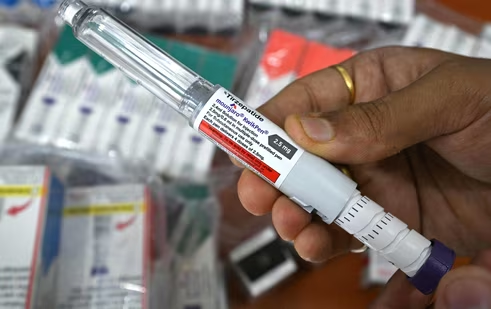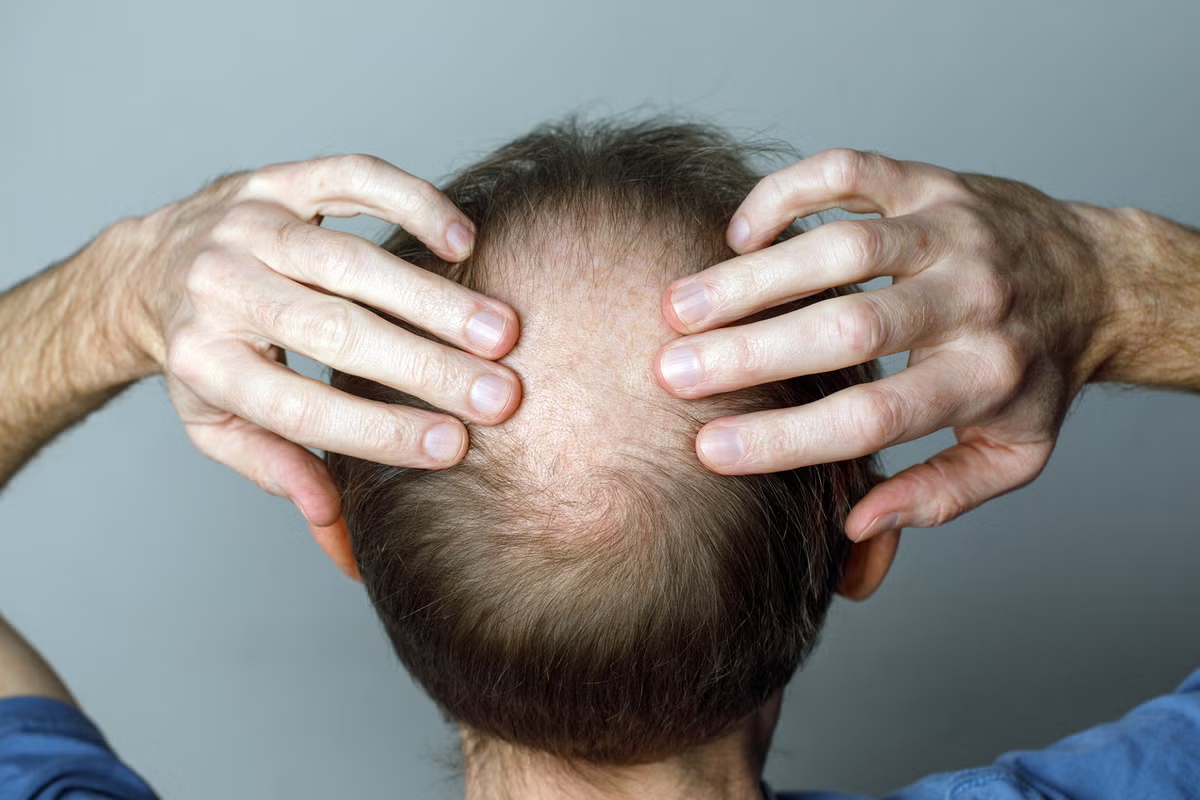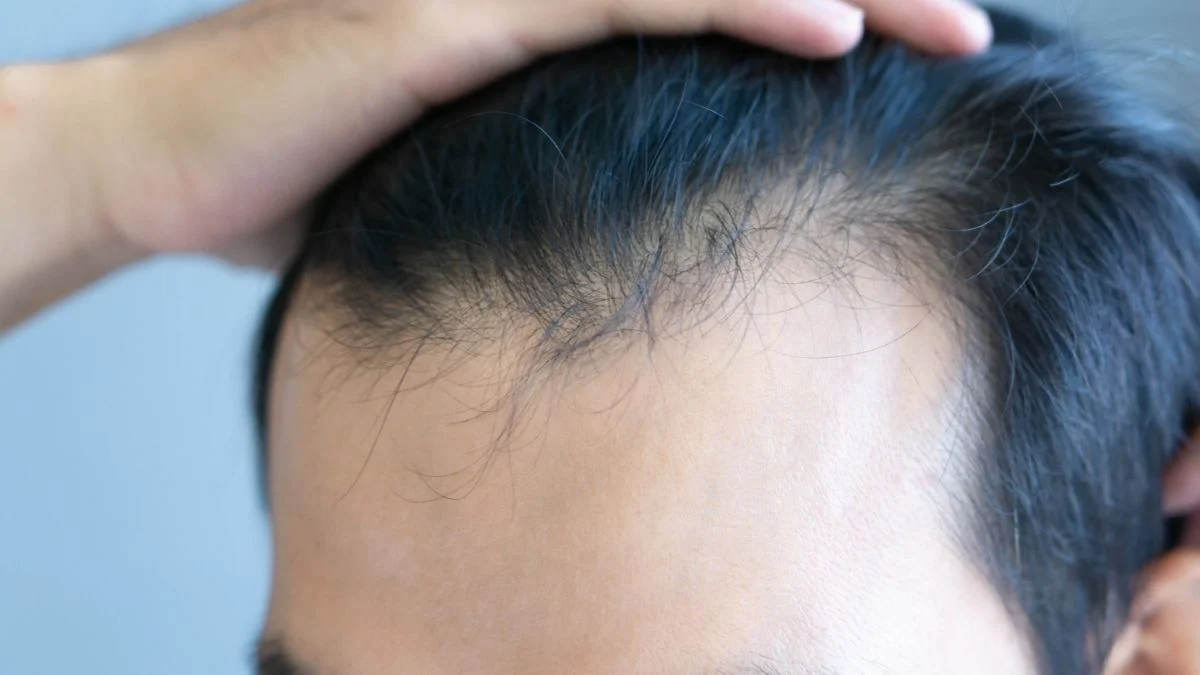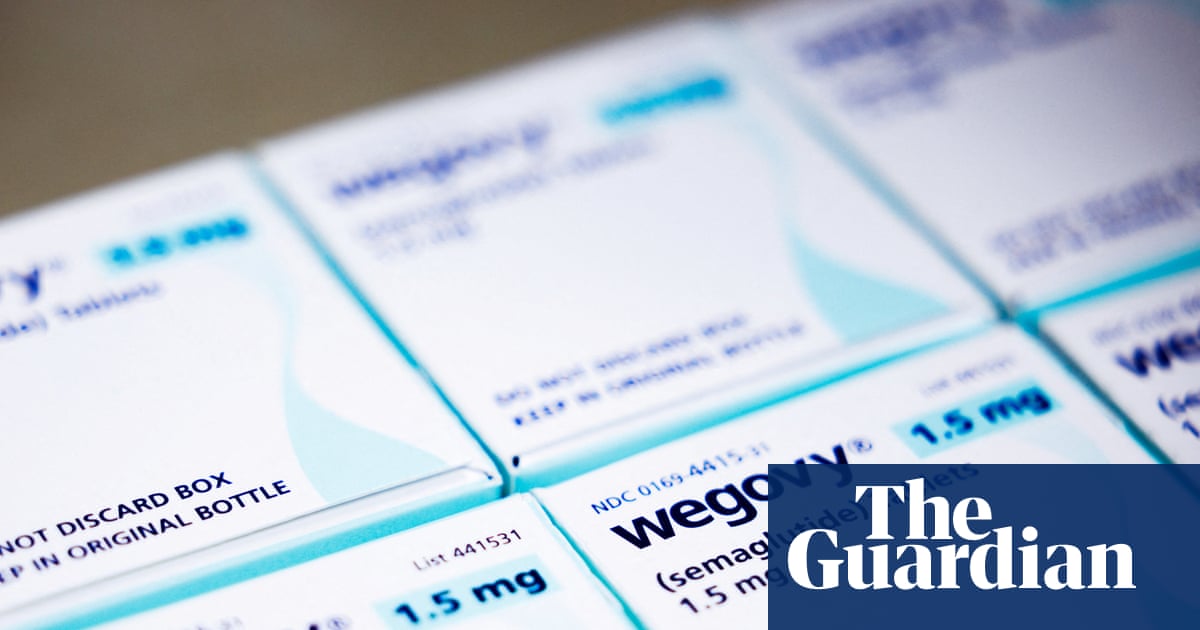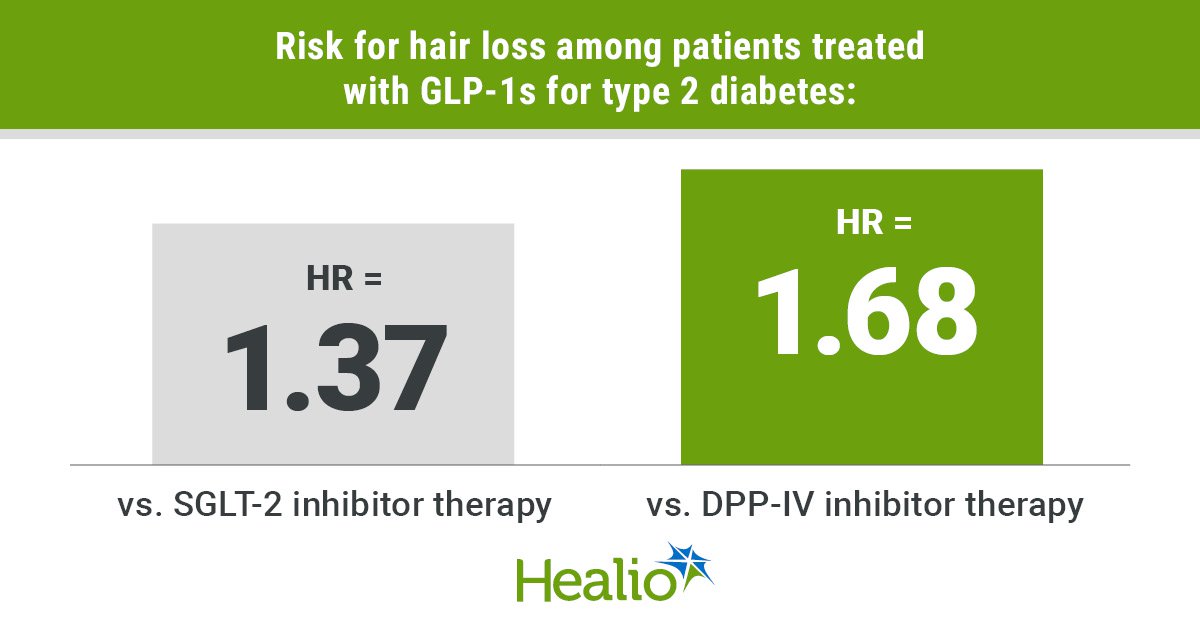
The use of glucagon-like peptide-1 (GLP-1) receptor agonists to treat type 2 diabetes and obesity is associated with an increased risk of hair loss (alopecia) in adults with type 2 diabetes, a study published by The BMJ finds. Although the absolute risk is low, awareness of this potential effect may help inform shared treatment decisions, the researchers say.
Alopecia has been reported as a possible side effect of GLP-1 receptor agonists, particularly semaglutide and tirzepatide. However, studies assessing the risk of alopecia associated with GLP-1 receptor agonists compared with other diabetes drugs are lacking.
To address this, researchers used electronic patient data from the University of Pennsylvania Health System (Penn Medicine) to compare rates of alopecia in adults with type 2 diabetes who started using GLP-1 receptor agonists or other types of diabetes drugs known as SGLT-2 inhibitors or DPP-4 inhibitors.
In total, 12,004 patients using GLP-1 receptor agonists were compared with 15,221 using SGLT-2 inhibitors, and a further 11,964 GLP-1 users were compared with 11,233 DPP-4 inhibitor users between January 2019 and September 2024.
Compared with SGLT-2 inhibitor users, GLP-1 receptor agonist users were younger (mean age 58 vs. 65), had a higher body mass index (36.2 vs. 32.3), and had lower rates of cardiovascular and chronic kidney diseases. Similarly, GLP-1 users were younger (mean age 58 vs. 67) and had a higher body mass index (36.2 vs. 31.3) than DPP-4 inhibitor users.