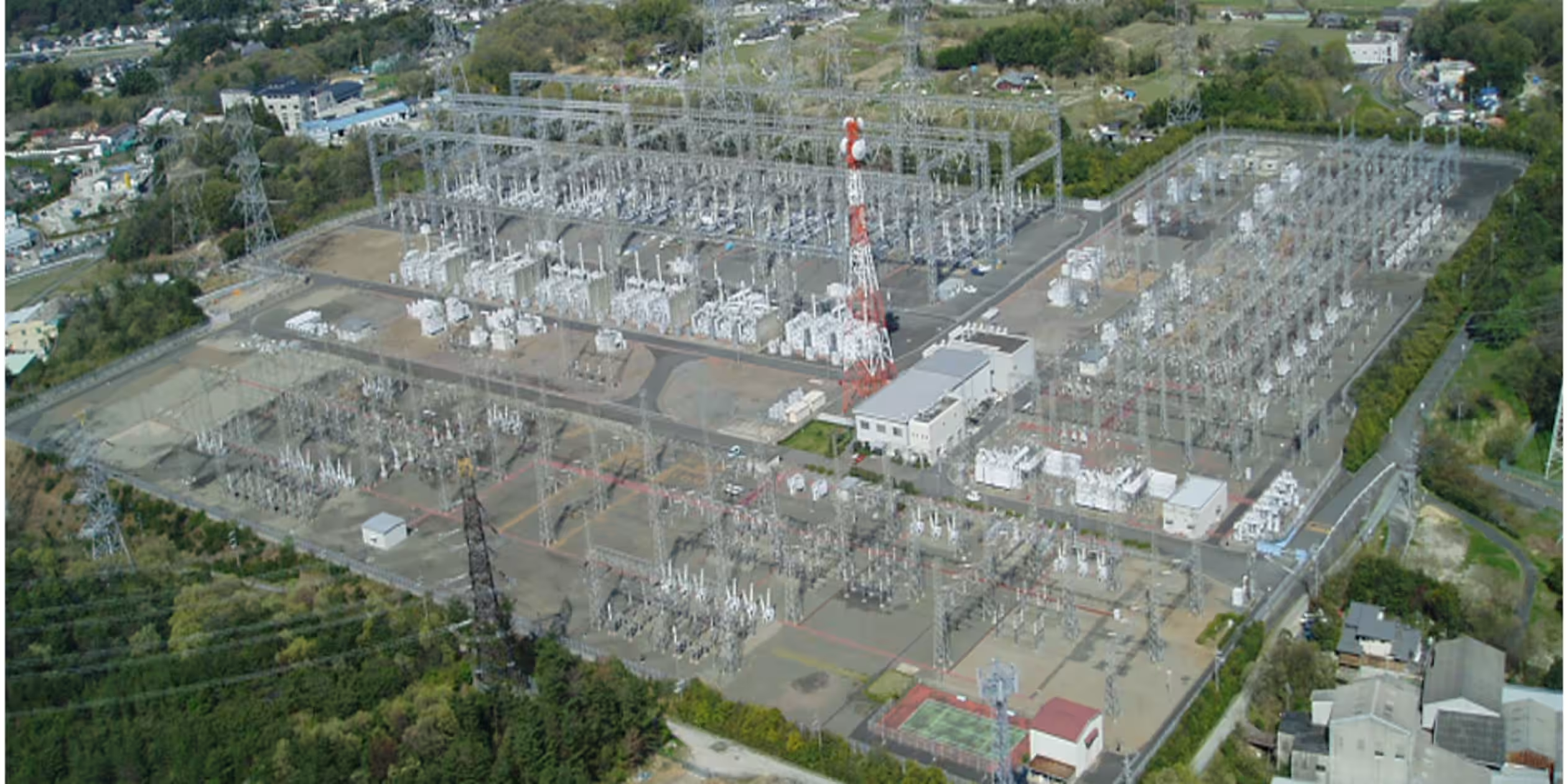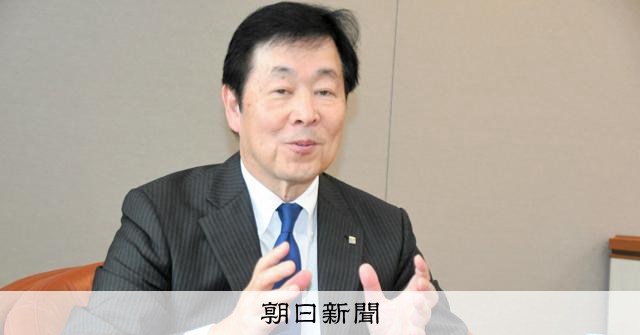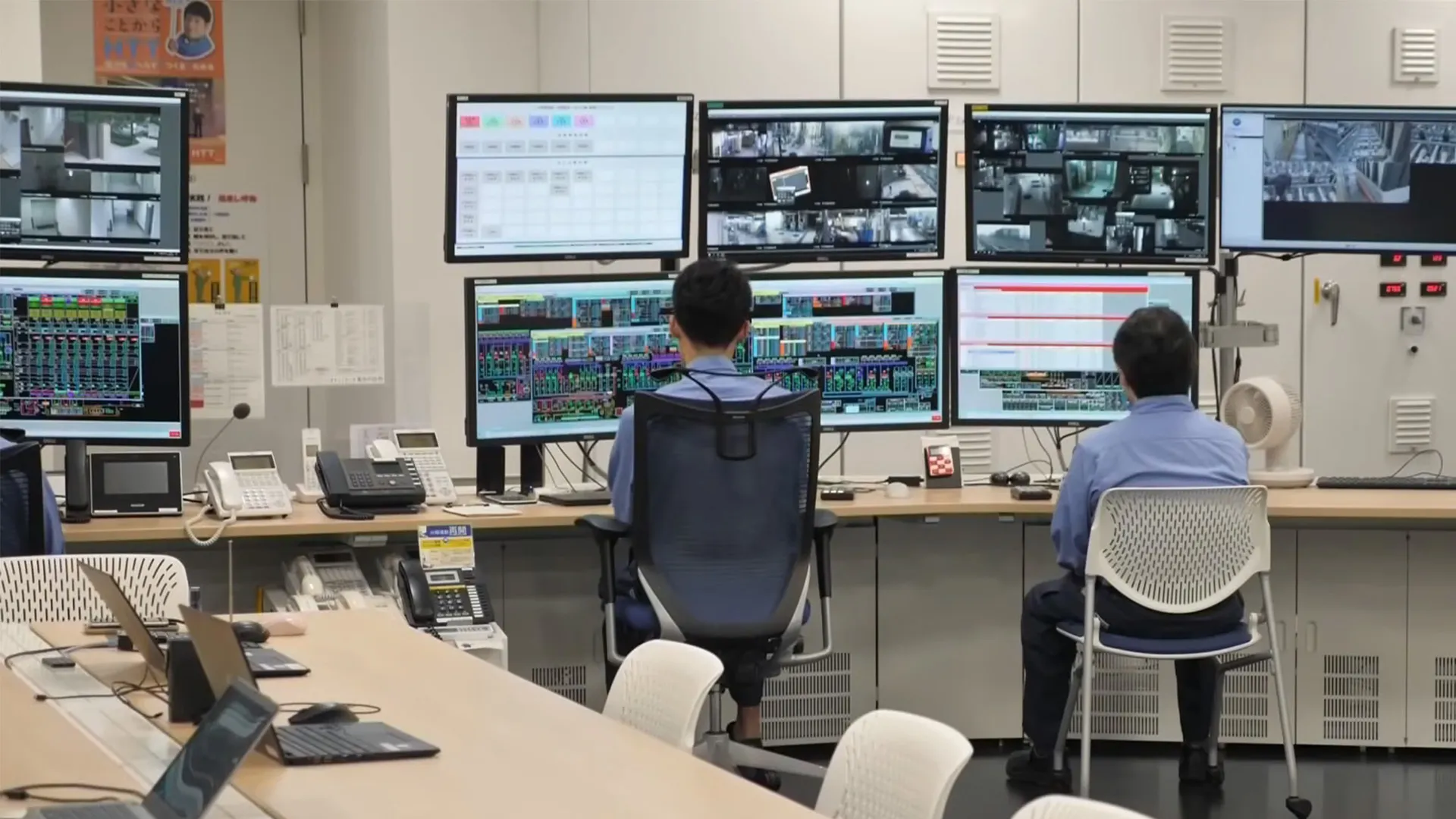
Tokyo, Japan – Beneath the business towers of Tokyo’s Otemachi district, a test is taking place to see whether artificial intelligence can help solve one of Japan’s biggest economic challenges: a shrinking workforce.Deep underground, Marunouchi Heat Supply Company operates a 30km (18.6-mile) network of heating and cooling pipelines serving offices, commercial buildings and transport facilities in one of Japan’s most important business areas. The company is now using AI to manage this complex infrastructure with the goal of moving towards more automated operations by 2027.Developed with the Tokyo-based AI company Preferred Networks, the project uses PlantPilot, an AI system trained on historical operating data and the expertise of experienced engineers. By analysing sensor information and predicting future conditions, the system provides recommendations designed to improve efficiency while preserving decades of accumulated technical knowledge.For Japan, the country leading the rest of the world in ageing, the project represents more than an infrastructure upgrade. It reflects a broader response to a demographic crisis reshaping the world’s third largest economy.“Our biggest challenge is securing skilled personnel,” said Hidetaka Yagi, assistant general manager of the Development and Engineering Department at Marunouchi. “As experienced workers retire, we face the risk of losing valuable operational knowledge. AI can help preserve that expertise and pass it on to the next generation.”‘Goal is to use AI to solve real problems’Japan’s ageing population has created labour shortages across industries, from manufacturing and logistics to energy and healthcare. Unlike concerns in some countries that automation will replace workers, Japan is increasingly positioning AI as a partner – a tool to extend human capabilities rather than eliminate them.The Marunouchi experiment reflects this approach. The goal is not to remove engineers from decision-making but to combine human experience with AI’s ability to process large volumes of data and support faster, more efficient decisions.However, Japan’s AI challenge goes beyond improving existing systems. The country is also seeking to rebuild its position in a global technology race in which it has struggled to keep pace with the United States and China.Japan is trying to use technology to respond to demographic decline while creating a model of innovation suited to its own circumstances [Maha Matsumura/Al Jazeera]Despite its reputation as a technology leader, Japan has produced relatively few globally influential digital companies. The US has about 690 unicorn start-ups – private companies valued at more than $1bn – while China has about 160. Japan has only about eight such companies, highlighting the gap between its technological reputation and its start-up ecosystem.One company aiming to change that picture is Sakana AI, one of Japan’s most closely watched artificial intelligence start-ups. Based in Tokyo, the company has expanded rapidly, growing from about 50 employees to 150 within a year. It has moved beyond research into commercial applications, launching products such as Sakana Chat, Sakana Marlin and Sakana Fugu.For Ren Ito, chairman of Sakana AI, Japan’s path to AI leadership should not be based on simply copying Silicon Valley.“If we try to compete with American companies in exactly the same way, we will not succeed,” Ito said. “Japan needs to develop different ideas, attract talented researchers and create new approaches to innovation.”Ito argued that the future of AI will not belong only to countries that spend the most money building the largest models. Developing advanced AI systems requires enormous resources with US companies such as OpenAI, Google and Anthropic investing heavily in computing infrastructure and research.Instead, he said, Japan’s advantage could come from how it applies AI to real-world problems.“The goal is not to recreate OpenAI in Japan,” Ito said. “The goal is to use AI to solve real problems.”This vision reflects a traditional Japanese strength: adapting technology and turning it into practical solutions. Rather than focusing only on building large AI models, Japan can leverage its expertise in sectors such as energy, manufacturing and healthcare by integrating AI into existing industries.The Japanese government is also placing AI at the centre of its economic strategy. Tokyo plans to mobilise about 370 trillion yen ($2.3 trillion) in public and private investment by 2040, targeting artificial intelligence, semiconductors and advanced research.Yet investment alone may not be enough to restore Japan’s technological influence. The country’s research position has weakened in recent years with its challenges including funding pressures, competition for talent and the need to strengthen universities and research institutions.For policymakers, the lesson is clear: AI leadership depends not only on technology and investment but also on developing researchers, innovators and the next generation of scientific talent.Japan’s AI strategy, therefore, is driven by both necessity and ambition. The country is trying to use technology to respond to demographic decline while creating a model of innovation suited to its own circumstances.Artificial intelligence may not provide a complete solution to Japan’s economic pressures, but it is becoming a crucial tool in the country’s effort to remain productive, competitive and resilient in an era of profound change.
Japan’s AI gamble: Can technology offset the cost of an ageing society?
From underground networks to emerging AI start-ups, Japan is testing whether its greatest issue can be an opportunity.
812 words~4 min read