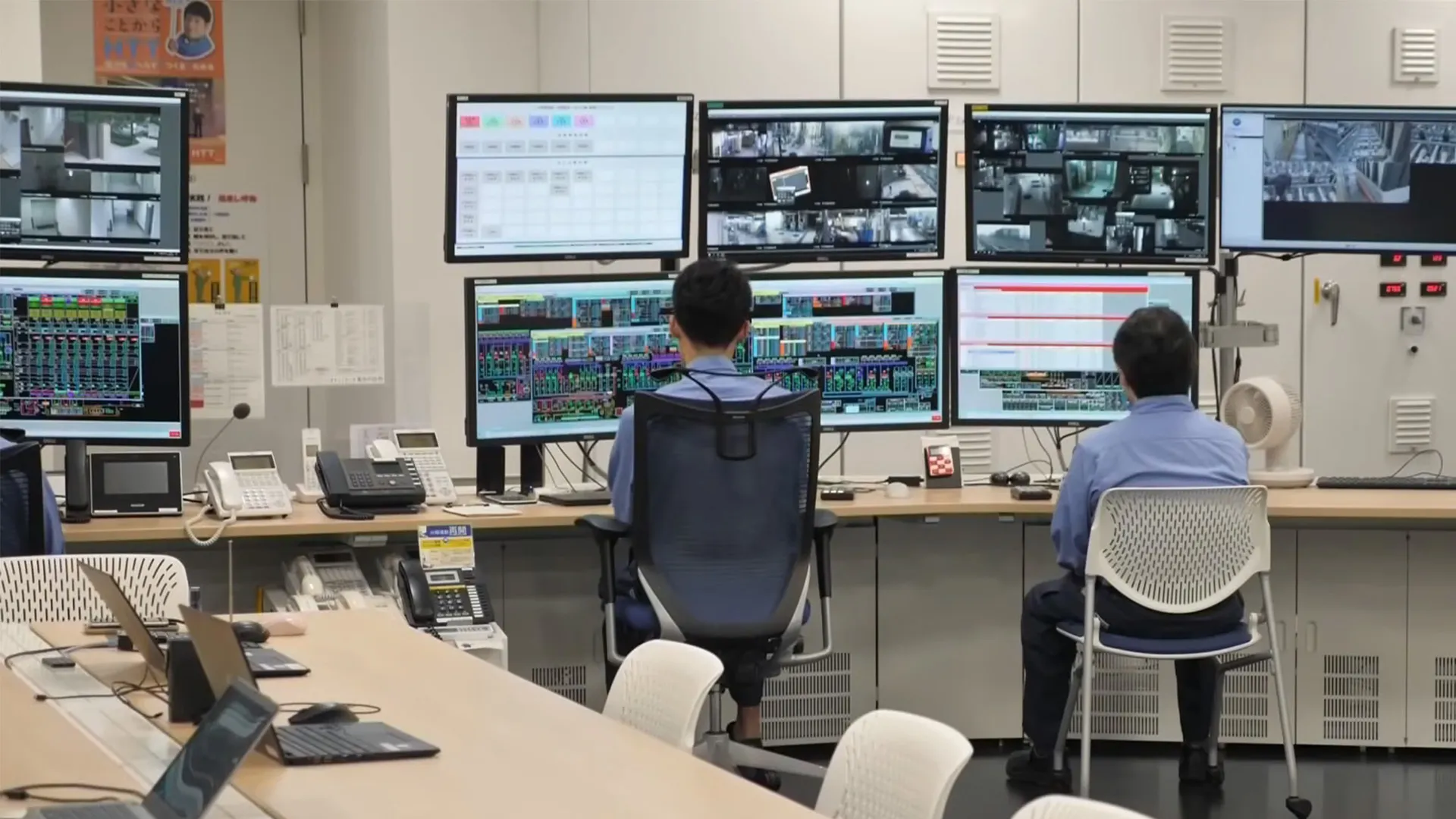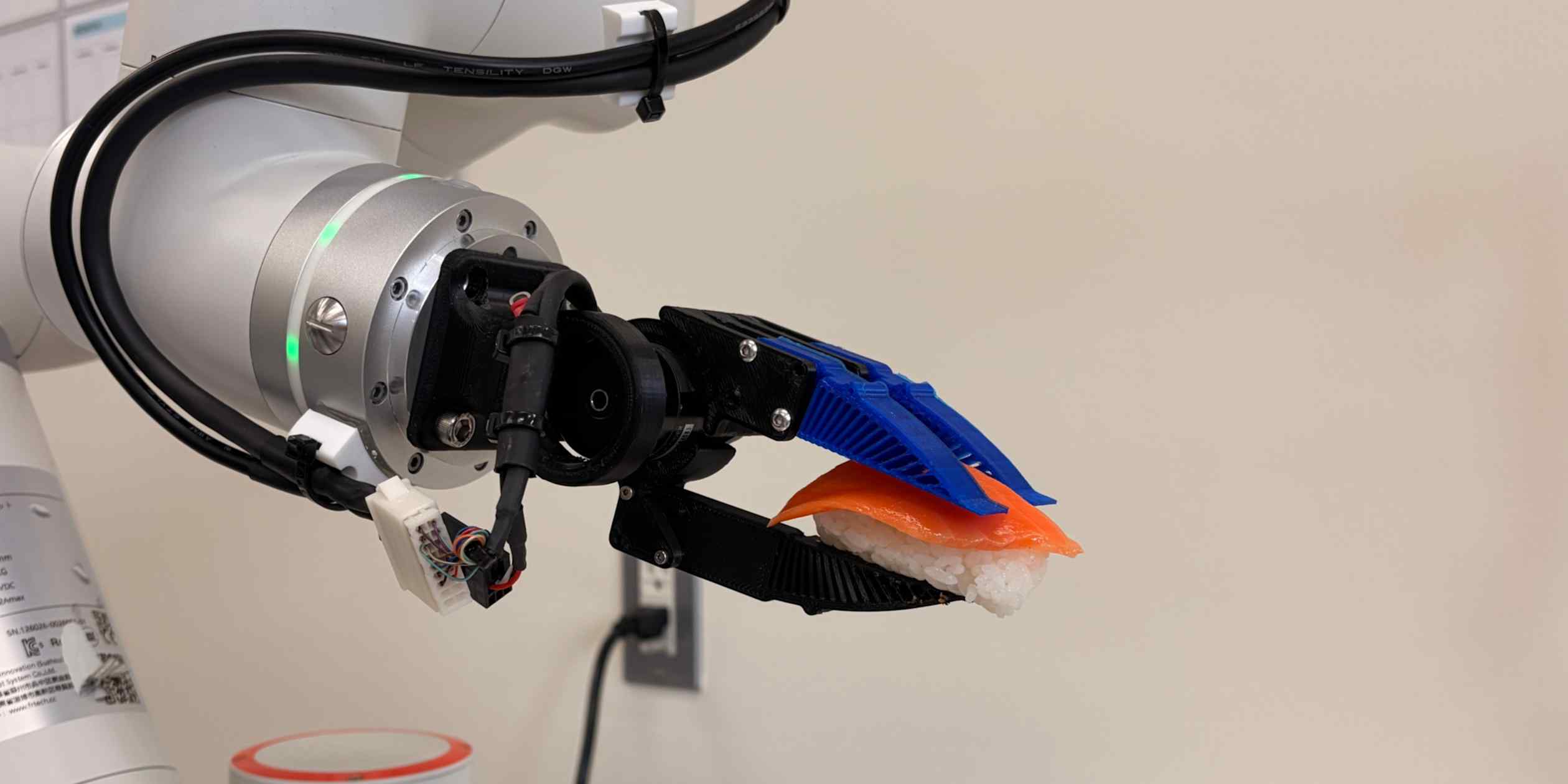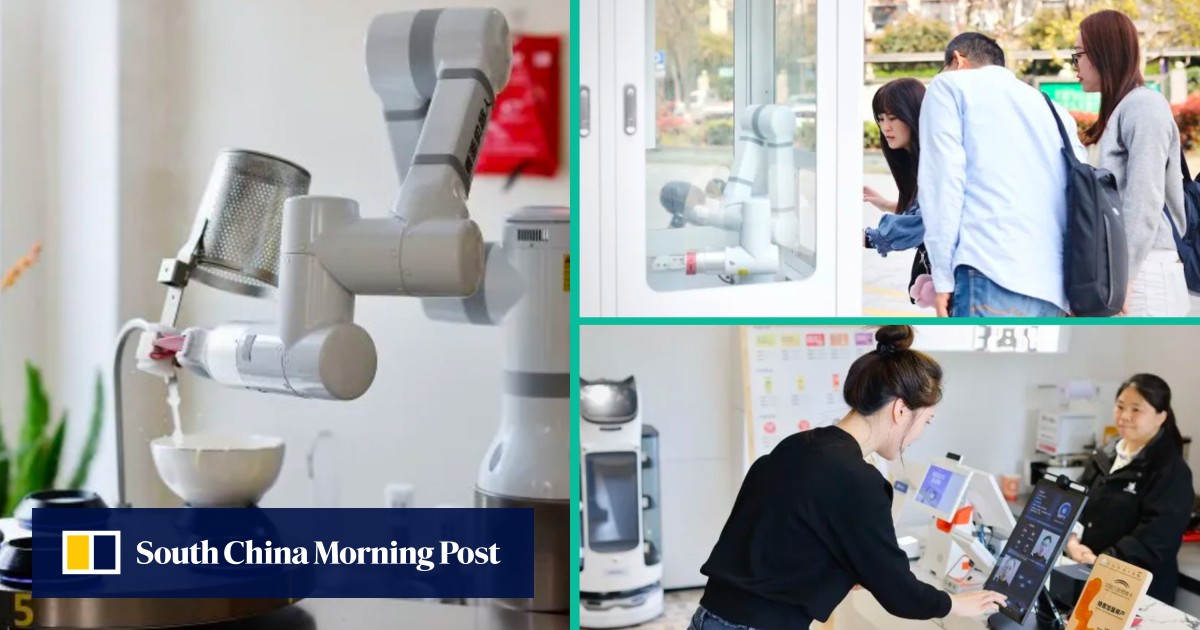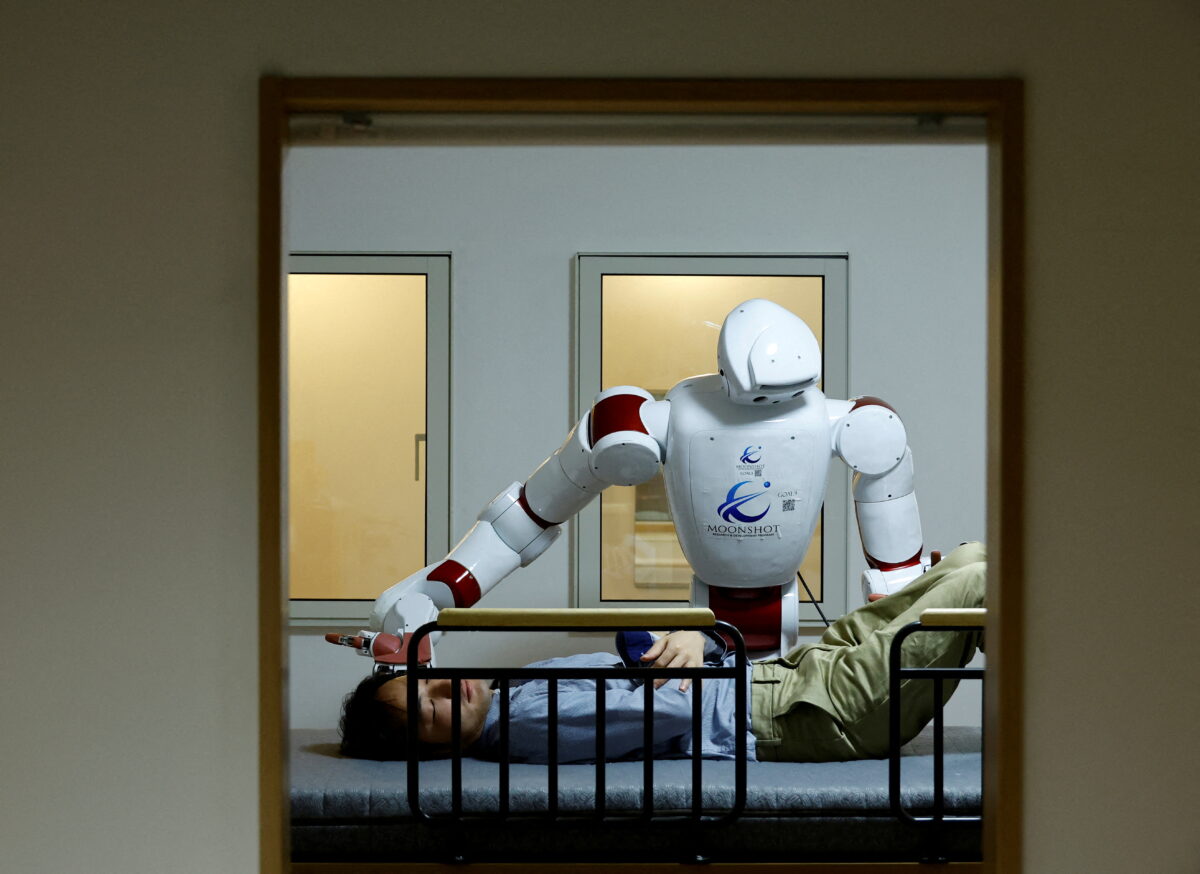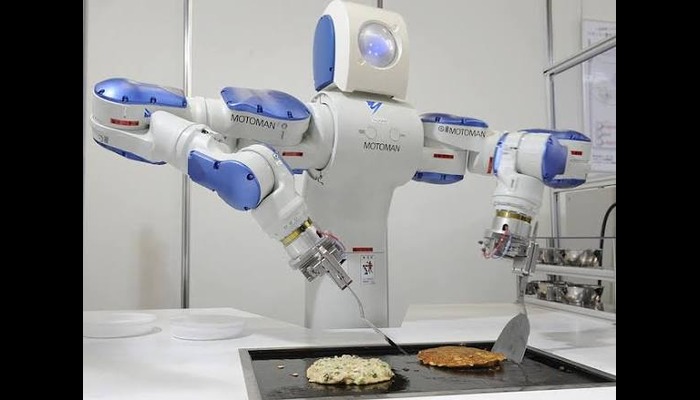
Japan’s food service sector is rapidly advancing to master and replicate the skills of veteran culinary professionals with artificial intelligence-powered robots in a bid to curb its ageing workforce, shrinking labour pool, and shortage of traditional successors.
The integration of automated culinary intelligence comes amid persistent supply-side pressures in the Japanese labour market as technological advancement is providing crucial relief to automate tradition and artisanal precision.
These AI models are powered by deep learning and are now capable of analysing vast datasets of images, thermal metrics, and motion patterns to digitise human technique.
Data from Japan’s Ministry of Health, Labour and Welfare highlighted the severity of the shortage, revealing that the job-openings-to-applicants ratio for food service workers stood at 2.31, significantly exceeding the national cross-industry average of 1.13.
In Kobe, Japan, a confectionery manufacturer,r Juchheim, recently established a dedicated showroom and training facility for “Theo,” an AI-equipped baking robot designed to recreate the precise preparation of baumkuchen.