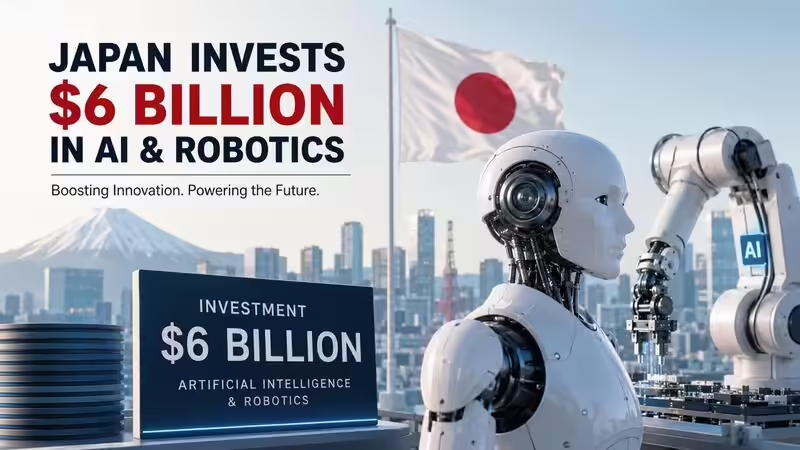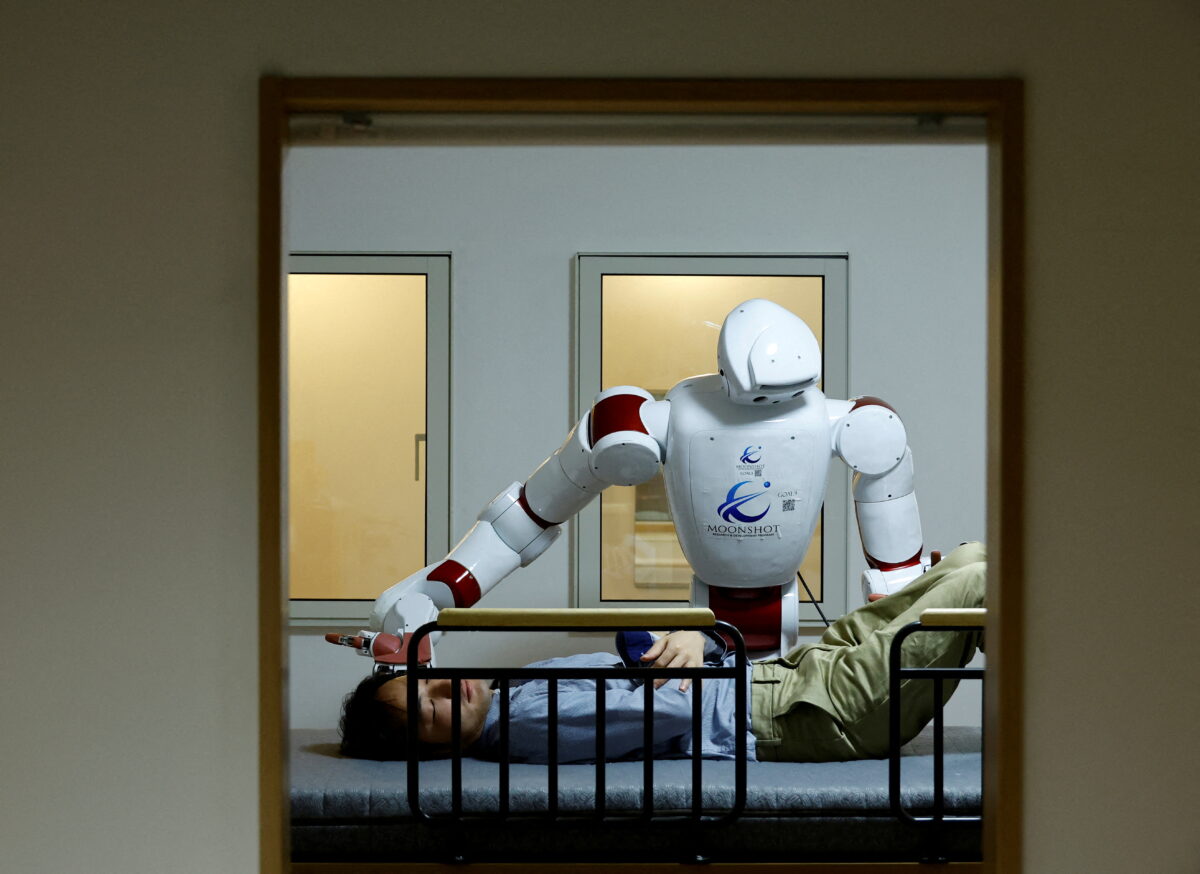
Japan is beginning to feel the labour shortages brought about by rapid population ageing, even as the economy shows faint signs of emerging from its long stagnation. Sustaining productivity growth under these demographic constraints requires paying due attention to the transformative potential of artificial intelligence (AI).
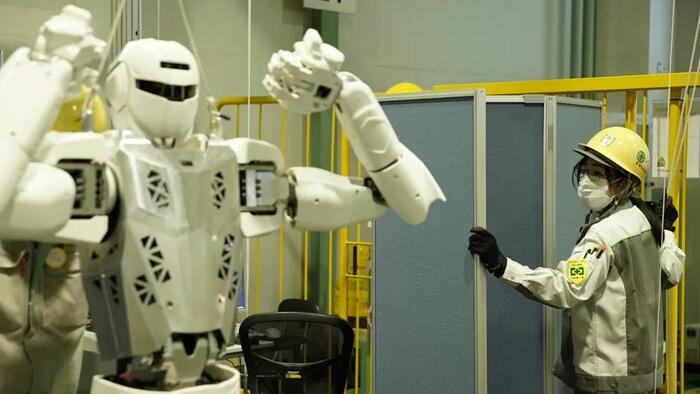
Unlike earlier waves of mechanisation like the 18th century Industrial Revolution, this technological change is not simply a substitution of capital for labour. It involves physical AI in manufacturing, logistics and eldercare, as well as vertical AI specialised in finance, healthcare and public administration. Task-level AI can also be embedded across corporate workflows.
Technology, labour and education policies all frame AI as a lever to confront demographic decline. Technology policy — exemplified by Japan’s ‘Society 5.0’ strategic vision — positions digitalisation and AI as engines of productivity growth and as a new industrial strategy to raise total factor productivity. Labour policy, recognising that Japan’s female and elderly labour force participation rates are already among the highest in advanced economies, expects AI to qualitatively enhance labour utilisation by assisting remote workers and digital workflows. Education policy emphasises AI literacy, digital skills and reskilling — though training systems often appear rooted in outdated institutional models.