https://arab.news/vpaxa
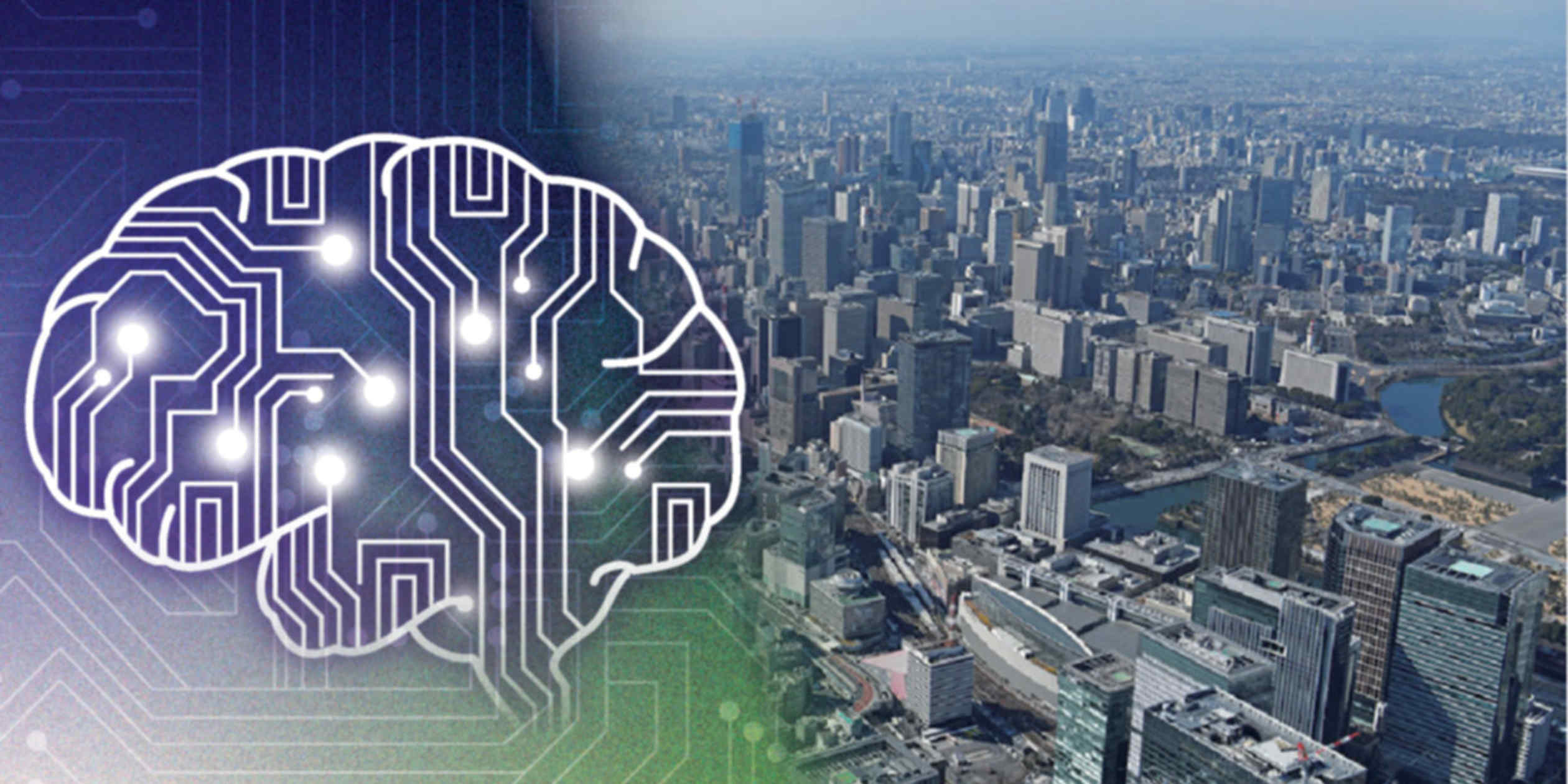
Pessimism about artificial intelligence abounds, with many fearing widespread job losses, soaring inequality and even the creation of deadly machines. In Japan, however, one finds marked optimism. We believe AI will help our country to overcome acute labor shortages, improve people’s daily lives and recover global tech leadership.
According to an Ipsos survey, a quarter of Japanese feel anxious about AI’s predicted impact on their lives — the lowest share of the 32 countries surveyed. Only about one in 10 Japanese believe AI will make the future worse, a far cry from the more than one-third of Americans who are pessimistic about the technology.
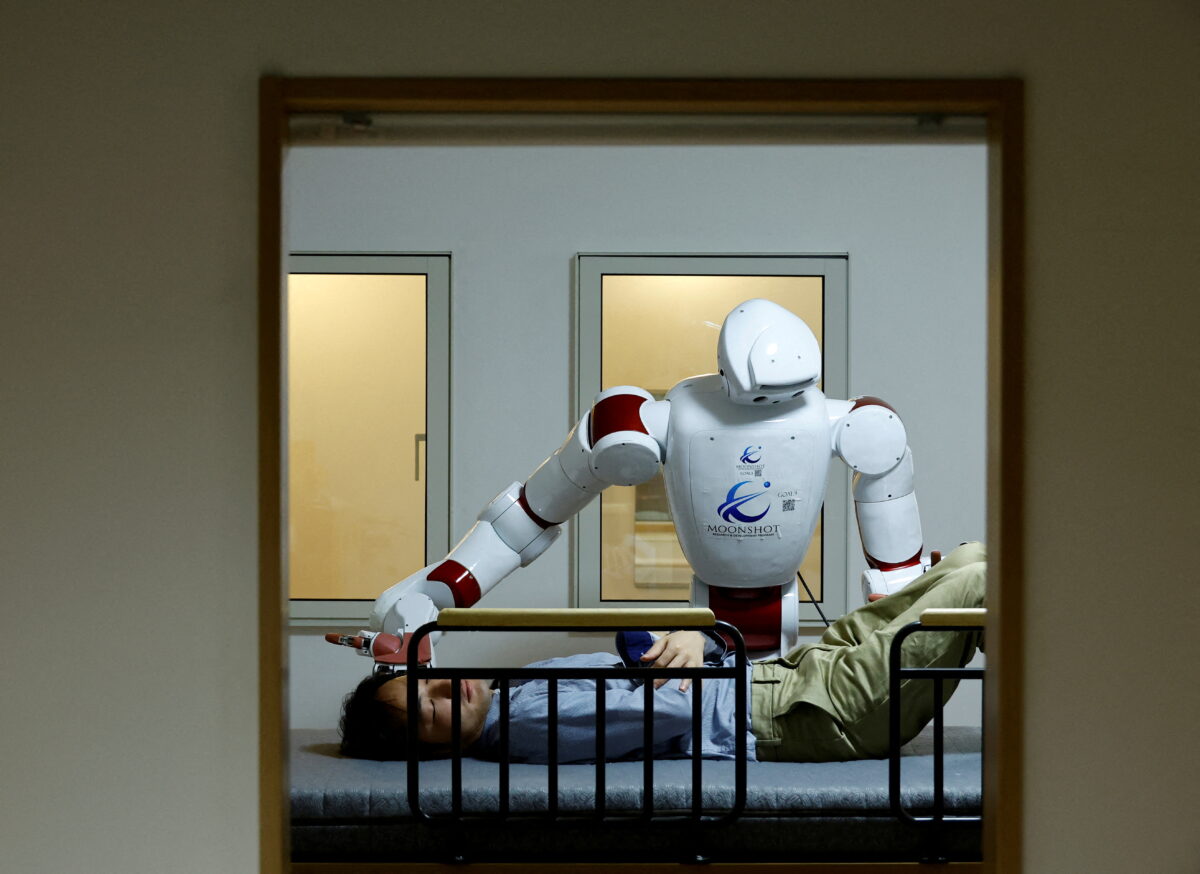
This divergence reflects several factors, but one of the most important may be Japan’s long history of working with machines. It is easy for us to imagine AI-powered applications and devices that aid, not replace, humans. At a time when Japan’s labor pool is shrinking — 30 percent of Japanese are already aged 65 and older — AI labor savings will be key to boosting productivity and saving critical industries.
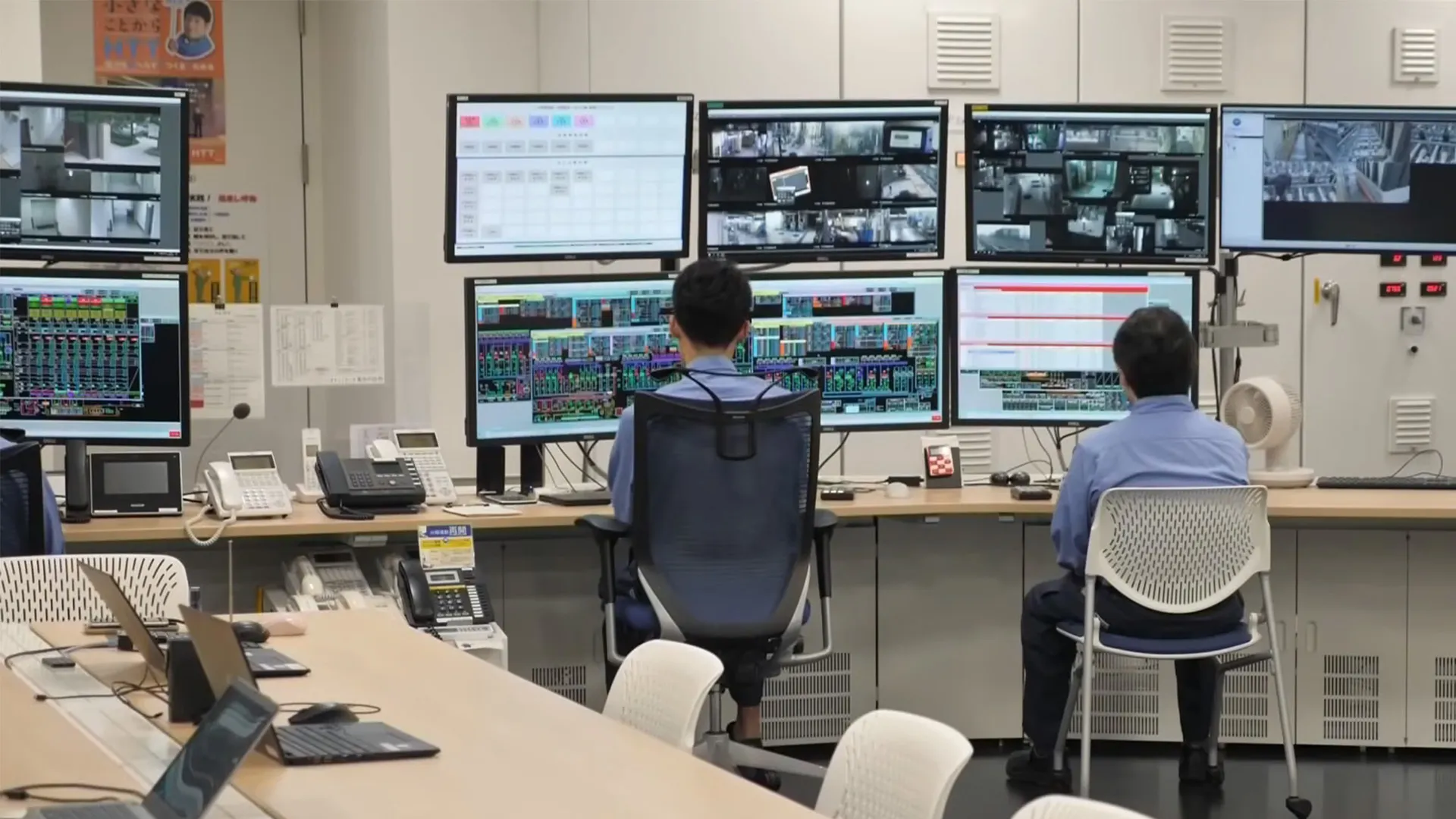
It is with this future in mind that Rakuten has invested in developing both large language models and small language models optimized for the Japanese language and culture. It is using AI to transform critical services, such as mobile networks. Instead of the vendor-locked, hardware-centric networks of the past, Rakuten Mobile’s network makes flexible systems possible, enabling operators to mix and match components, while also minimizing energy consumption. Potential glitches are reported, reviewed and fixed — all at a distance. Software upgrades are pushed out frequently. The network “learns” and makes fixes autonomously.