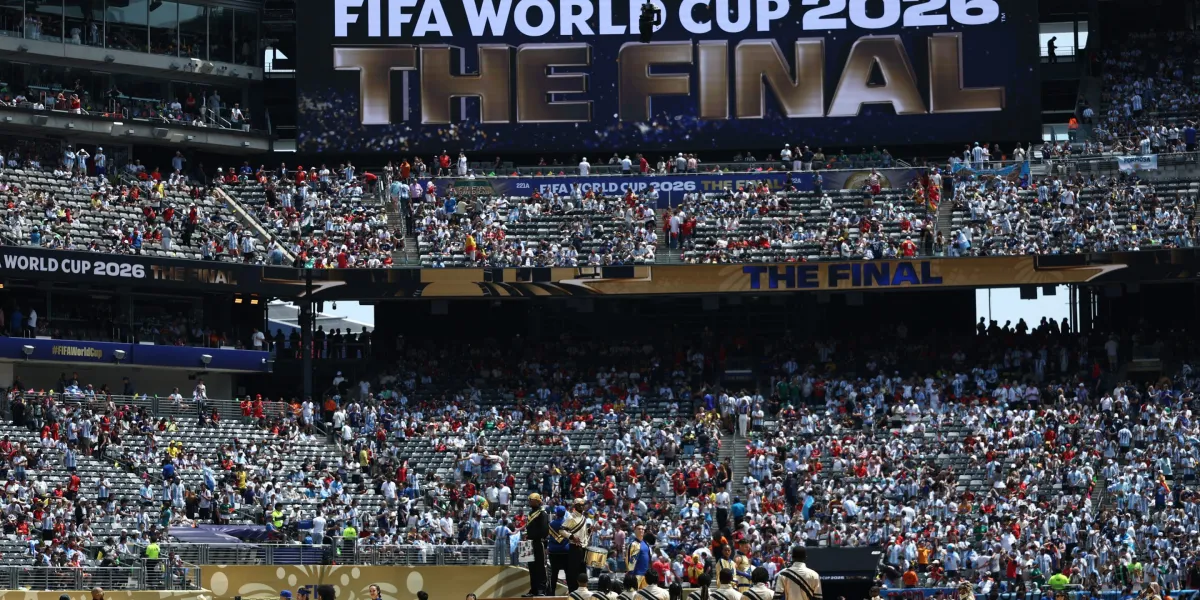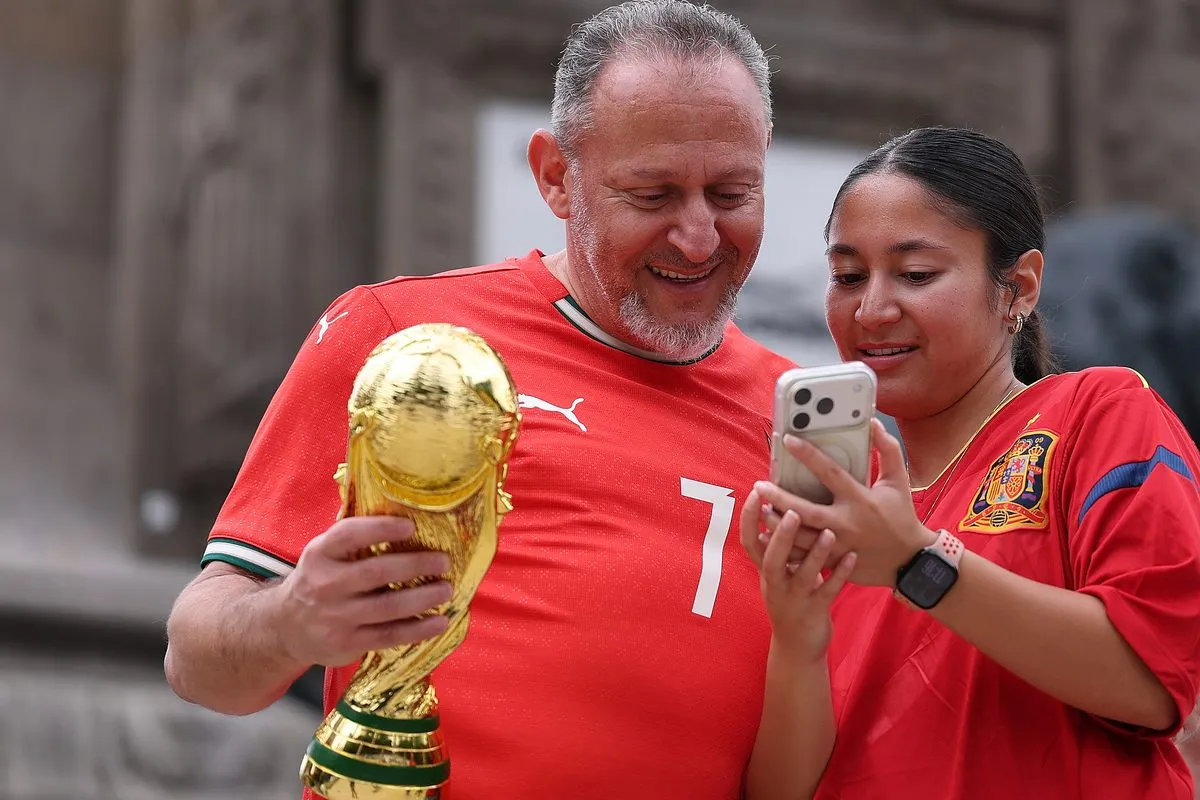
Allan Maman watches numbers the way sports fans watch scores. When the World Cup kicked off in the U.S. this summer, Kalshi’s chief marketing officer was refreshing his dashboards hourly, and within 72 to 96 hours of the opening matches, he had seen enough: the company had badly underestimated the tournament. Organic signups were surging. Volume was spiking. The pre-tournament playbook — billboards across the country, ad deals with Jose Mourinho, Luka Modric, and nearly a dozen former national team players — was performing fine, but something bigger was happening.
“We pivoted away [from] our evergreen strategy to basically be all in on World Cup,” Maman told me in an interview last week.
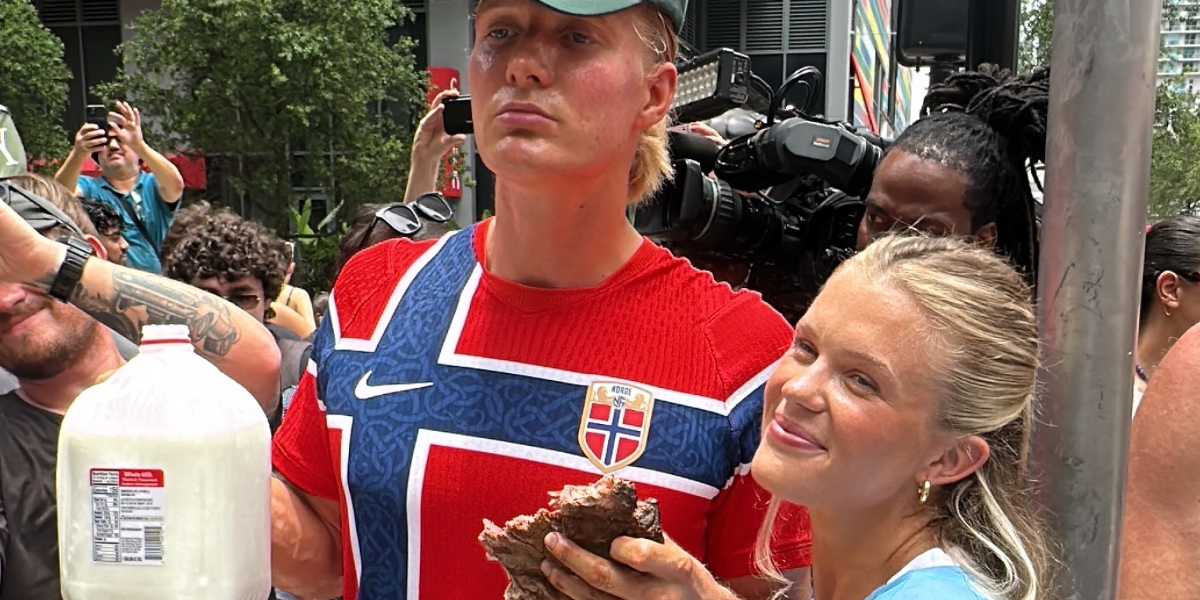
What came next was the clearest illustration of how Kalshi’s marketing actually works. When Erling Haaland emerged as a cultural phenomenon mid-tournament, the team had a simple idea: a lookalike contest. Maman said it went from idea to execution within a week. Roughly 200 fans showed up in Miami for the event, hosted by the internet’s favorite lookalike, Emma Kate Willman, and the winner walked away with two tickets to that day’s match. “It blew up on social media,” Maman said proudly.
Within days, Kalshi was running a Messi lookalike contest in New York for the final, hosted by a former Argentine taxi driver who’d been told for years he had the face for it.