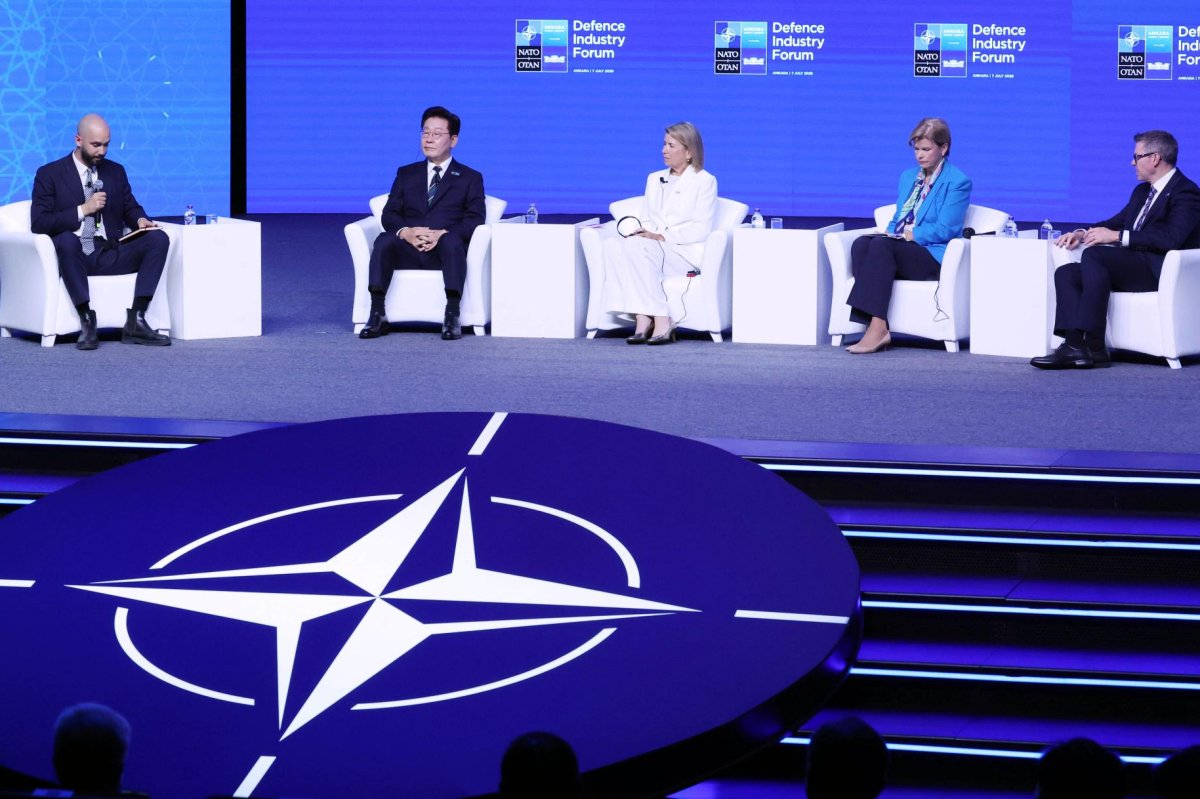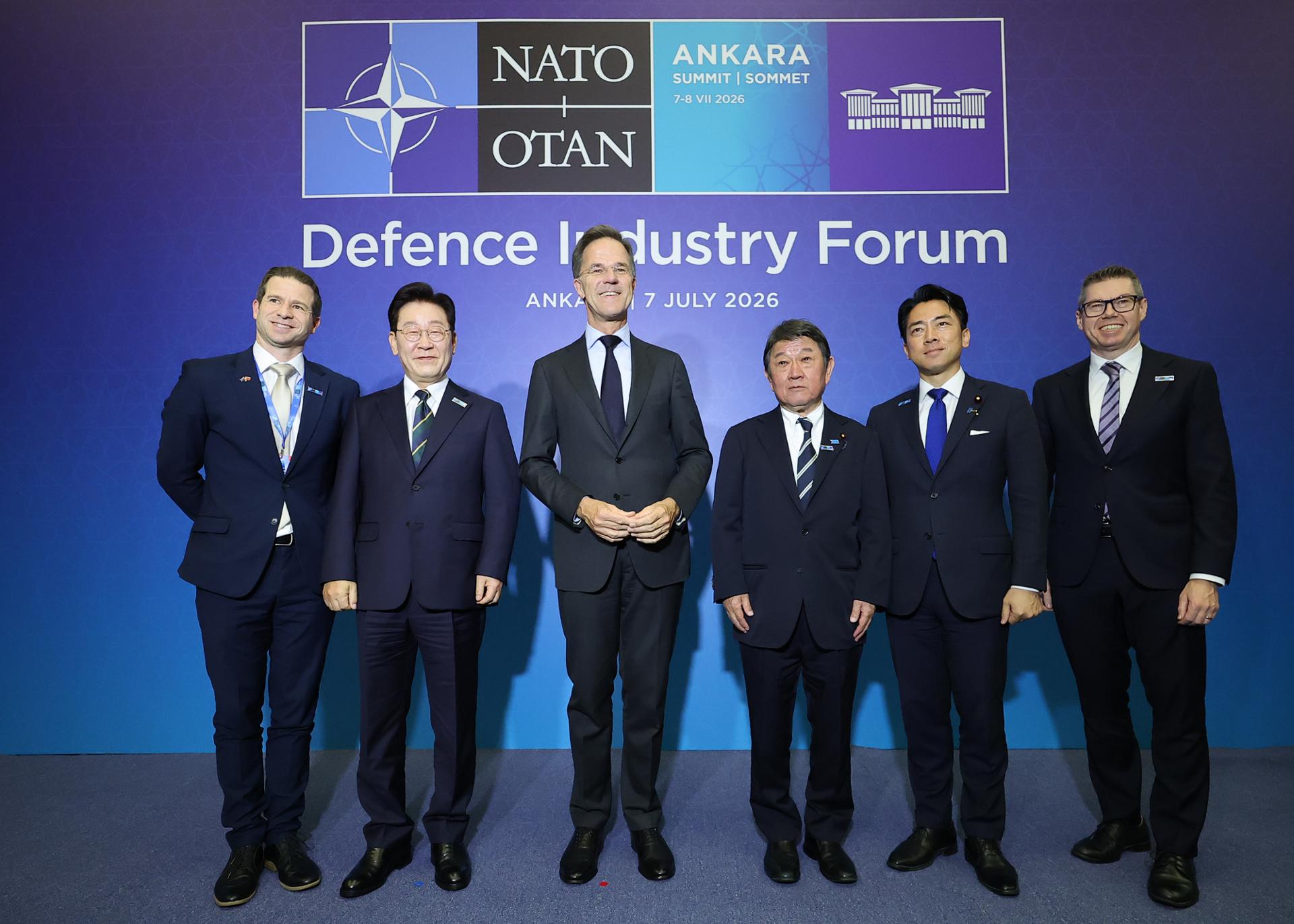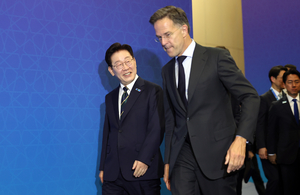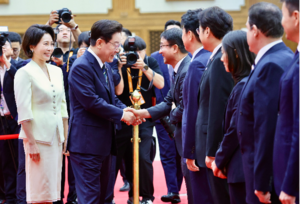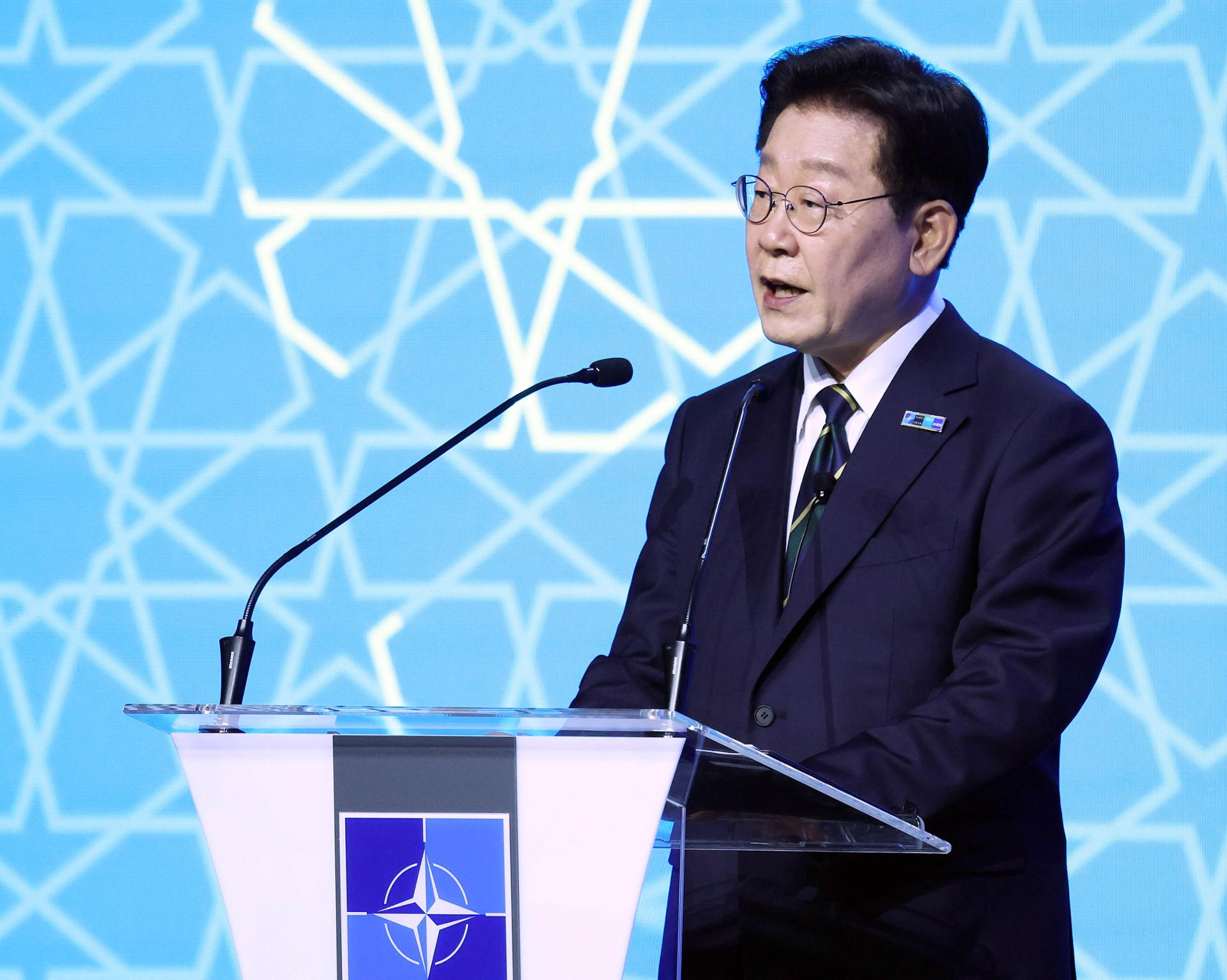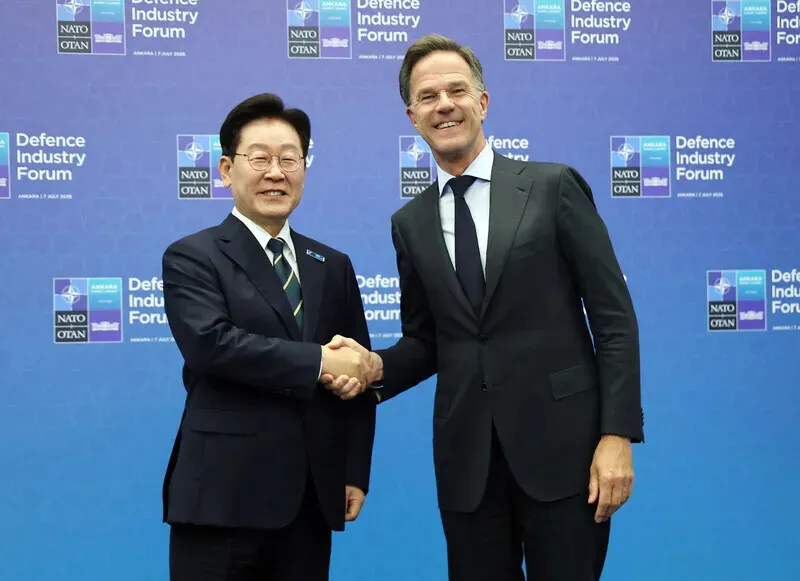
The 2026 NATO summit in Ankara served as a test for the Lee Jae Myung administration’s diplomacy. Lee officially proposed to elevate defense cooperation between Korea and NATO, with the core of the framework surrounding the joint operation of defense systems, not on weapon transactions. NATO Secretary General Mark Rutte responded to the proposal by saying, “the two theatres, the Indo-Pacific and the Euro-Atlantic, are more and more interconnected.” While NATO has long been cautious about expanding its role in the Indo-Pacific, this signals that the alliance is now seeking to pursue a more active presence in the region. Former President Yoon Suk-yeol previously went through the same motions on the same stage. He actively participated in the NATO summit and vowed to support Ukraine; he was also the first country leader to visit the site of mass killings in Ukraine’s Bucha. This led to indirect weapon support in the form of ammunition. The price that Yoon had to pay exceeded his expectations. Russia, which warned that it would take reciprocal measures, made good on its promise by deploying North Korean soldiers to Ukraine. As North Korea-Russia relations have basically become elevated to that of a military alliance, this greatly affected not only the security order of East Asia, but of the entire Indo-Pacific. In response to Lee’s cozying up to NATO, the Russian Foreign Ministry warned that it was “unacceptable for the Republic of Korea to become a de facto participant in NATO’s qualitative and quantitative rearmament process, as the alliance has openly declared its preparations for war with Russia.” Is Lee’s pledge to cooperate with NATO any different than Yoon’s vocal support for Ukraine? There are compelling arguments on both sides. There’s no knowing at this point. This year’s summit can be interpreted as a turning point in NATO history. During a speech in February, Elbridge Colby, the US undersecretary of defense for policy, remarked that NATO’s history can be divided into three separate periods. NATO 1.0 refers to the organization during the Cold War, NATO 2.0 was when Europe began to rely more heavily on the US following the end of the Cold War, and NATO 3.0 is the form the organization has taken since the war broke out in Ukraine in 2022. European countries reaffirmed their commitment to the Hague defense agreement, under which NATO allies pledged to allocate 5% of GDP annually to defense- and security-related spending, further accelerating their efforts to expand their responsibilities and influence. “European allies and Canada are assuming greater responsibility for our shared security,” Rutte stated during a press conference on July 8. “We are rebalancing our security for the better; that is what NATO 3.0 is all about.” On the surface, NATO is doing what the US told it to. In reality, this declaration signals a fundamental shift toward a more Europe-centered structure. At its core, NATO 3.0 seeks to give Europe greater strategic autonomy and reduce its reliance on the United States. The emergency meeting of EU leaders in Brussels in the third week of January 2025, which took place at midnight at the European Council headquarters, serves as the backdrop to this movement. This was when US President Donald Trump invaded Venezuela in the middle of the night, kidnapped Venezuelan President Nicolás Maduro, and was openly talking about plans to seize Greenland by force. The thirty or so leaders of European countries sat around the round table and sighed. French President Emmanuel Macron said, “We are drawing a line here. There is no going back.” Former Belgian Prime Minister David Clarinval grumbled that Europe was at risk of becoming a “miserable slave” to the US. Spanish Prime Minister Pedro Sánchez commented, “Canada is openly saying what we should do.” According to a Wall Street Journal report published on July 5, the leaders called this session a “therapy night” and reached an unspoken agreement: the only choice left to them was to rid themselves of US shackles and reduce their technological and military dependence on the US. In the year following Trump’s return to office, Europe bought time for itself by making several concessions on the defense and trade fronts and by licking Trump’s boots. While appearing to continue its diplomatic practice of sucking up to Trump, led by Rutte, Europe is heading towards a coalition of middle powers as advocated by Canadian Prime Minister Mark Carney. European countries denied US military forces access to their airspace and bases during the US-led war against Iran. NATO 3.0 implies a shift away from US dependence and an expansion of Europe’s strategic autonomy; it is a stop along that path. The Yoon administration aligned itself with the West’s coalition of the willing, which focused on thwarting Russia. The Lee administration will be making different calculations. It appears to be placing greater emphasis on finding strategic common ground with Europe as it shifts toward de-Americanization and a coalition of middle powers. If that is the case, the administration must pursue a two-track approach of hedging to secure greater strategic autonomy from the United States while developing practical leverage to both engage with and counter Russia and China, two countries that maintain close ties with North Korea. There is one thing that we know for sure: if we once again repeat the outdated diplomatic formula of putting all our eggs in the US’ basket, we will see a repeat of the disaster that the Yoon administration brought upon itself. Does the Lee Jae Myung administration have what it takes?
[Column] Will Lee’s NATO partnership end differently than Yoon’s support for Ukraine?
Strategic autonomy and pragmatic engagement will define Seoul’s new diplomatic balancing act
917 words~4 min read