Ji Da-gyum
For over a decade, I’ve navigated the complexities of North Korean affairs, security, and foreign policy from both Seoul and Washington, D.C. As the National Desk Political Team Lead, I track the pulse of geopolitics, closely following developments from the Unification Ministry and the Foreign Ministry. My mornings start with Rodong Sinmun—North Korea’s state mouthpiece—before diving into the day’s headlines from Seoul and Washington.
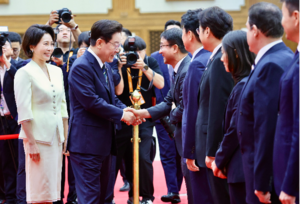
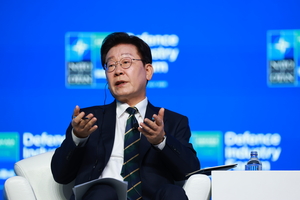
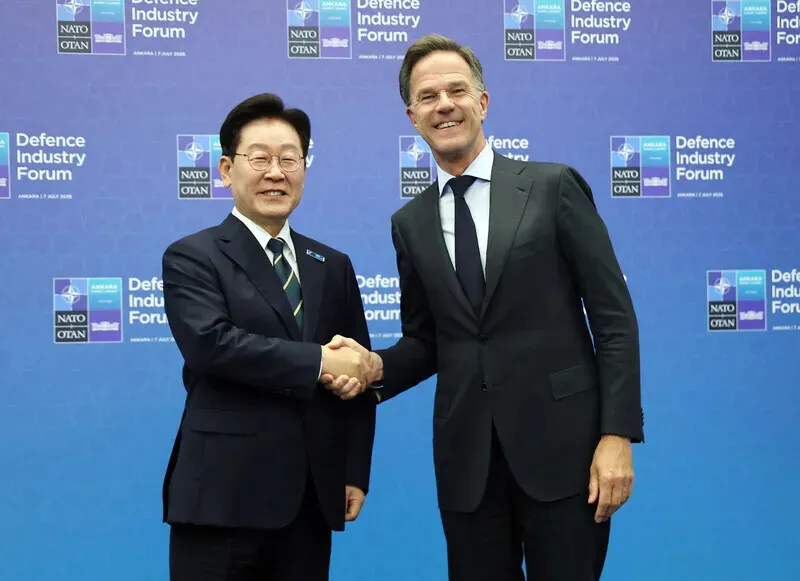
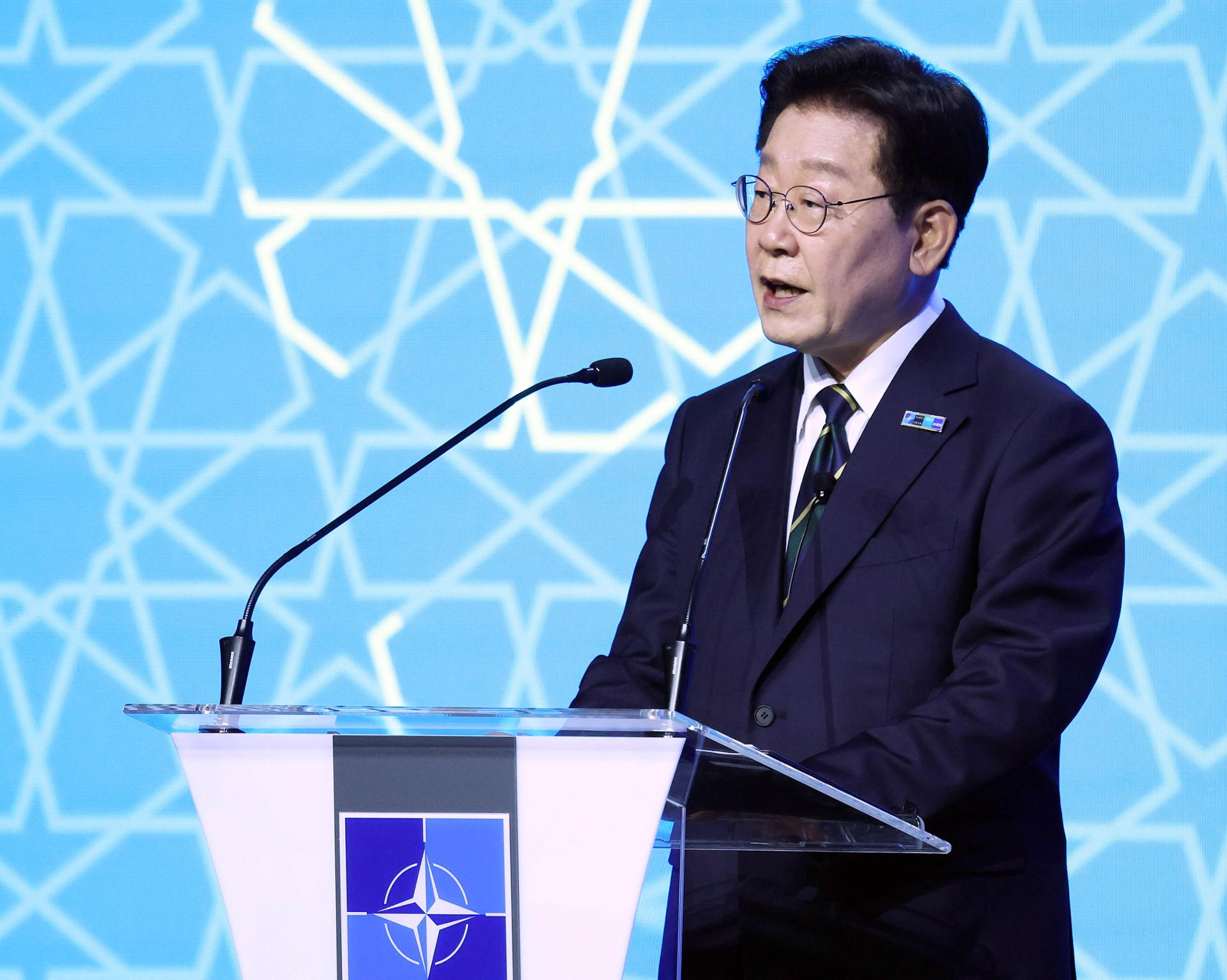
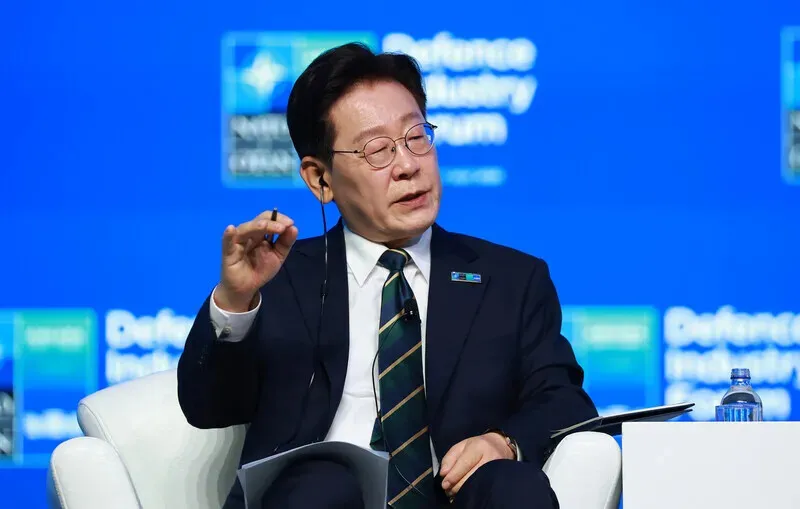
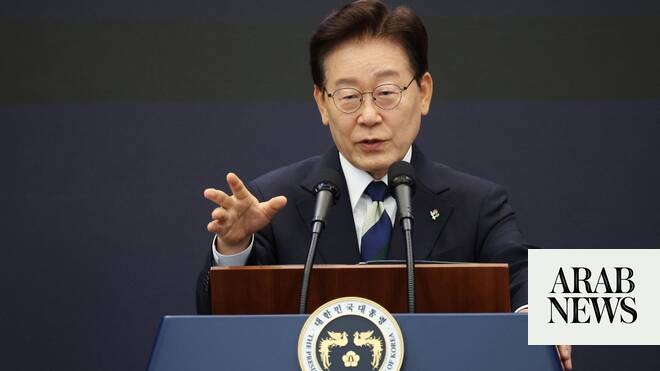
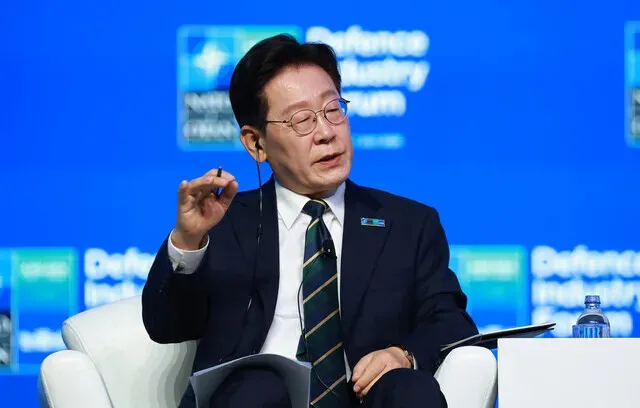
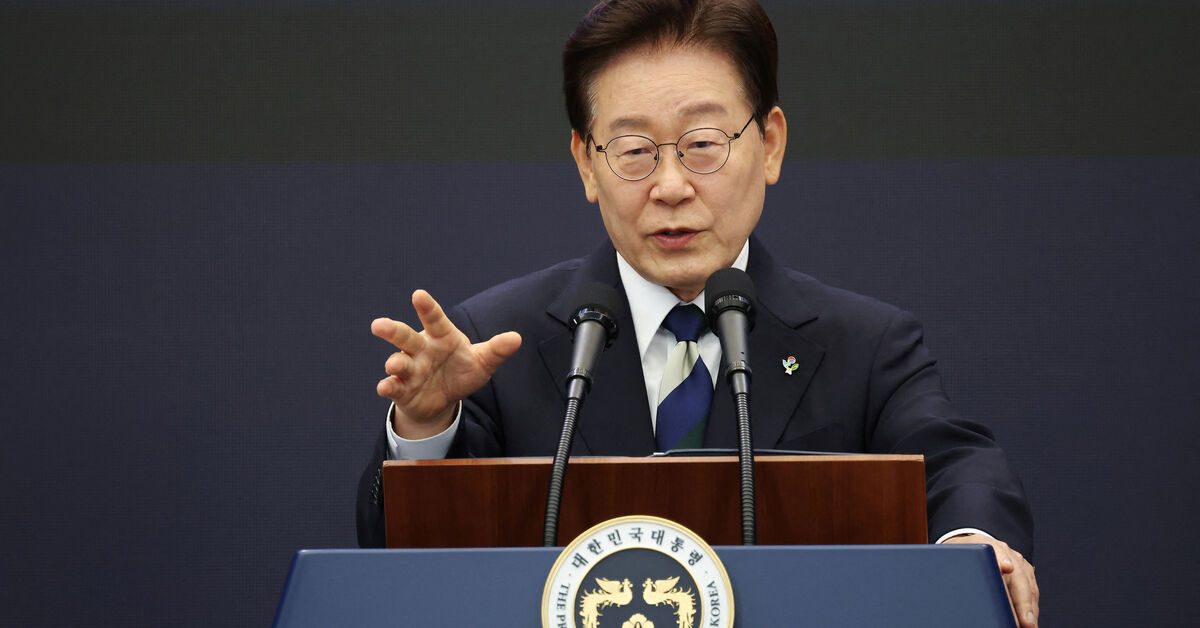
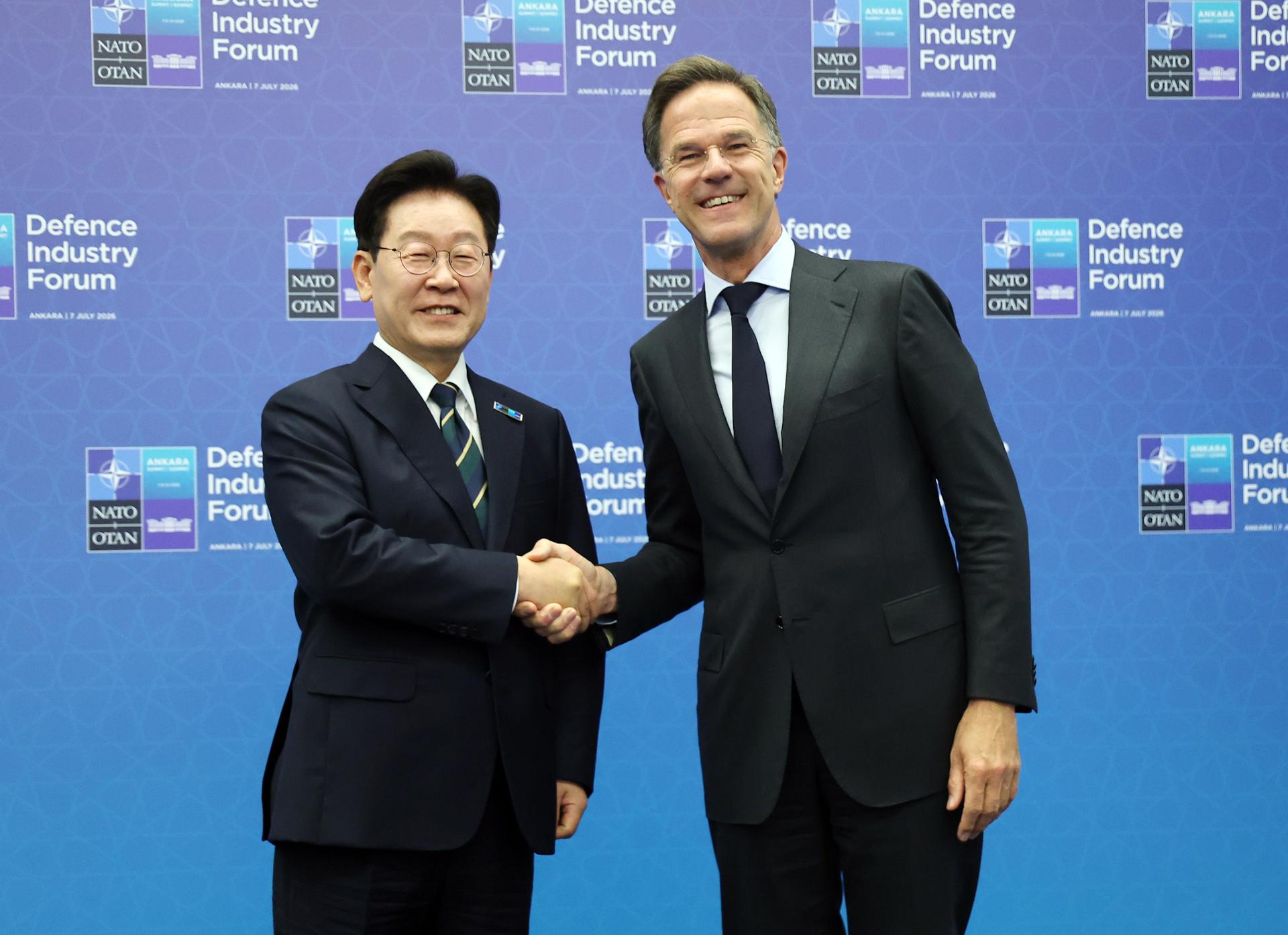
President Lee Jae Myung walks with NATO Secretary-General Mark Rutte after a small-group meeting with Indo-Pacific Four partners at the Ankara Convention Center in Türkiye on Tuesday. The IP4 refers to South Korea, Japan, New Zealand and Australia. (Yonhap) ANKARA, Turkey — President Lee Jae Myung on Tuesday called for a new phase in defense industrial cooperation between South Korea and NATO, urging the two sides to move beyond arms sales toward joint weapons development, production and operation.Speaking at the NATO Summit Defense Industry Forum during his first NATO summit as South Korea’s president, Lee proposed a “Korea-NATO Defense Industry Partnership 2.0,” positioning South Korea as a “trusted partner” rather than simply a supplier of weapons.“Today, I would like to share a vision for defense industry cooperation that the Republic of Korea and NATO — partners united by the shared values of democracy, freedom and peace — will build together for a safer world,” Lee said, referring to South Korea by its official name.“I propose that we elevate our current defense cooperation, focused mainly on weapons system transactions, to a ‘Korea-NATO Defense Industry Partnership 2.0,’ which will involve jointly researching, producing and operating those systems,” he said before an audience of about 1,000 participants.The NATO Defense Industry Forum, which became an official event of the NATO summit last year, brought together more than 1,000 senior government officials, defense industry executives and financial-sector leaders from NATO allies and partner countries.Lee said the world has entered “a new era in which a nation’s survival rests on the foundations of its defense industry” during a forum session titled “Shared Values, Stronger Industrial Base: Expanding Partnerships and Cooperation.”“That is why we must discuss cooperation today,” he said.Lee stressed that “wars are no longer decided solely on the battlefield.”“The front lines of national security are now the laboratories where advanced technologies are developed and the industrial sites where weapons are produced,” he said. “In this new era, a nation’s survival rests on the foundations of its defense industry.”Lee added that the military application of advanced technologies such as artificial intelligence, drones and robotics has become a “decisive factor in determining the outcome of modern warfare.”“At the same time, deterrence now hinges not only on the ability to produce weapons rapidly and reliably, but also on the resilience of global supply chains,” Lee said.Against that backdrop, Lee called for expanded joint research programs between South Korea and NATO, saying cooperation should extend beyond procurement and encompass the development of next-generation defense technologies.“We must boldly expand our joint research on cutting-edge technologies,” Lee said. “The surest way to align our technological standards and realize a common vision for innovation is by collaborating on research and development.”Lee pointed to NATO's ammunition and space cooperation initiatives, in which South Korea already participates, and urged the alliance and Seoul to pursue additional collaborative research projects.“The security capabilities of both sides will be greatly strengthened when NATO’s decades of know-how are combined with the reliable production capacity and proven technological prowess of the Republic of Korea — a trusted partner,” Lee said. “In an era of growing uncertainty, we must take bolder actions and cooperate more rapidly.”Trust key to defense partnershipLee also emphasized that trust is as important as technological capability and production capacity in building lasting defense partnerships.“True solidarity and cooperation are impossible without the guarantee that supplies will be provided in all circumstances and the assurance that key technologies will be safeguarded without fail,” Lee said. “The Republic of Korea has everything needed to earn such trust.”Lee said South Korea and NATO members share a history forged during the Korean War, when troops and medical personnel from NATO countries supported South Korea.“NATO members and the Republic of Korea share memories of devastating warfare. As partners, we defended the values of democracy, freedom and peace together in a grave security environment,” he said.“Building on this foundation of trust, the Republic of Korea’s defense industry has grown in cooperation with NATO allies and achieved a high degree of technological interoperability.”Lee noted that South Korea has expanded defense cooperation with a number of NATO members, including Poland, Germany, France, Romania and Norway.“The Republic of Korea will remain your most trusted partner,” Lee said. “As a security cooperation partner dedicated to safeguarding global peace and prosperity, we will advance together with NATO toward the goal of a safer world.”Joining the session were Latvian Foreign Minister Baiba Braze, Australian Minister for Defence Industry Pat Conroy and Ashley Johnson, president of U.S.-based Plani Labs, who discussed the challenges and opportunities for expanding multinational defense-industrial cooperation based on Lee’s presentation.The NATO Defense Industry Forum addressed how the North Atlantic alliance’s 5 percent defense investment plan can be translated into increased production, cooperation and joint procurement.After arriving in Ankara, Lee held a one-on-one meeting with NATO Secretary-General Mark Rutte and joined a meeting of NATO’s four Asia-Pacific partners, which included Australian Defense Industry Minister Pat Conroy, Japanese Defense Minister Shinjiro Koizumi and New Zealand Defense Minister Chris Penk.Lee is the only head of government among NATO’s Indo-Pacific partners attending the summit.