Ji Da-gyum
For over a decade, I’ve navigated the complexities of North Korean affairs, security, and foreign policy from both Seoul and Washington, D.C. As the National Desk Political Team Lead, I track the pulse of geopolitics, closely following developments from the Unification Ministry and the Foreign Ministry. My mornings start with Rodong Sinmun—North Korea’s state mouthpiece—before diving into the day’s headlines from Seoul and Washington.
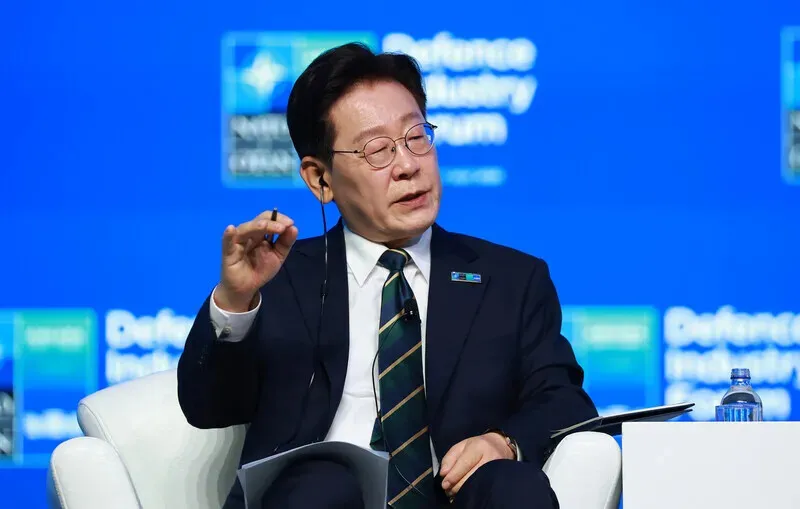
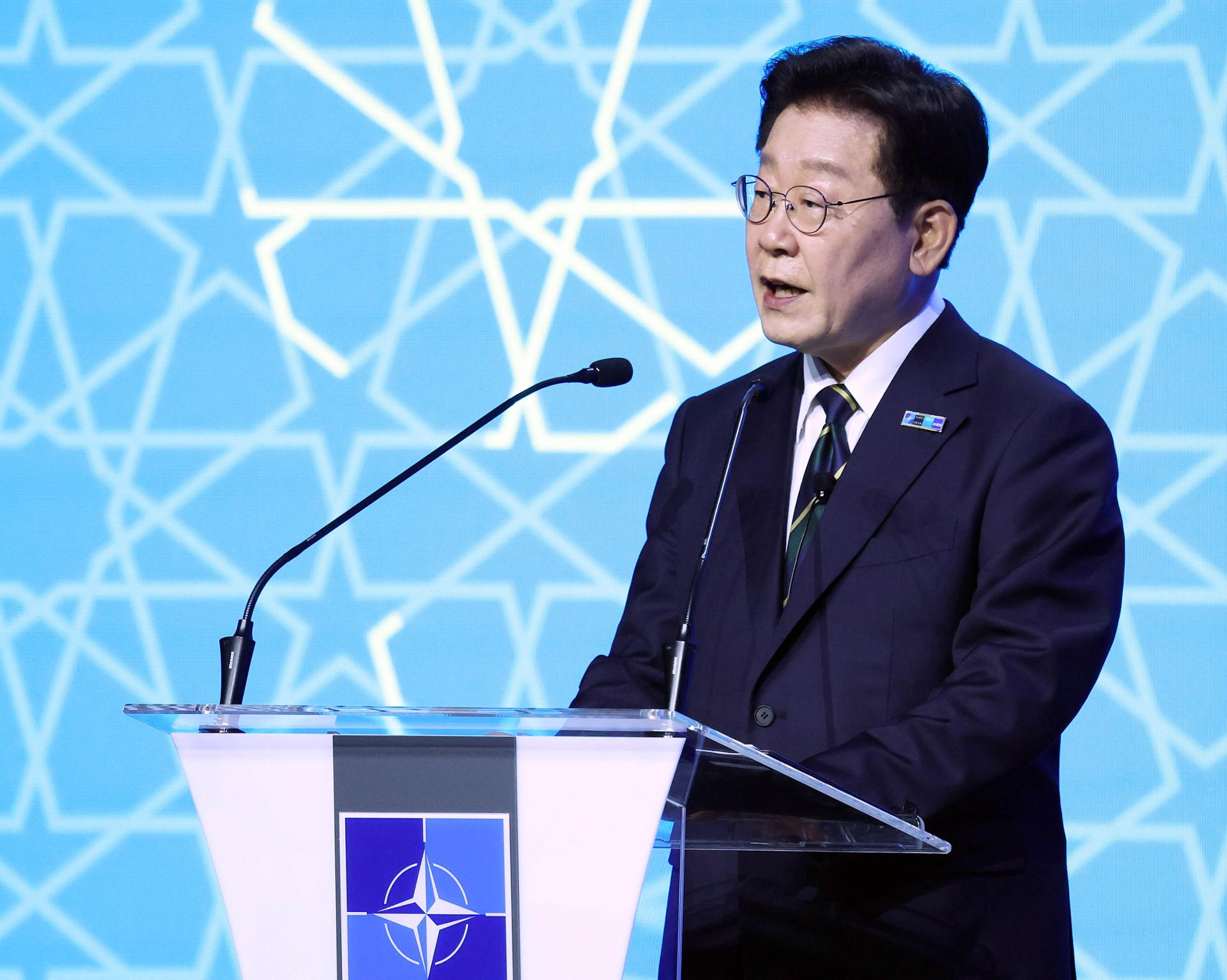
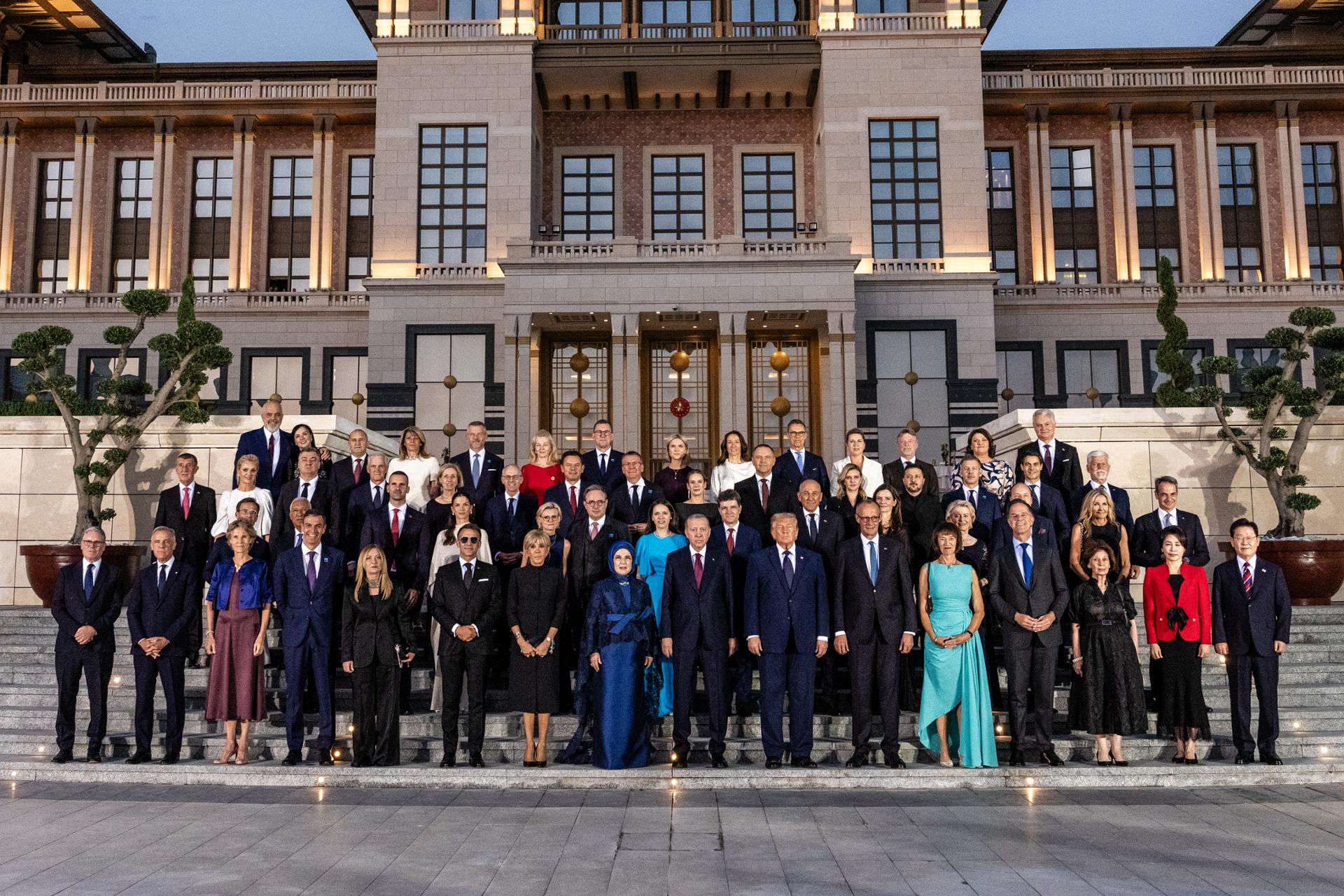
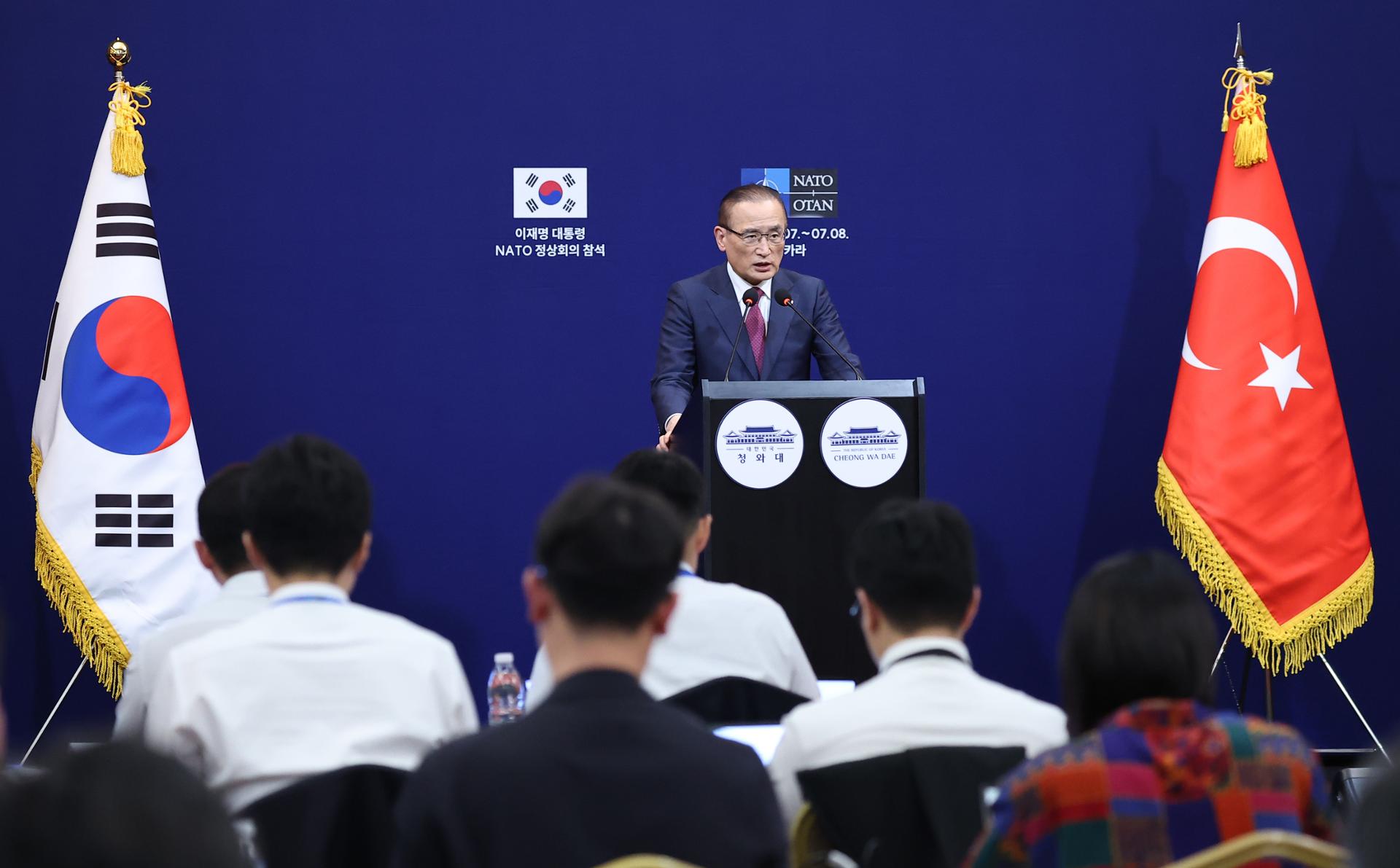
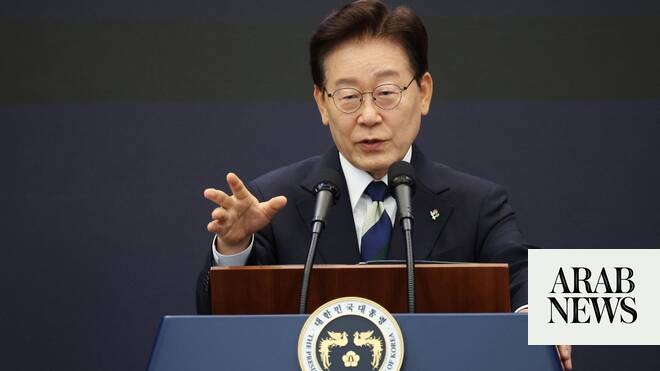
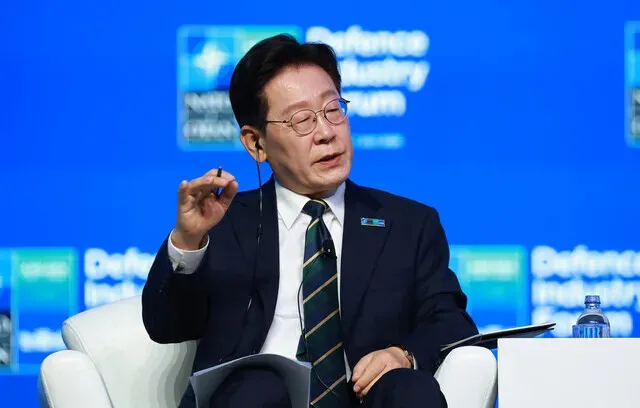
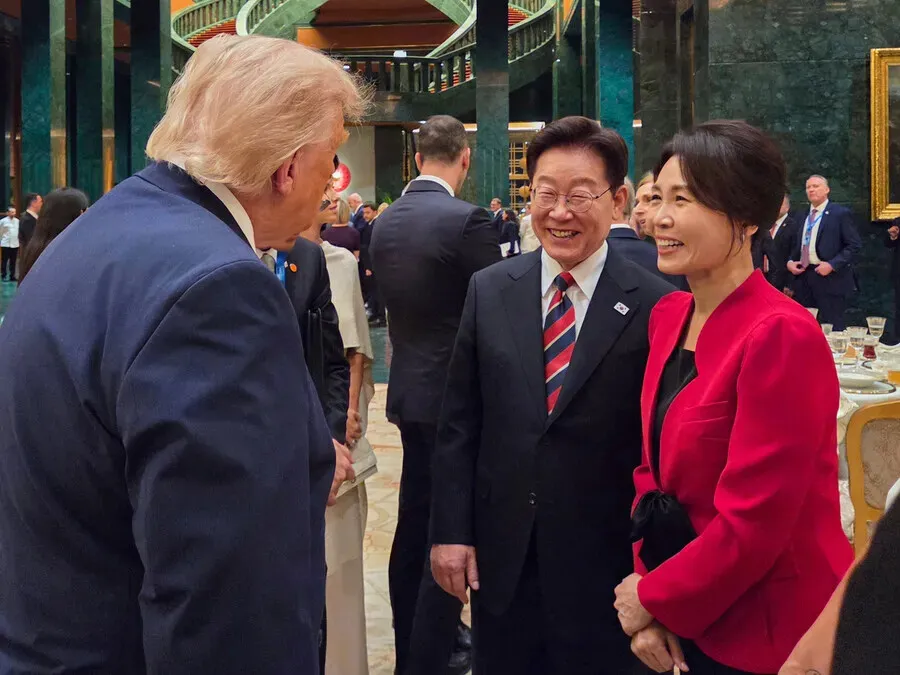
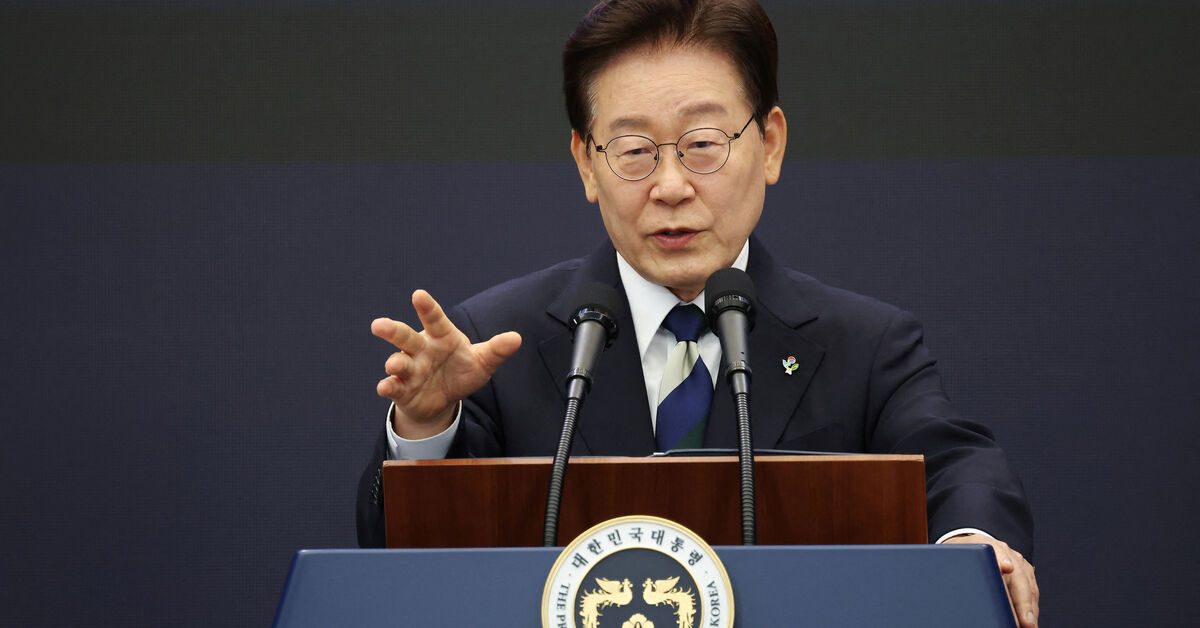
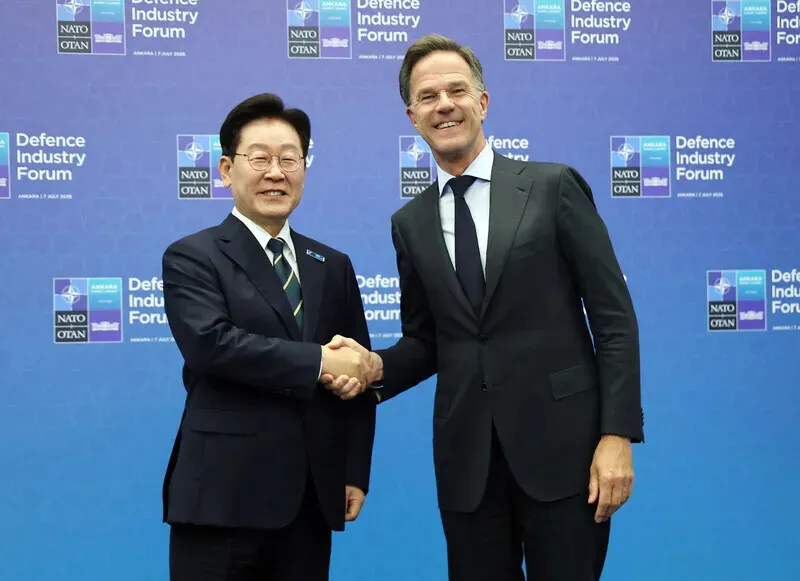
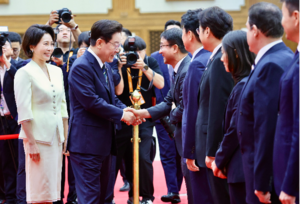
Seoul should focus on practical outcomes, not symbolic deliverables, to make Korea-NATO partnership more operational, say experts President Lee Jae Myung shakes hands with Rep. Han Byung-do, floor leader and acting chair of the ruling Democratic Party, on Tuesday before departing for Ankara, Turkey, to attend the NATO summit. (Yonhap) President Lee Jae Myung’s first NATO summit has put South Korea’s defense industry on a bigger stage — but the real question in Ankara is to be bigger than simply how many weapons Seoul can sell.At the two-day summit, Seoul is seeking to turn Europe's growing demand for Korean weapons into something more enduring: a place inside NATO's defense industry ecosystem, spanning supply chains, production networks and military standards.NATO members are rebuilding stockpiles, raising defense spending and searching for reliable suppliers amid Russia’s grinding war in Ukraine, which began in February 2022.In 2025 alone, NATO allies in Europe and Canada invested a total of $574 billion in defense, a 20 percent increase in real terms compared with 2024.The spending came after NATO allies committed at the 2025 NATO Summit in The Hague to spending 5 percent of GDP annually on defense and security-related items by 2035, amid repeated US calls for higher defense spending.Europe’s rearmament drive has given South Korea’s defense industry a rare opening, with its proven ability to make quick deliveries. Speed of delivery, however, is only the entry ticket for Seoul.“The visit is important because it links security cooperation with defense industrial cooperation,” Tereza Novotna, a research division fellow at the NATO Defense College in Rome, told The Korea Herald.“NATO countries are rearming, Europe is seeking to replenish stocks and expand its own production, and South Korea has become one of the few partners able to deliver advanced capabilities quickly — see especially cooperation with Poland.”The agenda in Ankara also gives Seoul a clearer opening.NATO has listed defense investment, the defense industry and support for Ukraine as key topics for this year’s summit. The Defense Industry Forum, NATO’s premier high-level event on transatlantic defense production, investment and innovation, focuses on how the alliance’s 5 percent defense investment plan can be translated into increased production, cooperation and joint procurement.Doo Jin-ho, director of the Eurasia Research Center at the Korea Research Institute for National Strategy in Seoul, said Lee’s attendance and keynote speech at the NATO Defense Industry Forum on Tuesday offer a key venue for that transition.“Against the backdrop of Europe’s increasingly protective stance toward its defense market, President Lee Jae Myung’s keynote speech at the NATO Defense Industry Forum could serve as an opportunity to lay the institutional groundwork for South Korea’s stable integration into NATO supply chains, the world’s largest defense market,” Doo told The Korea Herald.“In particular, it could help advance a substantive partnership by strengthening interoperability with NATO.”Yu Ji-hoon, a research fellow at the Korea Institute for Defense Analyses in Seoul, added that South Korea could expand practical cooperation with NATO through the summit in areas such as joint production, maintenance, repair and overhaul, and supply chain partnerships. Soldiers with the Swedish Army’s South Skane Regiment load blank ammunition into magazines during Exercise Aurora 26 on April 29. (NATO) Making partnerships durable, more operationalSouth Korea’s growing share of European arms imports shows the size of the opportunity.According to the Stockholm International Peace Research Institute’s 2025 report on global arms transfers, the US accounted for 58 percent of 29 European NATO nations' arms imports from 2021 to 2025, followed by South Korea at 8.6 percent, Israel at 7.7 percent and France at 7.4 percent.During the same period, arms imports by European NATO members rose 143 percent.NATO’s demand for Korean weapons comes with a constraint, however.As European NATO members rearm, the European Union is also moving to strengthen its own defense industrial base and keep more production within Europe.The EU’s defense industrial strategy sets a target of at least 50 percent EU-made defense products by 2030 and 60 percent by 2035. Under the European Union’s 150 billion euro (172 billion) Security Action for Europe framework, at least 65 percent of the cost of eligible defense products must originate in the EU, EEA EFTA countries or Ukraine.Of the 27 European Union member states, 23 are members of NATO, making the push for greater defense-industrial self-reliance an increasingly important factor for Seoul’s NATO strategy.Seoul lost the bid for Canada’s submarine project to a German consortium on Tuesday, just before the NATO summit. The result underscored a central challenge for Korean defense contractors: deepening defense industrial cooperation among NATO members; breaking into the alliance's inner circle remains difficult for outside suppliers.For South Korea, that means export momentum alone may not be enough.The next phase of South Korea’s defense industry in Europe will depend less on headline sales than on whether Korean firms can become part of NATO’s defense buildup through investment, joint research, joint development and joint procurement, according to experts.“South Korea should focus on practical rather than symbolic deliverables,” Daniel Fiott, a professor at Vrije Universiteit Brussel, told The Korea Herald.“Defense industrial cooperation is the most promising area, particularly through joint production, supply chain resilience, interoperability and technology partnerships with European allies seeking to strengthen their defense industrial base."Fiott said Seoul should also deepen cooperation on cyber defense, emerging technologies, military mobility and resilience, where NATO already has established frameworks that South Korea can use to deepen cooperation.“A successful summit would expand existing partnerships into more operational and industrial forms of cooperation that deliver mutual strategic benefits,” Fiott said.Novotna also said the benchmark for Seoul should be practical outcomes.“It should not necessarily seek dramatic new institutional arrangements, but rather concrete, incremental steps that make cooperation more operational,” she said. NATO military leaders and Indo-Pacific partners from Australia, Japan, New Zealand and South Korea attend Session 6 of the NATO Military Committee in Chiefs of Defense Session at NATO Headquarters in Brussels on Jan. 22. (NATO) Beyond sales, toward standardsInteroperability has therefore become central to Seoul’s NATO agenda.The issue is not simply whether Korean weapons can be sold to more European countries, but whether they can be built, maintained, upgraded and connected in ways that fit NATO’s standards, supply chains, production networks and operational needs.“A more concrete goal for Seoul would be to gain access to NATO Standardization Agreements, known as STANAGs, which contain NATO standards for military equipment,” Lami Kim, the Korea chair for advanced technologies, national security and defense at the International Institute for Strategic Studies in London, told The Korea Herald.“Access to NATO standardization information would help South Korean defense firms produce weapons systems that can be more readily integrated into NATO systems, thereby enhancing their attractiveness in the European market.”Yu said the payoff would be a more durable position inside NATO’s defense-industrial ecosystem.“By strengthening interoperability with NATO standards and expanding participation in joint research and development, South Korea could move beyond simple arms exports and secure a more stable foothold in NATO’s defense-industrial ecosystem,” Yu told The Korea Herald.That push, he said, should also extend beyond conventional weapons.“Expanded cooperation with NATO innovation networks in core technologies for future warfare, including AI, drones, space and cyber, is expected to have a positive effect on modernizing South Korea’s military capabilities and enhancing the competitiveness of its defense industry,” Yu said.For Seoul, closer interoperability with NATO is not only about Europe.It could also have implications for South Korea’s own security, particularly in a contingency on the Korean Peninsula involving support from United Nations Command member states that contributed combat forces or medical units during the 1950-53 Korean War.“Strengthening interoperability between South Korea and NATO would be advantageous for expanding South Korea’s war-sustainment capacity in a contingency on the Korean Peninsula, especially when it comes to the provision of forces by United Nations Command member states,” Doo said. “In other words, Korea-NATO defense cooperation creates economic value while also serving as a security asset against future threats.”Beyond weapons and standards, Doo underlined that Seoul should also pursue institutional steps such as participation in NATO’s Battlefield Information Collection and Exploitation System, as well as the renewal and updating of the 2023-2026 Individually Tailored Partnership Program between South Korea and NATO.Doo described those steps as part of “simultaneous efforts to build practical trust and a long-term cooperation framework between South Korea and NATO.”Taken together, the agenda points to a broader objective: turning South Korea’s defense export momentum into a more trusted place inside NATO’s defense order.“More broadly, if President Lee can consolidate South Korea’s image not only as an arms supplier but also as a trustworthy security partner, as he has emphasized before, that would be a significant success,” Kim underscored. NATO Secretary-General Mark Rutte gestures as he speaks during a press conference ahead of a NATO leaders summit in Ankara, Turkey, Monday. (Reuters) Setting Seoul’s NATO boundariesBut that deeper role also carries political and strategic risks.The more South Korea is seen as useful to NATO and Europe, the more questions will arise about how far Seoul is willing to go, particularly on Ukraine, Russia and broader European security.“The main challenge for Seoul is to deepen cooperation without creating the impression that South Korea is becoming a NATO outpost in Asia or that it is taking on open-ended commitments in European security,” Novotna said.Novotna said the “Lee administration has so far tried to strike a careful balance.”“It is engaging NATO because the war in Ukraine and North Korea’s role in it directly affect Korean security, but it is also framing this engagement in pragmatic terms — defense industry, resilience, supply chains, technology and deterrence — rather than ideological bloc politics,” Novotna said.However, Seoul-based experts struck a cautious note.Yu said cooperation should center not on participation in collective defense, but on mutually beneficial areas such as the defense industry, advanced technologies, cybersecurity, supply chains and maritime security.“Given South Korea must prioritize security on the Korean Peninsula, it needs to clearly set the scope of cooperation in areas that match its national interests and capabilities,” Yu said.“Going forward, South Korea should expand cooperation with NATO in a pragmatic and selective manner, while keeping security on the Korean Peninsula and its Indo-Pacific strategy as the basic pillars of (its security policy),” Yu said.Doo also said Seoul needs careful messaging to avoid the perception that South Korea’s defense industry is becoming tied to confrontation with any specific country, including Russia.“South Korea needs to make clear that K-defense is a universal and defensive means for peace and security, not a tool directed at any particular country, in order to manage the risks of entanglement from its engagement with Europe,” Doo said.Europe-based experts, however, said Seoul may have more room to maneuver than it fears.“I think in Europe there are no illusions: We are not expecting the ROK to directly provide military support to Europe with troops,” Fiott said, using the acronym for the Republic of Korea, South Korea's official name.“The good news is the ROK does not have to, but it does play an important role in security of supply and the provision of defense equipment.”Echoing the sentiment, Kim also played down the risks, saying that even in a NATO-Russia contingency, Europe would likely look to Seoul mainly for weapons supplies and intelligence sharing, rather than direct military involvement.“Even if there is some risk that South Korea would be expected to help Europe in a contingency, closer cooperation would also mean that Europe could provide support in a crisis on the Korean Peninsula,” Kim said.Michael Reiterer, a former EU ambassador to Korea and a distinguished professor at the Centre for Security, Diplomacy and Strategy of the Vrije Universiteit Brussel, offered a more expansive view.“It is not a question of minimizing the burden, but rather of shouldering responsibility to strengthen the strategic partnership with the EU,” Reiterer told The Korea Herald. “Diversification and increasing resilience enlarge the political room for maneuver in the interests of both partners.”