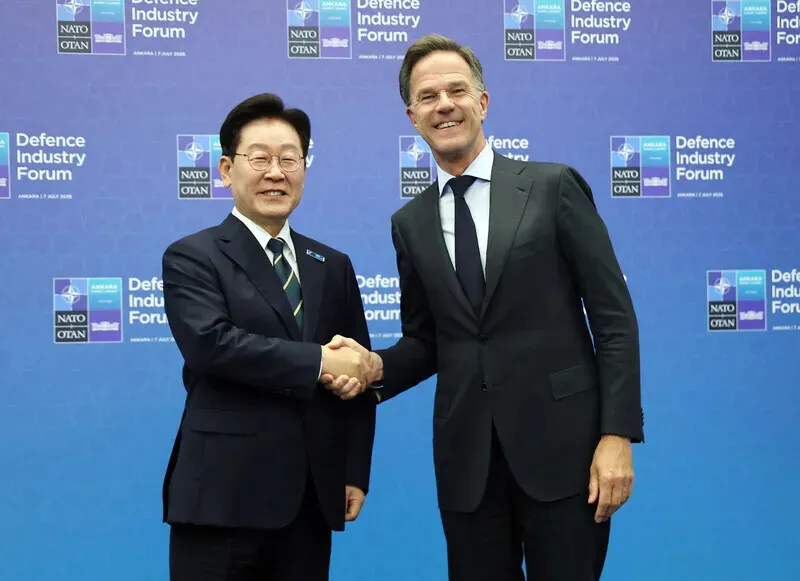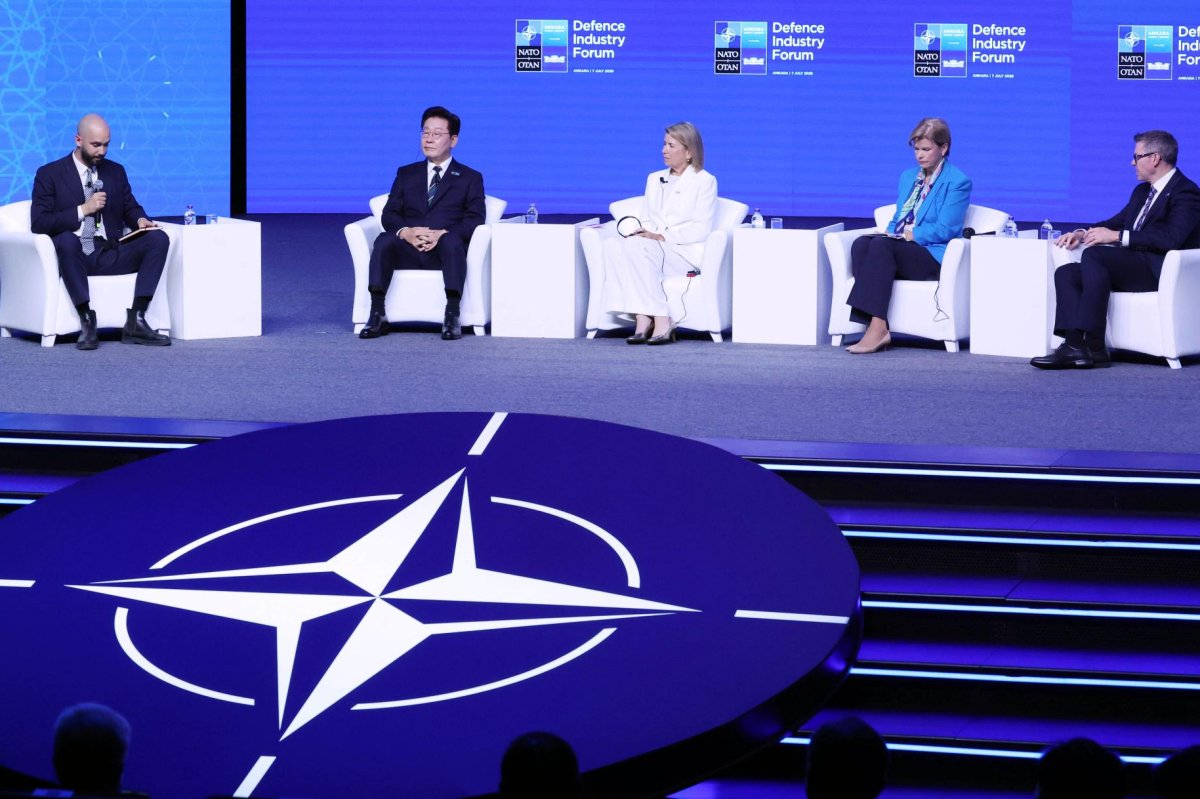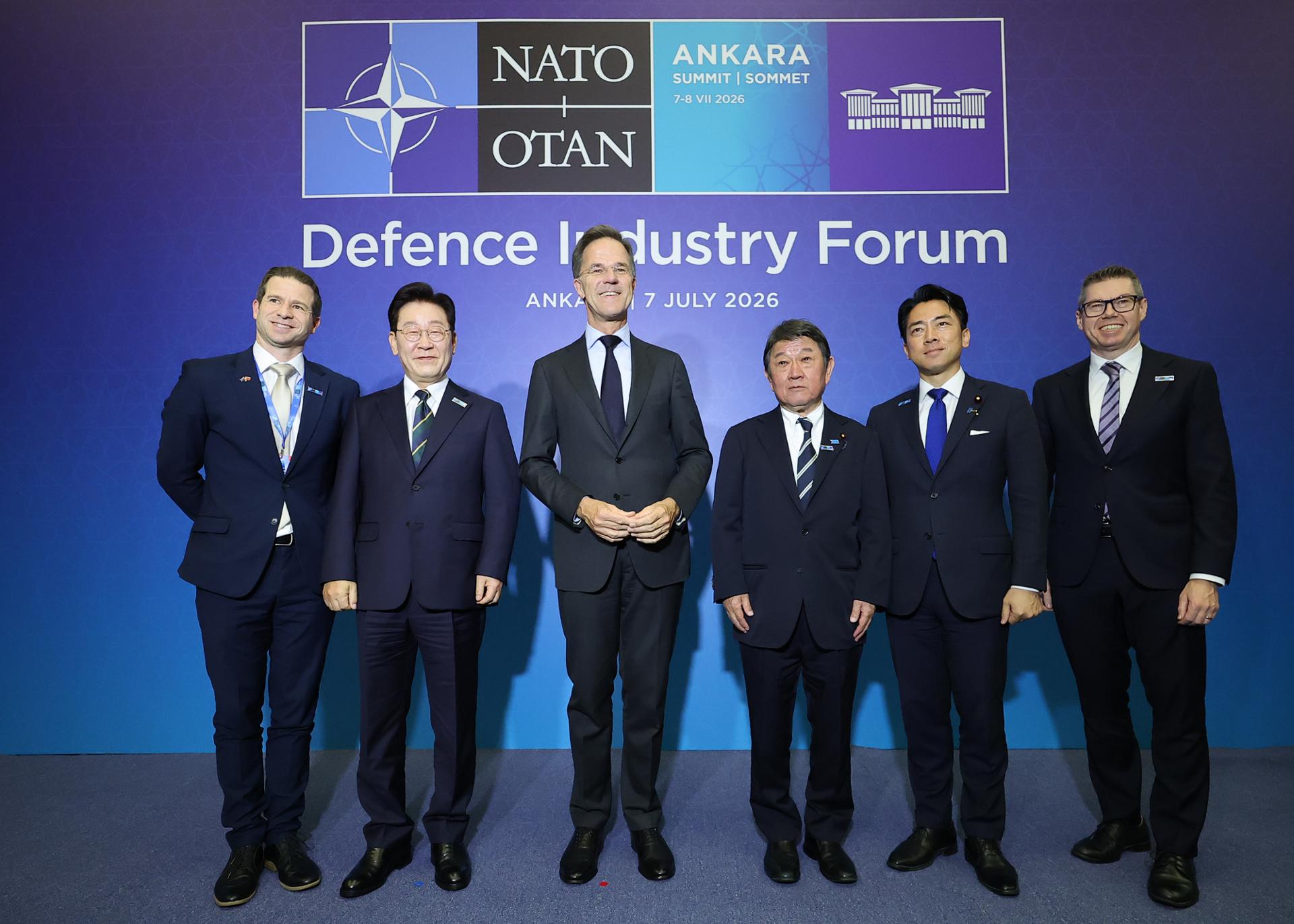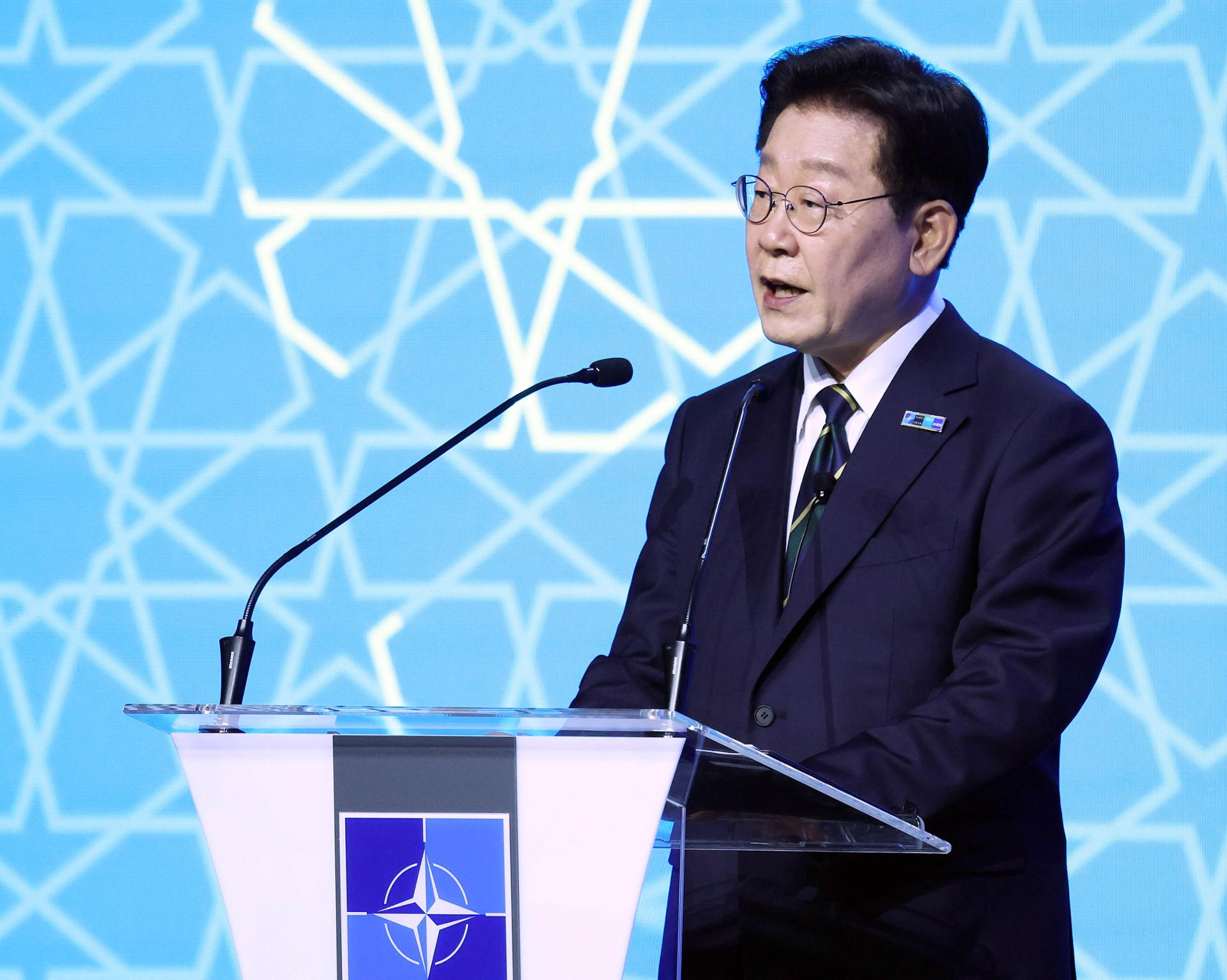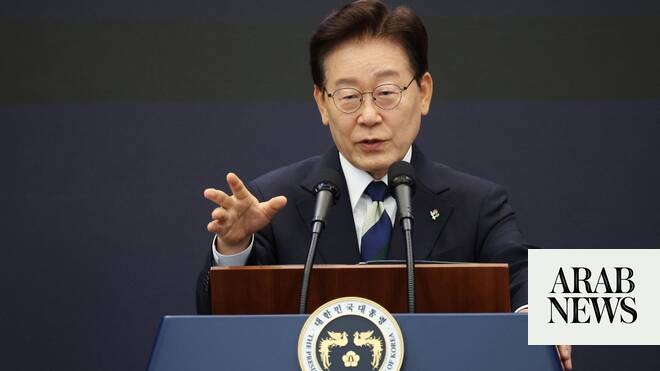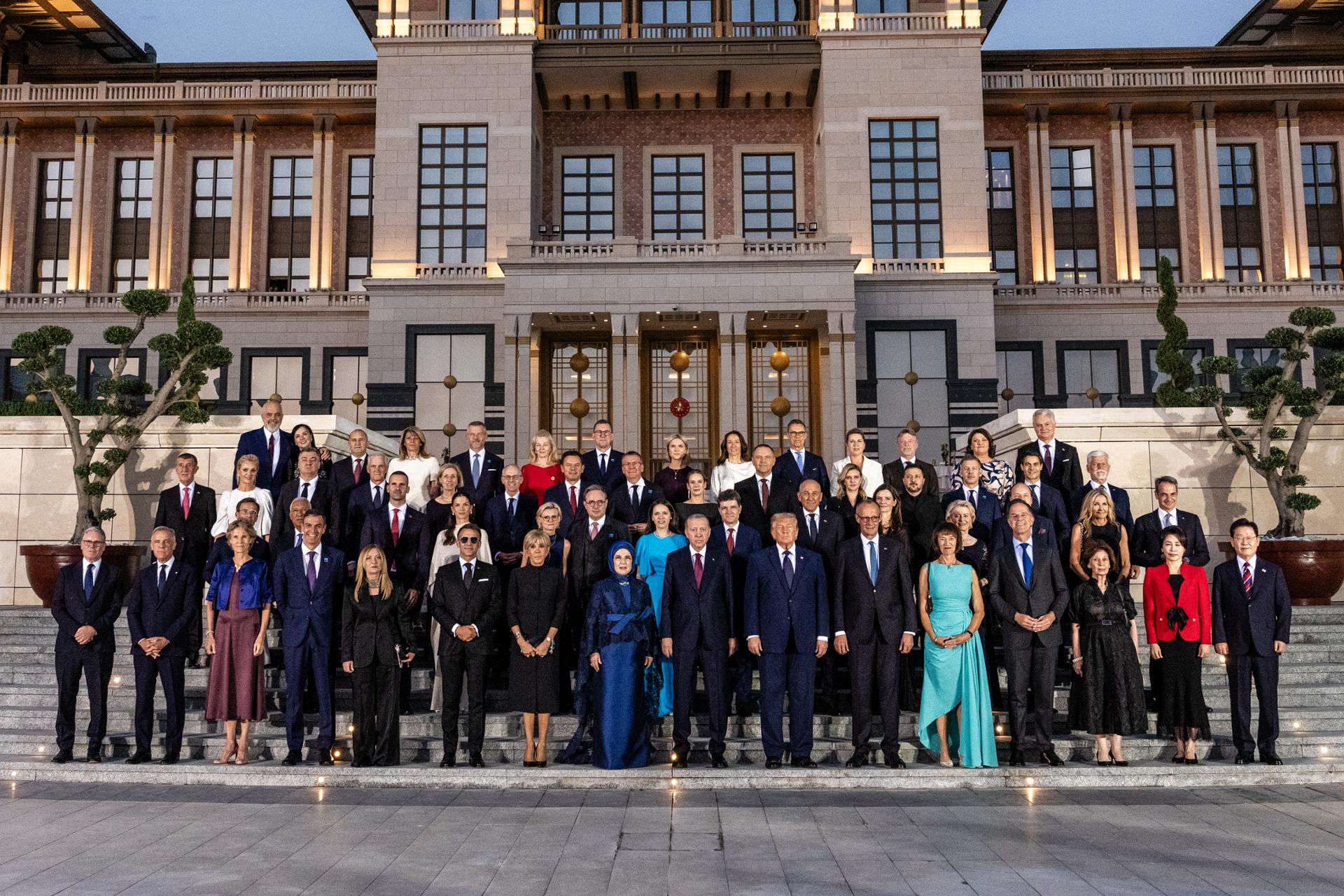
SOUTH Korean President Lee Jae Myung’s participation in this year’s Nato summit and his commitment to expanding defense industrial cooperation with the alliance have received widespread praise at home. Supporters view the visit as an opportunity to strengthen Korea’s defense industry and deepen strategic cooperation with like-minded partners. The visit has also drawn criticism. Some analysts argue that closer ties with Nato will pull South Korea further into the alliance’s strategic orbit, damage relations with China and Russia, and ultimately undermine efforts to resolve issues on the Korean Peninsula. Others warn that expanding arms exports could tarnish South Korea’s image as a peaceful nation.
These concerns deserve careful consideration. Any major shift in defense cooperation inevitably carries diplomatic consequences, and a responsible government should take them seriously. Yet many of the criticisms are based on an outdated understanding of international politics. They tend to view today’s world through a Cold War lens, assuming that cooperation in one area inevitably determines every other aspect of a country’s foreign policy. However, the international environment has become far more complex than that.