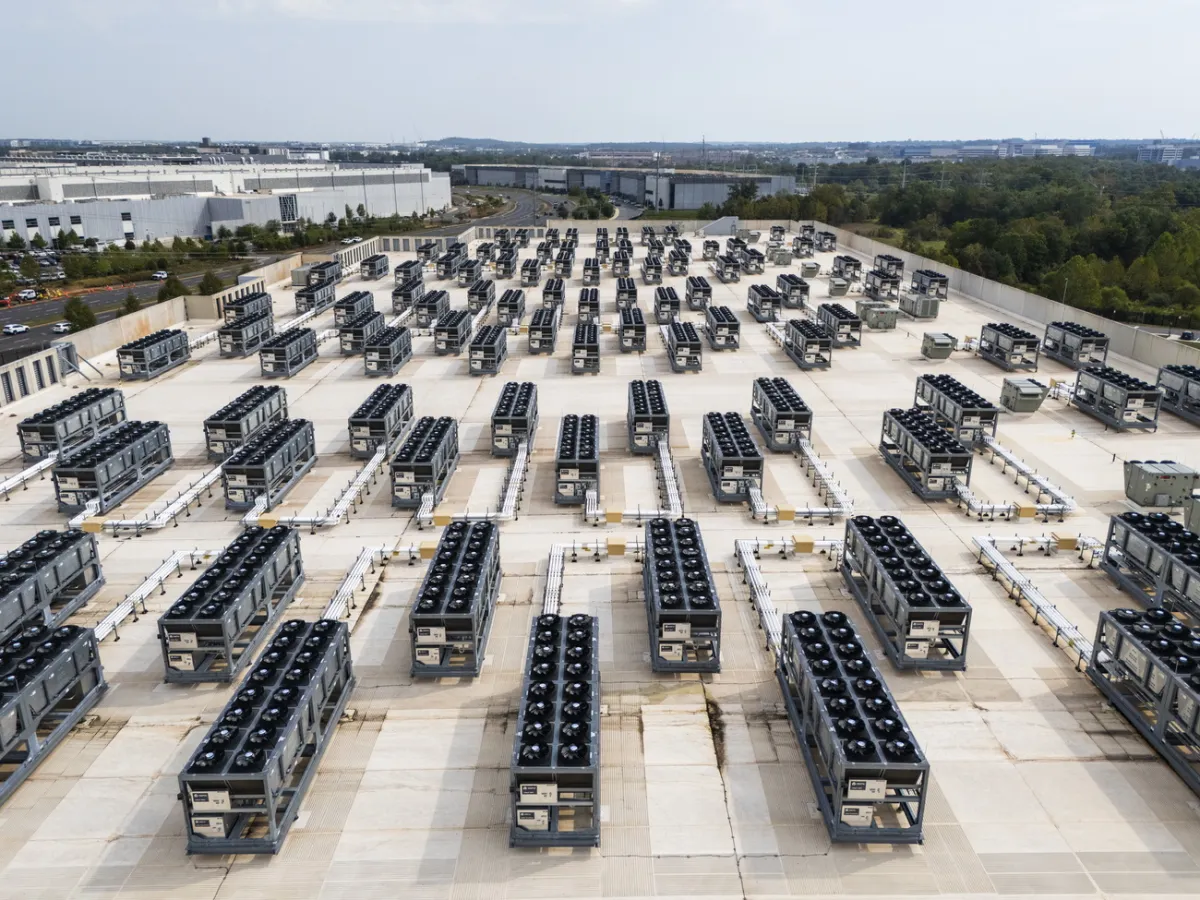
Liquid cooling makes it possible to operate multi-kilowatt accelerators and ultra -dense datacenter racks, but new research commissioned by startup Accelsius suggests that we've been using the wrong liquids for the job.The company found different cooling fluids can shave millions off datacenter operating costs by allowing bit barns to run their water systems up to 14° C higher than existing systems. By swapping single-phase coolants used by existing GPU servers for two-phase fluids, like those used in refrigerators and air conditioning units, Accelsius claims it can support facility water temperatures up to 54° C, or up to 59° C if the operator is willing to double a facility's flow rate.
While running at 59° C rather than 45° might not sound like a big difference, Accelsius claims that every 1° C increase in facility water temp corresponds to roughly 4 percent in annual energy savings.
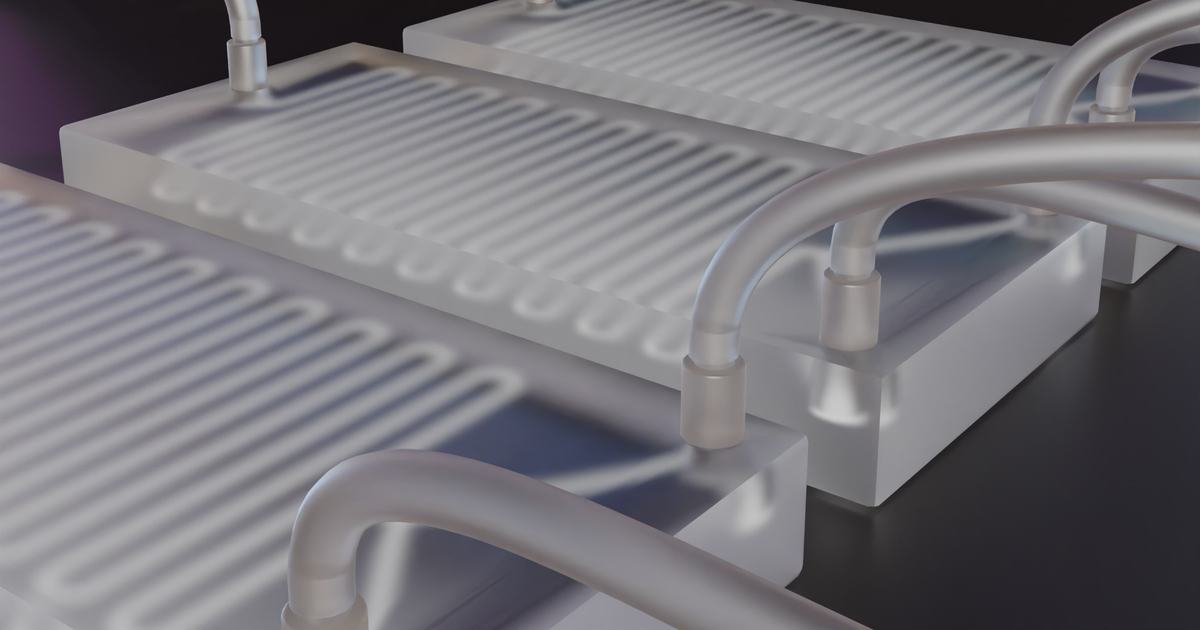
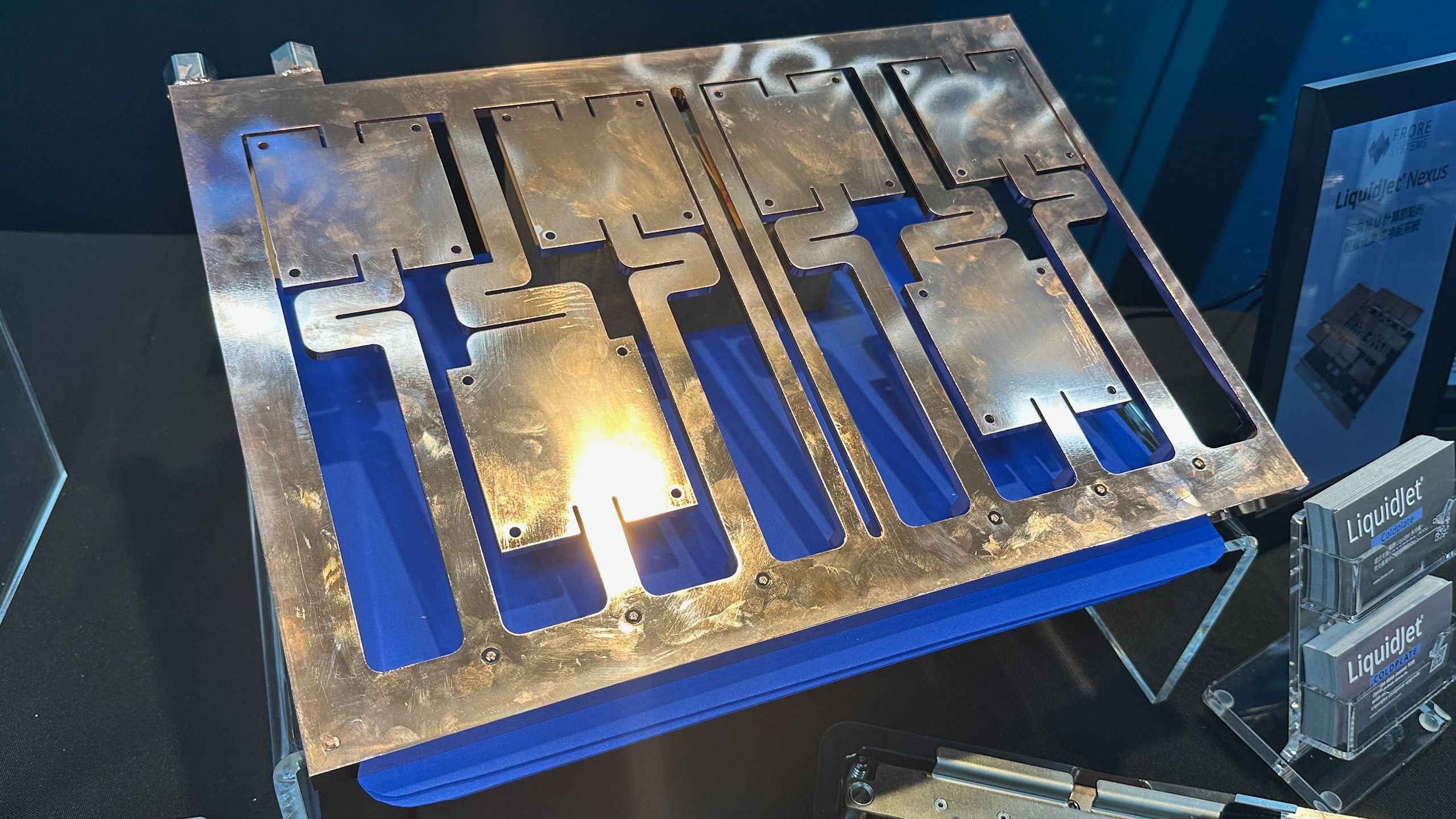
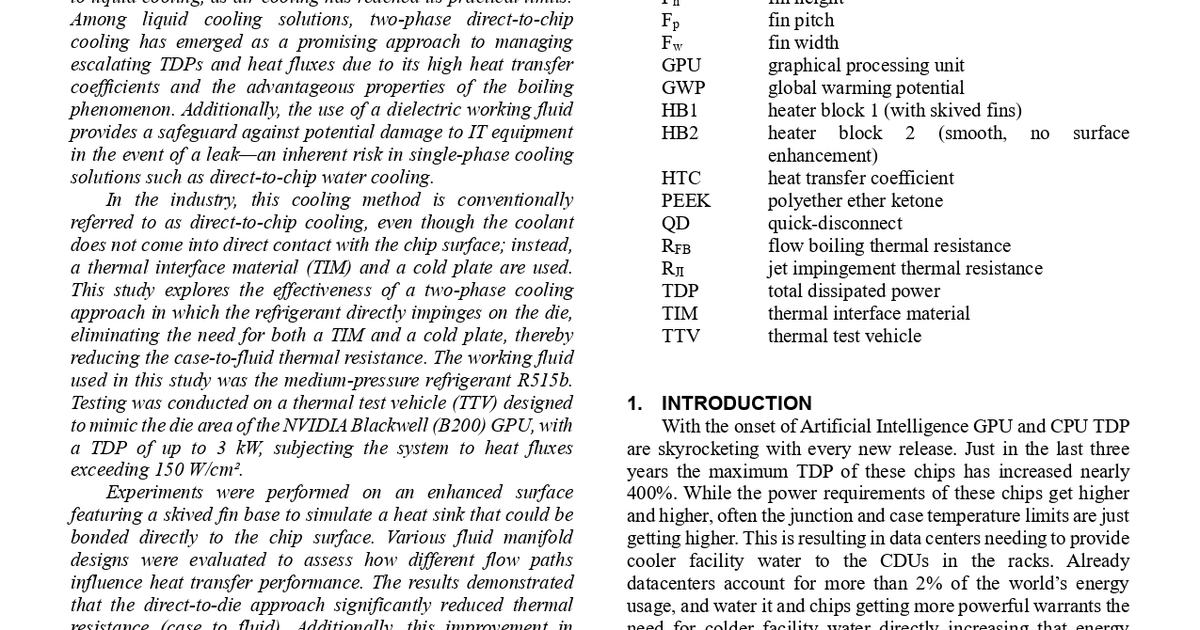
Given the datacenter building boom and electricity supply constraints pushing energy costs higher, the savings could be significant.“There's not that much you can do with a lot of 30° C waste heat, but as you get to 50°-60° C, now you're talking about shower temperature levels of heat,” Accelsius CTO Rich Bonner told El Reg in an exclusive interview.Two-phase coolants are nothing new in datacenter cooling. As far back as 2021, Microsoft was dipping entire server chassis into vats of boiling fluoroketones and hydrofluoroethers to cool them. ZutaCore, meanwhile, is using these two-phase coolants for its own direct-to-chip cooling tech.Compared to these designs, Accelsius’ approach could easily be confused for a conventional datacenter liquid cooling system. The company's approach is to pump fluids through rack manifoldstowards datacenter hardware. The fluids flow through finned cold plates attached to servers and other kit, then carry heat back to the coolant distribution unit. There, heat captured from the system is exchanged with facility water and eventually pumped out to the atmosphere.The main difference is that Accelsius is using two-phase coolants that are much more efficient at pulling heat off the accelerators.In a whitepaper shared with El Reg, Accelsius reports that by modifying a Dell PowerEdge XE9680L, a liquid-cooled server with eight Nvidia B200 accelerators, to use its NeuCool two-phase coolant and cold plates, the company was able to drop temps as much as 19° C at the cold plate and 9°–14° at the system level.“What you choose to do with that is really up to you and your end goals,” Bonner said. “For instance, you can run at higher facility water temperatures, and maybe not run your chillers at all and take that power that you're saving and now put more compute in your datacenter,” he explained. “Or, maybe, you're trying to overclock or get as much performance out of that chip.”