As artificial intelligence (AI) and high-performance computing (HPC) continue to push the limits of processing power, traditional approaches to data center cooling must evolve. Data centers must innovate to manage the substantial heat generated by increasingly powerful GPUs and CPUs.
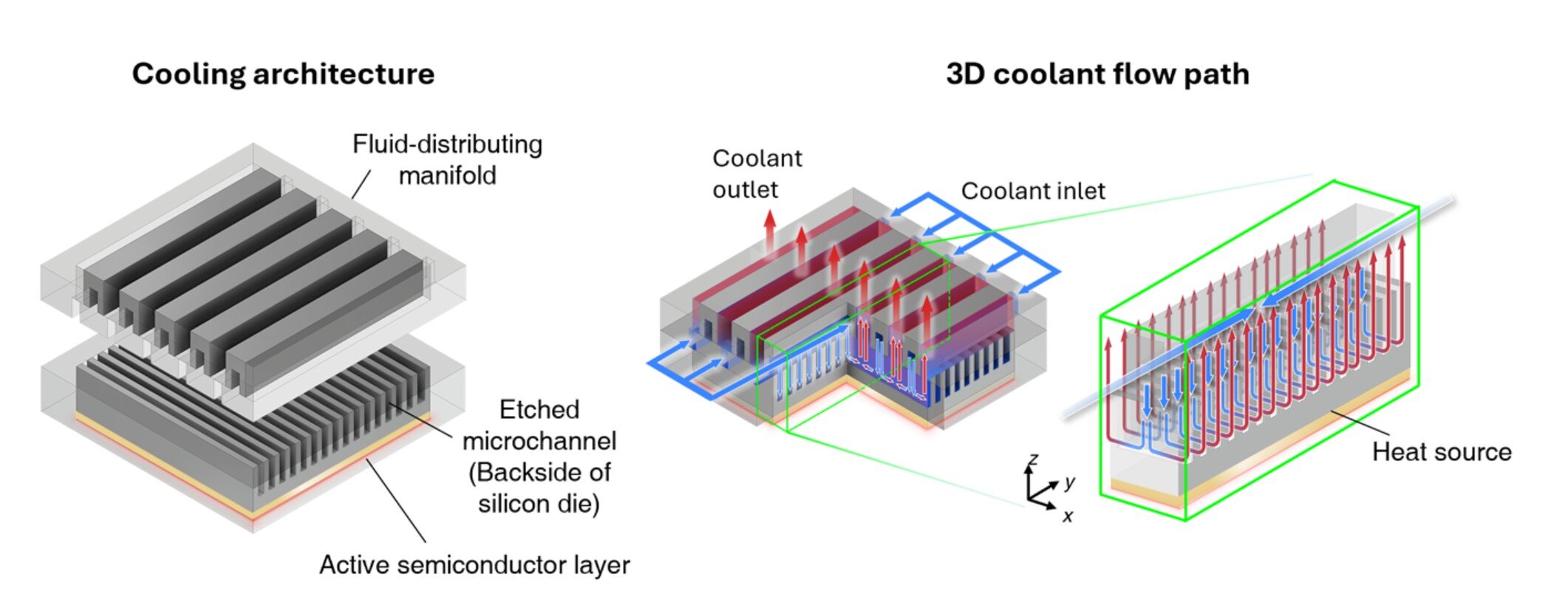
One of the most effective emerging solutions is direct-to-chip liquid cooling, which supports AI workload cooling by delivering efficient heat management while enhancing sustainability and performance.
Why traditional cooling is no longer enough for HPC infrastructure cooling
Traditional air-cooling systems are struggling to keep up with the heat generated by today’s AI-driven workloads. Air cooling is reaching its limits as GPU heat density increases. Even at higher fan speeds, air lacks sufficient thermal capacity to dissipate heat efficiently, leading to hot spots, thermal throttling, and increased failure risk in AI and HPC environments.
In addition, air cooling uses significant electricity as fans run continuously to manage rising GPU heat. Data centers already consume an estimated two percent of the world's electricity, a figure expected to increase as AI adoption grows. A different approach is needed for HPC infrastructure cooling.