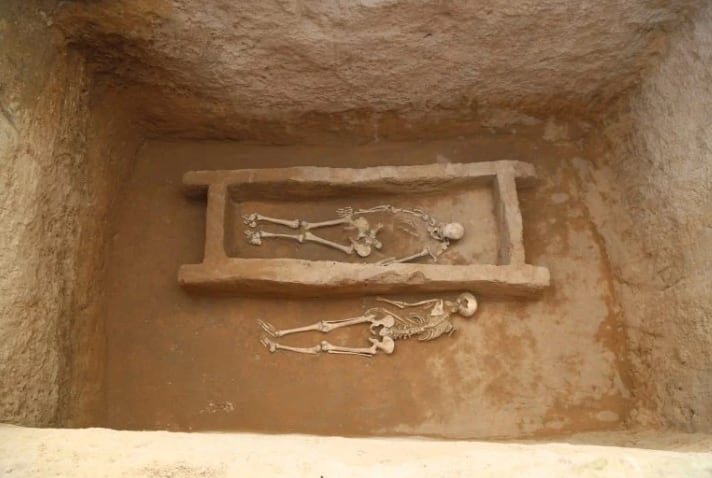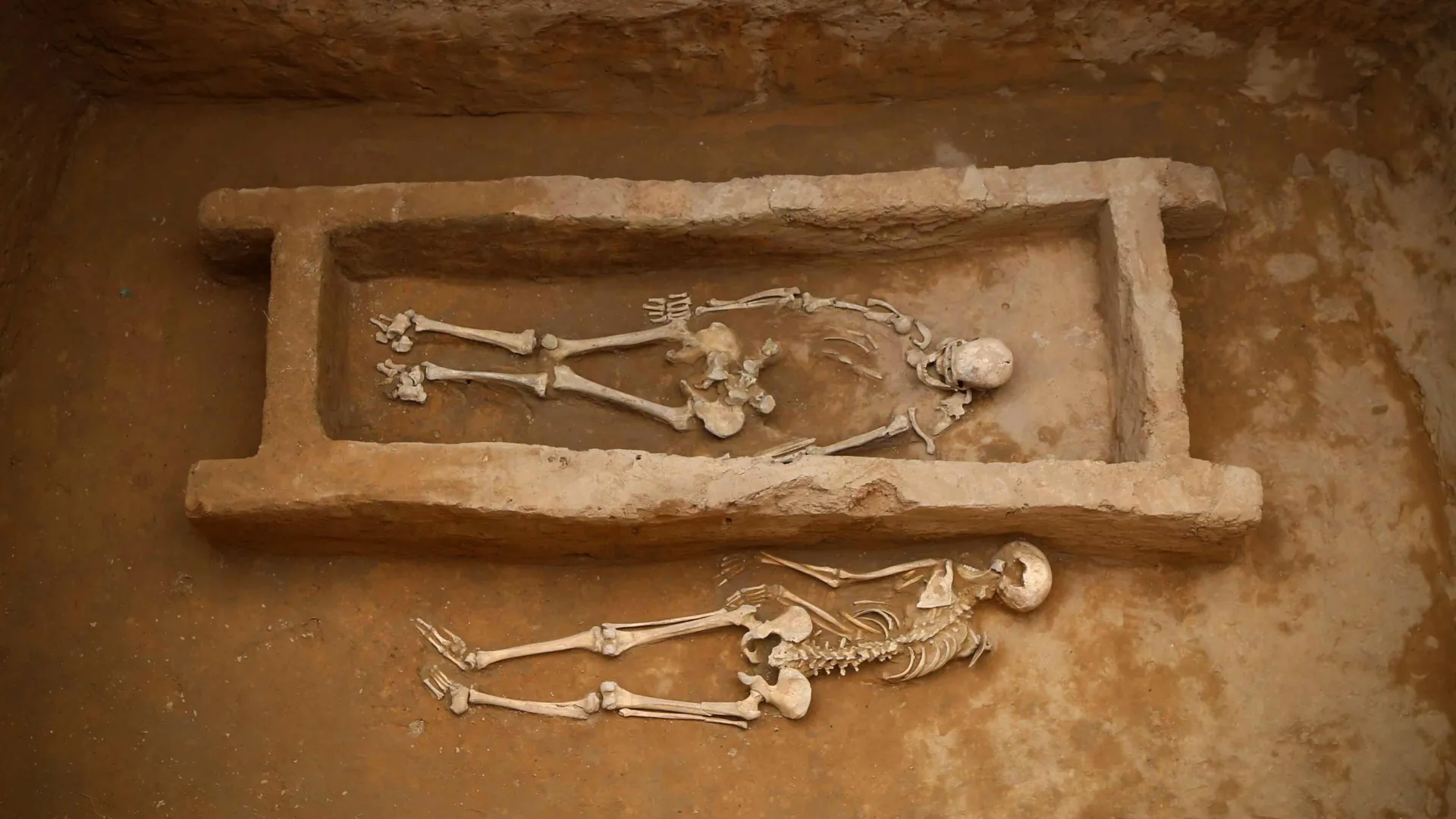
Ancient DNA is revealing new details about the people who lived at Shimao, one of the most important late Neolithic settlements in China. The findings, published in Nature, clarify the population's origins, family relationships, and social organization. They also identify genetic connections with communities farther south and provide evidence that mass burials linked to human sacrifice at the site largely contained men.
The project was led by Prof. Qiaomei Fu of the Institute of Vertebrate Paleontology and Paleoanthropology (IVPP) at the Chinese Academy of Sciences. Researchers from the Shaanxi Provincial Academy of Archaeology and several other institutions also contributed to the work.
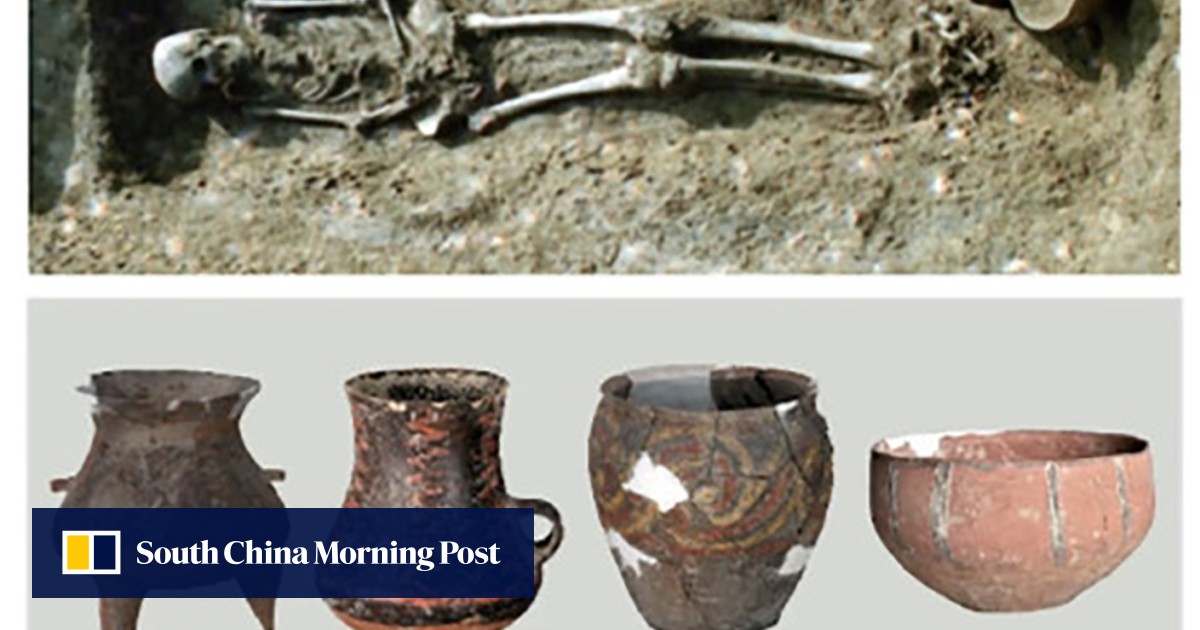
Over 13 years, the team conducted large-scale, high-resolution analyses of nuclear DNA from 169 ancient human samples (144 unrelated individuals). The remains came from Shimao, nearby archaeological sites, and locations in the southern Shanxi region.
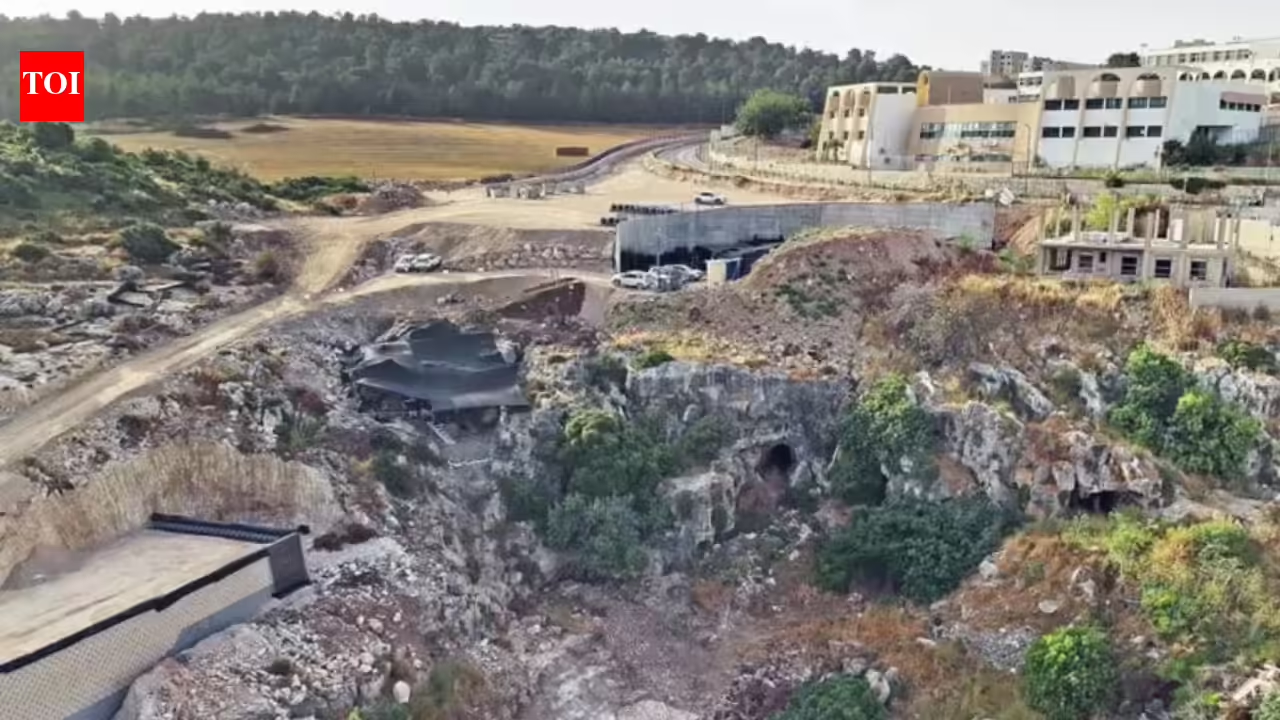
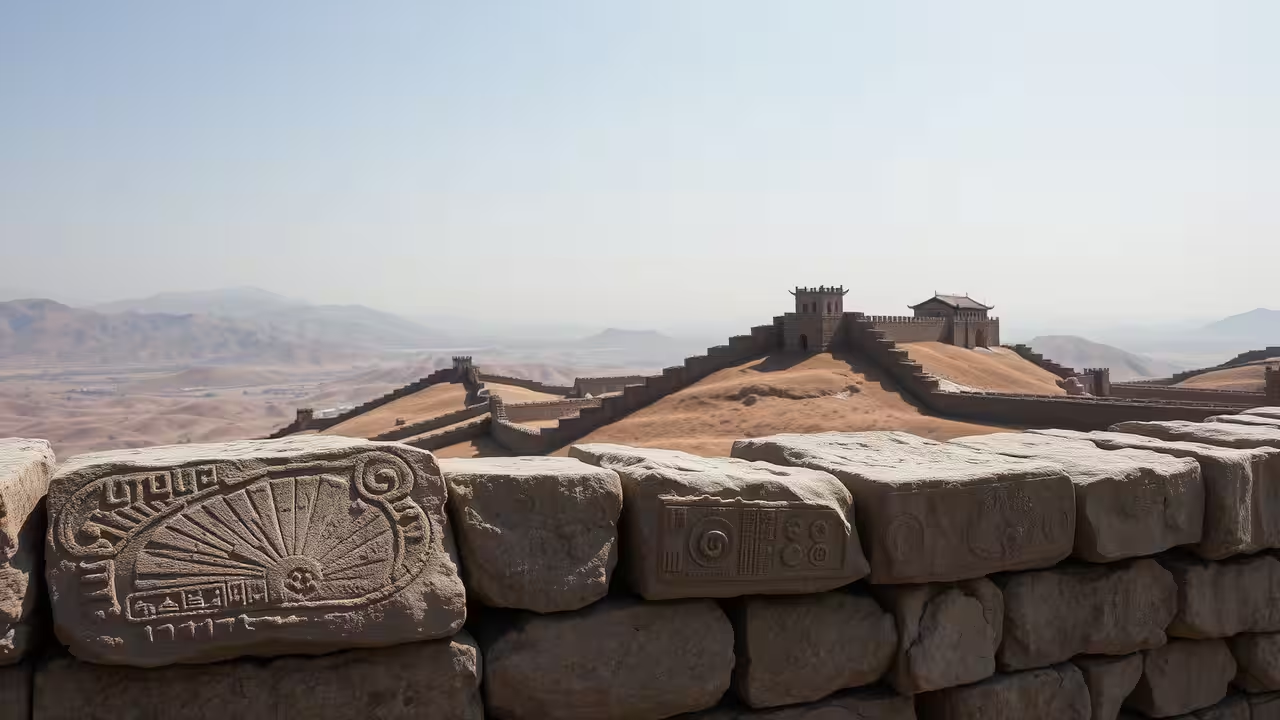
A Vast Walled Settlement in Ancient China
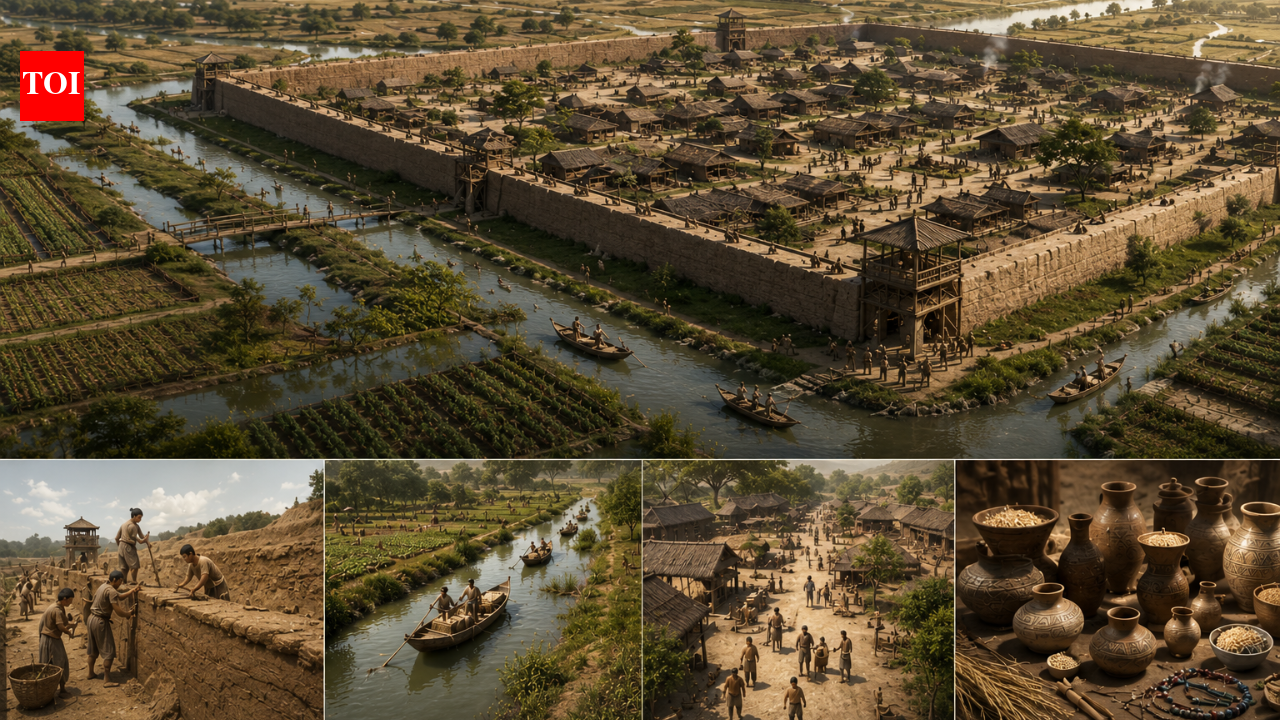
Shimao dates to approximately 4200-3700 years before the present and is located in northern Shaanxi Province, China. Covering about four square kilometers, the enormous stone-walled settlement was divided into separate functional areas.