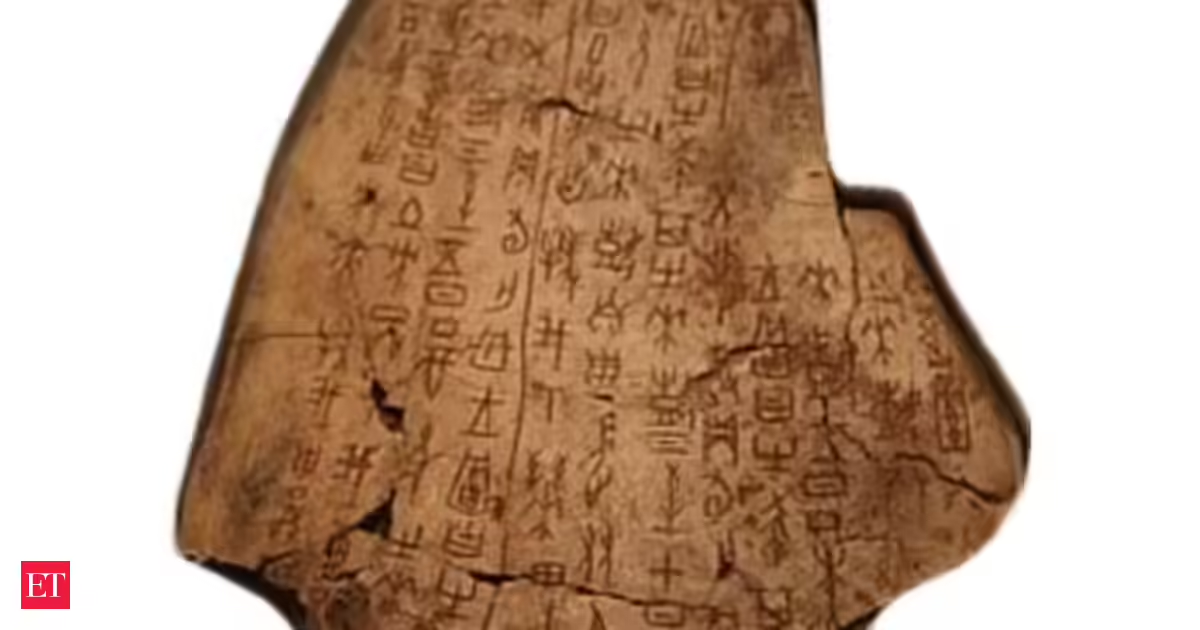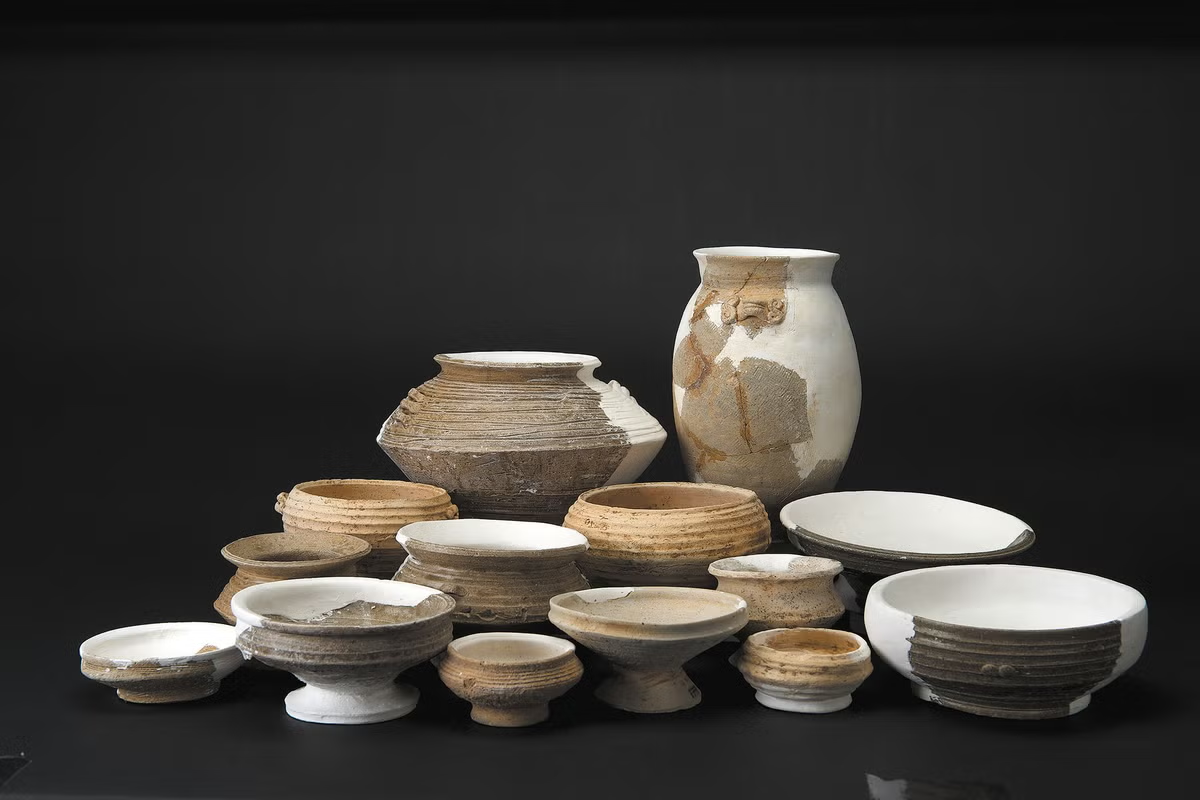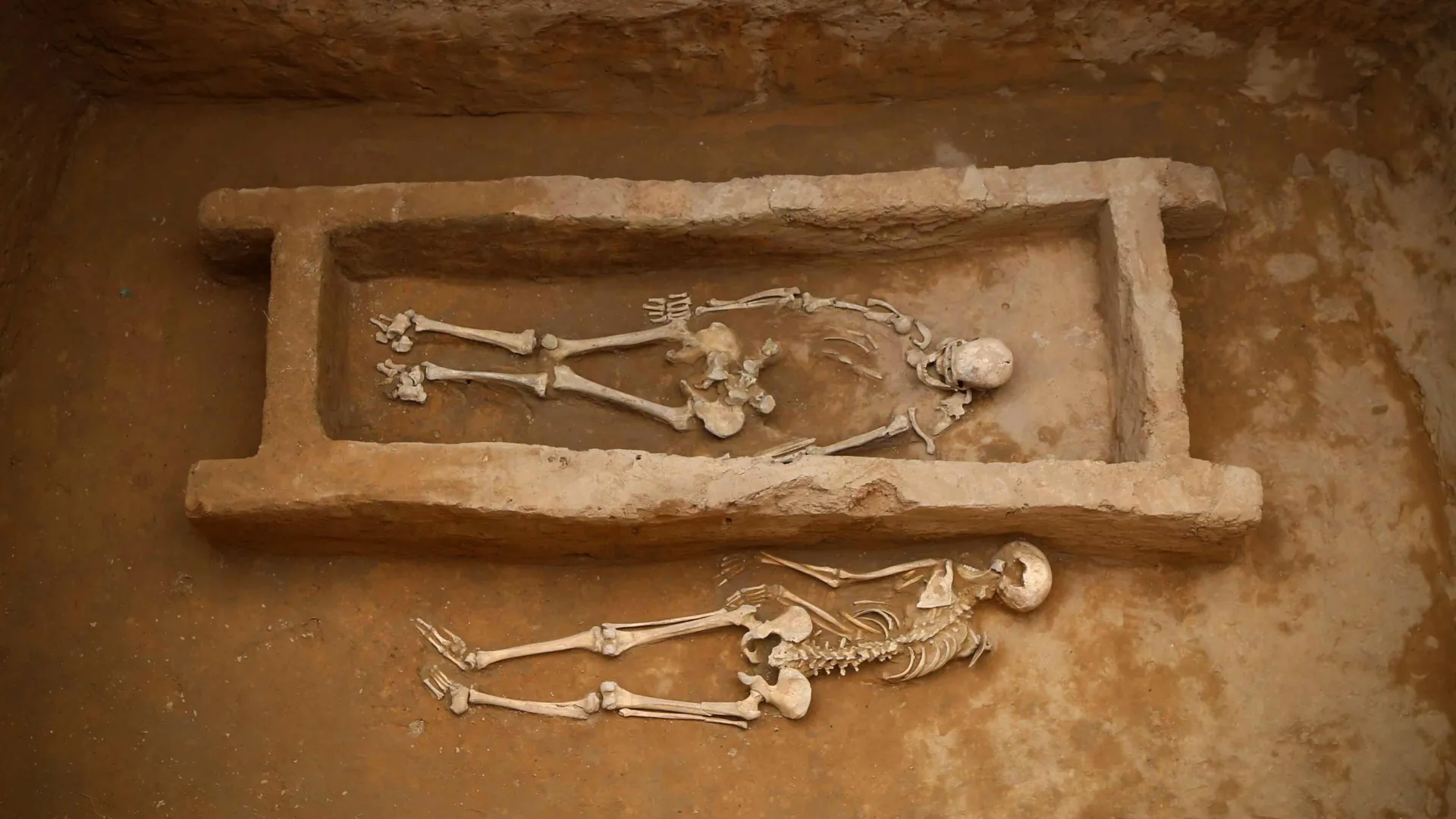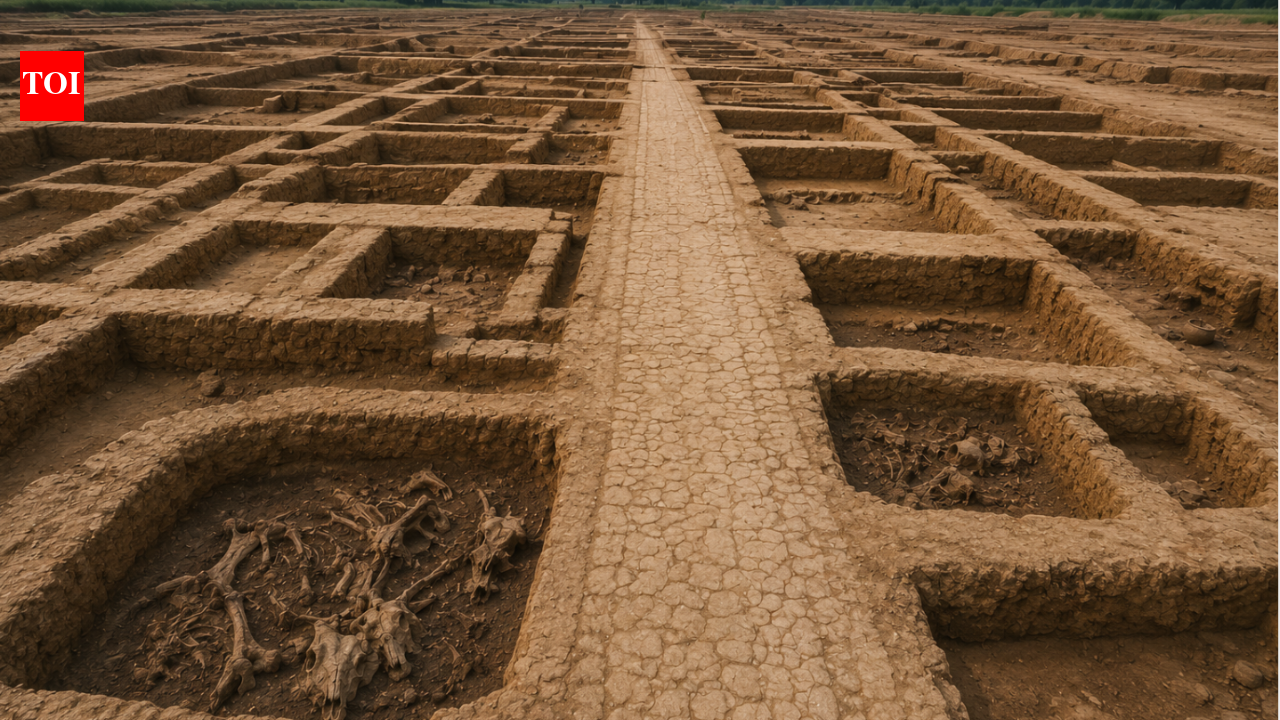
For thousands of years, the remains of a remarkable prehistoric city lay buried beneath the plains of central China, preserving clues to one of the Yangtze River region's earliest urban civilisations.
Now, new visitor access and archaeological discoveries are shedding fresh light on the Shijiahe Culture, a sophisticated society that flourished between approximately 3900 and 1800 BCE.
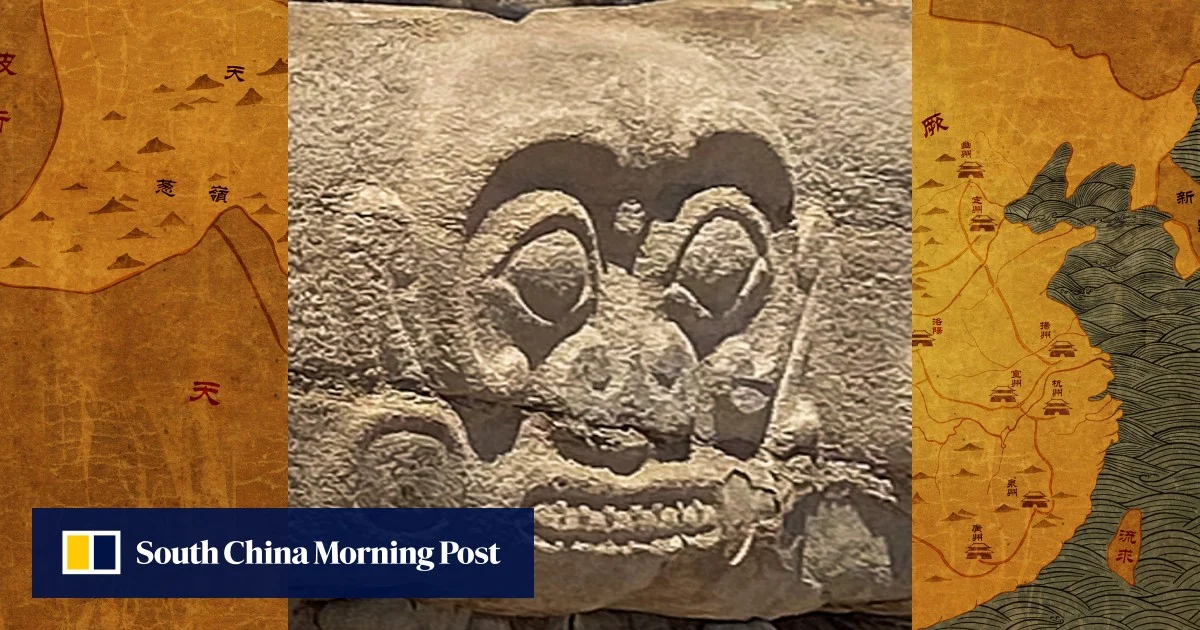
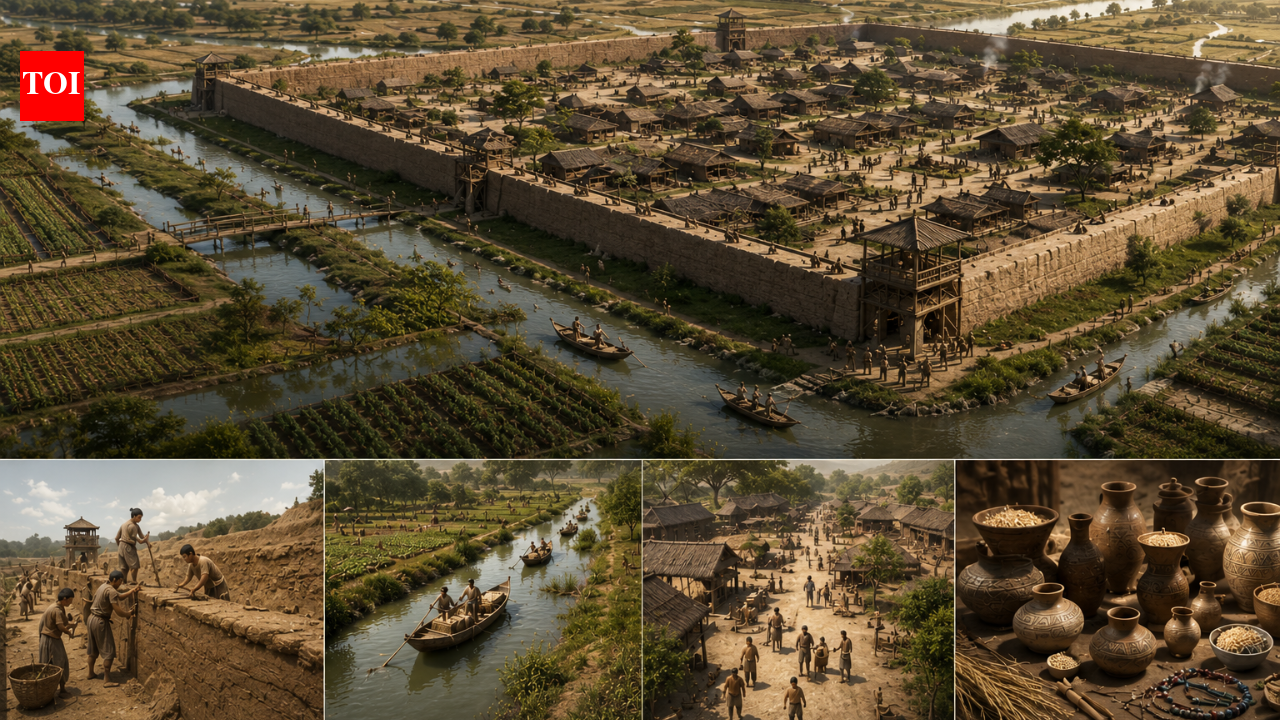
Long before the rise of China's first dynasties, the people of Shijiahe built sprawling settlements, engineered complex water-management systems, crafted exquisite jade artefacts and developed advanced religious traditions.
As archaeologists continue to uncover the scale of this ancient urban centre, visitors are gaining an unprecedented opportunity to explore a site that is reshaping our understanding of early civilisation in East Asia and revealing how complex societies emerged thousands of years ago.Hidden 5,000-year-old city reveals advanced engineering and urban planningLocated in present-day Tianmen, Hubei Province, the Shijiahe archaeological site represents one of the largest prehistoric settlements discovered in the middle Yangtze River basin.
According to the General Office of Hubei Provincial People's Government, Hubei Province lies in the middle reach of the Yangtze River with an area of 186,000 square kilometres.