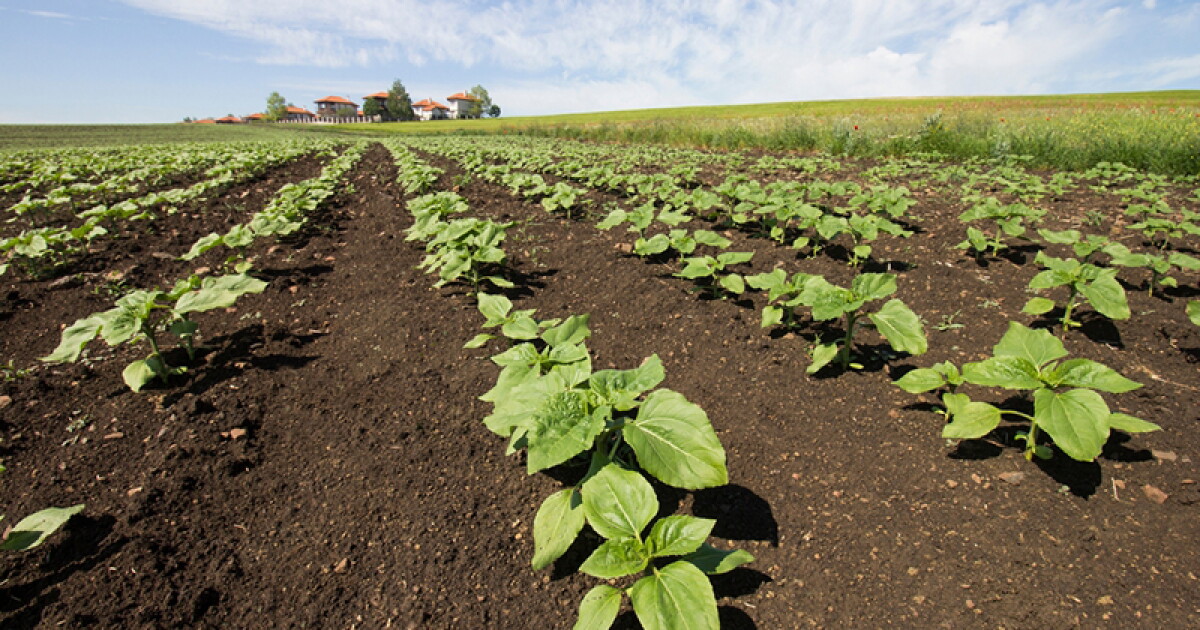
Access to feedstock for producing sustainable aviation fuels (SAF) should not be a bottleneck for scaling up production, according to panelists at the IATA (International Air Transport Association) Aviation Energy Forum in Paris in mid-June. The sheer variety of raw materials in different regions of the world can ensure ample feedstock for supplies made via the hydrogenated esters and fatty acids process (HEFA), which accounts for the lion’s share of existing supplies expected to total 2.4 million tons (800 million gallons) this year. “Everyone can participate in the SAF revolution with the array of feedstocks that is available around the world,” said Nancy Young. She is the chief sustainability officer for US-based Gevo, which produces SAF via the alcohol-to-jet (ATJ) pathway using ethanol and isobutanol.
Disparate Regulatory Frameworks Impede SAF Market Growth
Different methodologies used by ICAO and the EU to determine the eligibility of SAF feedstocks for regulatory schemes are impeding market growth.
125 words~1 min read