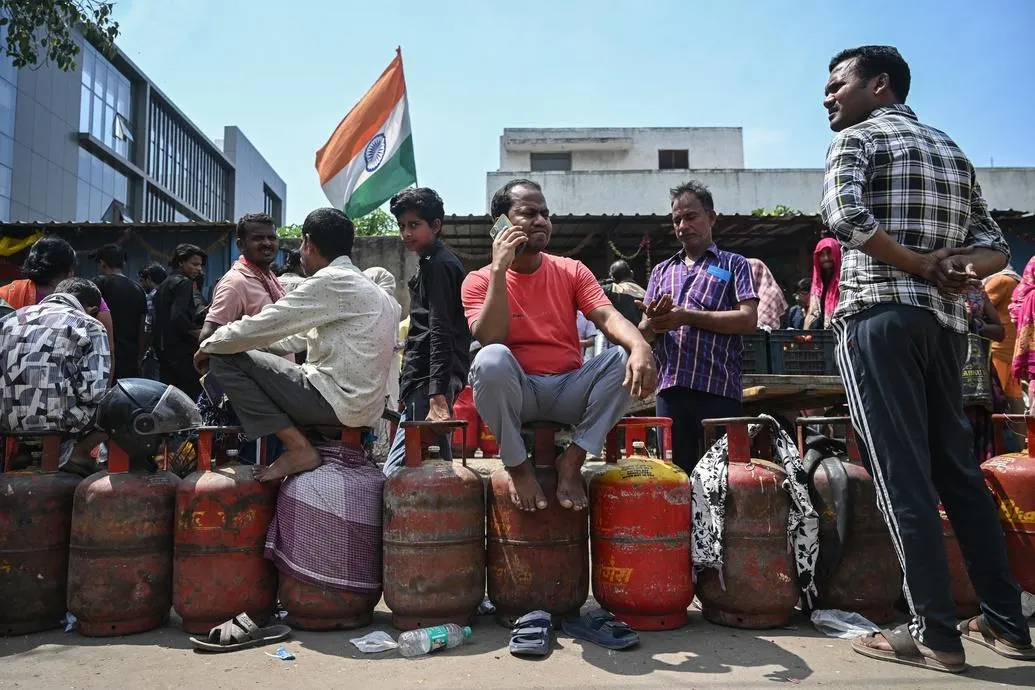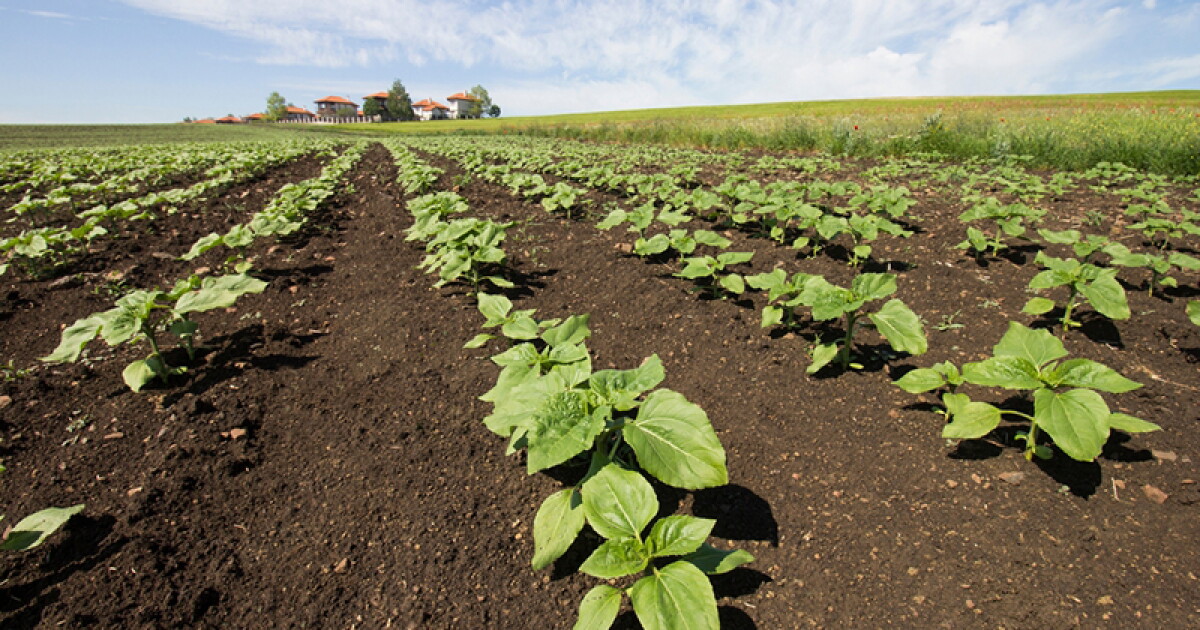
Last year, the International Air Transport Association (IATA) revealed that sustainable aviation fuels (SAF) production represents only 0.6% of total jet fuel consumption, well below the 65% target by the global aviation industry to reach net-zero carbon emissions by 2050. SAF currently costs two to five times more than conventional jet fuels, with the hefty price premium creating a significant economic barrier for airlines that operate on razor-thin margins. Additionally, there is not enough global refining capacity or raw materials such as cooking oil and animal fats to produce SAF at the scale required, with producers hesitant to invest without long-term supply agreements. However, a new report has revealed that the world could start sourcing cheap SAF from an unlikely source: a joint study by IECC at UC Berkeley and Energy Innovation has found that India is uniquely positioned to produce enough SAF to supply global markets at costs up to 40% below global benchmarks thanks to the country’s booming renewable energy sector.Indeed, India can transform its crude oil import vulnerabilities into a multibillion-dollar export industry by scaling Power-and-Biomass-to-Liquids (PBtL) Sustainable Aviation Fuels into a $9 billion export opportunity by 2030 and $30 billion by 2040. India produces vast amounts of surplus crop residue--which is traditionally burned by farmers--and collecting just 4% of this residue would be enough to produce supply 25% of global SAF requirements while creating direct income streams for rural communities. Further, India is currently producing some of the world’s cheapest green hydrogen, with prices falling from $4.67/kg in June 2025 to $3.23/kg in February 2026 mainly driven by an abundance of cheap solar power. India’s green hydrogen is projected to drop below $3/kg by 2030, enabling PBtL to consistently outcompete rival technologies.Power-and-Biomass-to-Liquids (PBtL) combines agricultural waste with renewable electricity and green hydrogen to produce sustainable aviation fuel. Crop residues such as straw, forestry waste and sawdust are first converted into a gas mixture known as syngas. Green hydrogen is then added before the mixture passes through a Fischer-Tropsch process, which converts the carbon-rich gas into liquid hydrocarbons. The result is a drop-in jet fuel that is fully compatible with existing aircraft and airport infrastructure.The addition of green hydrogen fundamentally changes the economics of biomass-based SAF production. Conventional Biomass-to-Liquids (BtL) processes discard much of the carbon contained in agricultural waste during conversion. Instead, PBtL uses green hydrogen to convert far more of that carbon into liquid fuel, allowing roughly twice as much SAF to be produced from the same amount of biomass. Because the process relies on crop residues and forestry waste rather than food crops, it also avoids one of the biggest criticisms of conventional biofuels. When combined with carbon capture and storage, the technology can even remove more carbon dioxide from the atmosphere than it emits over its lifecycle.India has set a policy mandate targeting a 5% SAF blending requirement in jet fuel by 2030, ensuring a ready, regulated domestic market alongside its global export ambitions. India’s investment in SAF is also intended to reduce its long-term exposure to volatile jet fuel markets. Following the surge in Aviation Turbine Fuel (ATF) prices after the outbreak of the Iran war, New Delhi approved a 100 billion rupee (~$1.05 billion) ATF Price Stabilization Fund. The program provides interest-free financing to state-owned oil marketing companies, allowing domestic jet fuel prices to be capped at 115 rupees per liter and helping shield airlines such as IndiGo and Air India from sharp fuel price swings.India’s policy support and improving production economics are starting to attract investment attention, too. California-based Aemetis (NASDAQ: AMTX) is exploring an initial public offering (IPO) for its Universal Biofuels subsidiary in India. Proceeds will help fund a dedicated SAF plant in the country while adding the capability to convert biodiesel into SAF for both domestic and international airlines. Universal Biofuels already operates an 80-million-gallon-per-year production facility on India’s east coast, supplying tens of millions of liters of biodiesel to the country’s three state-owned oil marketing companies (OMCs). Aemetis currently holds $3.8 billion of SAF supply contracts with major airlines, alongside a $3.2 billion renewable diesel supply agreement. By Alex Kimani for Oilprice.comMore Top Reads From Oilprice.comChina Seeks Long-Term LNG Deals Beyond the Strait of HormuzIndia Hikes Diesel and Jet Fuel Export TaxBrent Futures Flip to Backwardation as Middle East Supply Risks Return
Why India Could Dominate The Sustainable Aviation Fuel Market | OilPrice.com
India could become a global SAF powerhouse, with a new study suggesting it can produce sustainable aviation fuel up to 40% cheaper than global benchmarks.
716 words~3 min read