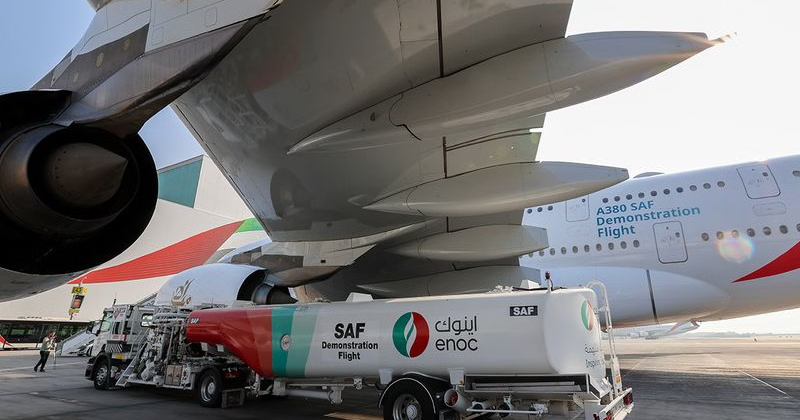
The government has set an indicative target of blending one per cent SAF in jet fuel used for international flights from January 2027
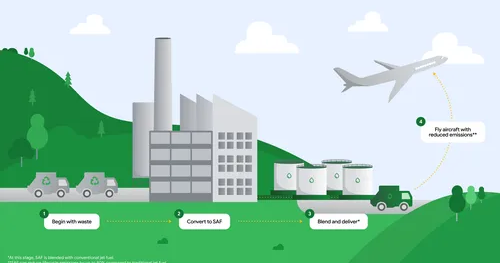
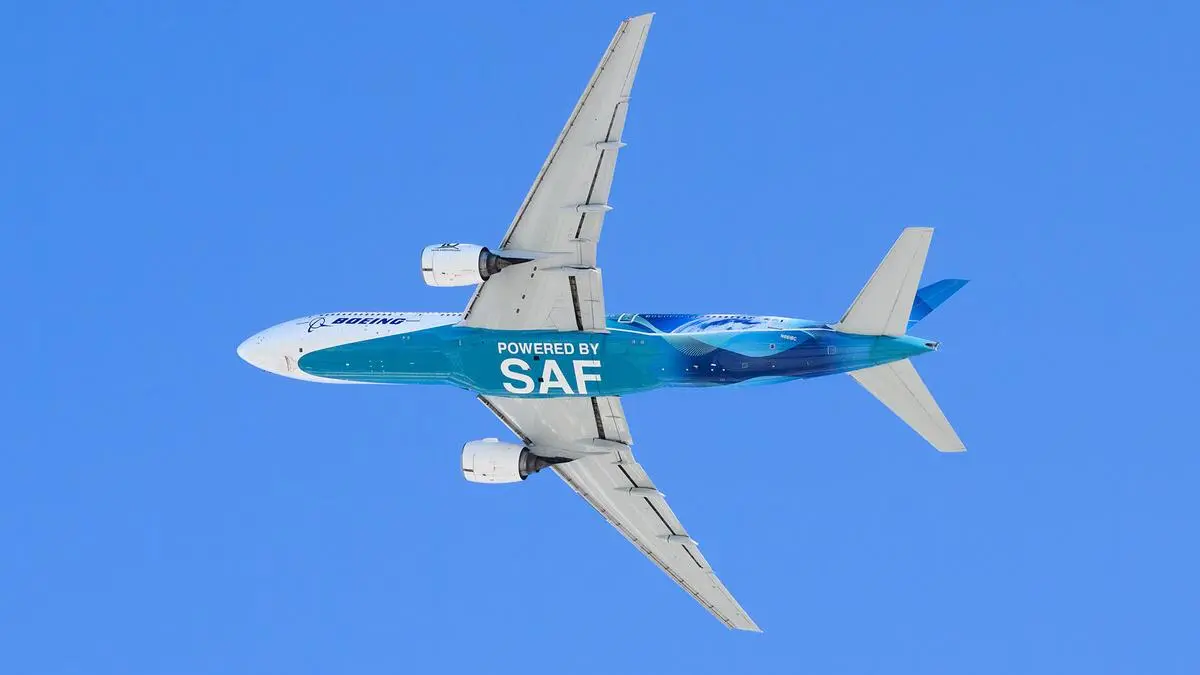
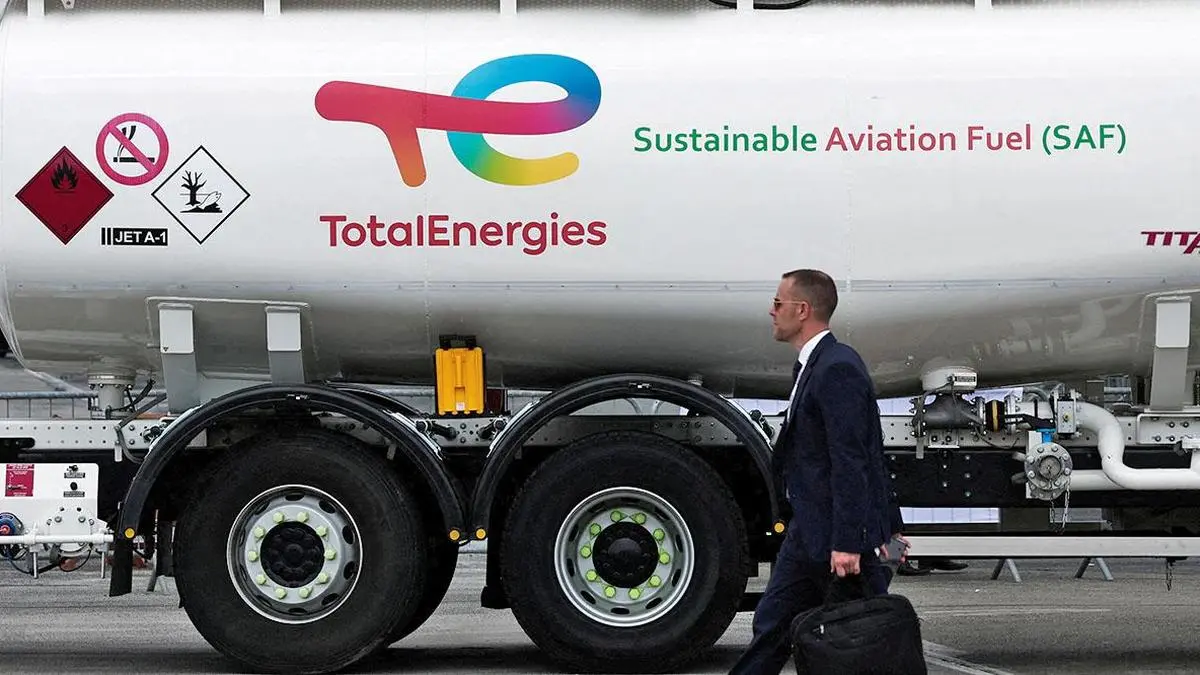
State oil marketing companies don’t foresee a delay in adoption of sustainable aviation fuel (SAF) on account of ongoing West Asia tensions and have called upon the government to provide fiscal incentives to make it affordable for airlines.Globally, SAF is priced three-five times more than conventional aviation turbine fuel (ATF). Incentives like viability gap funding or tax rebates could help lower the cost of production and help oil companies to pass on the benefits to airlines. This would also make it easier for airlines to enter into offtake agreements for SAF, executives of oil marketing companies said on Saturday.The government has set an indicative target of blending one per cent SAF in jet fuel used for international flights from January 2027. This would increase to 2 per cent and 5 per cent by 2028 and 2030.In April, the government expanded the definition of ATF to include SAF. According to Shailesh Dhar, Executive Director and Country Head (Aviation), Indian Oil Corporation (IOC), the April notification sets the ball in motion for introducing SAF in India.Considerable investments“This will help companies in formulating plans as considerable investments are required,” he said at a panel discussion organised by Aeronautical Society of India.“The government is now in the process of formulating an SAF policy and as a part of that actual mandates will be brought in for airlines and oil companies,” he said.IOC expects to start producing SAF from its Panipat refinery from September. It has already signed an MoU with Air India and a letter of intent with Akasa Air for SAF offtakes. Discussions are also on with foreign airlines, he said.Bharat Petroleum Corporation Ltd (BPCL) and Hindustan Petroleum Corporation Limited (HPCL) too are moving ahead with their SAF initiatives.BPCL’s Business Head (Aviation) Sanjeev Kumar said the coprocessing facility at its Mumbai refinery will be commissioned by year end. The Mumbai facility will have a capacity of 60 kilotonnes per annum and it would be able to meet the initial 1-2 per cent blending requirements, he added. HPCL expects a certification for its production process by the fourth quarter of 2026. “We have carried out a demonstration where we have used cooking oil and co-processed it with normal ATF. The project is ongoing,” said HPCL’s Executive Director (Aviation) Sibi Mathew T.Airfares could rise ₹100-200Airlines in Europe already charge a surcharge to cover the additional cost of SAF that is mandated in the continent from 2025. The Singapore government too will be charging SGD 1-42 SAF levy for all tickets from next January.Saleem Farooqui, Senior Principal Scientist at CSIR-Indian Institute of Petroleum said initial blending targets will not translate to high fares. He estimates fares could rise by ₹100-200 after introduction of SAF mandates. “While the SAF price is high we will be blending only small quantities,” he said.Responding to a query if airlines will purchase SAF given already high-operating costs, Dhar said the government will consult both airlines and oil companies to address all concerns.Published on May 24, 2026