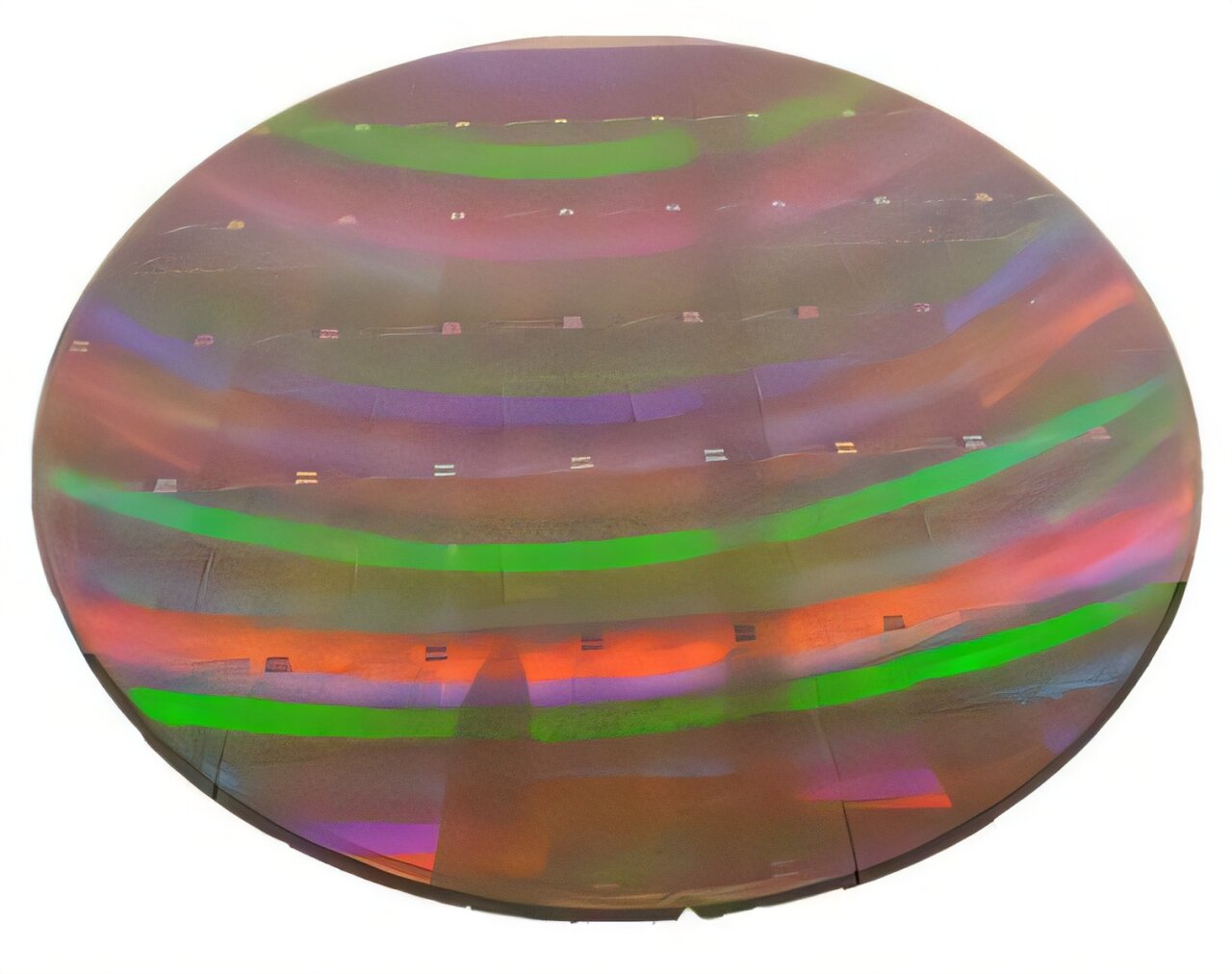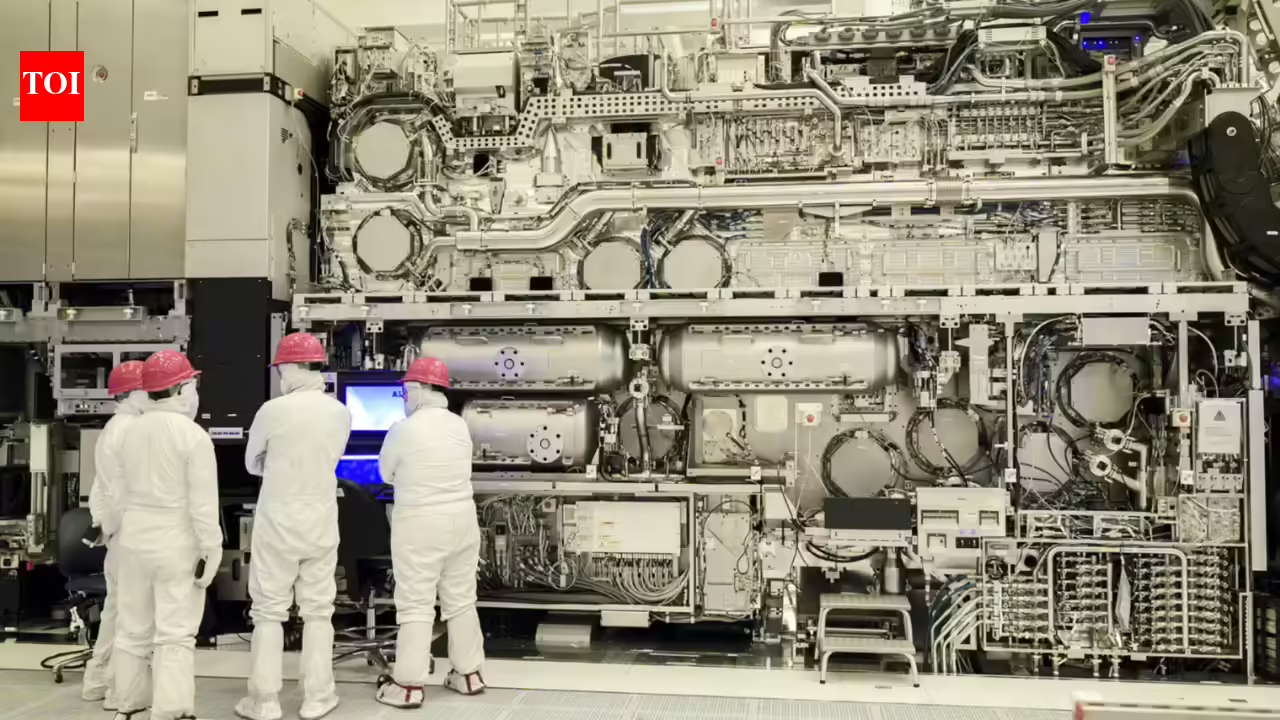
Mention semiconductors to the general public, and the image that usually comes to mind is a silicon chip foundry in Taiwan or South Korea. That is understandable. Advanced silicon manufacturing dominates headlines and investment.
Yet it tells only part of the story. A large and growing segment of the semiconductor world looks very different. It centres on optoelectronics, the semiconductors that emit, detect or manipulate light. These devices underpin the wider photonics industry, which builds complete systems for generating, controlling and using light.
Photonics is increasingly recognised as a strategic technology platform that underpins modern communications, sensing, healthcare and advanced computing. In the UK alone, the sector already generates £18.5 billion ($24.9bn) in annual turnover and contributes £8.6 billion ($11.58bn) to the economy, according to a February 2026 report by the Council for Science and Technology.
The foundation of many photonic systems lies in the optoelectronic semiconductor components embedded inside them. These include lasers, LEDs, photodetectors, and sensor arrays that convert electricity into light, or light into electrical signals.
Understanding and advancing these semiconductor building blocks will be central to the next phase of photonics innovation. Equally critical is developing the processes to integrate them into complete photonic systems.