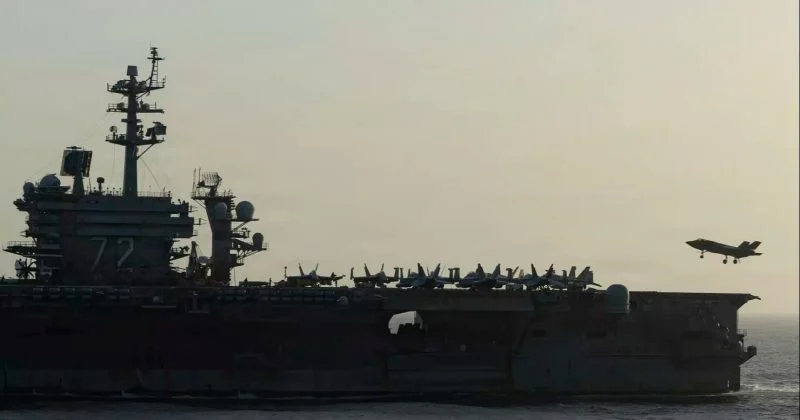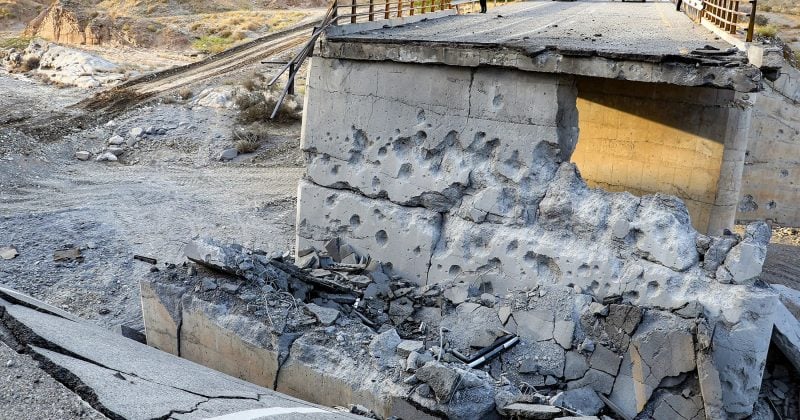
The United States has continued its military pressure on Iran, marking the ninth consecutive day of airstrikes aimed at mitigating Iranian attacks on shipping routes and reopening the strategic Strait of Hormuz. This military campaign, part of Operation Project Freedom, targets infrastructure to compel Tehran to halt its closures of the vital waterway. The conflict, which began earlier this year with joint U.S.-Israel airstrikes, has seen heightened tensions and retaliatory actions from Iran, including missile and drone strikes on U.S. bases in the Middle East. The ongoing military engagements have kept the operational status of the Strait contested, despite the Iranian Revolutionary Guard Corps’ previous declaration of its closure.
Key Takeaways
Ongoing U.S. airstrikes appear to support a scenario where Iran may implement a full airspace closure, as tensions escalate.
Market pricing for an Iran full airspace closure by July 31 suggests increased likelihood, currently at 25.5% YES, reflecting heightened military threats.
The pricing trend for airspace closure by August 31 has also increased, indicating continued market anticipation of escalating conflict.