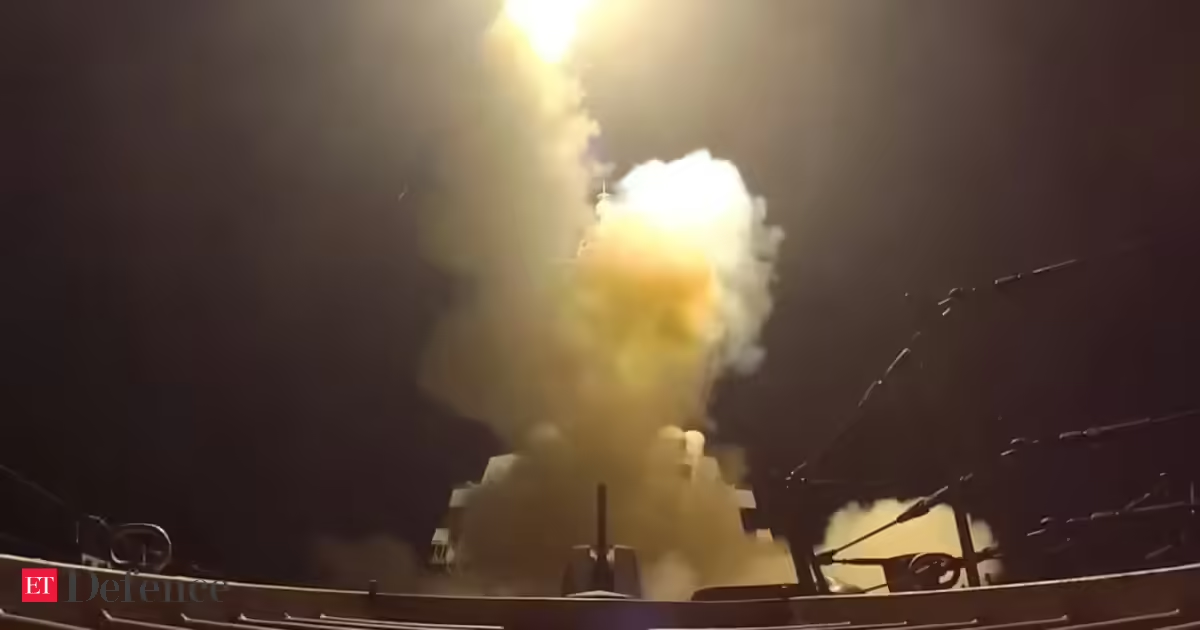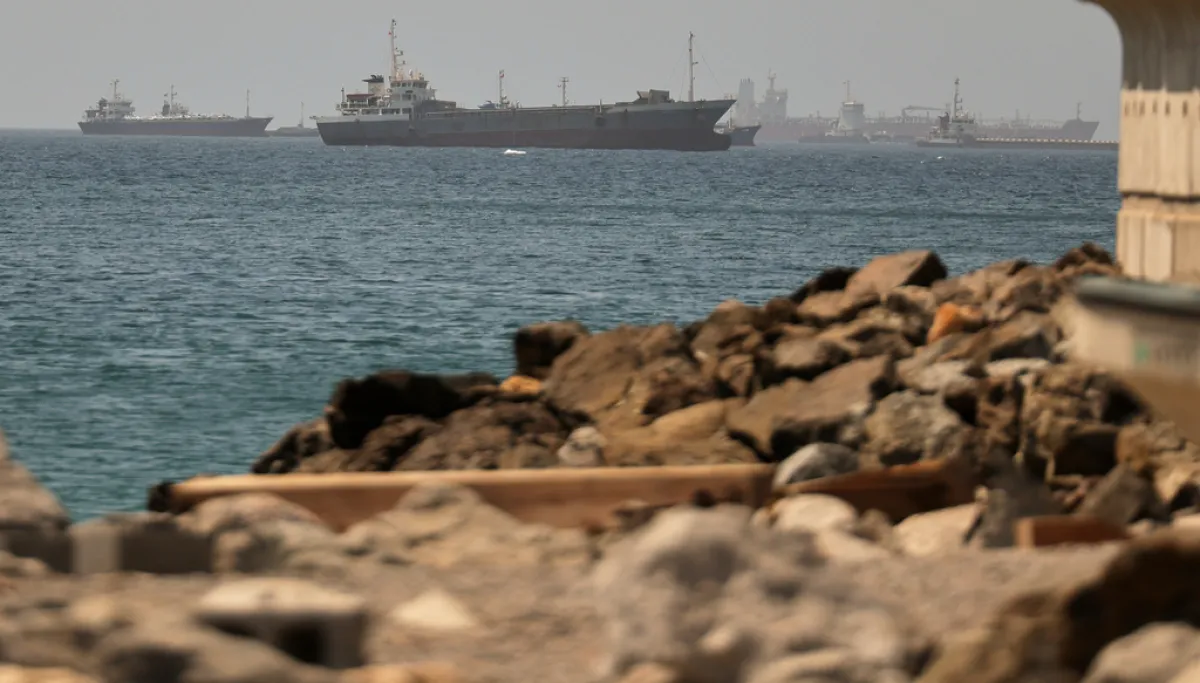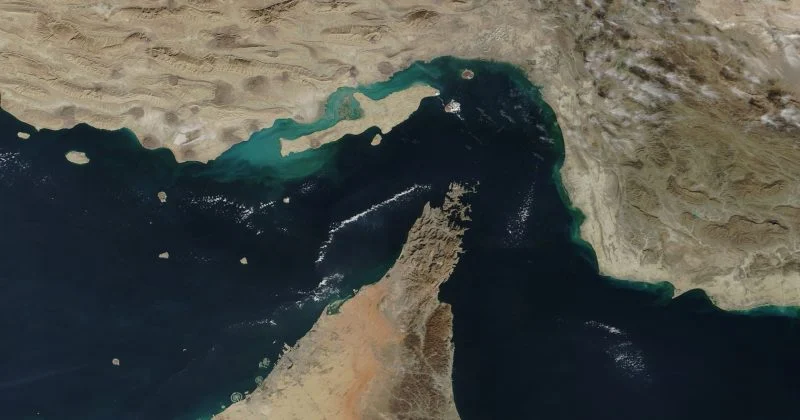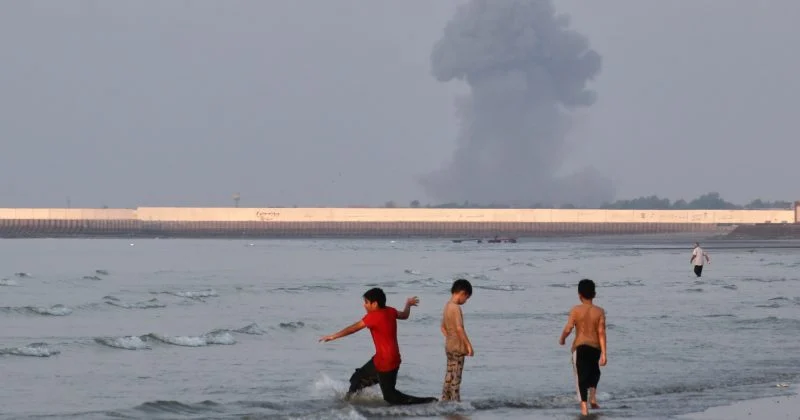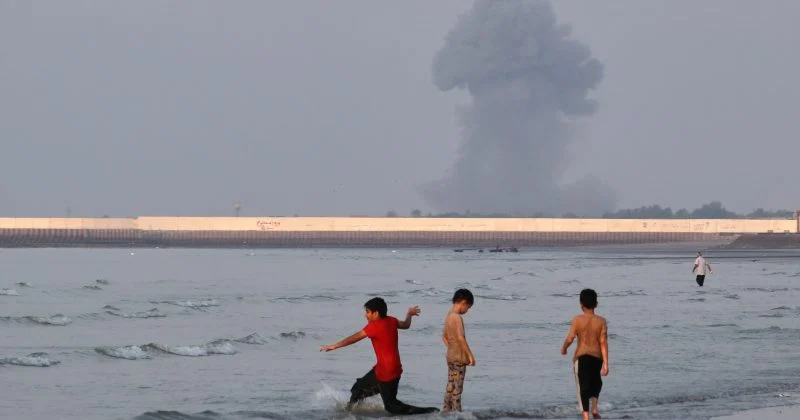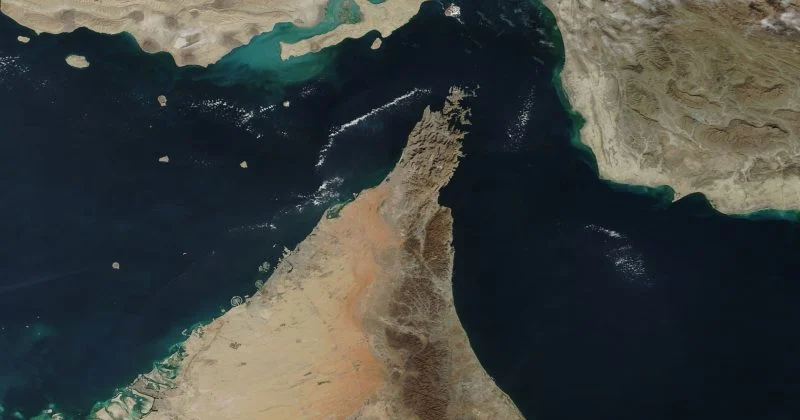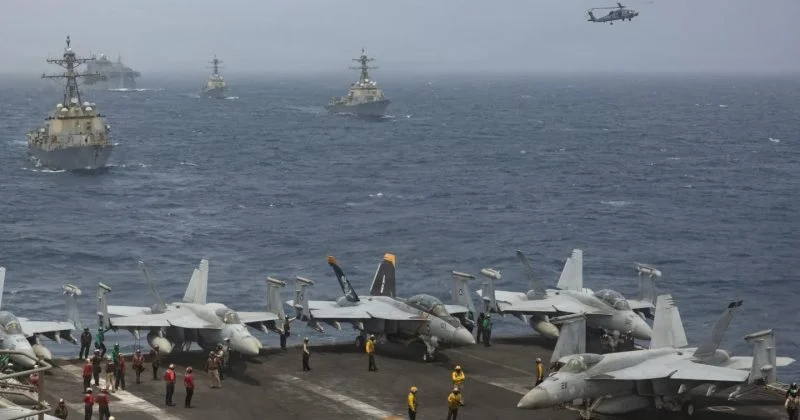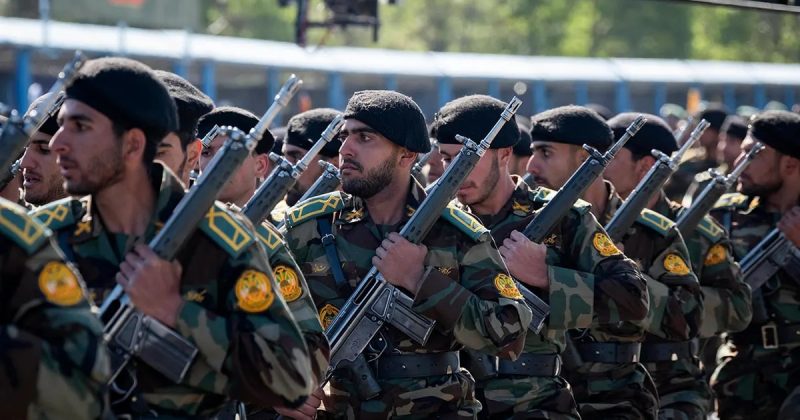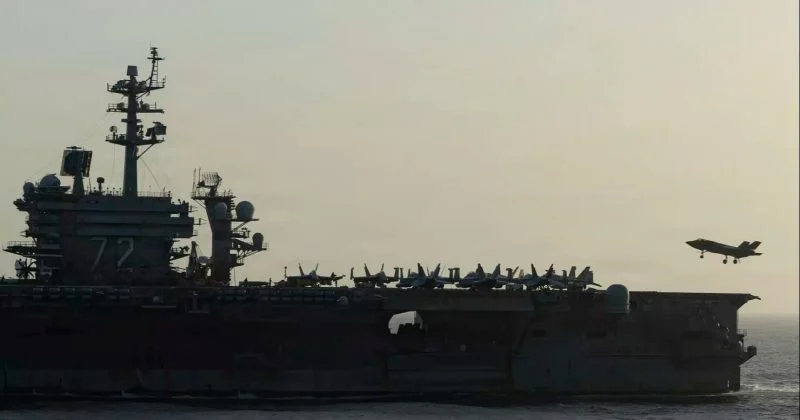
The United States has launched airstrikes and established blockades against Iran amid escalating military tensions in the region. Iran’s recent movement of oil tankers through the Strait of Hormuz, a critical global energy corridor, comes as a direct challenge to the U.S. naval blockade efforts. These developments follow the collapse of a 60-day ceasefire, with the U.S. aiming to degrade Iran’s military capabilities after Iranian attacks on three commercial tankers in the strait. The renewed hostilities have led to a significant reduction in maritime traffic through the Strait of Hormuz, raising concerns about energy supply disruptions.
Key Takeaways
Market behavior suggests a decreased likelihood of traffic normalization in the Strait of Hormuz by August 31, with the current probability for a YES resolution at 12.5%.
The U.S. military’s actions appear consistent with a strategy to maintain pressure on Iran, potentially prolonging the strait’s closure.
Iran’s attempts to assert control over the Strait of Hormuz may indicate a continued standoff, impacting global energy markets.