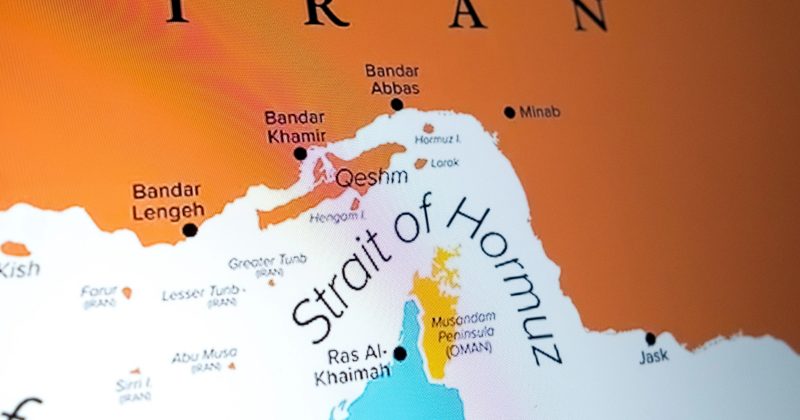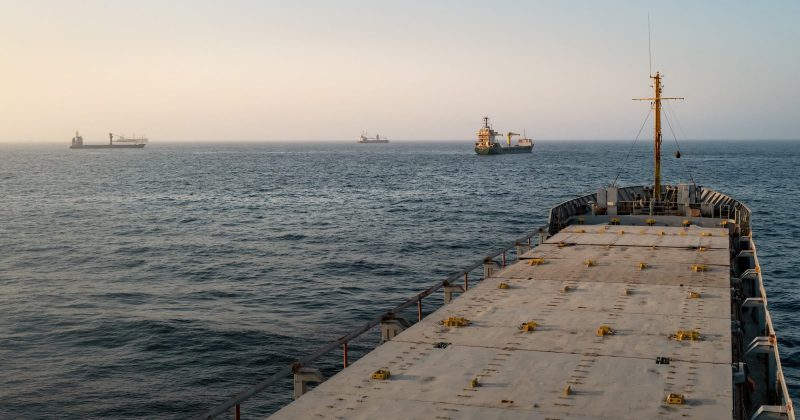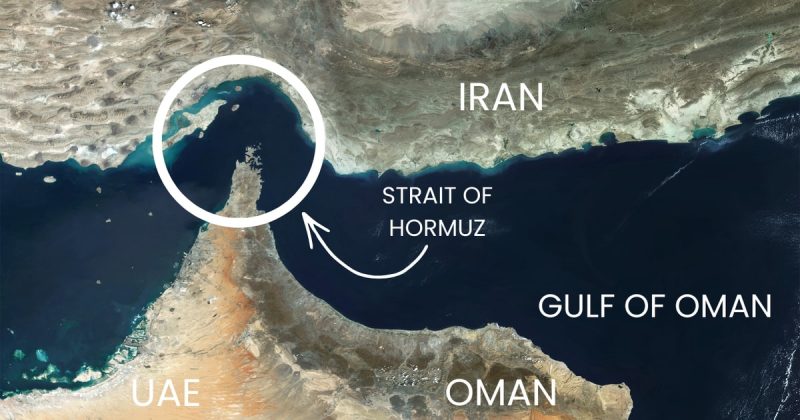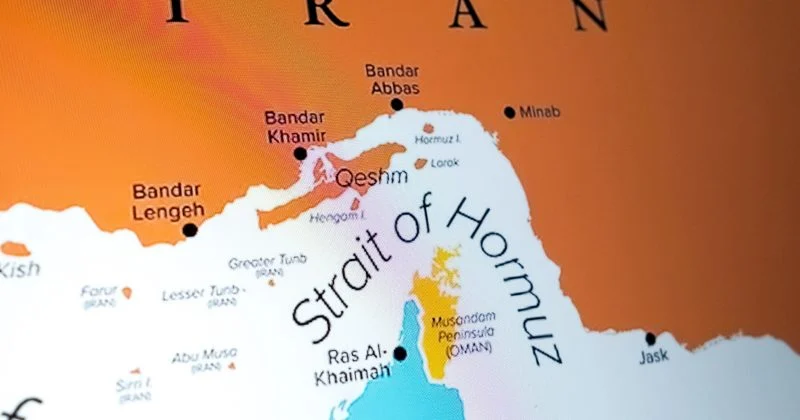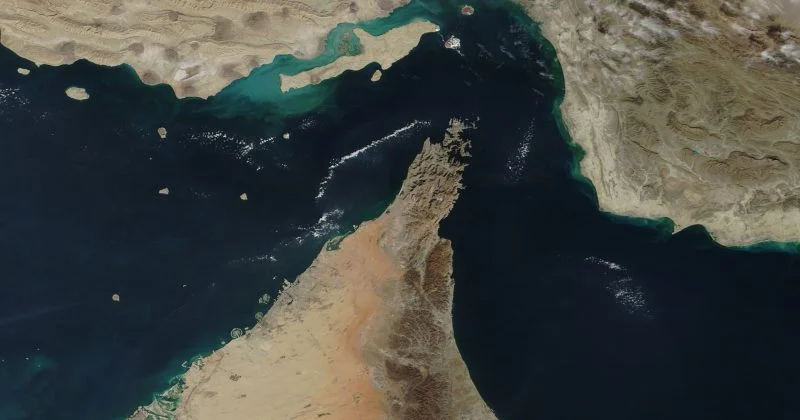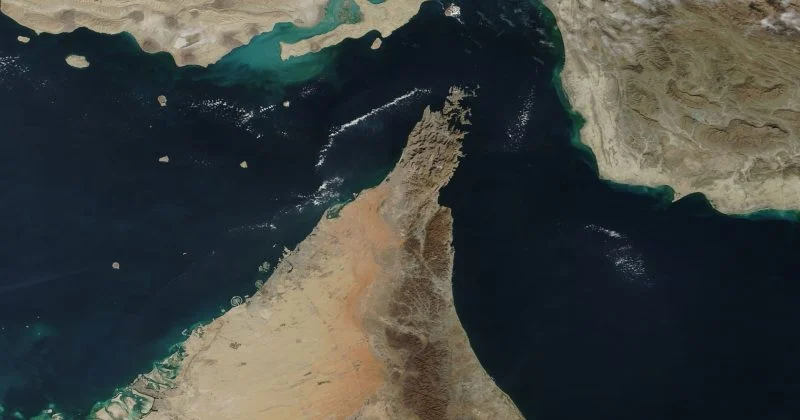
Iran’s strategic maneuvering in the ongoing conflict with the U.S. and Israel involves controlling key waterways, notably the Strait of Hormuz. The country has expanded its military jurisdiction in the region, significantly impacting global oil logistics. Despite a fragile ceasefire signed in May, recent exchanges of strikes between the U.S. and Iran highlight the ongoing tension. President Trump’s administration has conducted airstrikes in the area but has not deployed warships inside the strait, relying instead on aerial and sanctions pressure. Iran’s actions suggest an attempt to leverage control over the Strait as a bargaining tool, potentially charging tolls for passage if no peace deal is reached by mid-August.
Key Takeaways
Iran’s strategy appears consistent with a “decrease YES” outcome for Strait of Hormuz traffic normalization by August 31, with current pricing at 13.5% YES.
Market pricing suggests that Iran’s tactical control over the Strait is expected to persist, affecting global oil transport.
The potential for Iran to impose tolls and maintain regional control is reflected in the declining odds for a peaceful resolution by the deadline.