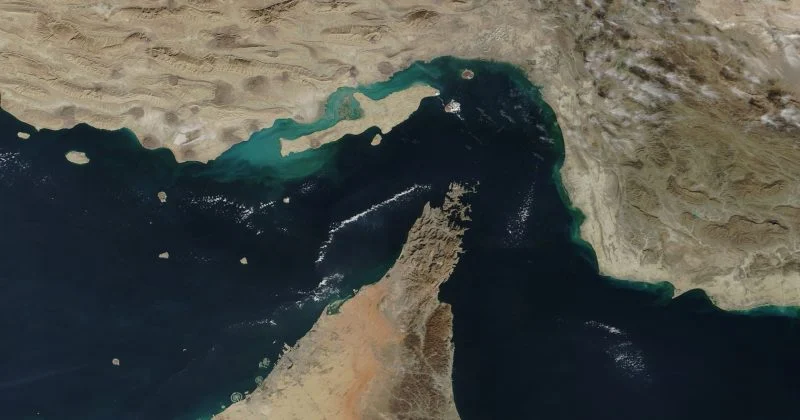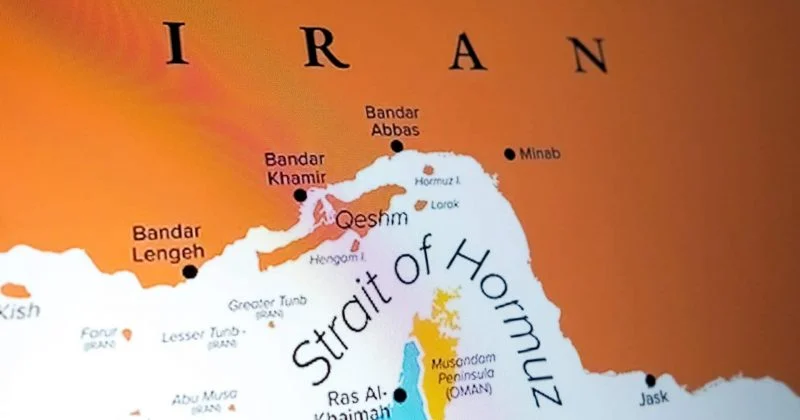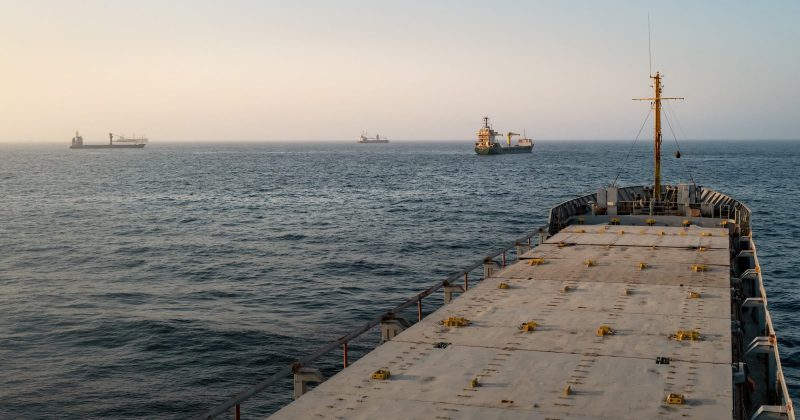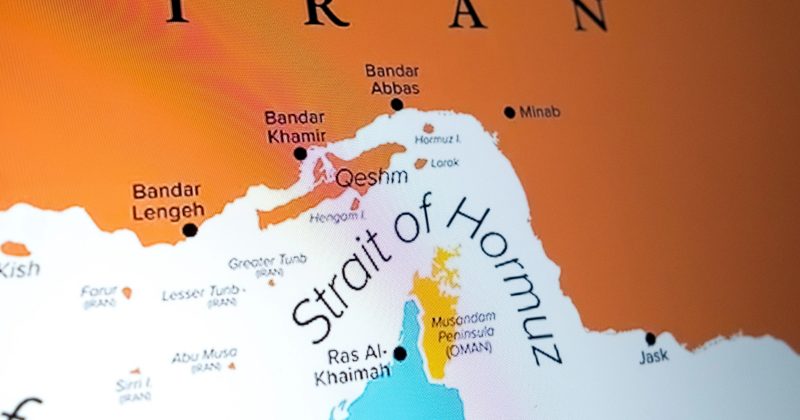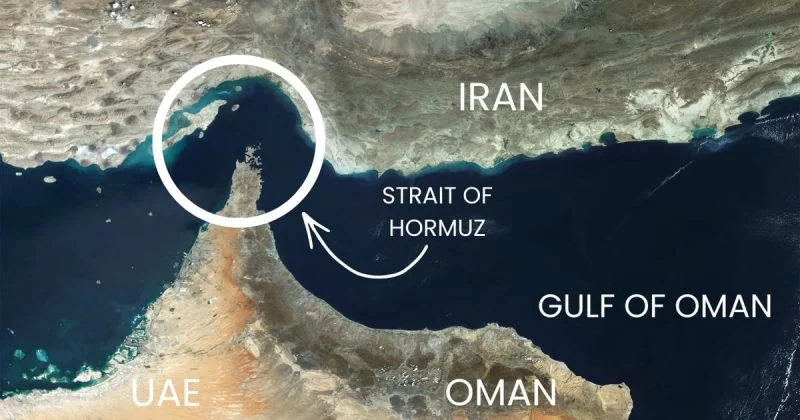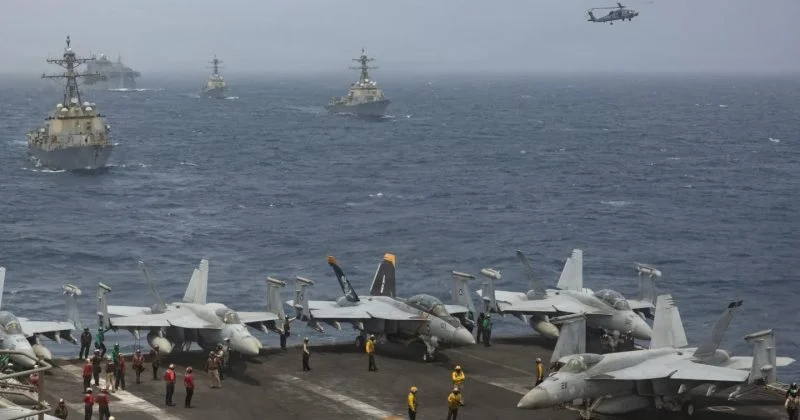
Following the onset of the US-Israel conflict with Iran on February 28, 2026, significant geopolitical attention has focused on the Strait of Hormuz. As a critical channel for global energy supplies, the strait has largely been blocked by Iran, intensifying international tensions. Recent statements from world leaders have underscored the strategic importance of the strait and the potential risks associated with continued military actions. The US has engaged in operations to ensure the strait remains open, refuting Iran’s claims of a total blockade. Meanwhile, several nations, including NATO allies, have deployed naval forces to ensure security and stability in the region. This multilateral involvement suggests a complex geopolitical landscape impacting future traffic normalization in the strait.
Key Takeaways
The focus on the Strait of Hormuz appears consistent with concerns over global energy supply disruptions.
World leaders’ statements suggest ongoing tensions and potential escalation in the region.
Pricing indicates a decrease in the probability of traffic normalization in the Strait of Hormuz by August 31.