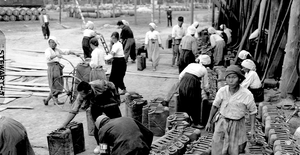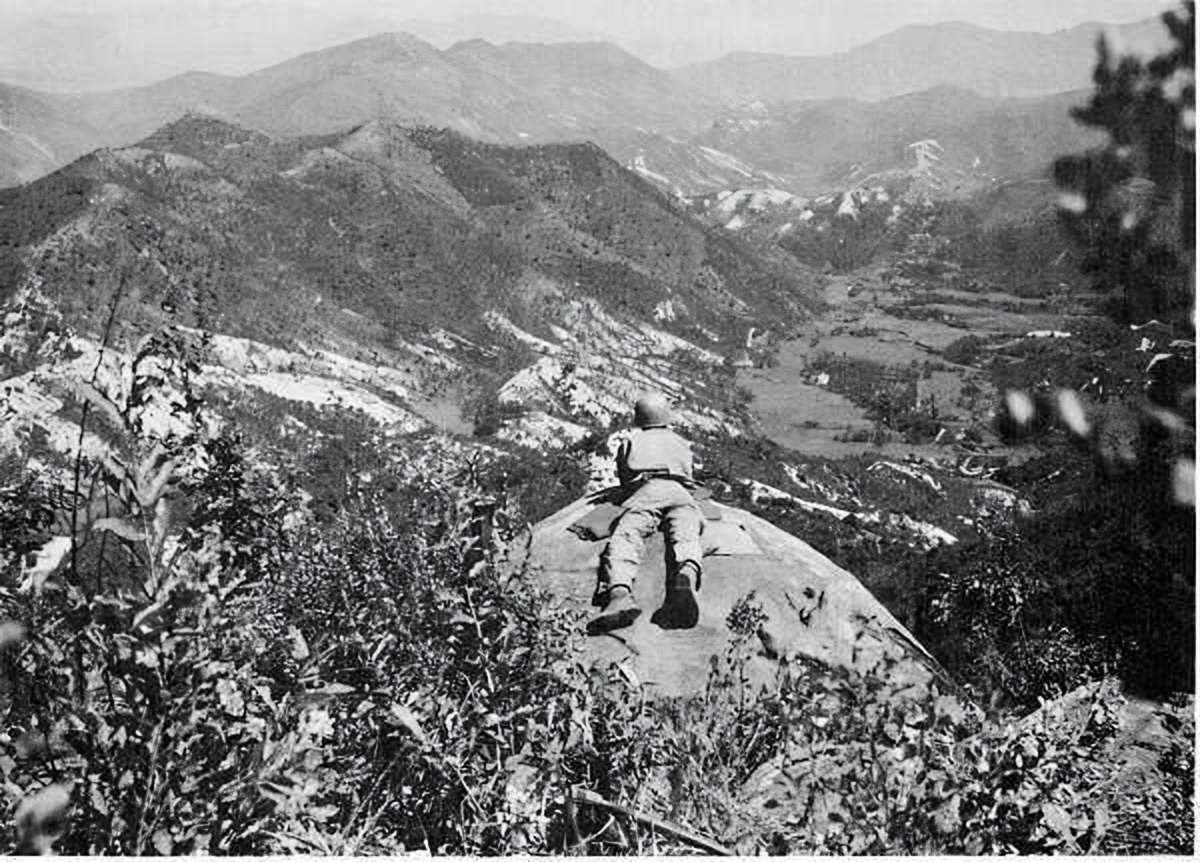
A soldier of the U.S. Army 1st Cavalry Division conducts a scouting mission near Chilgok, North Gyeongsang Province, a part of the Busan Perimeter, in July, 1950. Korea Times file
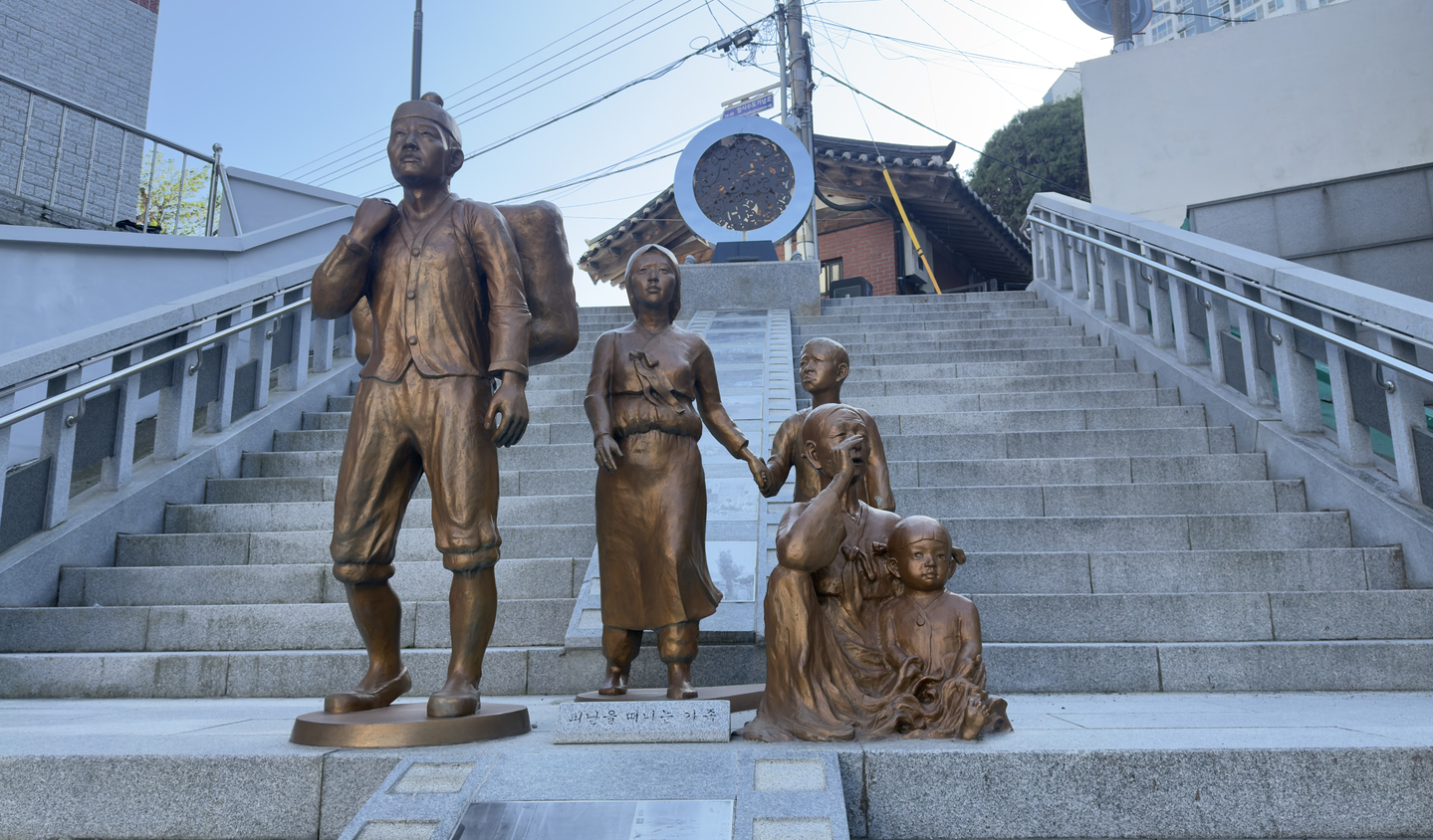
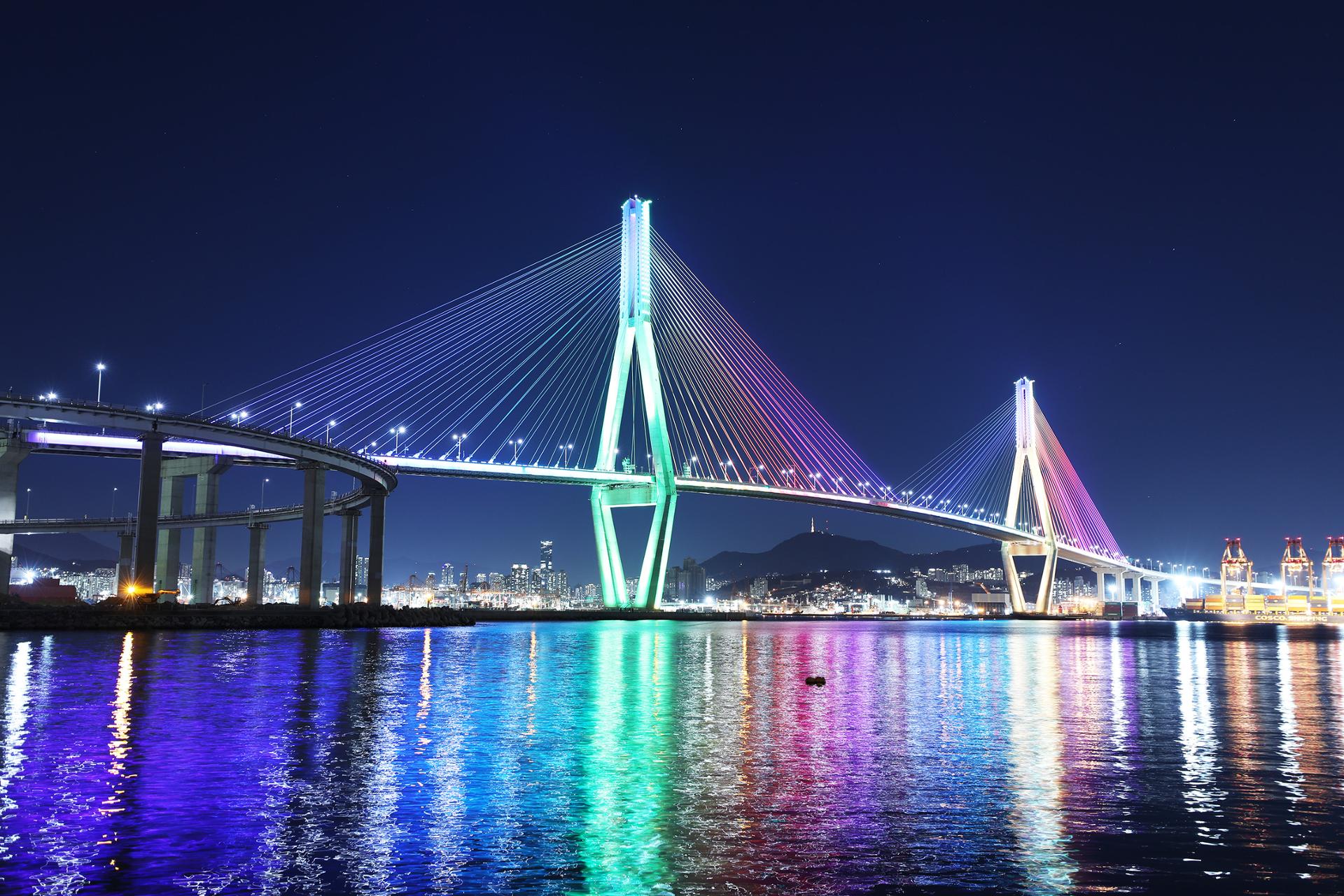
Long before the sprawling port city of Busan became internationally renowned for its glittering marine skyscrapers and premier cinematic events, it served as a desperate, densely packed sanctuary for a country on the brink of collapse.
For 1,023 grueling days during the height of the 1950-53 Korean War, Busan was designated the provisional capital of South Korea, shielding hundreds of thousands of internal refugees while preserving the essential administrative seat of government.
The city will temporarily turn back the clock on Friday to honor those dark yet resilient days.
Municipal officials said the annual Wartime Capital Busan Heritage Night festival will return for a two-day run from Friday to Saturday. The specialized twilight event will unlock the doors of historic architectural monuments, former government bureaus and underground bunkers until 10 p.m., illuminating a historical chapter that local policy authorities are working to immortalize on the global stage.