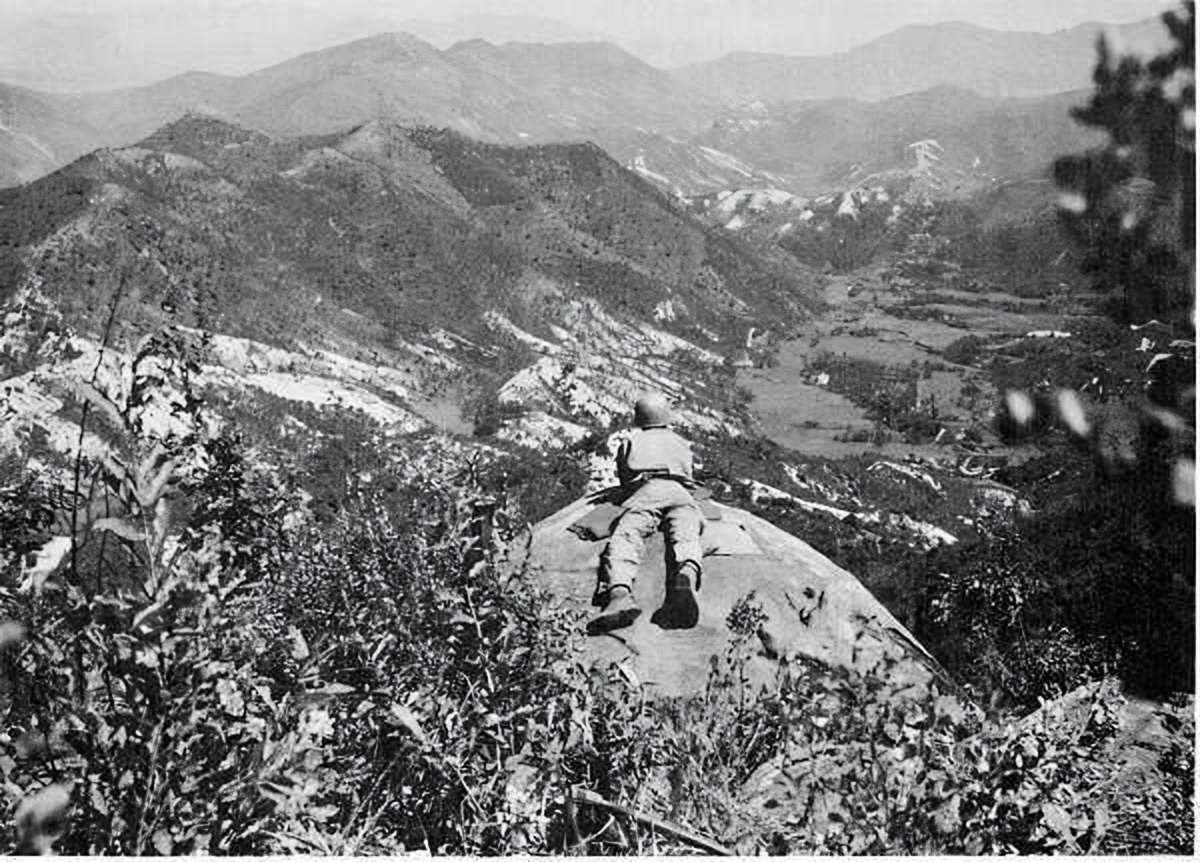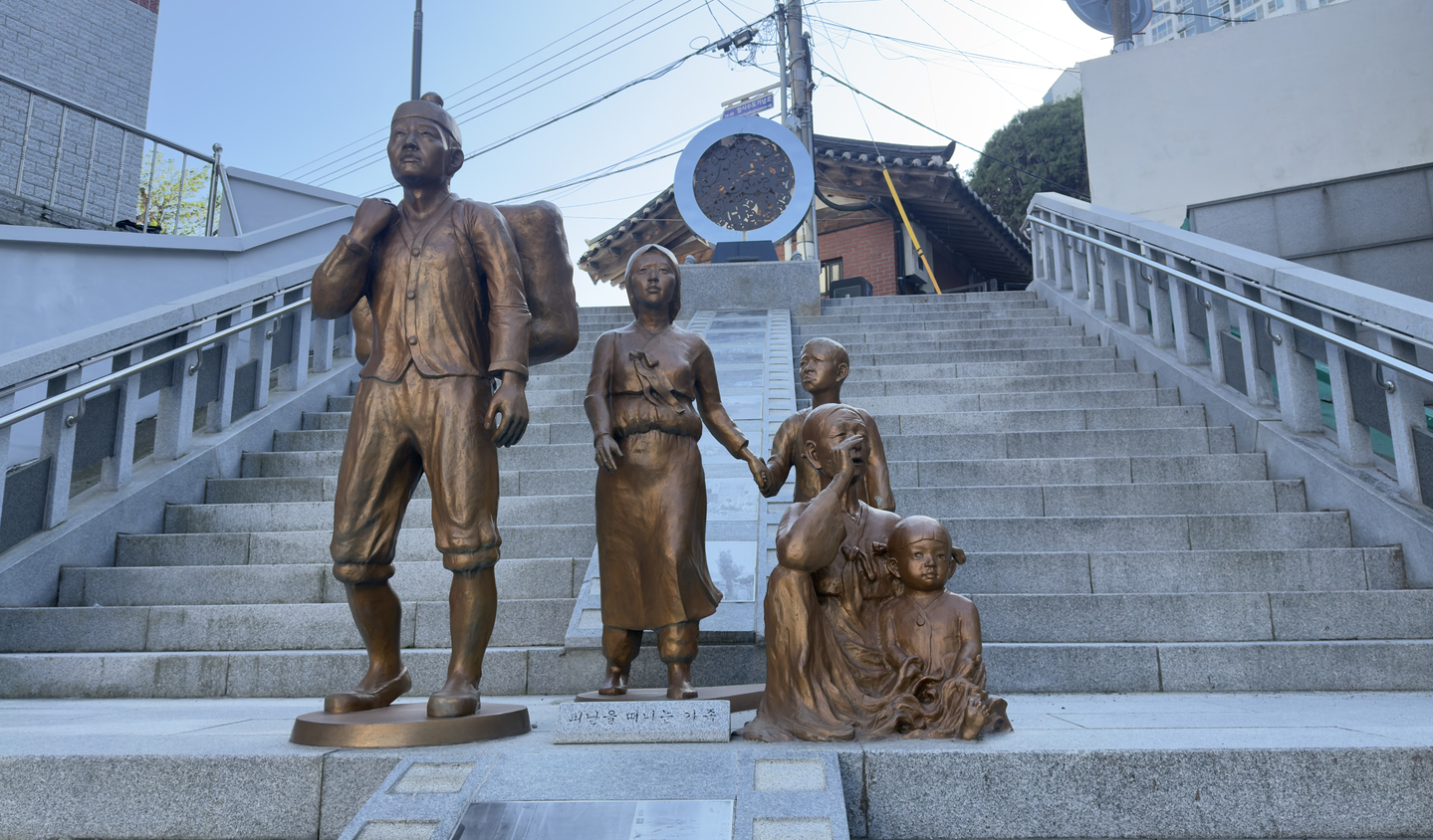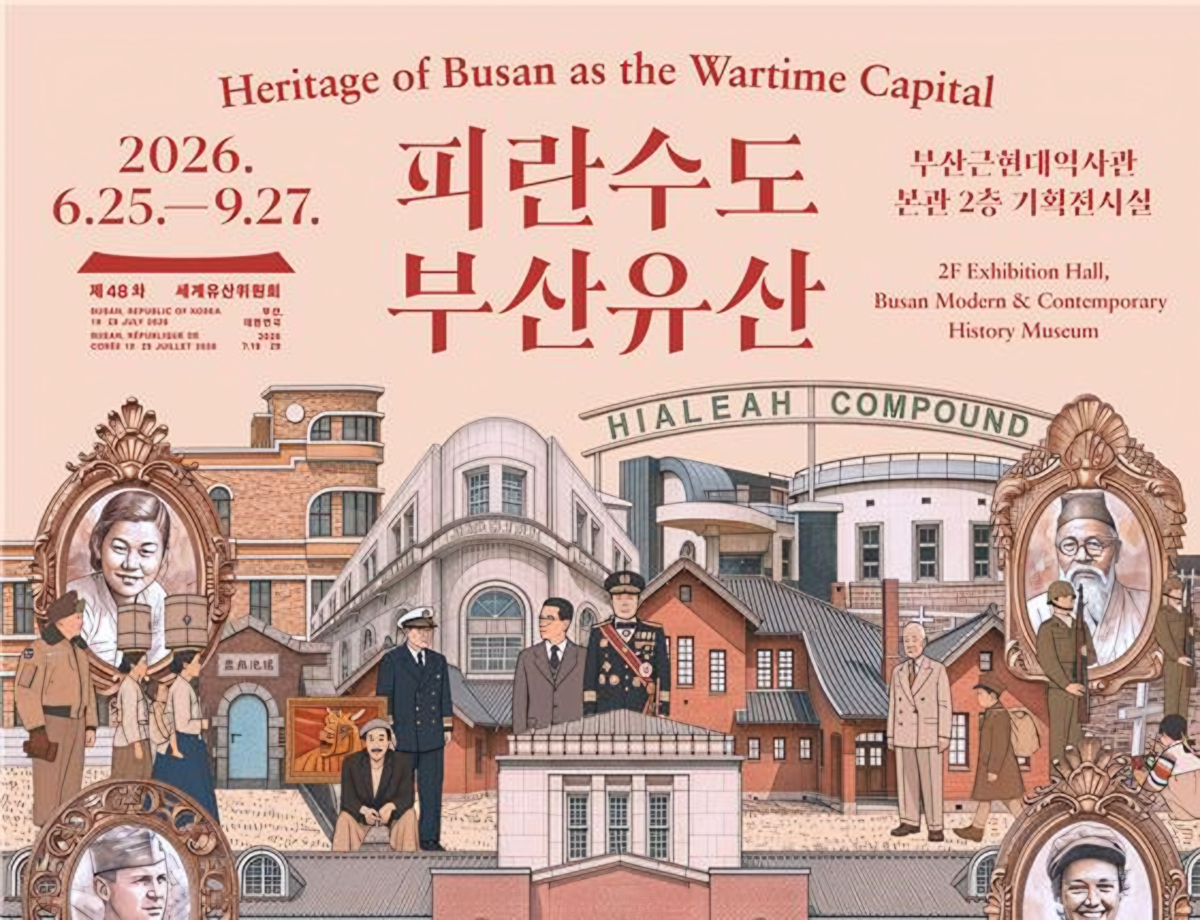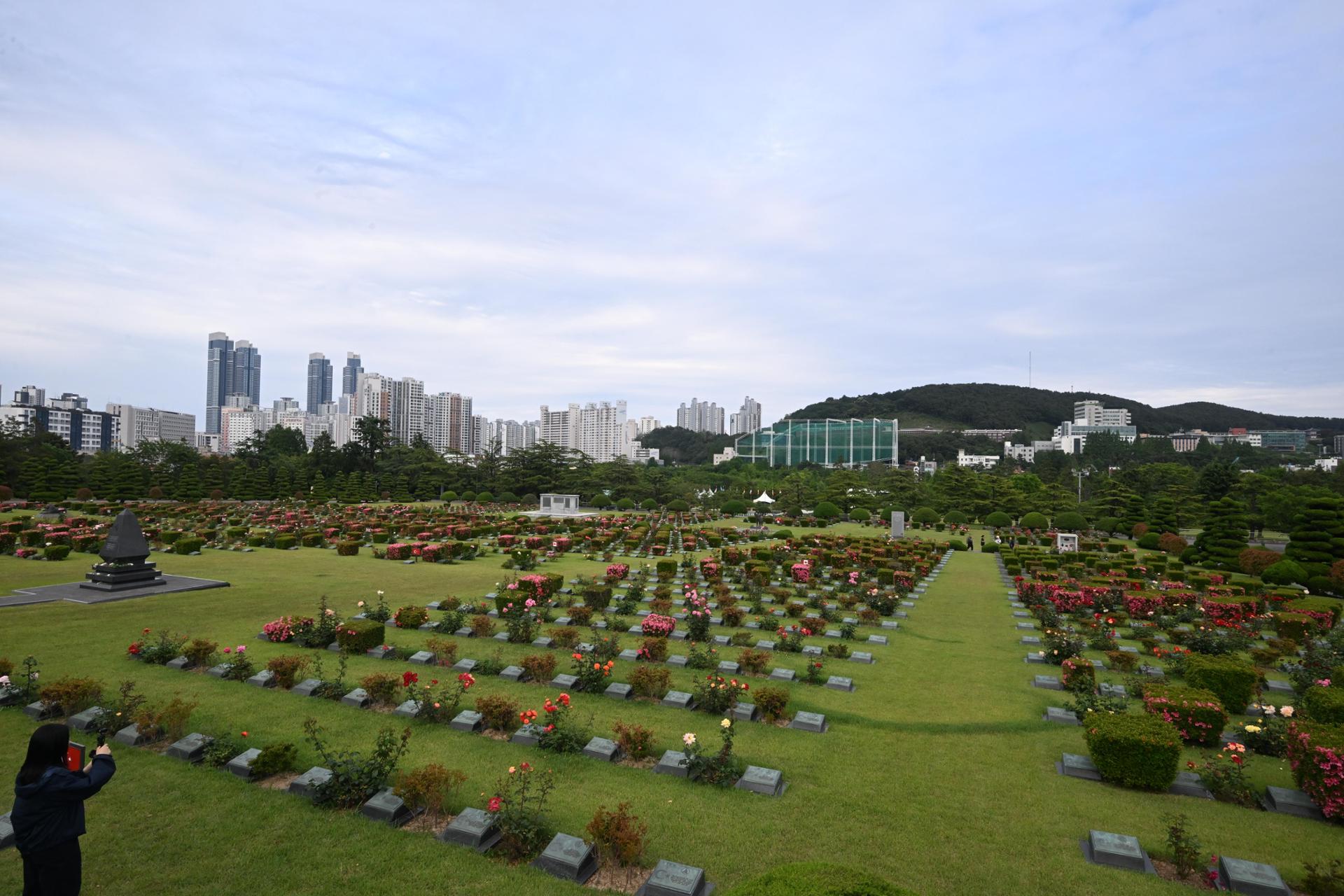
Busan during the Korean War (Busan Metropolitan City) 11 Busan sites reveal how the city kept a nation running under wartime pressureFor 1,023 days during the Korean War (1950-53), Busan was the capital of South Korea. The city housed the presidential office, the government complex and some 1 million refugees, on top of its existing population of about 400,000.That chapter of history, remnant in brick buildings, hillside settlements and a working pier, is now on track for UNESCO World Heritage status. The city plans to submit the Sites of the Wartime Capital for UNESCO's preliminary assessment in September, aiming for inscription by 2030.Few Koreans, let alone foreign visitors, know that Busan served as the nation's temporary capital for most of the three-year war, from Aug. 18, 1950, to Oct. 26, 1950, and again from Jan. 4, 1951, to Aug. 14, 1953.The nomination comprises 11 sites that together show how the government, citizens and the United Nations in a single city kept a country under wartime pressure running. Temporary Presidential Residence (Busan Metropolitan City) Among them is the Temporary Presidential Residence, a 1926 building originally constructed as the South Gyeongsang provincial governor's residence. Hastily converted into the president's residence and office, it hosted policy meetings, diplomatic talks with UN officials and press conferences. It now operates as the Provisional Capital Memorial Hall. Temporary Government Complex (Busan Metropolitan City) Nearby stands the Temporary Government Complex, a red-brick building completed in 1925 as the provincial office. Key ministries moved in during the war, and refugee policies were drawn up there. Today, it houses a museum by Dong-A University. Korea Meteorological Administration (Busan Metropolitan City) The list also captures the refugee experience. In Uam-dong, displaced families converted former cattle sheds into homes. In Ami-dong, refugees built a settlement on top of a Japanese cemetery, a neighborhood still known as the tombstone village.Pier 1 of Busan Port, where UN troops and relief supplies arrived, and the UN Memorial Cemetery in Korea, the world's only UN cemetery, represent the international cooperation that sustained the wartime capital.Among the 11 sites are also the National Meteorological Observatory, still a working weather station; the former US Embassy and US Information Service building; Camp Hialeah, now Busan Citizens Park; Yeongdo Bridge, a famous meeting point for separated refugee families and the Bokbyeongsan reservoir.The sites were added to UNESCO's Tentative List in May 2023 as the first modern-era Korean heritage properties and were selected for the Korea Heritage Service's priority nomination list in November. If inscribed, they would become South Korea's first World Heritage site that recognizes modern heritage rather than the Joseon era (1392-1910) or earlier.
Busan eyes World Heritage status for Korean War legacy
For 1,023 days during the Korean War (1950-53), Busan was the capital of South Korea. The city housed the presidential office, the government complex and some 1
437 words~2 min read