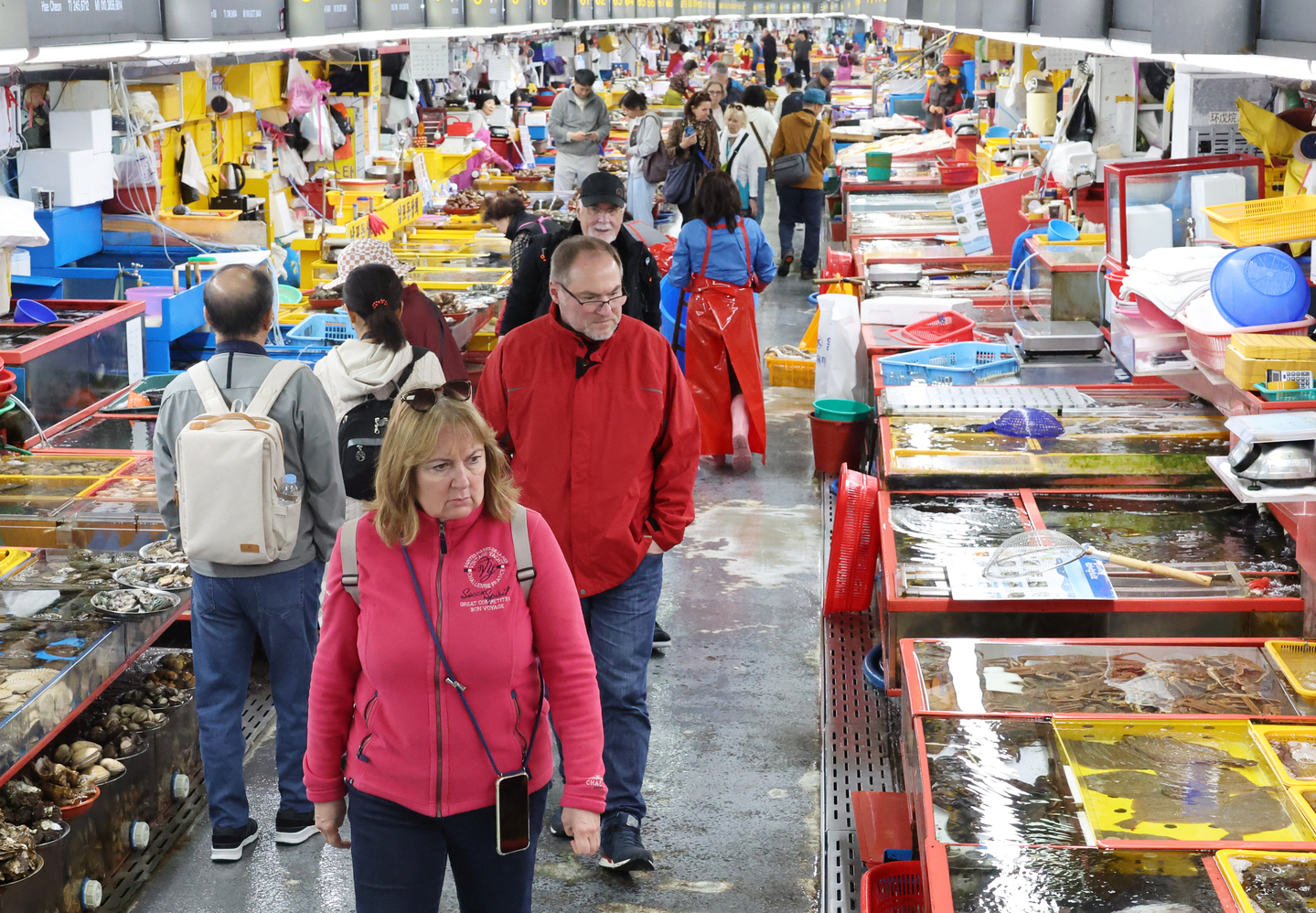
Foreign tourists browse fresh seafood at Jagalchi Market in Jung District, Busan, on April 8. [JOONGAINGILBO]
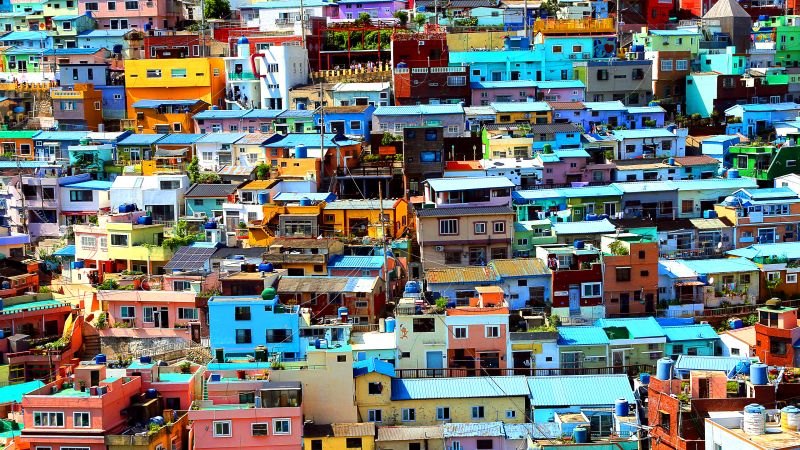
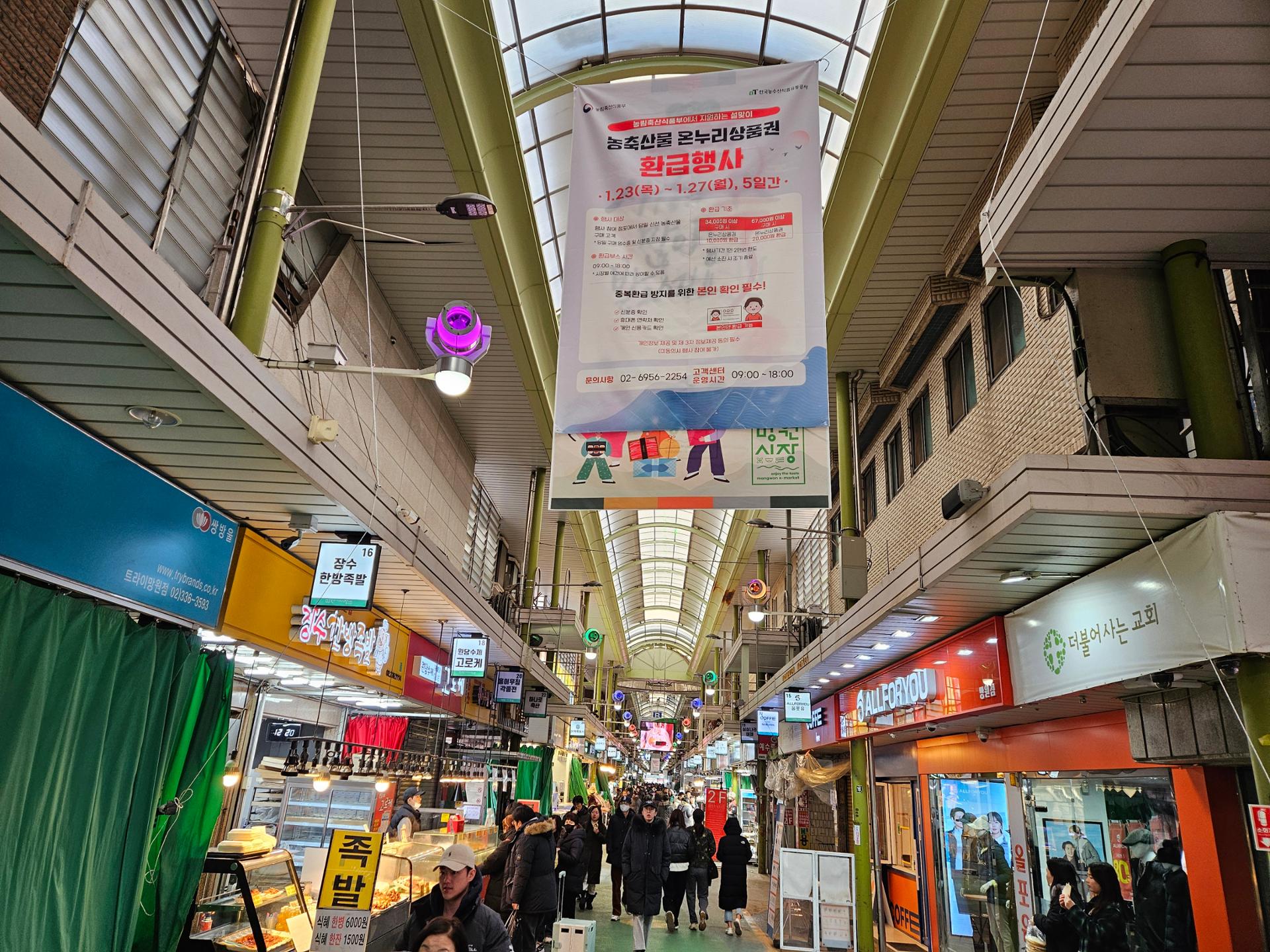
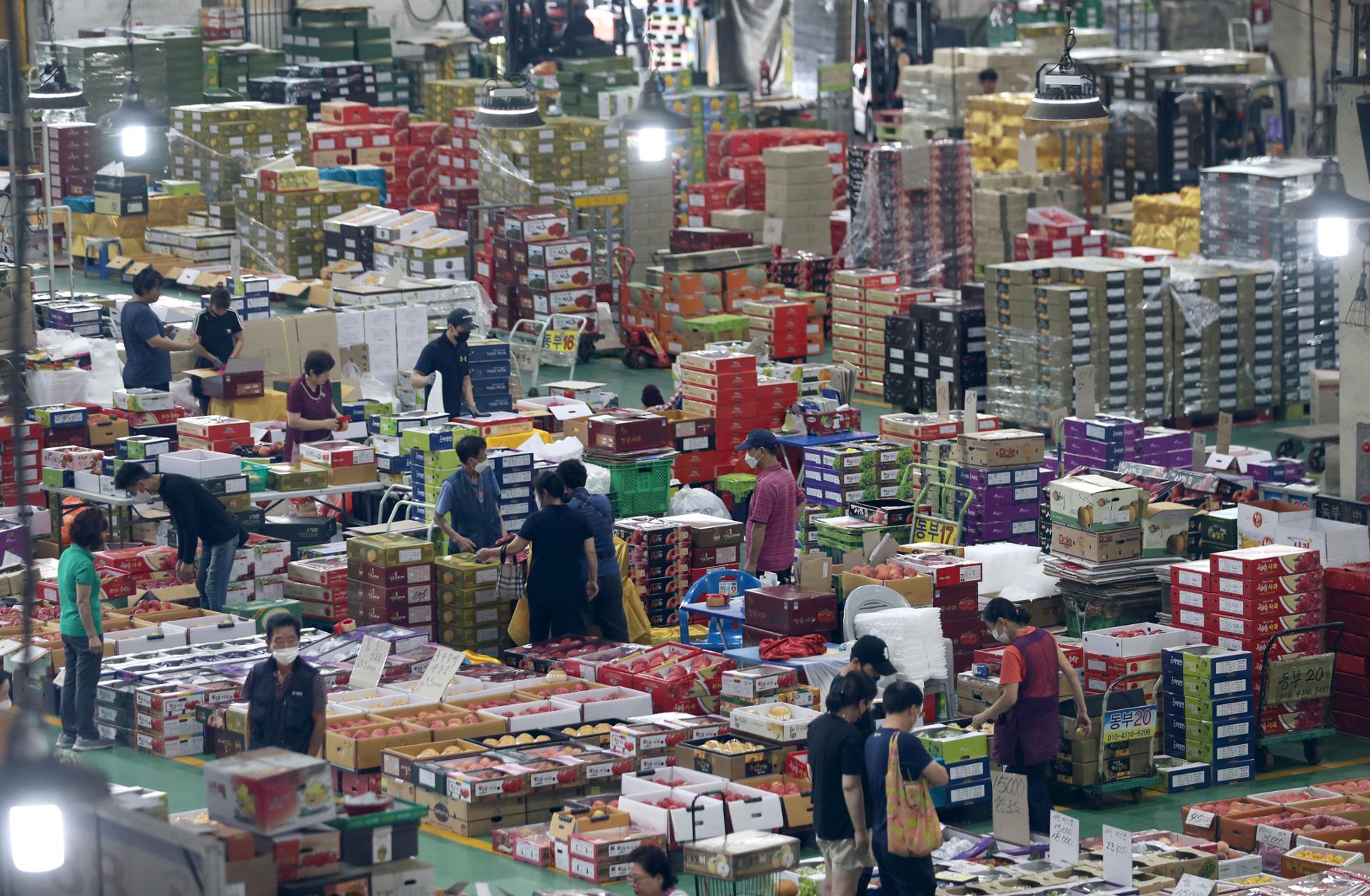
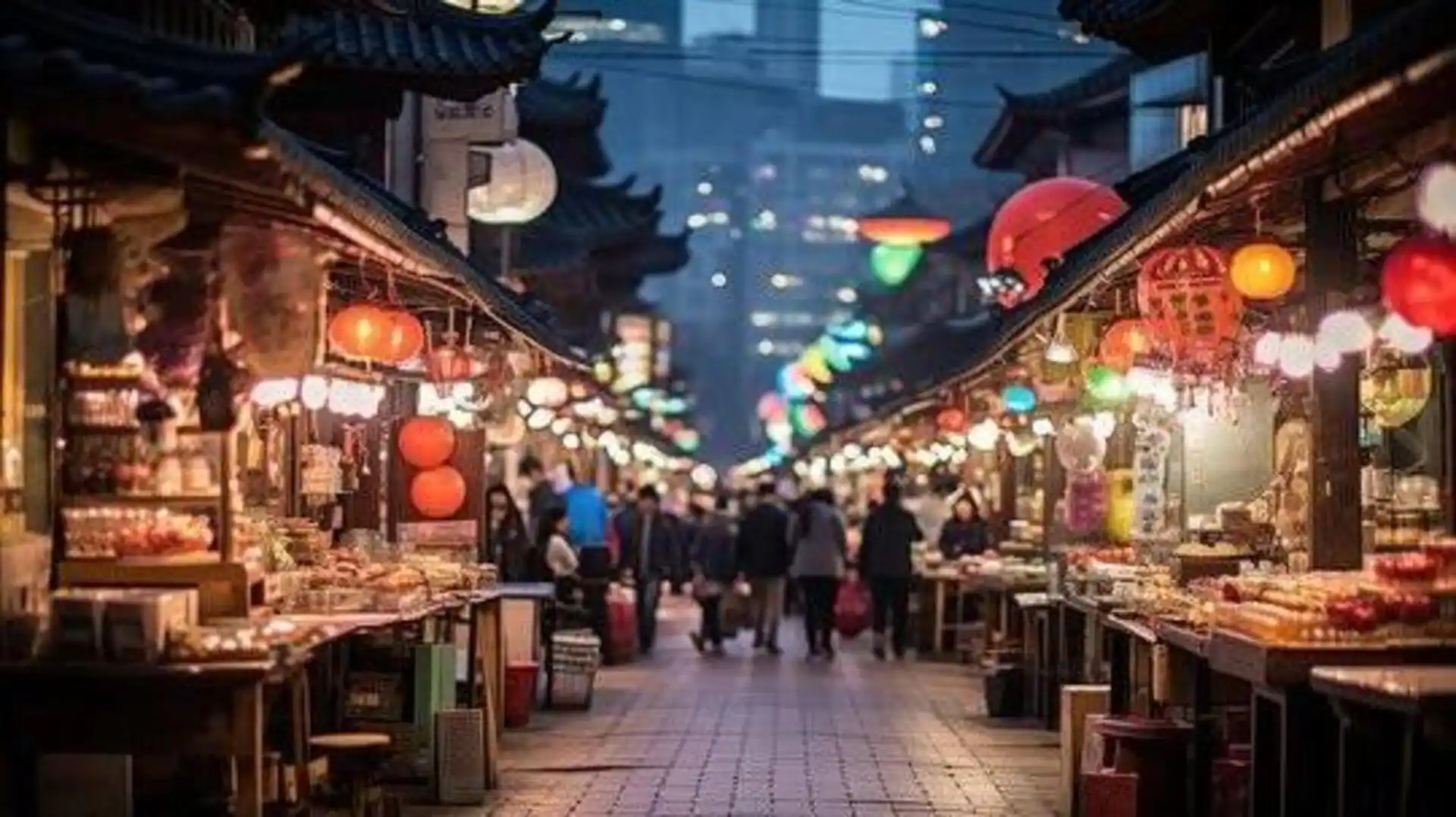
BUSAN — Busan is cherished for its distinctive traditional markets, each boasting a long history and its individual character.
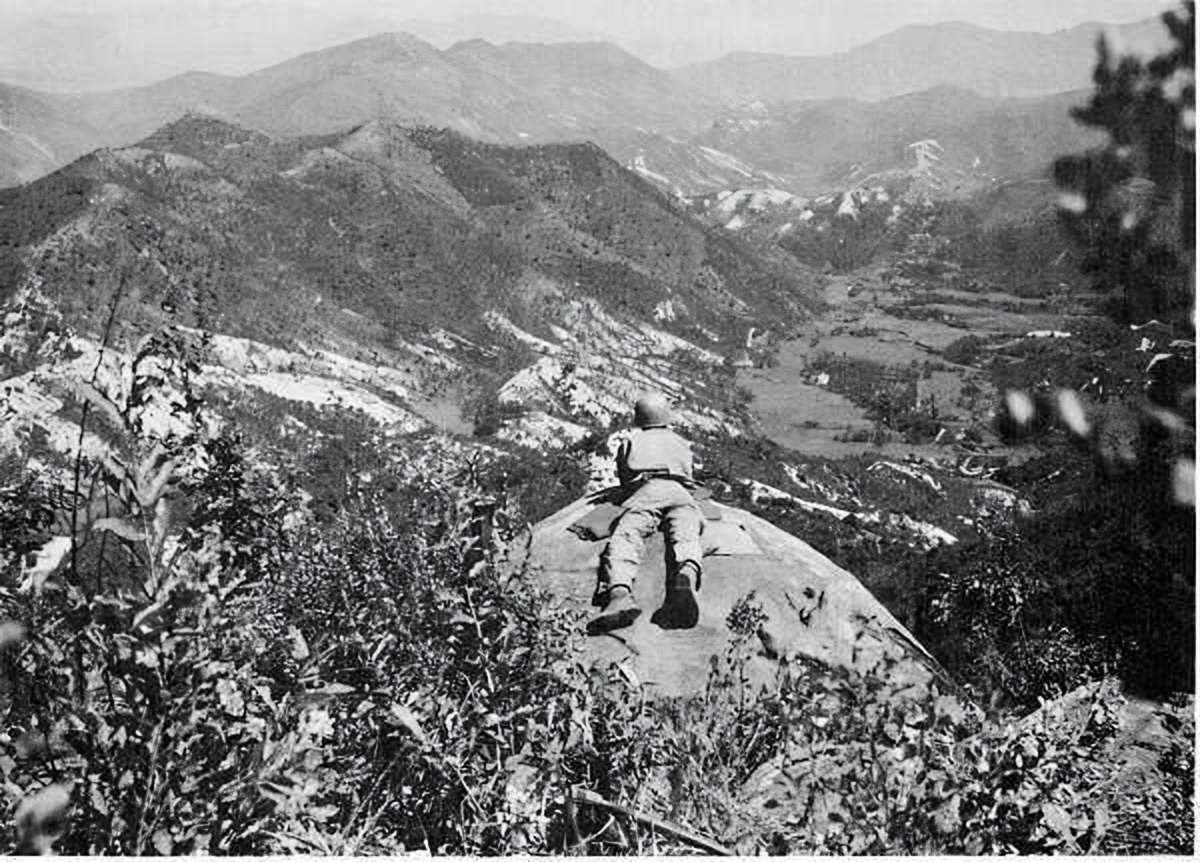
Across the coastal city, around 190 traditional markets remain. For some of them, the 1950-53 Korean War marked a major turning point, profoundly shaping the markets into centers of survival, commerce and everyday life.
Related Article
Among them is today's tourist-favorite Gukje Market, which emerged as one of Busan's most important wartime marketplaces during the war. Originally formed after Korea's liberation in 1945, the market served as a trading ground where Japanese residents returning home sold off their belongings. It was initially known as "Dottegi Market," derived from the Japanese word meaning "to grab."