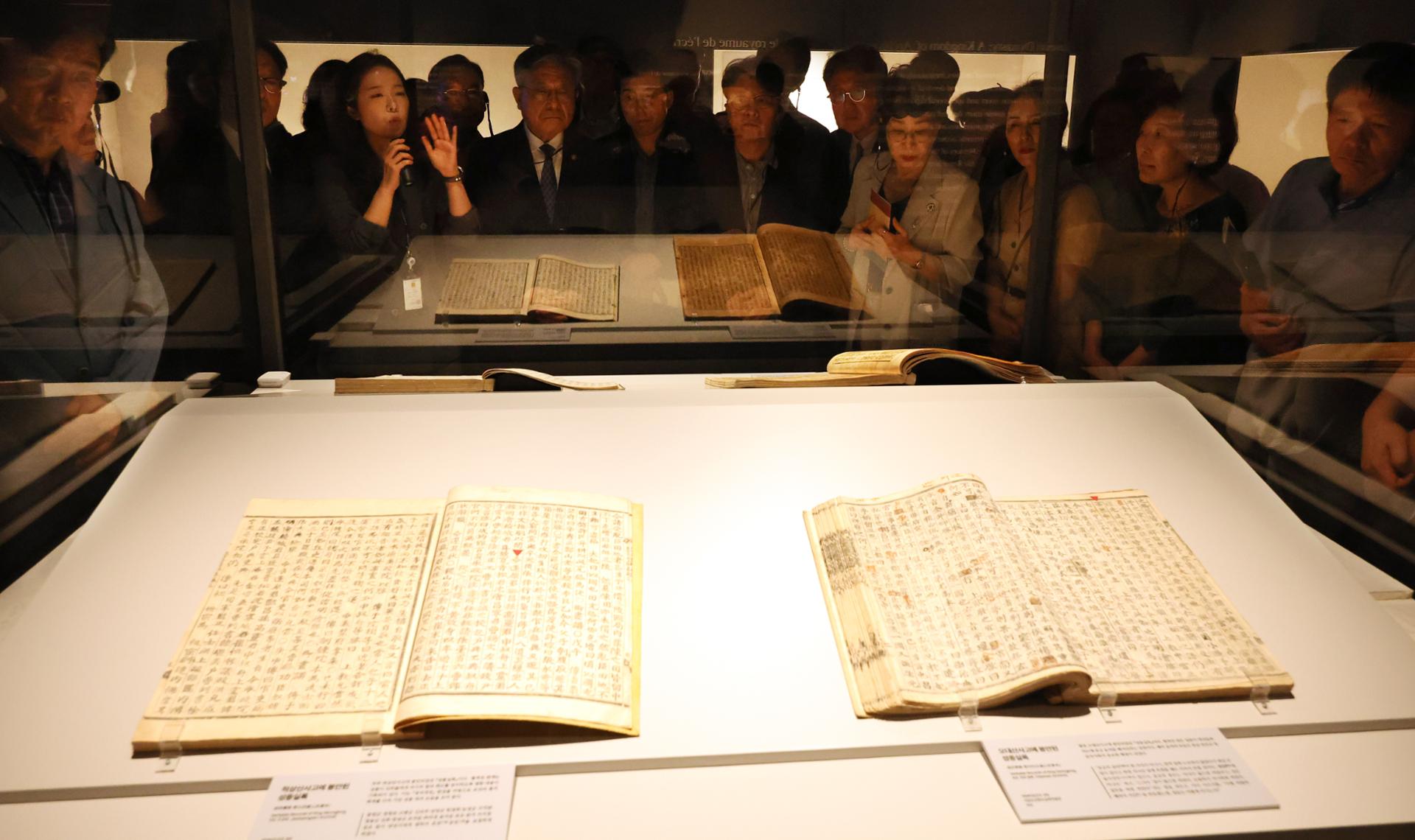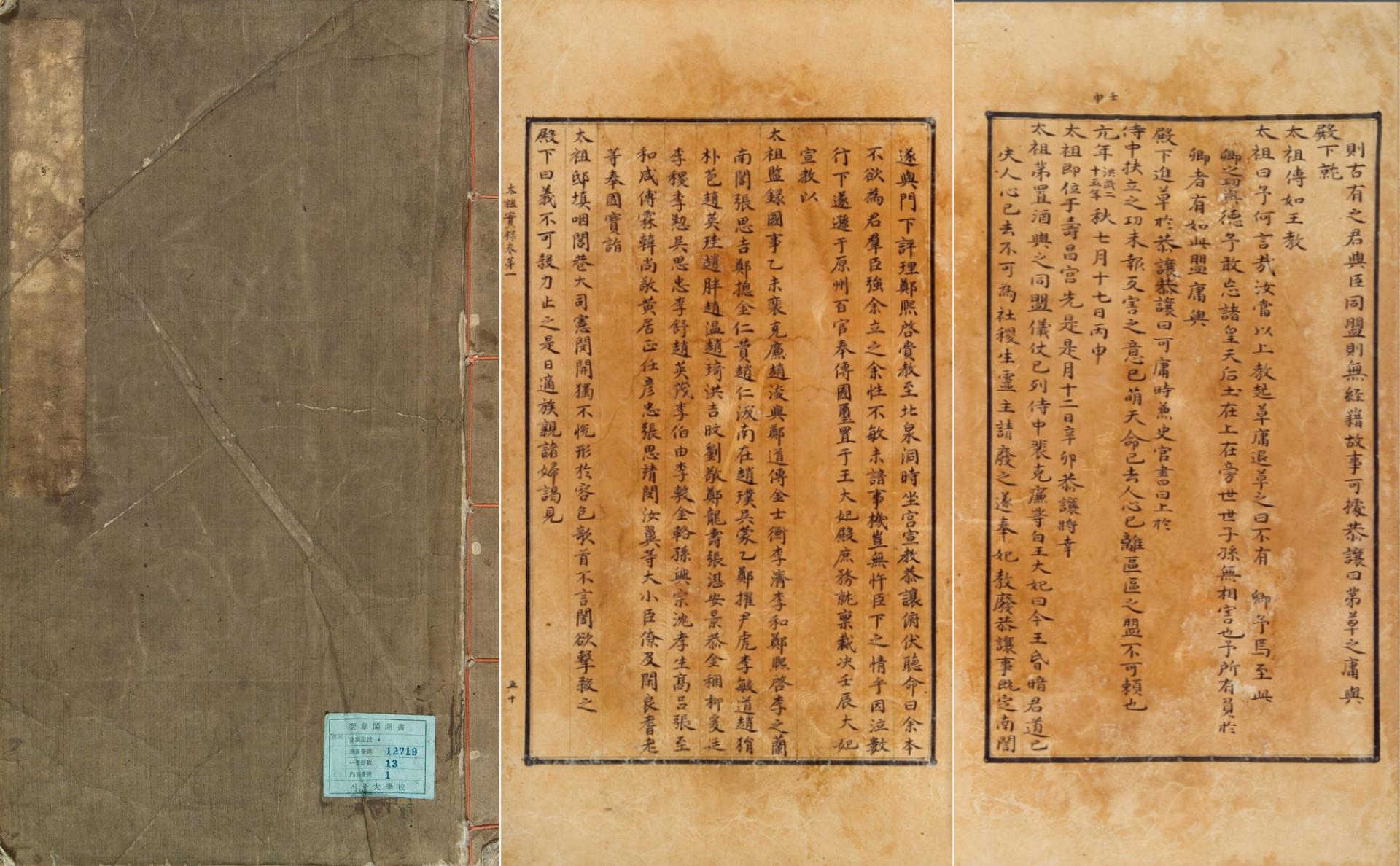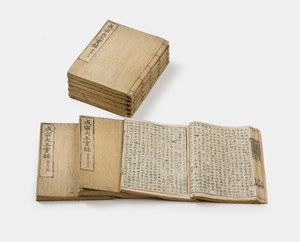
Jungjong Sillok (Annals of King Jungjong), part of the Veritable Records of the Joseon Dynasty and a National Treasure, published in 1606 (National Museum of the Annals of the Joseon Dynasty) Nanjung Ilgi (War Diary of Admiral Yi Sun-sin), handwritten by the admiral during the Japanese invasions of 1592-1598 and listed in UNESCO's Memory of the World register (UNESCO) From the archives to the big screen, Korea's past keeps feeding the biggest hitsWhen the World Heritage Committee convenes in Busan on Sunday, much of its attention will fall on the celebrated physical legacies of Korea's dynastic past, from the royal tombs to the fortresses and palaces of the Joseon era that dot the country's list of World Heritage sites.Impressive as those monuments are, they tell only half the story. What brings that past to life like nothing else is the vast paper trail that came with it. The Joseon Dynasty kept records with a thoroughness that borders on obsession, capturing everything from five centuries of court life down to the daily minutiae of war and administration in documents that hold their own places in UNESCO's Memory of the World register. For Korean filmmakers, that archive has been a deep well of material, and the films drawn from it rank among the biggest hits in the country's box office history.Consider the trilogy built around Yi Sun-sin, the 16th-century admiral who turned back a Japanese invasion fleet and remains Korea's most revered military hero. The films drew directly from the admiral's writings: the Nanjung Ilgi, the diary Yi kept through the war, gave them texture and a window into the hero's inner life. "The Admiral: Roaring Currents" starring Choi Min-sik (CJ ENM) The first installment, "The Admiral: Roaring Currents" (2014), sold 17.6 million tickets to become the most-watched film ever released in Korea. The sequels "Hansan" (2022) and "Noryang" (2023) followed with solid numbers of their own.The richest vein, though, is the Sillok, the official state annals that chronicle 472 years and 25 kings in nearly 1,900 volumes, thought to be the longest continuous record of a single dynasty in the world. Whereas the diary offered one man's view of war, the annals sweep up everything down to the smallest bit of court gossip, and filmmakers have mined them on the thinnest of pretexts."The King and the Clown" (2005) grew out of a passing mention in the annals of Gong-gil, a court entertainer favored by the tyrant king Yeonsan. From that morsel came a tale of two street clowns whose satirical act lands them inside the royal court, where the king's obsession with one of them spirals into tragedy. The modestly budgeted drama ran for months on its way to more than 12 million admissions. "The King and the Clown," starring Kam Woo-sung (left) and Lee Joon-gi (Cinema Service) Even as historical dramas kept turning out reliable hits, this year delivered the genre's biggest sensation yet. "The King's Warden" was built on two lines in the record about a county official who secretly recovered and buried the body of Danjong, the boy king deposed by his uncle and exiled to a remote mountain village.With so little to go on, director Jang Hang-jun has said the work of his film was filling in "all those gaps between the words." The story he spun struck a chord: the film racked up close to 17 million admissions to become the highest-grossing Korean film of all time, as crowds flocked to Danjong's exile site in the mountains of Yeongwol. "The King's Warden," starring Park Ji-hoon (left) and Yoo Hae-jin (Showbox) That, in the end, is the arrangement: the chroniclers wrote everything down, and the artists keep finding stories in the margins. As Busan celebrates what Korea has preserved, the multiplex next door shows how the past continues to shape the country's cultural identity.
When heritage meets pop culture: K-cinema
When the World Heritage Committee convenes in Busan on Sunday, much of its attention will fall on the celebrated physical legacies of Korea's dynastic past, fro
638 words~3 min read